DbcultAccessing Vault...
7/10
Senior Film Conservator
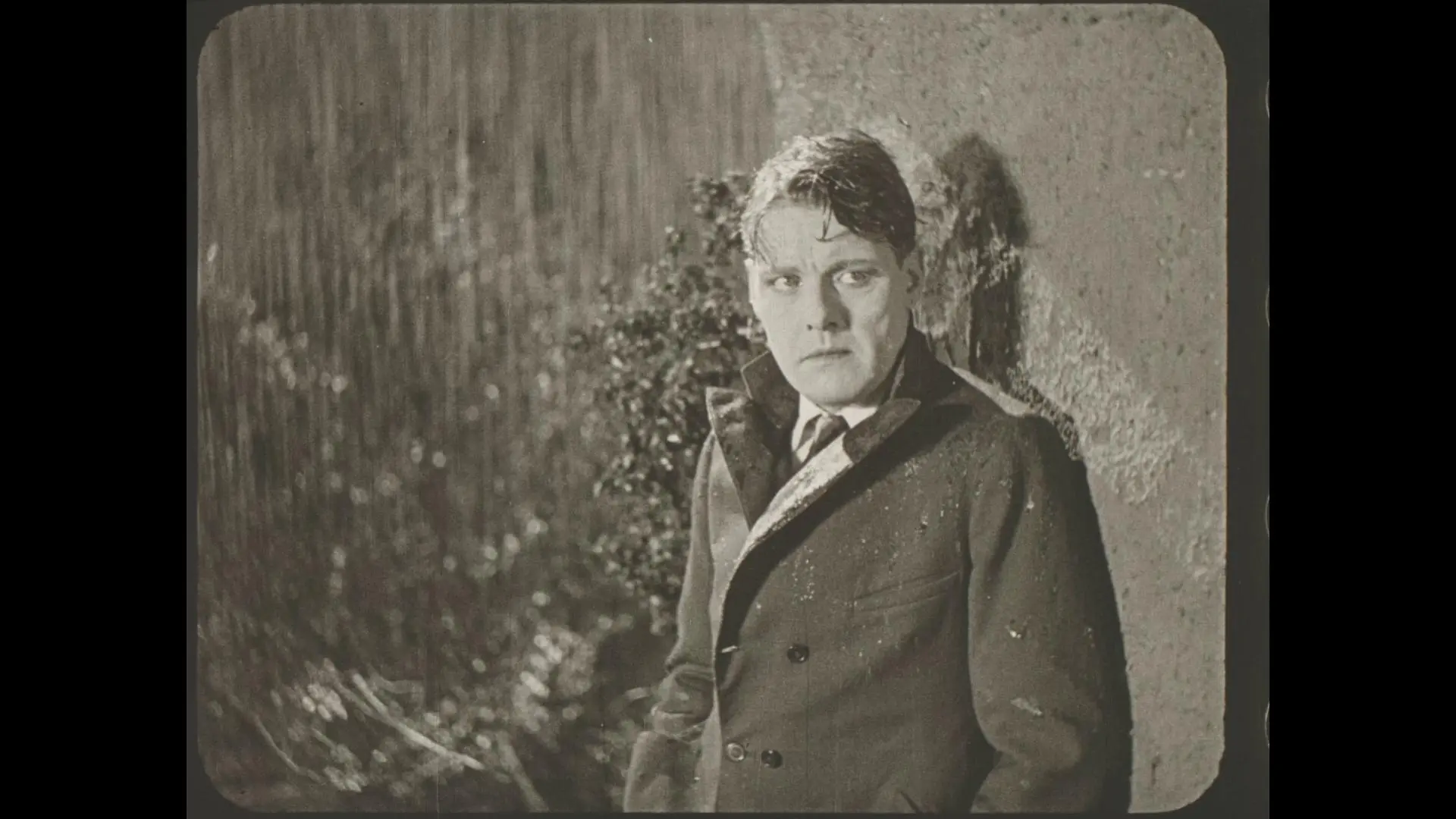
A definitive 7/10 rating for a film that redefined the boundaries of cult cinema. The Unwritten Law remains a cornerstone of transgressive art.
The Unwritten Law (1925), a silent film that predates the golden age of Hollywood, remains a testament to early cinematic artistry. Directed by Charles Brabin, this film stars Charles Clary as the morally corrupt John Randall, orchestrating a web of deceit that ensnares Helen Merritt, the private secretary of John Randall, played by Elaine Hammerstein. Her romantic interest, Jack Wayne, portrayed by William V. Mong, finds himself at the center of this intricate plot as well.
Helen Merritt, a woman of virtue, falls in love with Jack Wayne, one of Randall's employees. Randall, aware of his own feelings for Helen, decides to manipulate the situation to his advantage. He sends Jack to Mexico, creating false reports that he has been killed in a saloon brawl. Meanwhile, Randall leverages his position of power to influence Helen's father, a broken southern colonel, by paying off some of his debts. This act of charity, however, is not altruistic; it is a calculated move to secure Helen's compliance.
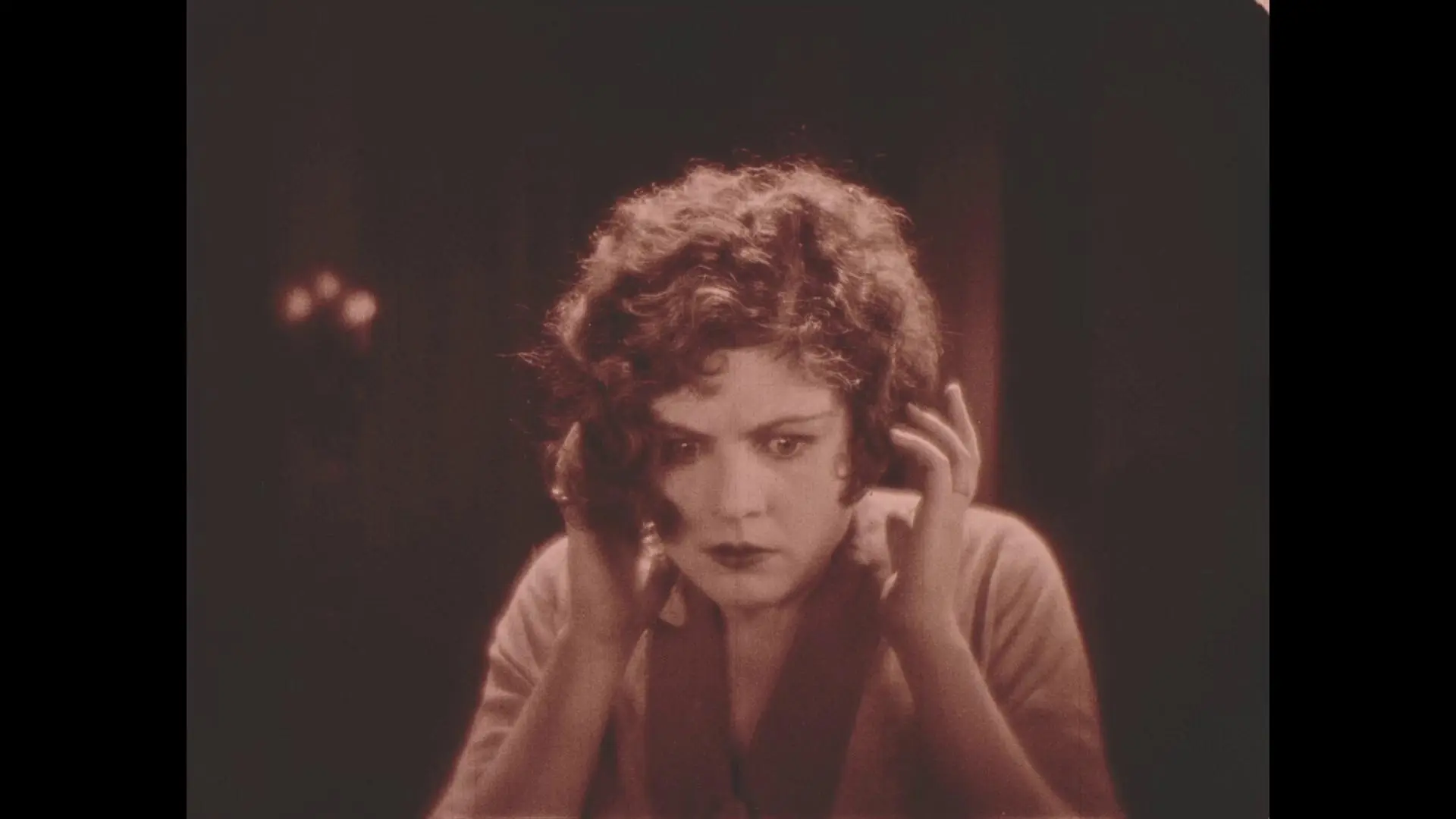
Following the faked death of Jack, Randall extends an invitation to the Merritts to stay at his luxurious Long Island estate. He convinces Helen to marry him, a decision made out of a sense of duty and the promise of her father's financial security. Jack, having returned from Mexico, is the first to congratulate Helen on her marriage, only to be met with Randall's confession of his plot. Despite the revelation, Helen chooses to remain married to Randall, prioritizing the avoidance of scandal over personal happiness.
John Randall's demise, shrouded in mystery, sets the stage for the film's climactic moments. Jack, though innocent, makes a false confession, believing it to be the only way to clear Helen's name. The sheriff, assisted by key witnesses, investigates the crime, leading to the arrest of Helen. It is in this tense atmosphere that the housekeeper, Miss Grant, reveals a shocking truth: Randall had gone back on his promise to give her child a name, leading to her confession and eventual exoneration of Helen.
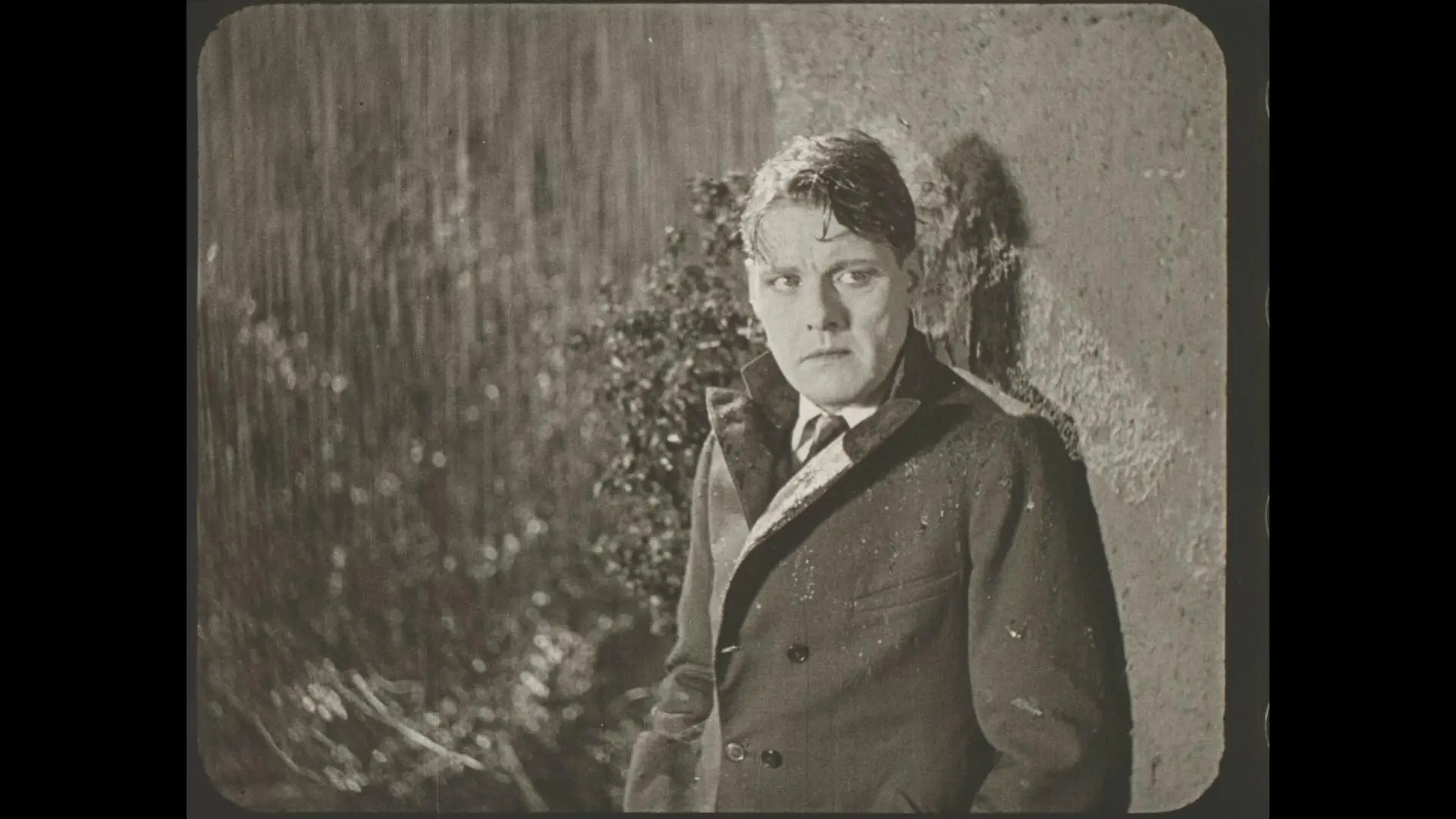
The film's exploration of love, deceit, and moral ambiguity is a hallmark of its time. The character of John Randall is a prime example of the era's portrayal of the self-serving, morally bankrupt individual. His actions are a stark contrast to the virtuous Helen, whose choices are driven by a desire to protect the ones she loves and maintain social order. Jack, a key figure in the narrative, embodies the struggle between loyalty and personal integrity, his actions and confessions reflecting the complexity of the human condition.
The cinematography and production design of 'The Unwritten Law' are noteworthy, offering a glimpse into the visual aesthetics of early silent films. The Long Island estate, with its grandeur and opulence, serves as a backdrop that underscores the disparity between the characters' lives and the moral dilemmas they face. The film's pacing, while somewhat slow by modern standards, is carefully crafted to build tension and maintain audience engagement, relying on visual storytelling and subtle performances to convey the narrative.
Comparatively, films like 'Just a Good Guy' (1923) and 'King Solomon's Mines' (1924) offer insights into the broader context of early 20th-century cinema. 'Just a Good Guy' explores themes of redemption and moral integrity, while 'King Solomon's Mines' delves into adventure and colonialism, both reflecting the cultural and social milieu of the era. These films, alongside 'The Unwritten Law,' contribute to a rich tapestry of early cinematic art, each offering unique perspectives and narratives that continue to engage and intrigue viewers today.
Despite its age, 'The Unwritten Law' retains its relevance through its exploration of timeless themes such as love, deception, and the moral complexities of human nature. Its intricate plot, rich character development, and careful attention to visual storytelling make it a compelling watch for film enthusiasts and critics alike. In a world where moral ambiguity and complex human motivations are as relevant today as they were in 1925, 'The Unwritten Law' stands as a testament to the enduring power of early cinema.
IMDb 6.9
1933
Community
Log in to comment.