DbcultAccessing Vault...
6.8/10
Senior Film Conservator
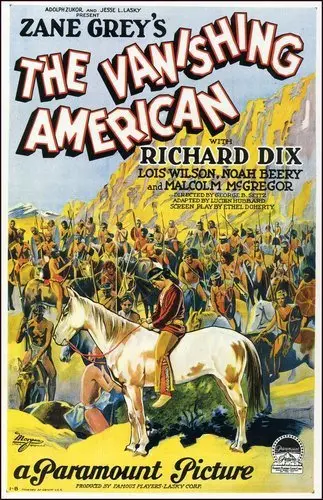
A definitive 6.8/10 rating for a film that redefined the boundaries of cult cinema. The Vanishing American remains a cornerstone of transgressive art.
The Vanishing American, a cinematic tour de force released in 1925, presents a scathing critique of the systemic injustices perpetrated against Native American communities. This seminal film, directed by George B. Seitz and based on the novel by Zane Grey, offers a powerful exploration of cultural disparagement, socio-political activism, and the human condition set against the backdrop of World War I.
The narrative revolves around a Navajo tribe struggling to survive in a hostile environment, their lives further complicated by the presence of an Indian-hating agent who callously exploits their vulnerability. The agent's actions serve as a catalyst for the tribe's burgeoning awareness of their plight and the need for collective action.
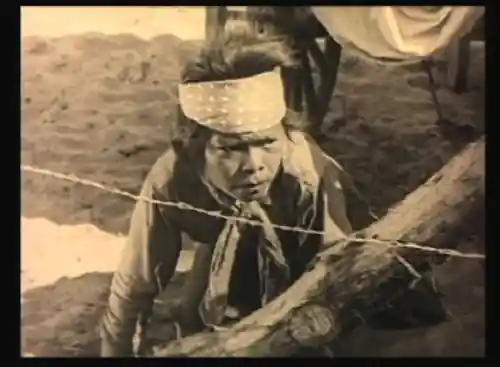
As the story unfolds, the outbreak of World War I presents a pivotal juncture, with a pedagogue convincing the tribal leader that enlisting in the war effort may potentially ameliorate their beleaguered circumstances. This decision sets in motion a complex exploration of the intersections between cultural identity, socio-political activism, and the global conflict.
The film boasts an impressive cast, including Richard Dix, Shannon Day, and Malcolm McGregor, who deliver nuanced performances that add depth and complexity to the narrative. The cinematography, too, is noteworthy, capturing the stark beauty of the American Southwest and the harsh realities of life on the reservation.
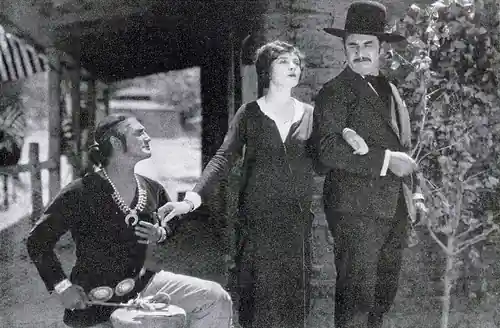
In comparison to other films of the era, The Heart of Jennifer and Man's Plaything come to mind as similarly tackling themes of social justice and cultural critique. However, The Vanishing American stands apart in its unflinching portrayal of the brutal realities faced by Native American communities.
The film's themes of cultural disparagement and socio-political activism are timeless, resonating with contemporary audiences as much as they did upon the film's initial release. As such, The Vanishing American remains a vital work, offering a powerful exploration of the human condition and the ongoing struggle for justice and equality.

One of the most striking aspects of The Vanishing American is its use of symbolism, with the character of the Indian-hating agent serving as a potent representation of the systemic injustices perpetrated against Native American communities. This figure, devoid of empathy or compassion, embodies the destructive forces that have historically threatened the very existence of indigenous cultures.
In contrast, the pedagogue who convinces the tribal leader to enlist in the war effort represents a glimmer of hope, a beacon of possibility that collective action and socio-political activism may yet yield a more just and equitable future. This dichotomy serves as a powerful reminder of the ongoing struggle for justice and equality, a struggle that continues to resonate with audiences today.
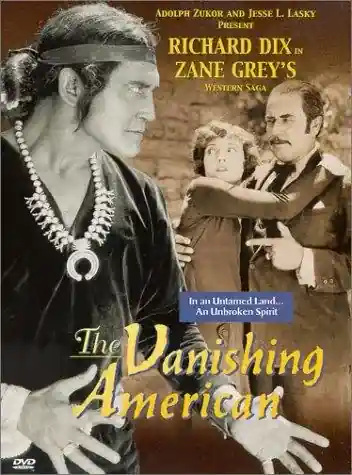
The film's cinematography is equally noteworthy, capturing the stark beauty of the American Southwest and the harsh realities of life on the reservation. The use of location shooting and natural lighting adds to the film's sense of realism, immersing the viewer in the world of the narrative.
The performances, too, are impressive, with Richard Dix delivering a nuanced portrayal of the tribal leader. His character's journey, from one of despair to one of hope and determination, serves as a powerful testament to the resilience of the human spirit.
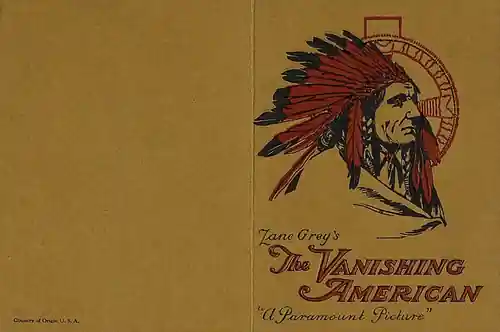
In conclusion, The Vanishing American is a masterpiece of American cinema, a powerful exploration of cultural disparagement, socio-political activism, and the human condition. This film, a vital work of enduring significance, continues to resonate with audiences today, offering a poignant portrayal of the ongoing struggle for justice and equality.
For those interested in exploring other films that tackle similar themes, Footlights, Why Elephants Leave Home, and Terror Trail are worth noting. However, The Vanishing American remains a singular work, a powerful and poignant portrayal of the human condition that continues to resonate with audiences today.
The film's influence can be seen in later works, such as Disraeli and The Lone Round-Up, which similarly explore themes of social justice and cultural critique. However, The Vanishing American stands apart in its unflinching portrayal of the brutal realities faced by Native American communities.
Ultimately, The Vanishing American is a film that will leave you moved, its powerful portrayal of the human condition lingering long after the credits roll. If you haven't had the chance to experience this cinematic masterpiece, do yourself a favor and seek it out – it is a work of enduring significance that continues to resonate with audiences today.
IMDb 4.8
1932
Community
Log in to comment.