DbcultAccessing Vault...
5.8/10
Senior Film Conservator
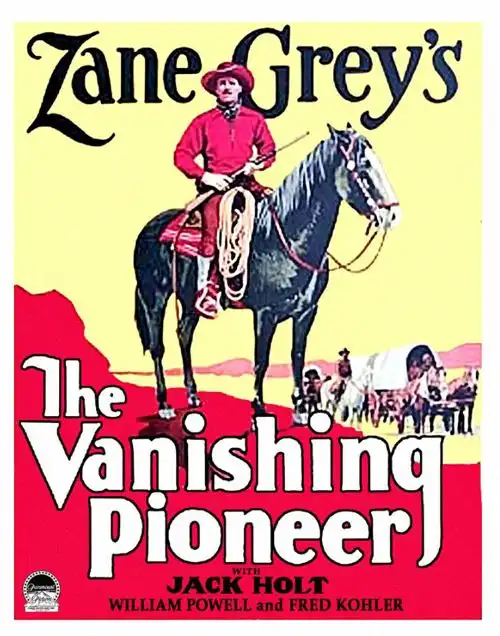
A definitive 5.8/10 rating for a film that redefined the boundaries of cult cinema. The Vanishing Pioneer remains a cornerstone of transgressive art.
The Vanishing Pioneer is definitely one for the classic Western enthusiasts out there. If you're into the grit and straightforward moral dilemmas of early Hollywood, you'll probably find something to latch onto. Folks looking for modern pacing or overly nuanced characters might struggle a bit, though. It’s a solid watch if you're curious about how these stories played out before all the fancy special effects took over.
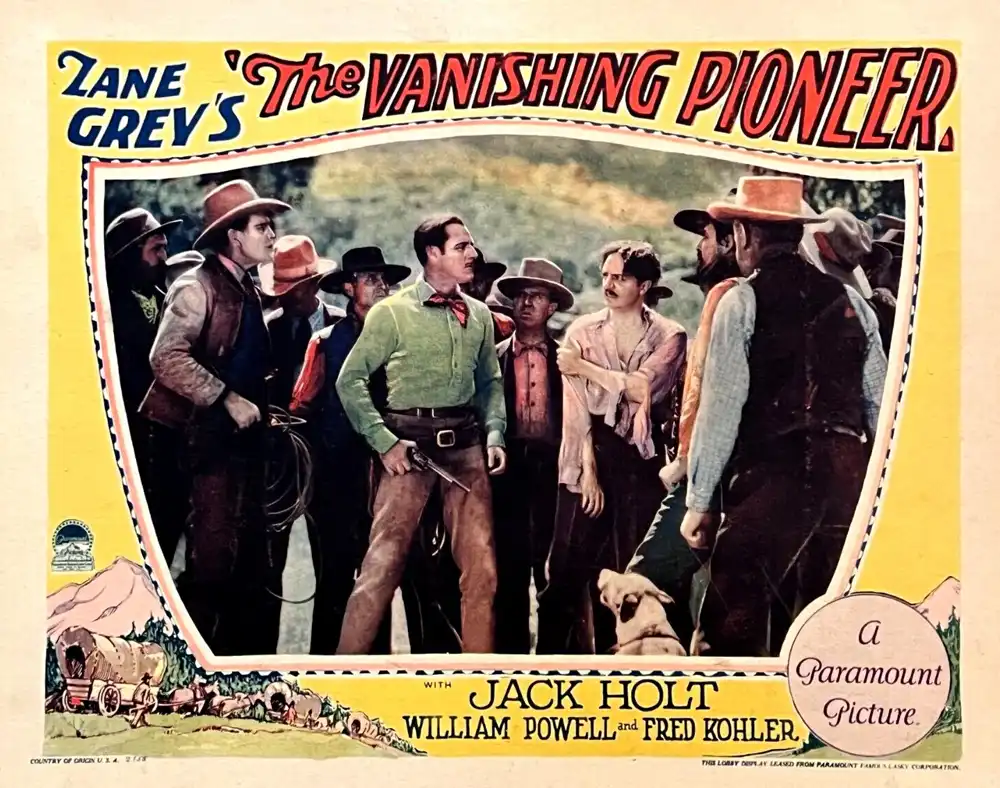
Jack Holt, as John Ballard, really carries this one. He's got that quiet intensity, you know? You can see him thinking, even when he's just staring off into the distance. No big, flowery speeches, just that look that says he means business.
The whole setup with the water rights feels super real for the era. There's a shot early on, just a wide pan over the cracked earth, where you really get how dry everything is for these pioneer folks. Not just dusty, but thirsty, desperately so. 🏜️
Then you've got Fred Kohler as John Murdock, the bad guy. He plays him with this sneering confidence that's almost too much sometimes. Like he just knows he's going to get away with it, right up until he doesn't. He’s got that classic villain vibe, all bluster and underhanded tricks.
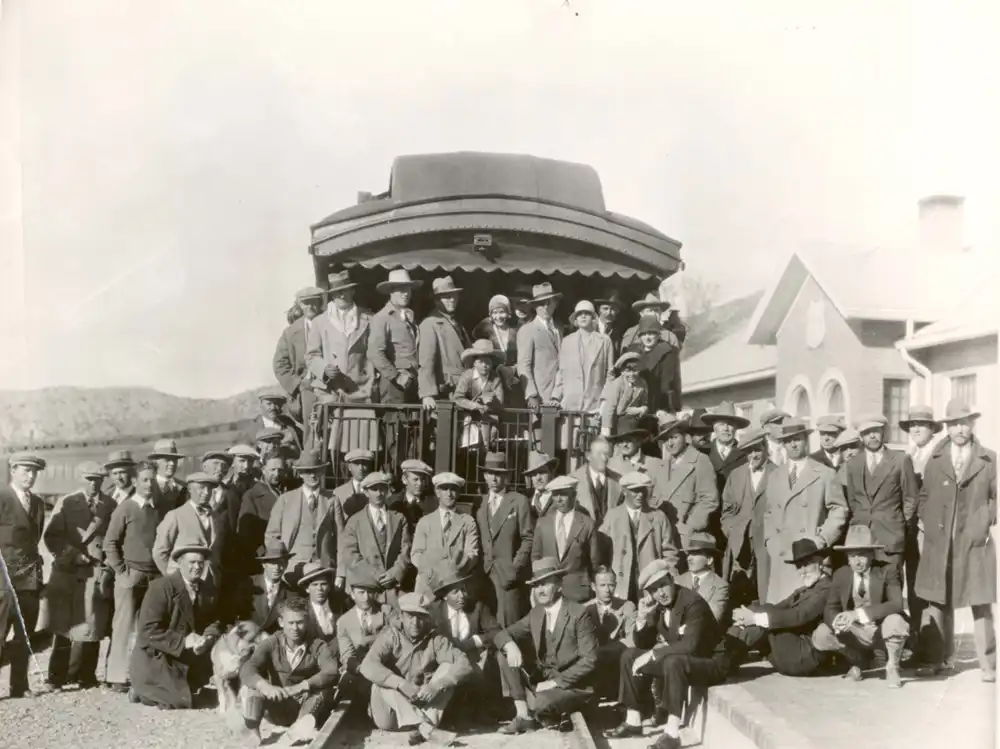
Ballard’s banishment scene, after that rancher gets shot and Murdock frames him, it's pretty quick. Almost too quick, honestly. You'd expect more dramatic build-up there, but it’s just sort of, 'poof, you're gone,' and then he's back. The narrative doesn't dwell, it just moves. Which is kind of refreshing, actually.
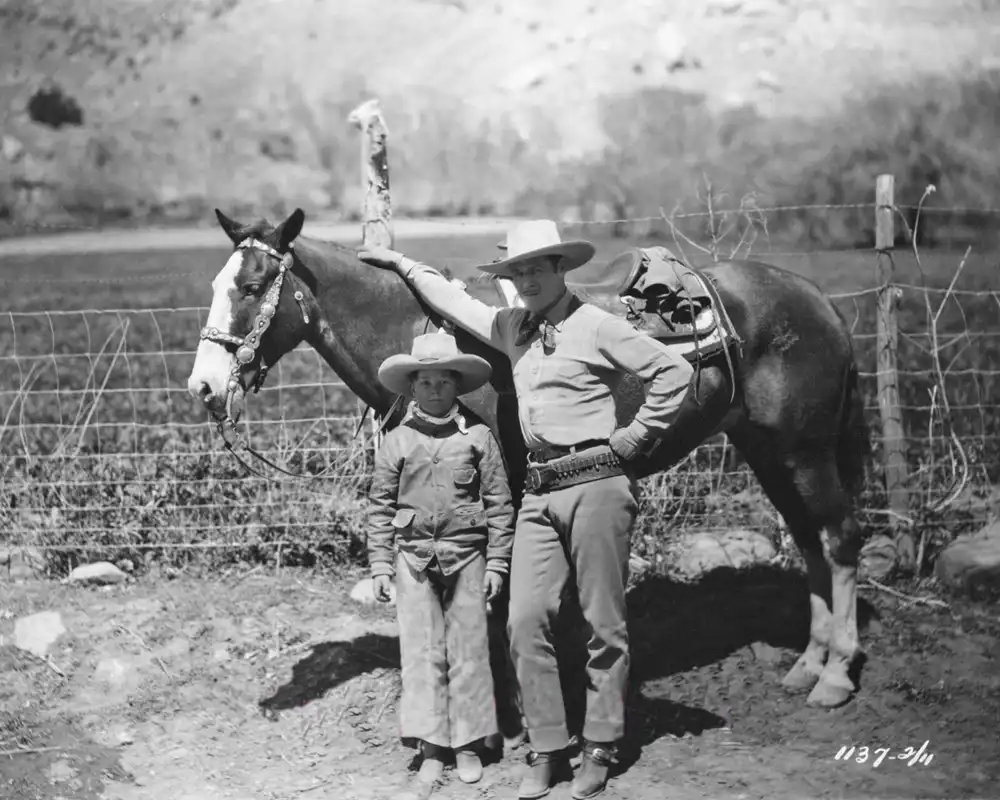
When he returns, things escalate fast. The fight for the water gets pretty messy. There are a few moments where the crowd scenes feel a little staged, like half the extras wandered off for a snack break. But the core conflict between Ballard and Murdock stays focused.
The confrontation where Ballard gets Murdock to confess… it’s a bit theatrical, but it works for a film from this period. You can almost feel the movie trying to convince you this moment matters, and it mostly succeeds. And then Ballard shoots him when he tries to run. Not a clean duel, just a quick, brutal end to the villain.
What really makes this film stand out for me, though, is the ending. After all that fighting, all that struggle to win back their water rights, a well-meaning mayor from the town comes forward. He offers to pay for the land, to share the water, because the town needs it too.
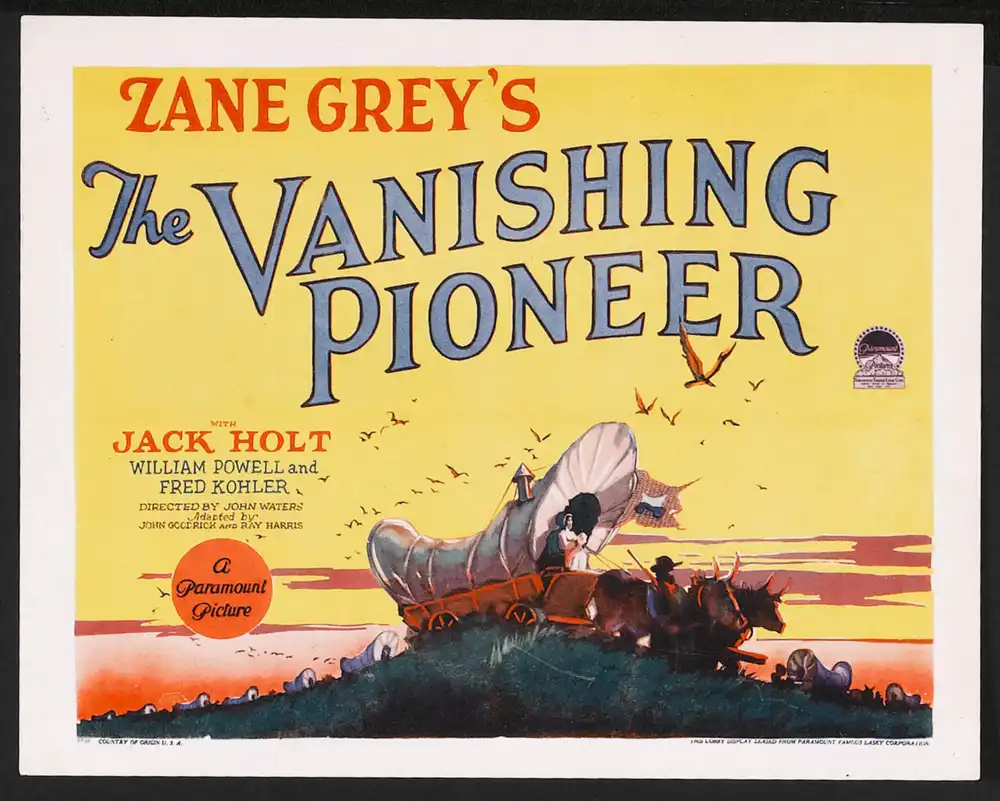
And the pioneers… they agree. They pack up their covered wagons and move on. It’s not a triumphant ending in the usual sense. More like, 'Well, we fought, we won, now what?' It’s deeply melancholic. You spend the whole movie rooting for them to win, and then they win, but they still have to leave. It makes you think about what 'winning' really means when you're just trying to survive. 🤔
It’s a surprisingly thoughtful conclusion for what starts as a pretty standard Western. It doesn't just wrap everything up with a bow; it leaves you with this sense of the endless frontier, and how some battles, even when won, still mean moving on. A little bit sad, but very impactful.
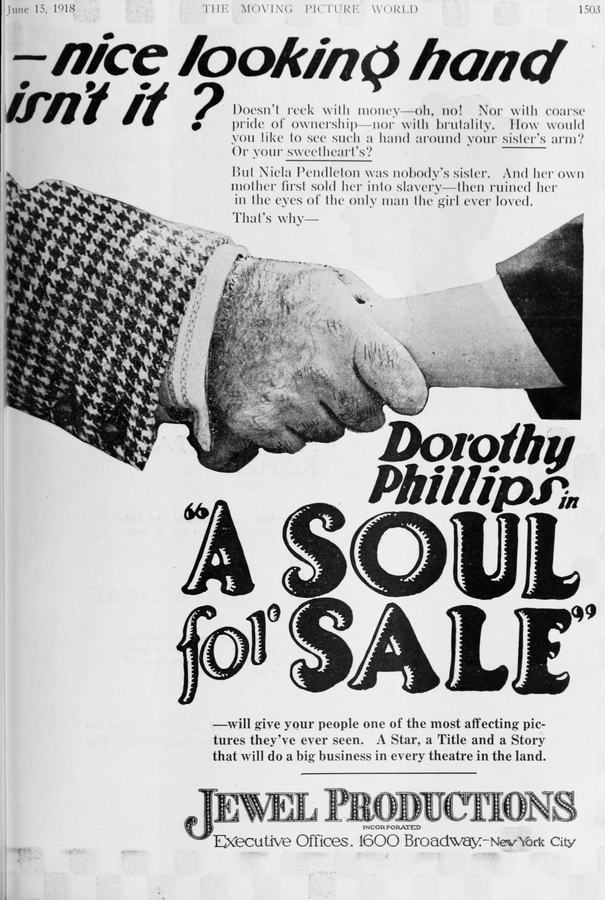
IMDb —
1918
Community
Log in to comment.