DbcultAccessing Vault...
5.6/10
Senior Film Conservator
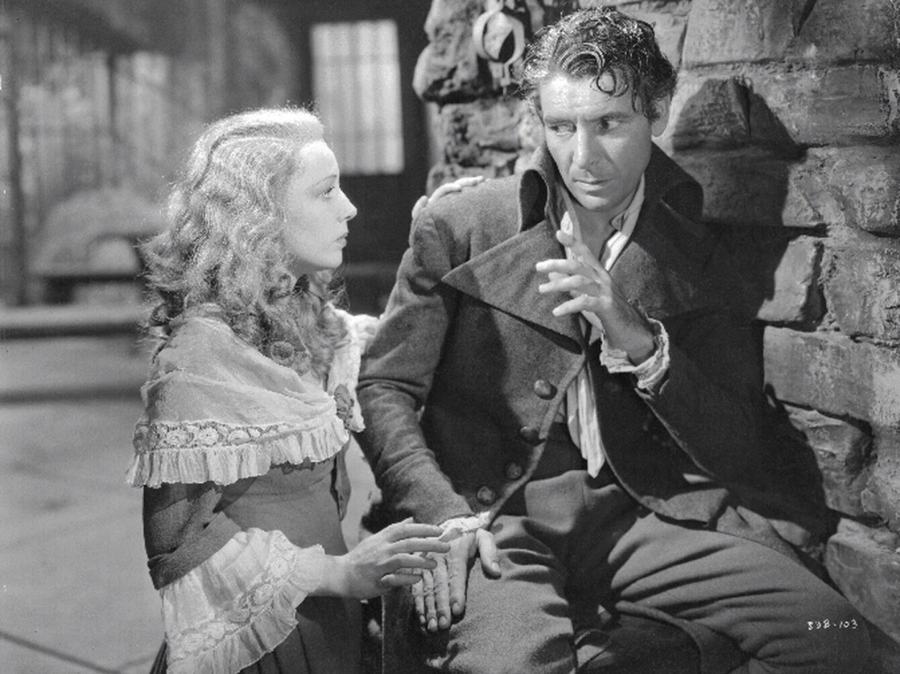
A definitive 5.6/10 rating for a film that redefined the boundaries of cult cinema. The Toilers remains a cornerstone of transgressive art.
Stepping back into the cinematic landscape of 1919, one encounters 'The Toilers,' a film that, despite its century-plus vintage, resonates with a timeless poignancy. It’s a compelling narrative woven from the threads of familial loyalty, societal expectation, and the inexorable pull of progress, all rendered with the expressive grace inherent to the silent era. Directed by a keen eye for human drama and penned by talents including R.C. Sherriff, Victor Hugo, and Eliot Stannard, this feature is more than a historical artifact; it’s a living testament to the power of storytelling before the advent of synchronized sound. The film masterfully captures the dichotomy between a rooted, traditional existence and the burgeoning allure of urban ambition, a conflict that defined a generation on the cusp of profound change. Its simple premise belies a rich tapestry of emotional depth, making it a fascinating study for anyone interested in the foundational narratives of cinema.
At its core, 'The Toilers' is a profound exploration of maternal love and the divergent paths taken by children. We are introduced to a mother, portrayed with quiet strength by Mollie Terraine, whose life is inextricably linked to the rhythm of her seaside community. Her world is defined by the ebb and flow of tides, the toil of the fishing boats, and the unwavering presence of her two sons. Jack, played by John Corrie, embodies the steadfastness of the village. He is the son who embraces his heritage, finds love with a local girl, and eventually bestows upon his mother the ultimate blessing: a grandchild. This narrative thread speaks to the enduring values of continuity, tradition, and the comforting embrace of the familiar. Jack’s journey is one of quiet contentment, a life lived in harmony with his surroundings, mirroring the stability and predictable beauty of the coastal landscape itself. His choices reflect a profound respect for his roots, offering a powerful counterpoint to the restless spirit of his sibling.
However, the narrative takes a sharp turn with Bob, the younger son, brought to life by the emerging talent of Ronald Colman. Bob is a character imbued with a yearning for something beyond the horizon. The quietude of the village, which provides solace for Jack, feels like a cage to Bob. He dreams of a grander existence, a life of commerce and opportunity that he believes only the sprawling metropolis can offer. His decision to leave for London – then, as now, a potent symbol of ambition and moral ambiguity – sets in motion a chain of events that tests the very fabric of family loyalty and personal aspiration. This departure is not merely a physical journey but a symbolic one, representing the universal human desire for self-actualization, even if it means severing ties with the past. The mother's silent agony, her heart torn between the son who stays and the son who ventures into the unknown, forms the emotional anchor of the film. It's a poignant depiction of a parent's struggle to reconcile their children's choices with their own hopes and fears.
London, in 'The Toilers,' is not merely a setting; it is a character unto itself, a 'wicked city' that promises much but exacts a heavy toll. For Bob, it represents the antithesis of his humble beginnings – a place where fortunes are made, and identities are forged anew. This thematic exploration of the city as both a beacon of hope and a den of corruption is a recurring motif in early cinema, mirroring societal anxieties about rapid urbanization. Unlike the clear moral compass of the seaside community, London presents a labyrinth of ethical compromises and temptations. The film subtly critiques the relentless pursuit of material success, contrasting it with the simpler, perhaps purer, values of rural life. This juxtaposition is expertly handled, not through overt condemnation, but through the unfolding consequences of Bob's choices. One might draw parallels to similar narratives in films like The Man from Nowhere, where characters also grapple with the search for identity in new, often unforgiving environments. The urban landscape, with its anonymity and competitive spirit, becomes a crucible for Bob’s character, testing his resolve and challenging his moral framework.
The screenplay, influenced by the profound sensibilities of Victor Hugo (as evidenced by his credit), imbues the narrative with a certain gravitas, even if the direct adaptation is not explicit. Hugo’s thematic preoccupations with social justice, the struggles of the common person, and the corrupting influence of power and ambition find echoes in Bob’s journey. The city, much like the Parisian underworld in Hugo’s works, becomes a stage for both triumph and downfall, a place where individual agency clashes with larger systemic forces. The film, through its visual storytelling, effectively conveys the scale and impersonality of London, using stark contrasts to highlight Bob's isolation amidst the throng. It’s a powerful commentary on the human cost of industrialization and the relentless march of a new societal order.
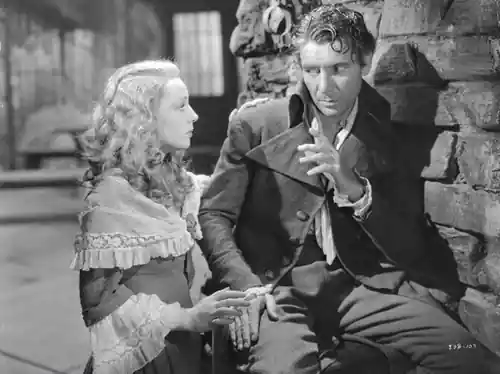
The success of any silent film hinges entirely on the expressiveness of its cast, and 'The Toilers' is particularly fortunate in this regard. Mollie Terraine, as the steadfast mother, delivers a performance rich in understated emotion. Her eyes convey a universe of love, worry, and quiet resilience, making her character instantly relatable and profoundly sympathetic. She is the anchor, the emotional heart of the film, and her portrayal is a masterclass in silent acting, relying on subtle gestures and profound gazes to communicate her inner turmoil. John Corrie's Jack provides a grounding presence, his earnestness and simple joy a comforting constant against the backdrop of his brother's tumultuous path. He represents the ideal of familial devotion, a son who remains true to his roots and his family, providing a stark contrast to the restless ambition of Bob.
But it is Ronald Colman, in one of his earlier roles, who truly captivates as Bob. Even at this nascent stage of his career, Colman possesses an undeniable charisma and a naturalistic acting style that sets him apart. His portrayal of Bob is nuanced, capturing both the character's ambition and his underlying vulnerability. We see the hope in his eyes as he ventures to London, and later, the weariness and disillusionment that the city gradually etches upon him. Colman's ability to convey complex emotions without uttering a single word is remarkable, foreshadowing the distinguished career that lay ahead. His performance is a testament to the power of silent film acting, where every gesture, every facial expression, carries immense narrative weight. The supporting cast, including Gwynne Herbert, Eric Barker, Manora Thew, and George Dewhurst, provides solid contributions, each adding texture to the film's world, whether as concerned villagers or inhabitants of the bustling urban landscape. The collective efforts of the ensemble create a believable and emotionally resonant world, drawing the audience into their struggles and triumphs.
The direction of 'The Toilers' demonstrates a keen understanding of visual storytelling. The filmmakers effectively use the contrast between the expansive, natural beauty of the seaside and the cramped, bustling frames of London to emphasize the narrative's central conflict. Shots of the ocean convey a sense of timelessness and natural order, while the quick cuts and crowded compositions of the city scenes amplify its chaotic energy. The pacing, typical of the era, allows for moments of quiet contemplation alongside dramatic crescendos, ensuring that the emotional beats land with maximum impact. Intertitles are utilized judiciously, providing necessary exposition without overwhelming the visual narrative, a delicate balance that silent filmmakers continually refined. The film’s visual language, though constrained by the technology of the time, is remarkably effective in conveying mood and character. The use of natural light in the rural scenes and the more artificial, sometimes stark, lighting in the cityscapes further underscores the thematic divide.
The writing credits, shared by R.C. Sherriff, Victor Hugo, and Eliot Stannard, suggest a fascinating confluence of literary influences. While Sherriff and Stannard were prolific screenwriters of the era, Hugo's presence hints at the film's deeper thematic ambitions, lending it a literary weight often sought by early cinema aiming for artistic legitimacy. This blend of populist storytelling with underlying philosophical currents is a hallmark of films that aimed to transcend mere entertainment. The narrative structure, while straightforward, allows for complex emotional arcs, particularly for Bob, whose journey from hopeful youth to disillusioned urbanite is meticulously charted. The film's ability to evoke such profound themes without spoken dialogue is a testament to the collaborative genius of its writers and director.
Comparing 'The Toilers' to other films of its time, one can see its place within a broader cinematic movement exploring social realism and the human condition. While not as overtly melodramatic as some contemporary works, it shares a thematic sincerity with films like The Unfortunate Marriage, which also delved into the complexities of domestic life and societal pressures. Its portrayal of the mother's enduring love, for instance, echoes the stoicism seen in characters from films such as The Greatest Gift, where maternal sacrifice is a central theme. The film’s longevity in critical discourse, albeit as a lesser-known gem, speaks to its inherent quality and its relevance as a document of its era's cultural anxieties. It offers a window into the nascent stages of modern societal struggles, framed through the lens of individual family dynamics.
Ultimately, 'The Toilers' stands as a compelling piece of early cinema, a film that, despite its silent nature, speaks volumes about the human spirit. It’s a narrative rich with universal themes: the comfort of tradition versus the lure of the unknown, the strength of familial bonds, and the often-harsh realities of ambition. The film doesn't offer easy answers but rather presents a nuanced look at the choices individuals make and their far-reaching consequences. It celebrates the quiet dignity of those who remain rooted while acknowledging the magnetic pull of new horizons. The performances, particularly from Terraine and a young Colman, are remarkably effective, conveying profound emotional landscapes without the aid of dialogue. This film serves as a poignant reminder of silent cinema's artistic capabilities, proving that truly great storytelling transcends technological limitations. It is a work that merits rediscovery, offering a powerful, evocative glimpse into a bygone era whose struggles and aspirations remarkably mirror our own. It is a testament to the enduring power of classic narratives, demonstrating that the heart of human experience remains unchanged, regardless of the era or the medium through which it is presented.
IMDb 3
1934
Community
Log in to comment.