DbcultAccessing Vault...
Cult Review
Senior Film Conservator
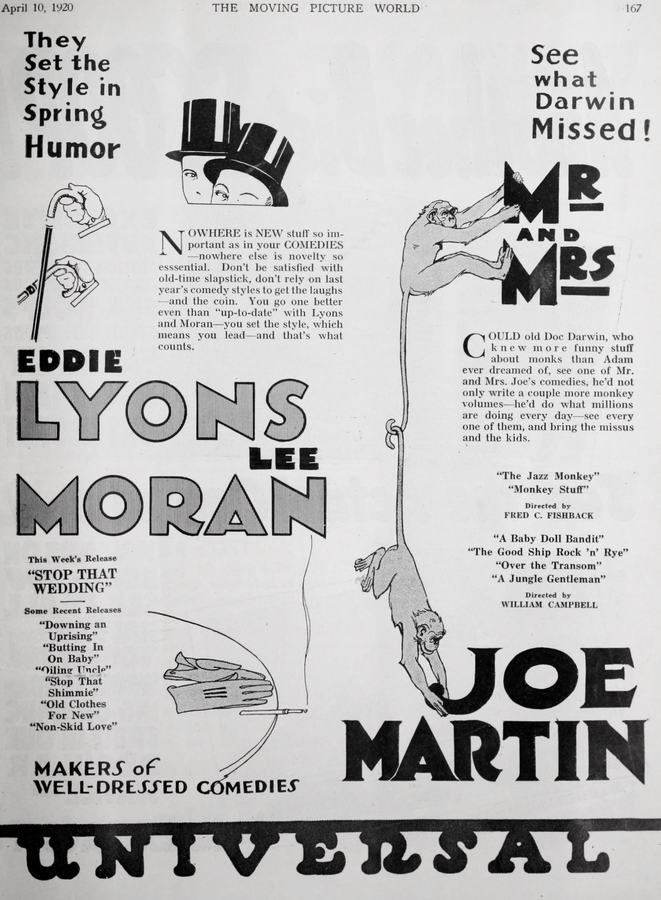
The screen crackles like a fireplace someone has tossed gin onto. Within seconds we are shackled to a premise so thin it could floss teeth, yet so elastic it ricochets through slapstick, melodrama, and something eerily akin to tragedy.
Charlotte Merriam floats down the aisle in a gown stitched from moral ambiguity; Eddie Lyons, groom-elect, sports the rigid smile of a man who suspects the universe is about to invoice him. Enter Lee Moran—eyes swollen with tears that could irrigate vineyards—bellowing objections that echo off the vaulted church like a cathedral gargoyle suddenly granted vocal chords.
What follows is not mere wedding crashing; it is romantic terrorism staged as vaudeville. Moran, who co-wrote the scenario, weaponizes every comic trope the silent era hoarded: cross-dressing, mistaken identity, pratfalls executed with the balletic precision of a Buster Keaton tumble. Yet beneath the custard-pie chassis lurks something raw—an ex-lover’s refusal to be archived.
The film’s tempo is a staccato heartbeat. Each time the ushers fling Lee into the street, he ricochets back disguised anew: a soot-faced chimney sweep, a widow in weeds, even a monk whose hood slips to reveal that unmistakable moon-shaped mug glistening with lunatic determination. Editors intercut his re-entries with ever-shorter intervals, so anxiety mounts like a screw turning in the viewer’s cortex.
Charlotte’s face—photographed in shimmering soft-focus that rivals Garbo’s later mystique—registers not just bemusement but a dawning horror: she is property in a transaction men will bloodily contest. The camera lingers on her eyes, and we glimpse the silent-era’s rare concession to female subjectivity.
Meanwhile Eddie, ostensibly the bridegroom, becomes a pawn bounced between egos. His performance is a masterclass in reactive comedy: brows arching like cathedral buttresses, knees buckling in perfect synchrony with organ crescendos. One gag sees him reciting vows while Lee, hidden inside the pulpit, feeds him absurd malapropisms: “I promise to cherish you like a rare postage stamp and lick you when necessary.”
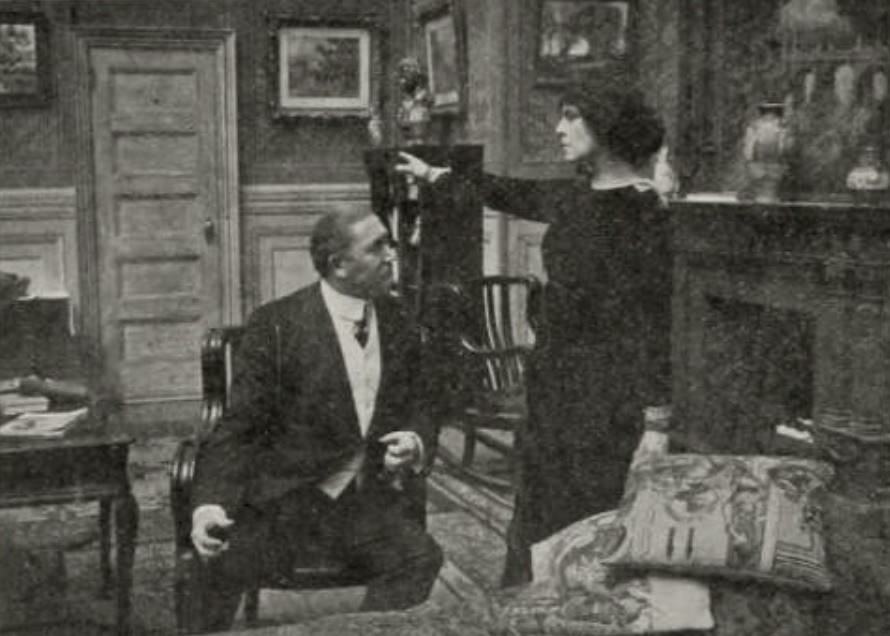
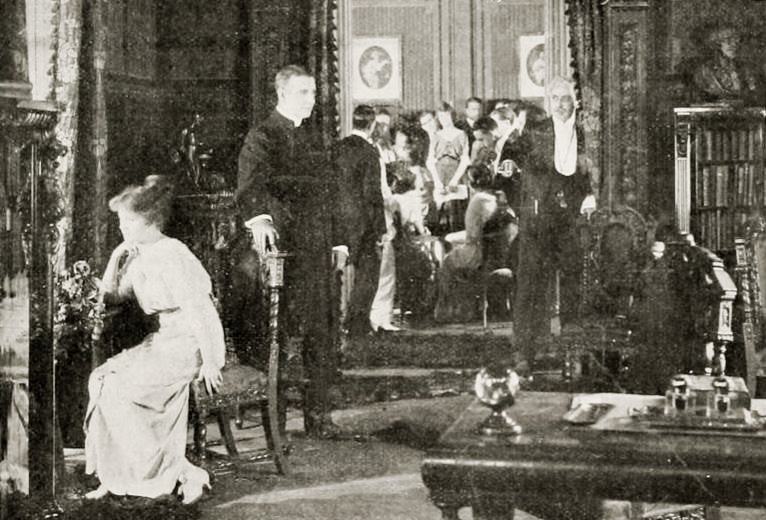
The climax—four shackled souls inside a paddy wagon—plays like an absurdist chamber piece. A clergyman, now deputized by the state, marries the couple while Lee, pressed against the iron grille, sobs a silent aria of defeat. The camera dollies back, revealing the wagon trundling through a city indifferent to heartbreak, its cobblestones glistening after rain like rows of black piano keys.
Cinematographer Frank Zucker bathes interiors in chiaroscuro that would make Expressionists envious. Candles flare, shadows yawn, and every tear bead on Moran’s cheek gleams like a tiny planet. Exterior shots exploit depth: when Lee is hurled down the chapel steps, the camera frames him against a horizon of gawking street urchins, wedding guests, and a stray dog that might as well be the chorus in a Greek play.
Intertitles—often a weak link in silent comedies—here crackle with linguistic mischief. One card reads: “He loved her so hard the verb refused to stay transitive.” Such flourishes betray the writers’ vaudeville pedigree; they know a punchline must sing, not merely inform.
Lee Moran is the film’s combustion engine, equal parts Pagliacci and paper shredder. Watch how he modulates from sobbing sackcloth to rubber-limbed contortionist without narrative warning; the transition itself is the joke. Charlotte Merriam counterbalances with doe-eyed restraint, letting the chaos orbit her stillness. Eddie Lyons, often dismissed as a second-tier Chaplin, reveals timing so surgical it could dissect a heartbeat.
No sonic accompaniment survives, but the film’s rhythm practically begs for a live score. Modern audiences often project jangly piano, yet the editing cadence suggests something closer to a string quartet tuning itself while the Titanic lists. Each cut is a downbeat, each iris-in a caesura inviting the viewer to exhale.
If you crave more marital mayhem, chase it with Honeymooning, where newlyweds discover connubial bliss is just code for shared delirium. For darker aftertaste, try The Scarlet Road, a melodrama that treats wedlock as original sin. And should you desire Prohibition-era inebriated antics, Drankersken sloshes through matrimonial chaos soaked in gin and regret.
Today Stop That Wedding languishes in public-domain purgatory, digitized from a 16 mm print that looks like it survived trench warfare. Yet its DNA survives in everything from The Graduate’s altar-storming finale to every Rom-Com where a sprint down the aisle substitutes for emotional growth. The film’s thesis—that love is less affection than acquisition—feels almost Twitter-era cynical.
Cinephiles hunting pre-code anarchy will find here a blueprint: rules exist to be vivisected in real time. Moran and Lyons understood that if you can’t halt the ceremony, you can at least make the congregation question why they cheer for possessive romance.
So queue it up on some midnight when your own heart feels like a church you’ve been dragged into against your will. Let Lee Moran’s tear-slicked mug remind you that rejection, like cinema, is forever seeking a bigger screen. And when the paddy-wagon door clangs shut, you may find yourself laughing through an existential shiver—proof that a 1924 one-reeler can still stop your own private wedding to complacency.
IMDb —
1916
Community
Log in to comment.