DbcultAccessing Vault...
Cult Review
Senior Film Conservator
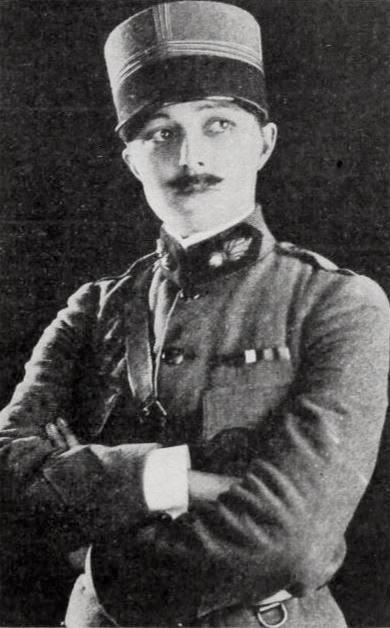
Step back in time, dear reader, to an era where flickering shadows on a silver screen conveyed tales of grand adventure, profound emotion, and societal upheaval. The year is 1920, and the world is still reeling from the Great War, its echoes reverberating through every facet of life and art. It is in this tumultuous landscape that 'The Daredevil' emerges, a film that, even a century later, feels remarkably audacious in its thematic ambition and narrative daring. This isn't merely a silent film; it's a vibrant tapestry woven with threads of personal tragedy, gender subterfuge, high-stakes espionage, and a romantic entanglement so fraught with dramatic irony it practically crackles off the screen. Penned by the imaginative duo J. Clarkson Miller and Maria Thompson Davies, this cinematic gem demands a closer look, not just for its historical significance but for its surprisingly modern sensibility.
The narrative's genesis is rooted in profound loss. Roberta Carruthers, portrayed with an earnest intensity by Corene Uzzell, finds her world irrevocably altered by the death of her father, Captain Carruthers, on the French front. This initial tragedy, a common enough motif in post-war storytelling, quickly morphs into something far more intriguing. Upon her arrival in the United States, Roberta discovers a peculiar predicament: her uncle, her only living relative, harbors the steadfast belief that his brother had a son, not a daughter. This isn't merely a misunderstanding; it's a deeply ingrained expectation that threatens Roberta's very place in her new home. What follows is not an act of desperation, but one of calculated courage. Roberta makes a choice that would redefine her existence: she adopts the masculine persona of 'Bob'.
This transformation is more than just donning trousers and shortening her hair; it's a complete immersion into a different social role, a performance of identity that must be utterly convincing. For an audience in 1920, accustomed to rigid gender roles, this would have been a profoundly captivating, perhaps even scandalous, premise. Corene Uzzell’s performance, stripped of dialogue, relies entirely on physical presence, gesture, and expression to convey both Roberta’s feminine grace and Bob’s masculine resolve. One can only imagine the subtle shifts in posture, the determined gaze, the confident stride she would have had to master. This theme of gender disguise, while a classic trope in literature and theater (think Shakespeare's Rosalind or Viola), takes on a particularly urgent dimension in 'The Daredevil'. Unlike purely romantic masquerades, Roberta's disguise is born of necessity and quickly becomes intertwined with national security, elevating it beyond mere comedic misunderstanding.
The plot, skillfully crafted by Miller and Davies, doesn't linger long on the domestic deception. Instead, it propels 'Bob' into the very heart of wartime intrigue. As a translator for Governor William Faulkner (portrayed with suitable gravitas by Walter Dowling), 'Bob' is positioned perfectly to uncover a dangerous network of German spies. This aspect of the film places it firmly within the burgeoning spy thriller genre, a popular form of entertainment during and after the Great War, reflecting contemporary anxieties about infiltration and betrayal. Films like The Enemy Within from a few years prior also capitalized on this fear, but 'The Daredevil' adds a fascinating layer by making its central operative a woman in disguise.
'Bob's' role as a translator is particularly clever. It legitimizes her presence in confidential settings and leverages her intellect, rather than brute force, as her primary weapon. This portrayal of a female character (even if disguised) as intelligent, resourceful, and pivotal to national security was progressive for its time. It quietly asserts that a woman's mind is as capable, if not more so, than a man's in critical situations. The suspense of these espionage sequences, conveyed through visual cues, tense intertitles, and the performances of the supporting cast like Norman Trevor and Duncan McRae, would have kept audiences on the edge of their seats. The film effectively builds tension as 'Bob' meticulously uncovers the German plot, placing herself in increasing peril while maintaining her carefully constructed façade.
But what truly elevates 'The Daredevil' beyond a simple spy thriller or a comedic gender-bender is the exquisitely painful romantic entanglement that unfolds. Governor Faulkner, completely unaware of 'Bob's' true identity, encounters 'Roberta' as a woman—and falls deeply in love. This is where the film's dramatic irony reaches its zenith. The man who trusts 'Bob' implicitly, who relies on 'him' for crucial state affairs, is simultaneously smitten by the very woman 'Bob' is. The tension inherent in this situation is palpable. How does Roberta navigate these two personas, each demanding a different emotional response from Faulkner? How does she reconcile her duty to her family and country with the burgeoning feelings that might arise from Faulkner's affections?
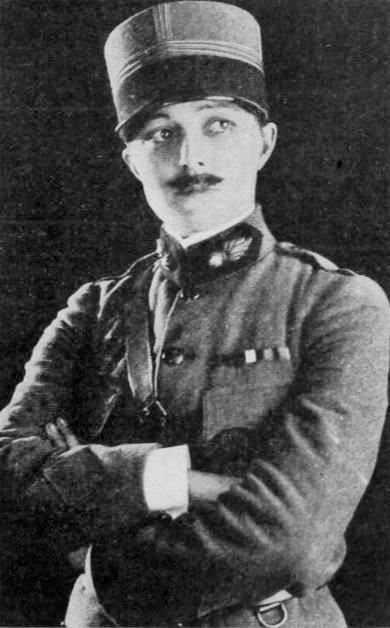
The screenplay by Miller and Davies handles this delicate balance with considerable finesse. Corene Uzzell's challenge would have been immense, conveying the internal conflict of a woman torn between her two selves, experiencing love from a man who knows only half of her truth. Walter Dowling, as Governor Faulkner, must portray a man of authority and intelligence, yet utterly blind to the most significant deception unfolding right under his nose. His performance requires a subtle portrayal of growing affection and eventual confusion as the lines between 'Bob' and 'Roberta' inevitably begin to blur. This romantic subplot adds a profound emotional depth to the espionage narrative, turning what could have been a straightforward adventure into a nuanced exploration of identity, love, and the consequences of concealed truth. For audiences of the era, the melodrama inherent in such a setup would have been highly engaging, perhaps even more so than the spy plot itself, echoing the emotional complexities found in films like Molchi, grust... molchi, which often explored hidden sorrow and unrequited love.
Analyzing 'The Daredevil' also means appreciating the unique artistry of silent cinema. Without spoken dialogue, the burden of storytelling falls squarely on visual cues: the actors' expressions, body language, costumes, set design, and the judicious use of intertitles. The film's success hinges on its ability to communicate Roberta's inner turmoil and the external dangers she faces through purely visual means. The direction, though uncredited, must have been meticulous in guiding Uzzell's performance, ensuring that her portrayal of 'Bob' was distinctly different from 'Roberta' while still hinting at the underlying continuity of character. The pacing would have been crucial, alternating between the brisk excitement of the spy plot and the more tender, contemplative moments of the romance.
The screenplay by J. Clarkson Miller and Maria Thompson Davies demonstrates a keen understanding of silent film's strengths. They craft a narrative that is inherently visual, full of opportunities for dramatic reveals, tense confrontations, and heartfelt glances. The progression from Roberta's grief to her audacious disguise, then to her heroic actions as 'Bob,' and finally to the emotional quagmire of her dual identity, is exceptionally well-structured. The supporting cast, including Gail Kane, Mildred Marsh, and Henry Sedley, would have played their parts in creating a believable world for Roberta's drama to unfold, their reactions and interactions serving to amplify the central conflict. The film likely employed common silent era techniques such as close-ups for emotional emphasis and long shots to establish setting, much like other productions of the period such as The Girl in the Checkered Coat.
While the gender disguise is undeniably a central 'gimmick,' 'The Daredevil' transcends mere novelty to explore deeper themes. It speaks to the resilience of the human spirit in the face of adversity, the lengths to which individuals will go for family and country, and the often-fluid nature of identity. Roberta's transformation isn't just a plot device; it's a commentary on societal expectations and the restrictive boxes often placed around women. By assuming a male persona, she gains access to power, influence, and agency that would have been denied to her as a woman in that era. This subtly challenges the patriarchal norms of the time, even if the film ultimately resolves with a more conventional romantic conclusion.
The film also touches upon themes of patriotism and the hidden dangers of wartime. The German spy plot, while perhaps simplistic by modern standards, would have resonated deeply with a post-WWI audience still grappling with the psychological scars of conflict and the lingering distrust of foreign elements. It serves as a reminder of a time when the lines between friend and foe felt stark and immediate. Comparisons to other wartime narratives, like Somewhere in France, highlight the pervasive influence of the war on popular culture and the various ways filmmakers sought to address its impact, from direct combat to the homefront's hidden battles.
In conclusion, 'The Daredevil' is far more than a historical curiosity. It is a testament to the ingenuity of early filmmakers and storytellers. Its blend of melodrama, espionage, and gender exploration creates a compelling narrative that holds up surprisingly well. Corene Uzzell's demanding dual role as Roberta/Bob, supported by the solid performances of Walter Dowling and Norman Trevor, would have been central to its appeal. The film's writers, J. Clarkson Miller and Maria Thompson Davies, crafted a script that was intricate, emotionally resonant, and visually dynamic, pushing the boundaries of what silent cinema could achieve.
It reminds us that even in an era without synchronized sound or advanced special effects, cinema possessed an incredible power to transport, to thrill, and to provoke thought. The audacious premise of a woman who literally steps into a man's shoes to save her family and country, only to find herself entangled in a poignant romance with the very man she serves, speaks volumes about the timeless appeal of complex characters and high-stakes drama. For aficionados of silent film, or anyone interested in the evolution of cinematic storytelling and gender representation, 'The Daredevil' is an essential viewing experience, a vibrant piece of cinematic history that continues to resonate with its daring spirit and intricate narrative.
IMDb 6.7
1917
Community
Log in to comment.