DbcultAccessing Vault...
4.6/10
Senior Film Conservator
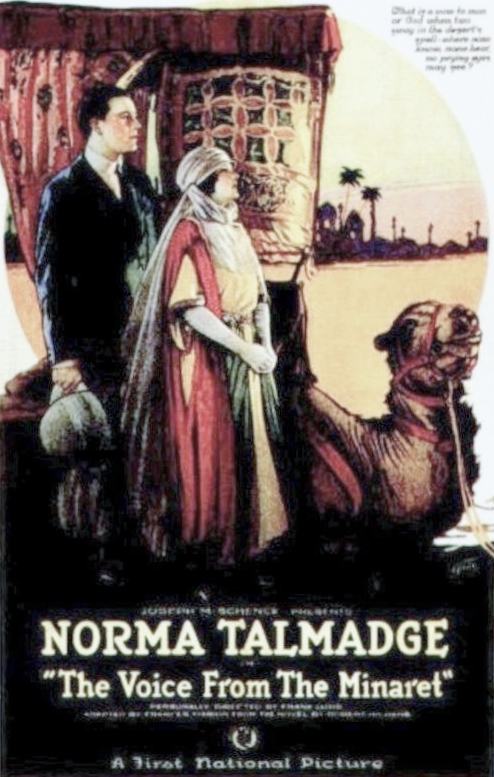
A definitive 4.6/10 rating for a film that redefined the boundaries of cult cinema. The Voice from the Minaret remains a cornerstone of transgressive art.
In the grand tapestry of silent cinema, where emotions were writ large across the screen and human drama unfolded with an almost operatic intensity, certain films stand as enduring monuments to the era's artistry. Among these, the 1923 production, 'The Voice from the Minaret', emerges not merely as a historical artifact but as a deeply resonant exploration of love, duty, and spiritual awakening. Directed with a keen eye for psychological nuance and boasting a stellar performance from the incomparable Norma Talmadge, this cinematic endeavor transcends its origins to speak to universal human experiences, even a century after its initial release. It is a film that demands a contemporary re-evaluation, not just for its historical significance, but for its compelling narrative and the profound questions it poses about the nature of commitment and the yearning for genuine connection.
The narrative commences in the exotic, yet often oppressive, atmosphere of a British Indian province, a setting that immediately establishes a sense of alienation and cultural tension. Here we are introduced to Lord Carlyle, portrayed with a chilling austerity by Winter Hall, the province's governor. Carlyle is a figure of unyielding authority, a man whose ruthlessness is as pronounced as his position of power. His attraction to Adrienne, brought to life with exquisite vulnerability by Norma Talmadge, is purely aesthetic, a desire to possess rather than to cherish. He makes her his wife, binding her in a union devoid of genuine affection, a gilded cage rather than a sanctuary. Adrienne's plight is immediately palpable; she is a woman trapped, her spirit stifled by a marriage of convenience and societal expectation. This initial setup is crucial, painting a vivid picture of the constraints placed upon women in that era, particularly within the rigid structures of colonial society. Her internal struggle, though conveyed without dialogue, is powerfully articulated through Talmadge's expressive facial work and subtle gestures, a testament to the silent film actor's unique craft. The film doesn't shy away from depicting the stark realities of such unions, where personal happiness often took a backseat to status and propriety.
Simultaneously, the film introduces Andrew Fabian, played by Eugene O'Brien, a character whose spiritual aspirations stand in stark contrast to Carlyle's worldly cynicism. Fabian is a man of faith, studying for the ministry, and his arrival in India signals the impending clash between secular power and spiritual yearning. The juxtaposition of these two male figures – one representing a harsh, material reality, the other an idealistic, spiritual path – sets the thematic groundwork for Adrienne's eventual journey of self-discovery. The screenplay, penned by Frances Marion from Robert Hichens' work, masterfully weaves these threads, creating a rich psychological landscape for its characters to navigate. This early segment of the film, while establishing the central conflict, also subtly critiques the colonial mindset, where even personal relationships become extensions of power dynamics. It's a world where true emotional connection is rare, and superficiality often reigns supreme.
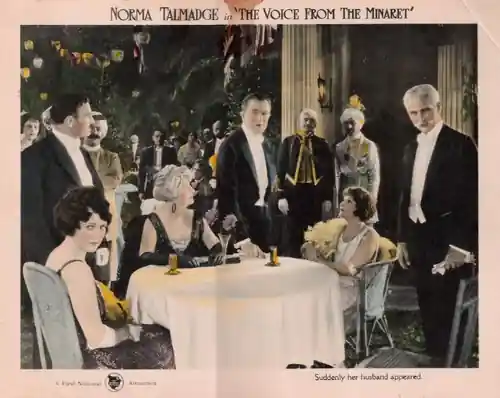
Adrienne's breaking point arrives with the discovery of Carlyle's infidelity, a scene that, while perhaps melodramatic by modern standards, effectively conveys her profound disillusionment. This betrayal is not merely an emotional wound; it shatters the last vestiges of any illusion she might have held about her marriage. Her subsequent departure is not an act of impulsive rebellion but a desperate bid for freedom, a flight from a life that has become unbearable. It is in this moment of vulnerability and uncertainty that fate intervenes. Aboard a ship destined for distant shores, she encounters Andrew Fabian once more. Their meeting is serendipitous, yet feels divinely orchestrated, offering Adrienne a glimpse of a different path, one guided by spiritual introspection rather than societal constraint. Fabian, with his gentle demeanor and earnest conviction, persuades her to join a pilgrimage to Damascus, a city steeped in religious history and spiritual significance. This journey marks a pivotal turning point, transforming Adrienne's flight from a mere escape into a quest for meaning and self-actualization.
The Damascus sequence is arguably the heart of the film, both visually and emotionally. It is here, amidst ancient architecture and the palpable sense of devotion, that Adrienne and Fabian's connection deepens. Their burgeoning love is not born of fleeting passion but of shared spiritual experience and mutual respect. It's a love that feels earned, forged in the crucible of shared vulnerability and a quest for something transcendent. The direction here is particularly adept at conveying the spiritual awakening that parallels their romantic awakening. The visual grandeur of Damascus, even in black and white, serves as a powerful backdrop for their emotional and spiritual transformation. Norma Talmadge's portrayal of Adrienne during this phase is particularly compelling, showing a gradual shedding of her former resignation and the blossoming of a newfound hope and vitality. Eugene O'Brien, as Fabian, complements her perfectly, exuding a quiet strength and unwavering moral compass. Their chemistry is understated yet undeniable, conveying a profound intimacy that transcends mere physical attraction.
However, the idyll in Damascus cannot last. The very title of the film, 'The Voice from the Minaret', signifies the inescapable pull of duty and the world beyond their sacred bubble. This symbolic 'voice' serves as a stark reminder of Adrienne's marital obligations and the societal expectations that still bind her. It's a call back to reality, forcing her to confront the difficult choice between personal happiness and perceived duty. Her decision to return to Carlyle is agonizing, a sacrifice of profound personal magnitude. This dramatic turn is a hallmark of the melodramatic genre, yet here it is handled with a sensitivity that prevents it from descending into mere contrivance. It speaks to the deeply ingrained sense of moral obligation prevalent in the era, where one's word and marital vows, even if made under duress, carried immense weight. The return to her husband, and subsequently to England, is a poignant reversal, a retreat from the spiritual freedom she had briefly tasted.

Fabian, too, embarks on a path of duty, albeit one that aligns with his original calling. He becomes a minister in a London church, dedicating himself to his spiritual vocation. This separation, while painful, underscores the film's exploration of sacrifice and the idea that true love might necessitate periods of individual growth and adherence to one's moral compass. The narrative’s structure, with its alternating periods of proximity and separation, heightens the emotional stakes, making their eventual reunion all the more impactful. The film here delves into the complexities of human relationships, suggesting that love is not always a straightforward path but often a labyrinth of compromises and difficult choices. It echoes themes found in other significant melodramas of the era, such as Odette, where characters often grapple with the overwhelming weight of societal constraints and personal sacrifice in the pursuit of happiness. Both films showcase the profound internal conflict faced by women caught between their desires and the rigid expectations of their time.
The urban landscape of London provides a stark contrast to the spiritual grandeur of Damascus. Here, in the bustling anonymity of the city, Adrienne and Fabian's paths inevitably cross again. Their reunion is charged with unspoken emotion, a quiet acknowledgment of the love that still burns between them, despite the years and the intervening circumstances. Lord Carlyle, however, remains a formidable presence, his suspicious nature undiminished. His character, though largely unsympathetic, serves a crucial narrative function, representing the societal forces that seek to control and constrain individual desires. His orchestrating of a 'ruse' to uncover the truth of their relationship is a classic melodramatic device, designed to heighten tension and push the characters to their emotional limits. The scene where he learns the truth is fraught with suspense, building to a dramatic climax that feels both inevitable and profoundly impactful.
Just as Carlyle is poised to unleash his wrath and publicly denounce Fabian, fate intervenes in a most dramatic fashion. An attack of an 'old malady' claims his life, a sudden, almost deus ex machina resolution that, while convenient, serves the narrative's thematic purpose. This sudden demise of the antagonist frees the lovers from their seemingly insurmountable predicament, allowing them to finally find happiness. While some might critique this ending as overly convenient, it aligns perfectly with the sensibilities of silent era melodrama, where poetic justice often played a significant role. It signifies the triumph of genuine love and spiritual connection over the forces of oppression and societal convention. The film's resolution, though swift, provides a satisfying emotional catharsis, allowing the audience to witness the hard-won peace of Adrienne and Fabian.
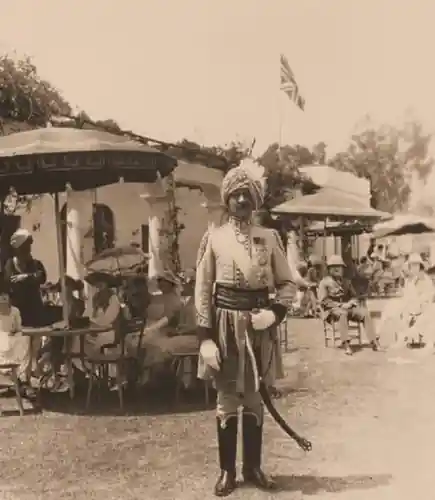
Norma Talmadge's performance as Adrienne is, without question, the film's beating heart. Her ability to convey a vast spectrum of emotions—from the quiet despair of her early marriage to the burgeoning hope of her spiritual journey and the profound love for Fabian—with just her eyes and subtle body language is nothing short of masterful. She embodies the archetype of the suffering heroine, yet imbues Adrienne with a resilience and inner strength that elevates her beyond a mere victim of circumstance. Talmadge was a titan of the silent screen, and 'The Voice from the Minaret' showcases her at the zenith of her powers, demonstrating why she commanded such immense popularity and critical acclaim. Her nuanced portrayal of a woman torn between duty and desire is a powerful testament to her acting prowess, rivaling her profound emotional depth seen in films like The Luring Lights, where she also navigated complex romantic entanglements with compelling grace.
Eugene O'Brien, as Andrew Fabian, provides a strong, empathetic counterpoint to Talmadge's intense portrayal. His character's quiet strength and moral conviction are conveyed with an understated sincerity that makes him a believable and appealing romantic lead. The chemistry between Talmadge and O'Brien is palpable, a silent dialogue of longing and understanding that forms the emotional core of the film. Winter Hall's Lord Carlyle, while a more archetypal villain, is effective in his cold, calculating demeanor, providing the necessary antagonistic force for the narrative. The supporting cast, including Claire Du Brey and Lillian Lawrence, contribute to the film's rich texture, though their roles are primarily to support the central drama.
Frances Marion's screenplay, adapted from Robert Hichens' novel, is a marvel of economical storytelling, characteristic of the era. It manages to convey complex emotional arcs and thematic depth within the structural constraints of silent film. Marion was one of the most prolific and respected screenwriters of her time, and her work here exemplifies her skill in crafting compelling narratives that resonated deeply with audiences. The direction, while not overtly flashy, is effective in its ability to focus on the emotional beats of the story, allowing the performances to shine and the symbolism to resonate. The use of visual metaphors, particularly the 'voice from the minaret' itself, is handled with grace and impact, elevating the film beyond a simple romance to a contemplation of spiritual and moral choices.
In an era dominated by melodramas and grand romantic gestures, 'The Voice from the Minaret' distinguishes itself through its earnest exploration of profound themes. It is a film that grapples with the conflict between societal duty and individual desire, the search for spiritual meaning, and the redemptive power of true love. The journey of Adrienne, from a woman stifled by an unloving marriage to one who finds spiritual awakening and genuine connection, is a powerful narrative arc that continues to resonate. The film doesn't offer easy answers but rather explores the complex choices individuals face when confronted with conflicting loyalties and desires. It's a testament to the enduring power of silent cinema that such intricate emotional landscapes could be so vividly painted without a single spoken word.
The film also offers a fascinating glimpse into the cultural anxieties and moral frameworks of the 1920s. The emphasis on spiritual pilgrimage, the strictures of marriage, and the dramatic consequences of infidelity all reflect the societal values of the time. Yet, beneath these period-specific elements lies a universal story of human longing and the quest for authenticity. For fans of silent film, particularly those who appreciate the nuanced performances of stars like Norma Talmadge, 'The Voice from the Minaret' is an essential viewing experience. It is a reminder of the artistic sophistication and emotional depth that characterized the golden age of silent cinema, a period too often dismissed as merely quaint. It stands proudly alongside other compelling dramas of its time, such as The Woman Suffers, in its powerful depiction of a woman's struggle against patriarchal constraints and for personal liberation. The film’s lasting impact lies not just in its dramatic narrative but in its subtle yet powerful commentary on the human spirit's relentless pursuit of freedom and love, even when faced with seemingly insurmountable obstacles. It’s a compelling journey that continues to resonate with audiences, inviting contemplation on the choices we make and the true meaning of commitment.
IMDb 5.9
1934
Community
Log in to comment.