DbcultAccessing Vault...
4.5/10
Senior Film Conservator
A definitive 4.5/10 rating for a film that redefined the boundaries of cult cinema. The Voice of Hollywood remains a cornerstone of transgressive art.
Alright, so if you're thinking of settling in for The Voice of Hollywood, you should know what you're getting into. Is it worth watching today? Well, if you're a real film history buff or just super curious about how movies used to be made, then yes, there's definitely something here for you. But if you’re looking for a fast-paced drama or, heaven forbid, anything resembling an action sequence, you'll probably want to give this one a wide berth. It's a very specific taste. 🧐
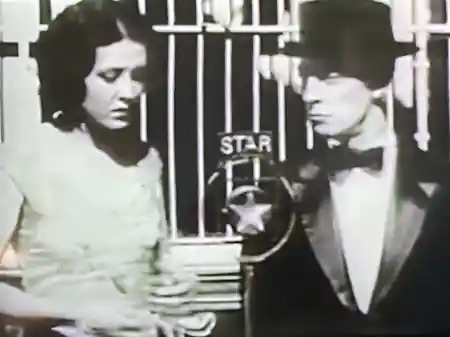
The film tries to show us the absolute chaos when sound first hit Hollywood. It's not really a plot with big twists, more like a collection of moments from this *wild* transition period. You get a lot of recreated scenes mixed in with old, actual footage, which sometimes blends, and sometimes just feels a bit… stitched together.
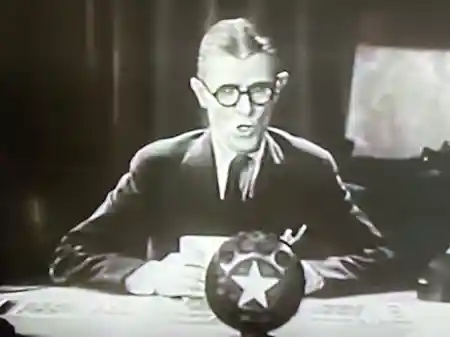
One thing that really sticks with you is just how **bulky** everything looked. I mean, the microphones! They weren't those tiny things we have now. These were like small cannons, hanging precariously over the actors. You can almost feel the weight of them, and the tension of everyone trying not to bump into them. It’s a genuine struggle.
And the camera booths, my goodness. They had to lock the cameras in these soundproof boxes so the whirring wouldn't be picked up. This meant *no* camera movement for ages. The shots are so static, so *stiff*. You really feel the claustrophobia of those early sets. It’s like watching a stage play, but through a keyhole. 🔑
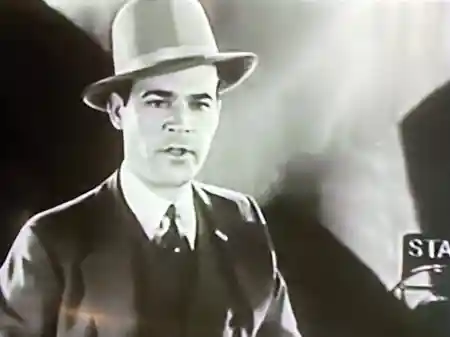
There's this one scene, it's pretty early on, where an actress named Lila Vance is trying to deliver a simple line. But her silk dress keeps rustling. The mic picks up *everything*. They reshoot it. And reshoot it. Like, at least ten times. You can almost hear the director, Mr. Thorne, sighing off-screen every time. It just drags on, showing the sheer frustration of it all. It’s **exhausting** to watch, honestly, which I guess is the point.
The voices of some of these actors, too. You see these grand, expressive silent film stars, and then they open their mouths and… well, some of them just sounded like they were gargling gravel. Or squeaking like mice. It's kind of heartbreaking to think how many careers just *ended* because their voice wasn't "right" for sound. The film doesn't harp on it, but you feel it.
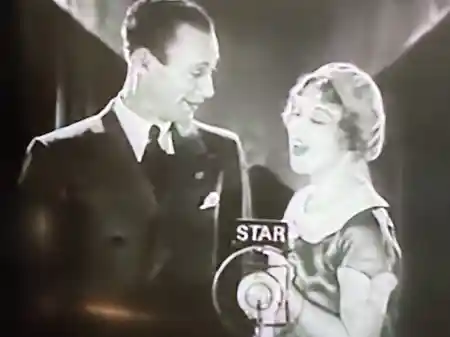
The pacing itself sometimes feels as *stilted* as those early sound films. It’s almost meta, in a way. You’re waiting for something to really kick off, but it just keeps showing you another example of technical difficulty. Not every observation needs a big analysis, sometimes it's just 'this is how it was.'
They do a good job of showing the makeshift solutions, though. Like, hiding microphones in flower pots, or behind furniture. It looks so charmingly clumsy now. But back then, it was groundbreaking problem-solving. It makes you appreciate the ingenuity, even if the results were often… less than perfect.
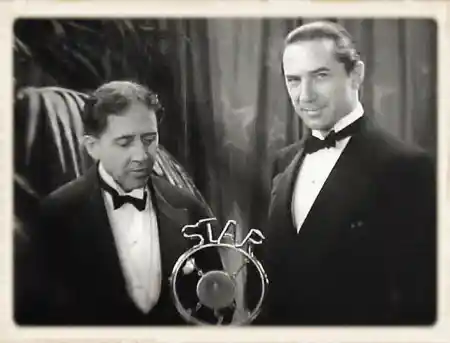
Some of the archival footage is truly gold. Seeing actual clips of early sound tests, or newsreels from the period, is genuinely fascinating. You get a glimpse of the *real* people caught up in this. Other times, the old clips feel a bit like filler. Like they just needed to stretch a segment out. It’s uneven.
The film doesn't try to make heroes out of anyone. It just presents the grind. Mr. Thorne, the fictional director, is always looking harried, chewing on his cigar, but he's not some grand visionary. He's just a guy trying to get a job done in a rapidly changing world. You get the sense that everyone was just flying by the seat of their pants, hoping it would all work out. And sometimes, it really didn't. 😬
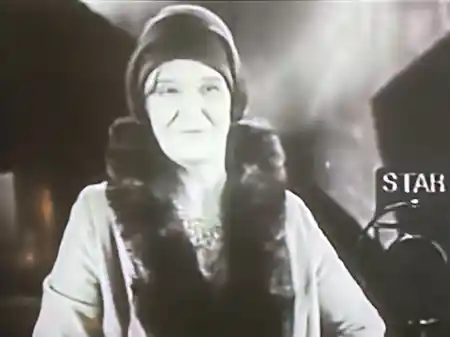
The lack of a traditional score in many of the re-enactment scenes is also noticeable. It mirrors the early talkies, where music often wasn't integrated well. The silence can be **deafening**, making some scenes feel strangely empty rather than dramatic. It’s an interesting choice, even if it sometimes makes the viewing experience a bit dry.
Honestly, it's not a film you'll be raving about to all your friends. It’s more of a quiet, educational piece. You watch it, you learn a few things, you appreciate how far film technology has come. Then you probably won't think about it again until someone mentions a really old movie. It just kind of… *is*. No grand statements, no big emotional swells. Just history, laid out plain. It stops more than it ends, leaving you to ponder the immense shift.
IMDb —
1922
Community
Log in to comment.