DbcultAccessing Vault...
5.4/10
Senior Film Conservator
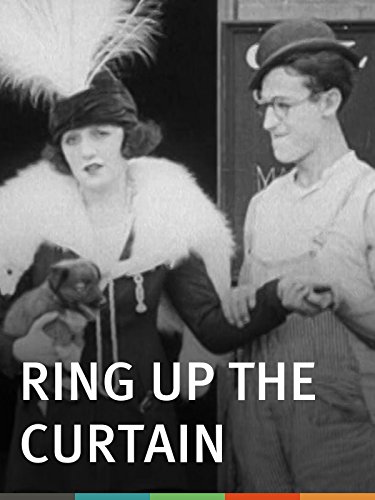
A definitive 5.4/10 rating for a film that redefined the boundaries of cult cinema. Ring Up the Curtain remains a cornerstone of transgressive art.
Stepping back into the nascent days of cinematic comedy, Fred C. Newmeyer's Ring Up the Curtain emerges as a delightful, if often overlooked, artifact from Harold Lloyd's formative years. Released in 1919, this short film, like many of Lloyd's early works, serves as a crucial stepping stone in the development of his iconic 'Glasses Character' – the earnest, ambitious, and perpetually optimistic young man who would soon become one of the most recognizable figures in silent cinema. It's a testament to the era's rapid evolution of storytelling and comedic technique, demonstrating Lloyd's burgeoning mastery of physical humor and relatable character portrayal.
The premise is deceptively simple, yet ripe for comedic exploration: a humble stagehand, Harold, finds himself utterly smitten with the dazzling leading lady of a visiting theatrical troupe. This classic scenario of the underdog yearning for the unattainable star provides a rich tapestry for Lloyd's brand of gentle, yet persistent, comedy. It’s a narrative trope that resonates across generations, depicting the universal longing for connection and the often-hilarious lengths to which one might go to impress an object of affection. The film captures the essence of early 20th-century entertainment, where the magic of the stage held a singular allure, and the lives of those behind the curtain were often as dramatic as the performances themselves.
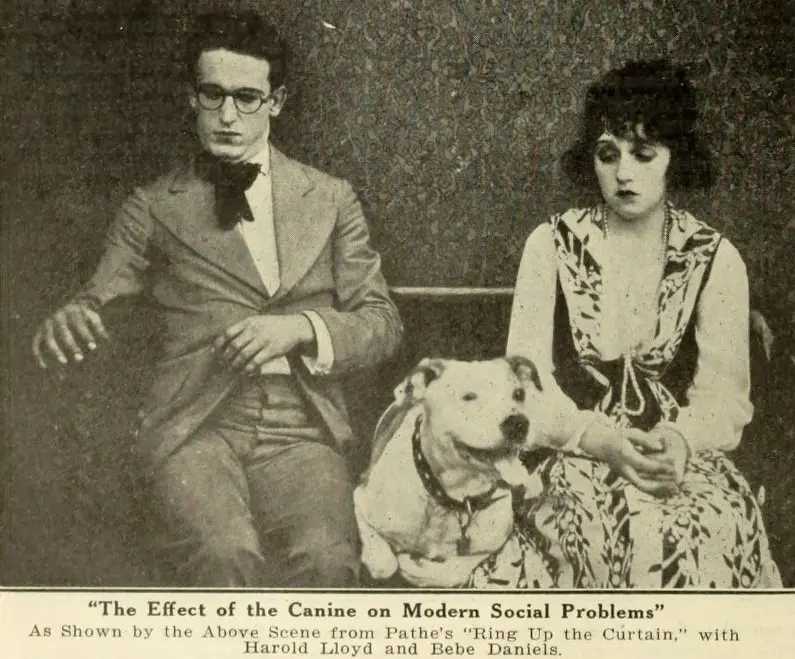
Harold Lloyd, even in these nascent stages of his career, possessed an unparalleled ability to convey complex emotions through subtle gestures and expressions. His Harold in Ring Up the Curtain is not merely a caricature; he is a fully realized character, brimming with a naive charm and a boundless, if sometimes bumbling, enthusiasm. We see the spark of infatuation ignite in his eyes as he gazes upon the leading lady, played with a captivating elegance by Bebe Daniels, whose on-screen chemistry with Lloyd was a significant draw in their collaborations. Her performance, even in a supporting role, lends credibility to Harold's ardent pursuit, portraying her as a figure of genuine glamour and desirability.
The film masterfully contrasts Harold’s mundane, often gritty, backstage world with the glittering illusion of the stage. This juxtaposition is not just visual; it’s thematic. It speaks to the aspiration of the common man, the desire to rise above one's station, and the intoxicating power of art to inspire dreams. Harold’s attempts to impress his beloved often go awry, leading to a series of escalating comedic mishaps that are characteristic of Lloyd's style. These aren't cruel jokes; they're the relatable blunders of a well-meaning individual whose heart is perhaps a little too big for his circumstances.
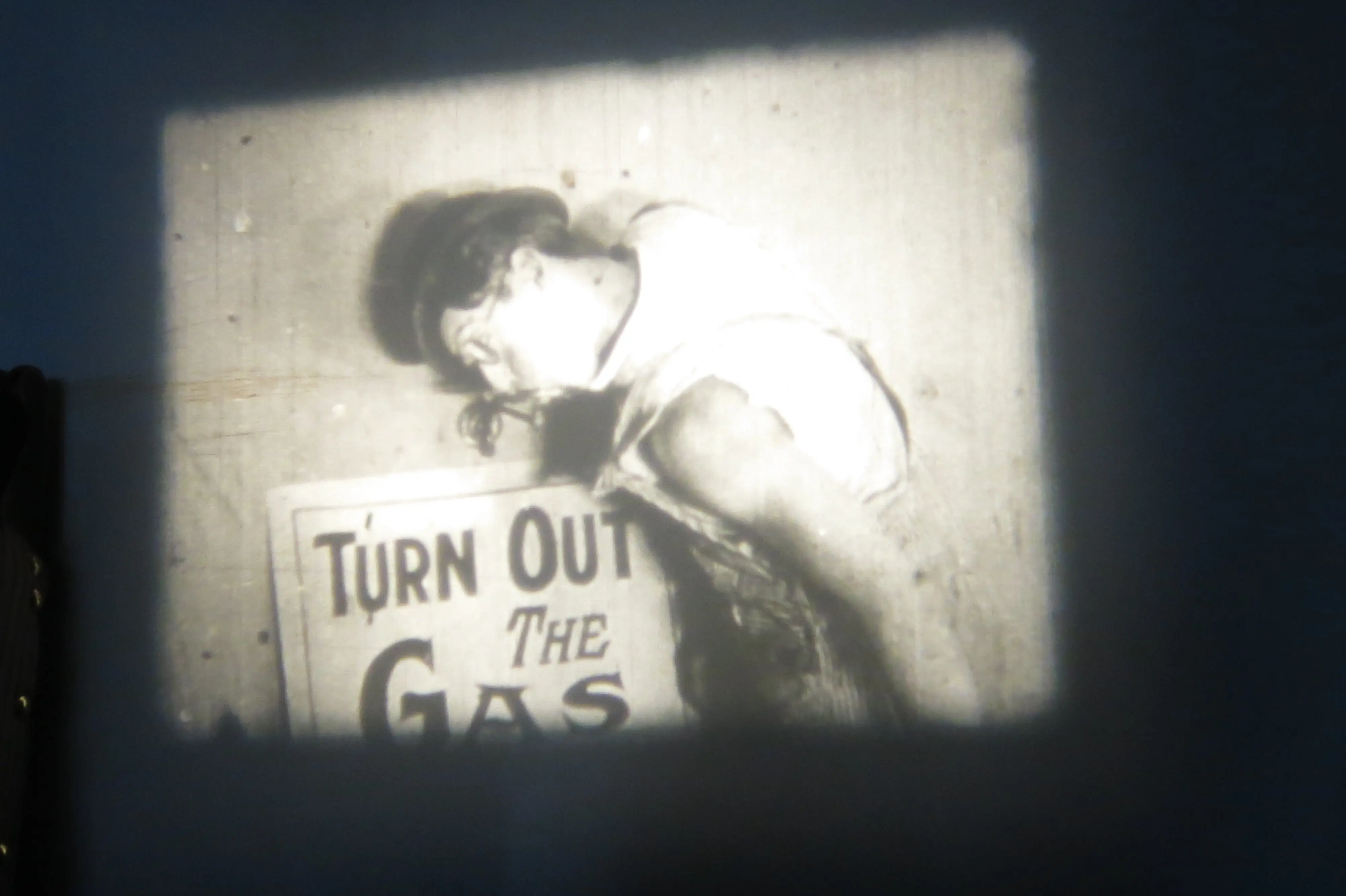
The comedic mechanics of Ring Up the Curtain are a finely tuned engine of slapstick and situational irony. Director Fred C. Newmeyer, a frequent collaborator with Lloyd, understood how to maximize the comedic potential of the theatrical setting. The backstage environment, with its myriad props, ropes, and hidden mechanisms, becomes a playground for Harold's misadventures. We witness a series of carefully choreographed gags that rely on timing, expectation, and the delightful subversion of both. From accidentally triggering stage effects at inopportune moments to tangling himself in the very rigging he’s meant to control, Harold’s predicaments are both visually inventive and inherently humorous.
The supporting cast, a veritable who's who of early silent film talent, contributes significantly to the film's vibrant comedic energy. Charles Stevenson, Helen Gilmore, Oscar Larson, Marie Mosquini, Billy Fay, 'Snub' Pollard, Dorothea Wolbert, Edith Depew, Bud Jamison, James Parrott, Dee Lampton, Sammy Brooks, William Gillespie, Wally Howe, Estelle Harrison, William Petterson, Noah Young, Emmy Wallace, and Florence Depew each play their part in creating a bustling, believable theatrical world. Their reactions to Harold's antics, whether exasperated or amused, amplify the comedic impact, grounding the more outlandish moments in a sense of lived reality. The ensemble work here, though brief, showcases the collaborative spirit of early filmmaking.
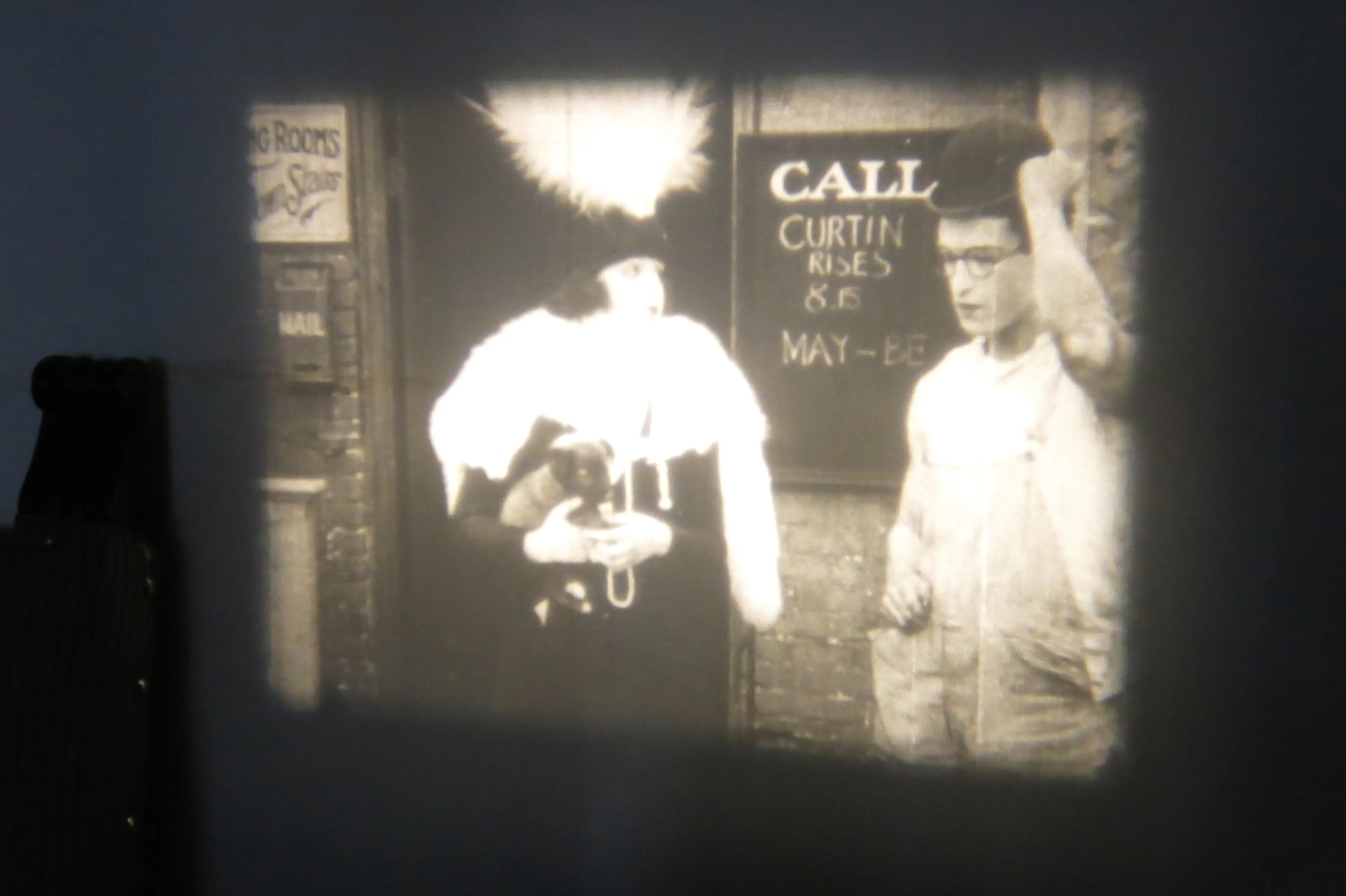
While primarily a comedy, Ring Up the Curtain subtly explores themes that resonate beyond mere laughter. Harold's ambition isn't just to win the girl; it's also to prove his worth, to elevate himself from the background to a position of notice. This struggle for recognition, particularly in a hierarchical environment like a theatrical troupe, reflects broader societal aspirations. The film cleverly uses the illusion of the stage as a metaphor for the illusions we often create in our own lives, or the facades we encounter. The leading lady, a vision of perfection on stage, is still a human being backstage, a dichotomy that Harold must navigate.
The film's brevity, typical of the era's shorts, demands efficiency in storytelling. Every gag, every character interaction, must contribute directly to the narrative progression or the comedic build-up. This economy of storytelling is a hallmark of silent comedy, forcing filmmakers to rely heavily on visual cues and physical performance to convey meaning. In this regard, Ring Up the Curtain is a masterclass, delivering a complete and satisfying narrative arc within its compressed runtime. The film's narrative structure, though simple, is effective, building from initial infatuation to a series of escalating comedic confrontations, culminating in a resolution that, while perhaps predictable, is nonetheless charming.
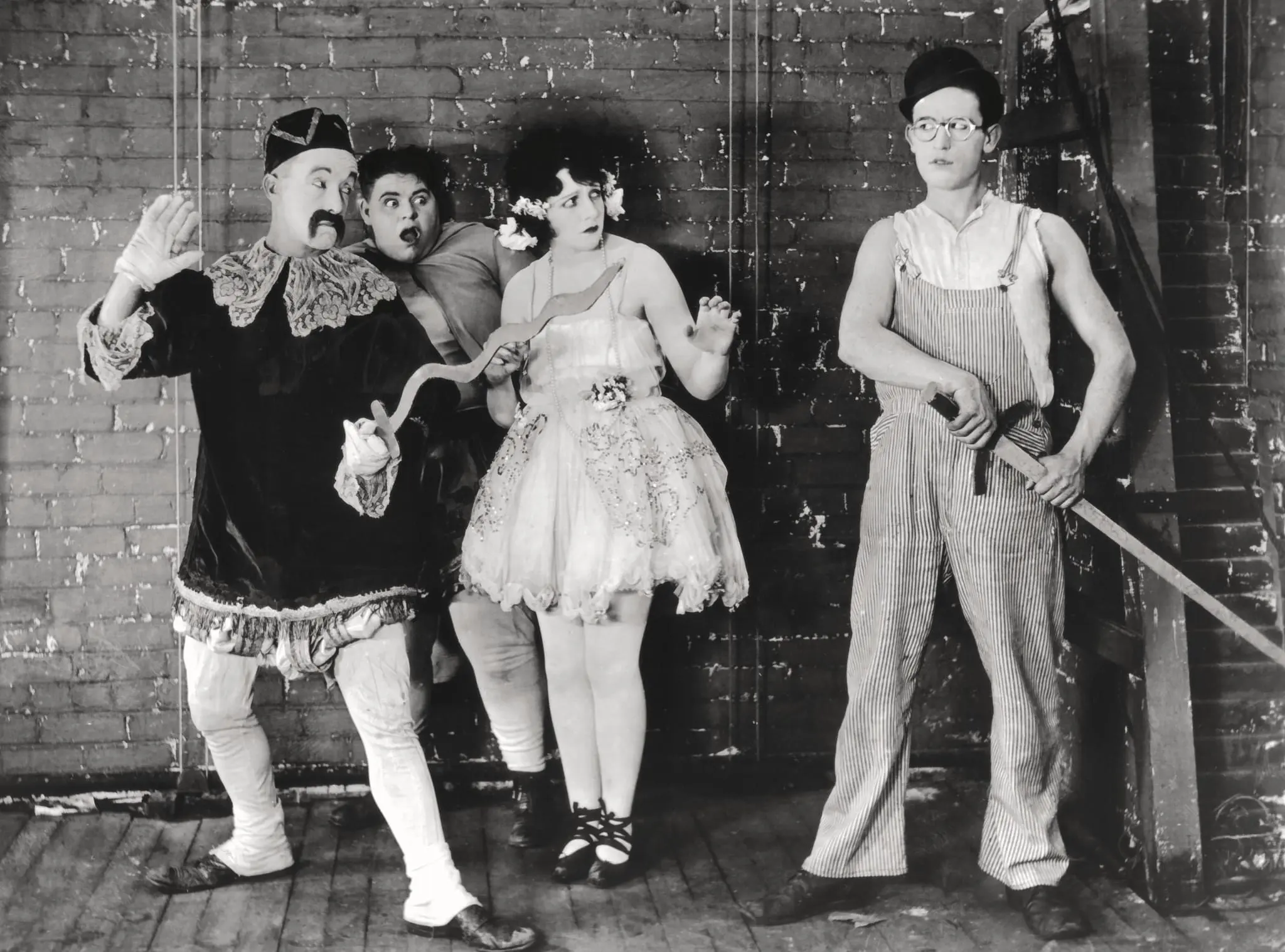
For aficionados of Harold Lloyd's work, Ring Up the Curtain offers a fascinating look at the evolution of his persona. While not yet scaling skyscrapers or dangling from clock towers, the seeds of his later, more ambitious stunts are present in his character's determined, if slightly reckless, spirit. The film showcases his incredible agility and precise comedic timing, qualities that would define his most celebrated features. It's in these early shorts that Lloyd honed the craft that would make him a superstar, demonstrating an innate understanding of how to connect with an audience through pure, unadulterated visual comedy.
Comparing it to other films of the era, one might draw parallels in its lighthearted romantic pursuit to the innocent charm found in films like Suzanne, professeur de flirt, though Lloyd's unique brand of physical comedy sets Ring Up the Curtain apart. While it lacks the grand scale of later features like Stepping Out (if we consider it as a broad comparison for Lloyd's larger projects), its intimate setting allows for a more focused character study and a delightful exploration of comedic minutiae. The film's emphasis on the theatrical world also distinguishes it, offering a unique backdrop not always seen in contemporary comedies, which often focused on domestic life or urban adventures. The film’s quiet, persistent humor also stands in stark contrast to the more overtly dramatic or historically significant pieces of the time, such as Doch isterzannoy Pol'shi or Britain Prepared, highlighting the diverse range of cinematic output in the early 20th century.
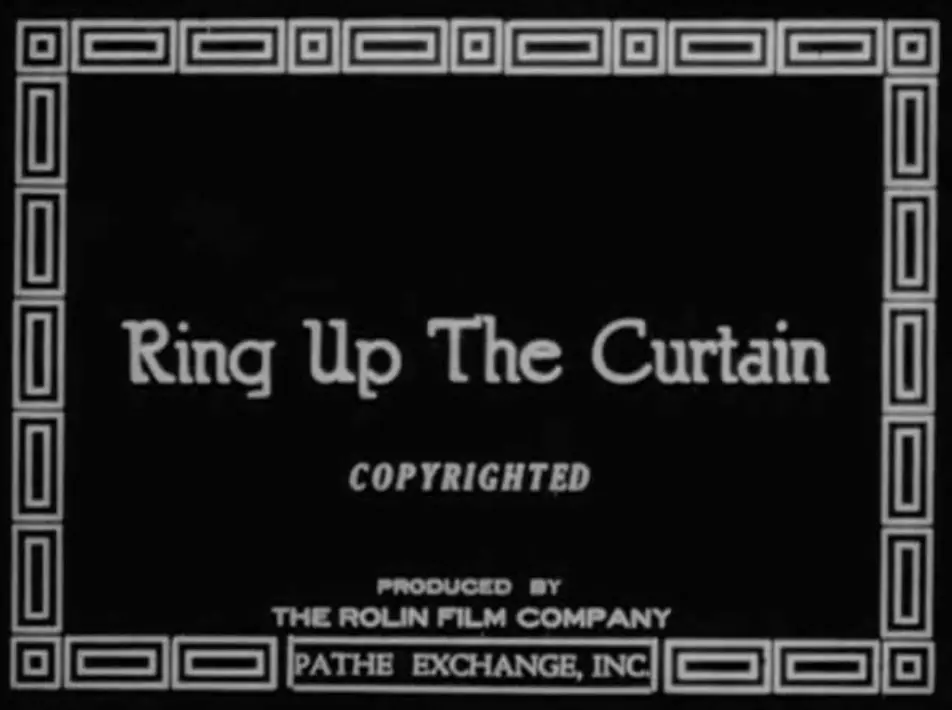
The direction by Fred C. Newmeyer is competent and serves Lloyd's comedic vision well. The pacing is brisk, ensuring that the gags land with maximum impact and that the narrative never lags. Newmeyer understood the rhythm of silent comedy, allowing moments to breathe for comedic effect but never overstaying their welcome. The cinematography, while rudimentary by modern standards, effectively captures the energy of the backstage environment and the expressive performances of the cast. The use of close-ups to emphasize Harold’s reactions and the wide shots to establish the chaotic backstage world are particularly effective, demonstrating a nascent understanding of cinematic language.
Ultimately, Ring Up the Curtain is more than just a historical curiosity; it's a testament to the timeless appeal of a well-told story and the enduring power of genuine human emotion, even when wrapped in a comedic package. It reminds us that even in the most ordinary of settings, extraordinary feelings can blossom, leading to moments of both hilarity and heartwarming sincerity. The film's legacy lies not just in its contribution to Harold Lloyd's filmography but in its ability to transport viewers back to a simpler time, where a stagehand's crush on a leading lady could provide endless amusement and a touch of romantic yearning.
It showcases the foundational elements that would make Lloyd a legend: his Everyman appeal, his acrobatic grace, and his uncanny ability to make audiences root for him, no matter how precarious his situation. The film, though short, leaves a lasting impression, a charming vignette from an era that continues to captivate. It’s a delightful journey into the heart of silent comedy, proving that the magic of cinema, even in its earliest forms, was powerful enough to ring up the curtain on an entirely new world of entertainment.
IMDb 6.4
1931
Community
Log in to comment.