Summary
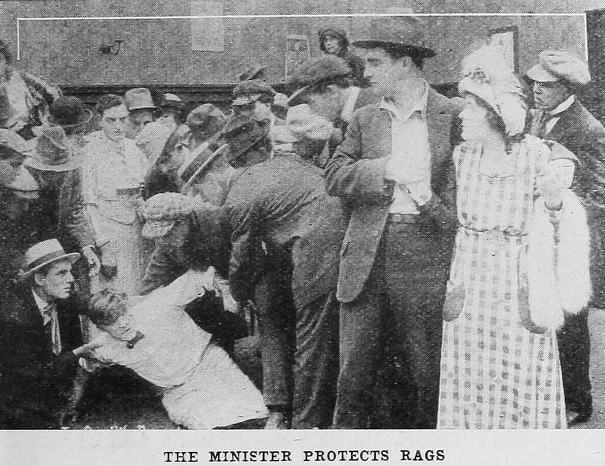
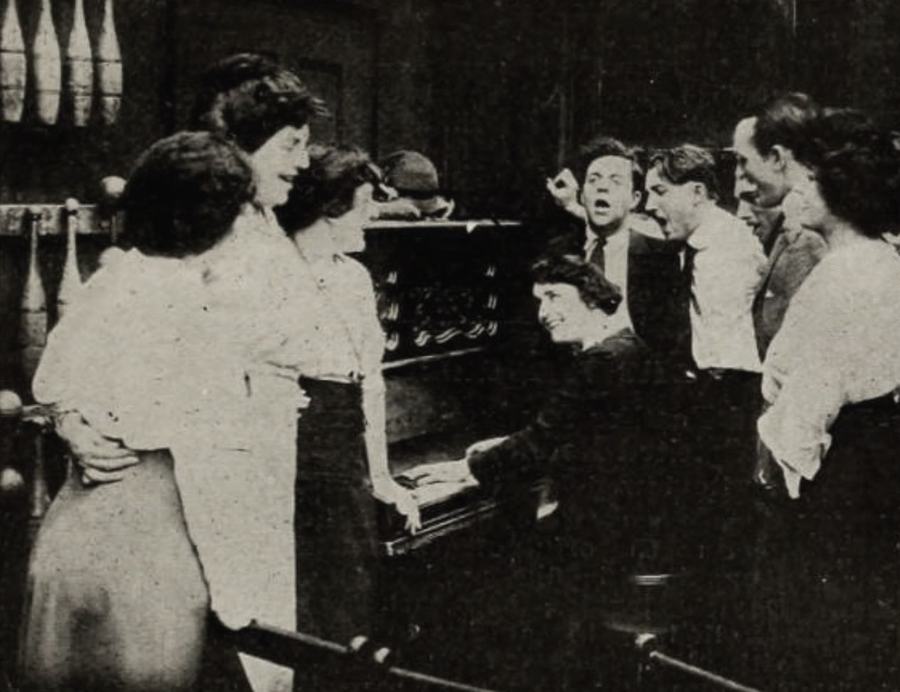
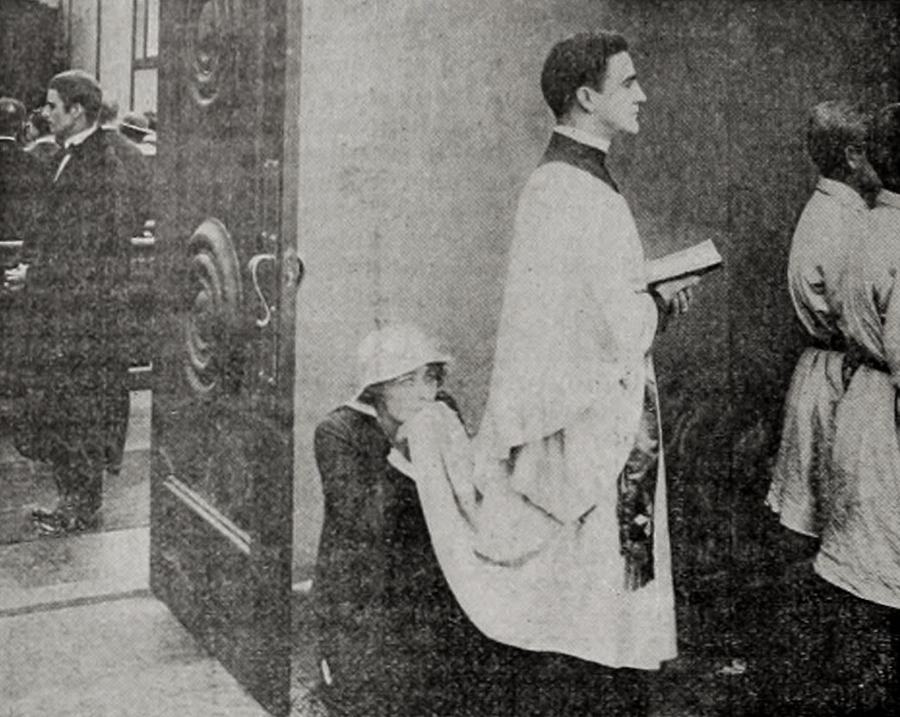
A freshly minted ordinand, Arthur Rayburn, stands at the pulpit’s lip, cassock starched like a sail awaiting holy wind—until a communion cup spiked with rum snaps the mast. In the haze that follows, ecclesiastical gold braid is torn from his collar by a bishop whose wrath smells of incense and sanctimony; the man’s own betrothed, Rene, recoils as though grace itself were contagious. Defrocked, he tumbles down the marble staircase of rectitude and lands in a waterfront gin-mill where tin-pan hymns drip from Rags’s fingertips like molasses laced with turpentine. She is no cherub; her halo is a cigarette burn above one ear, yet she drags the drowning parson from the midnight river, trading suicide’s cold bouquet for a shot of blues in C-minor. Under the flicker of a barroom lantern she scrapes the rot from his soul, teaches him to read the gospel of sweat and sawdust, and helps him birth a tabernacle for dockworkers where beer steins clink like off-key bells. When the prelate who once excommunicated him wanders in, astounded by the smoky cathedrals of mercy built without vestments, Rayburn is reinstated—only to discover that redemption’s price is the woman who carried him there. Rags, sensing the ghost of Rene still haunting his irises, slips back into the neon haze, a secular Magdalene who prefers the honest gutter to a borrowed paradise.
Synopsis
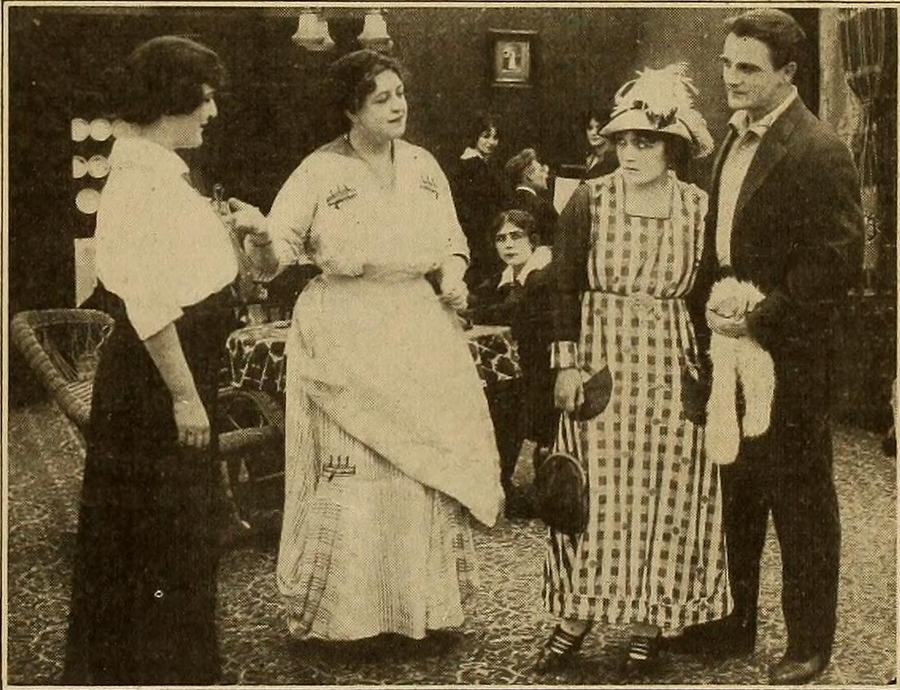
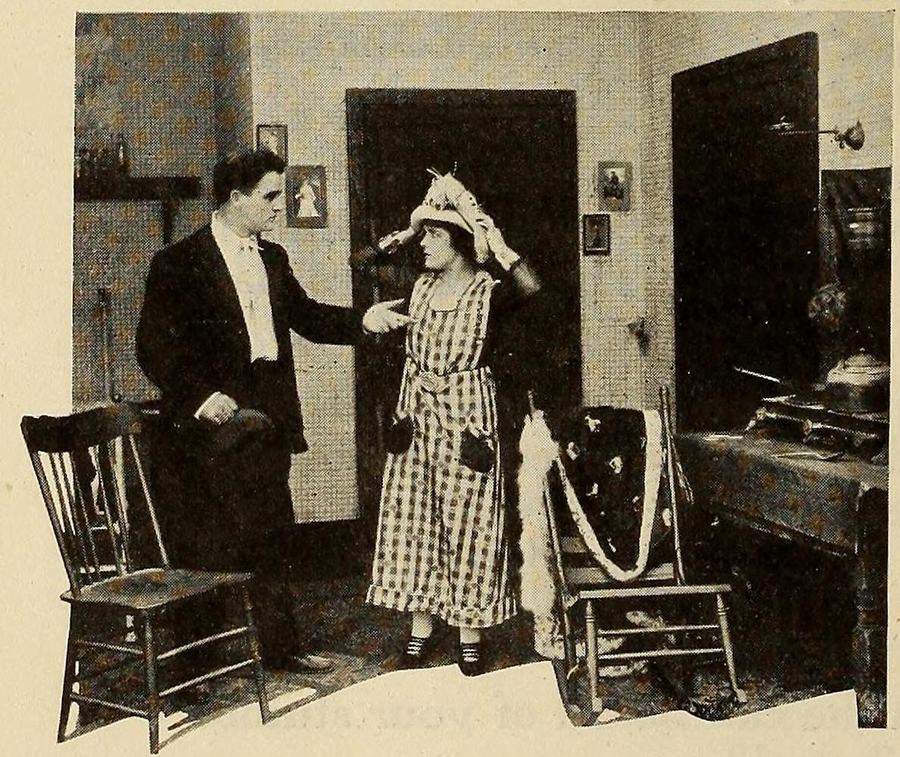
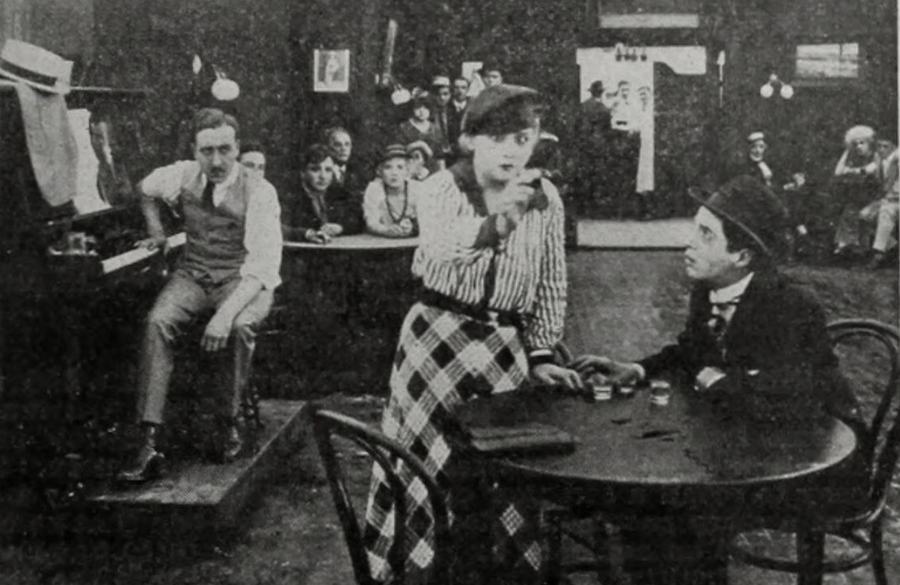
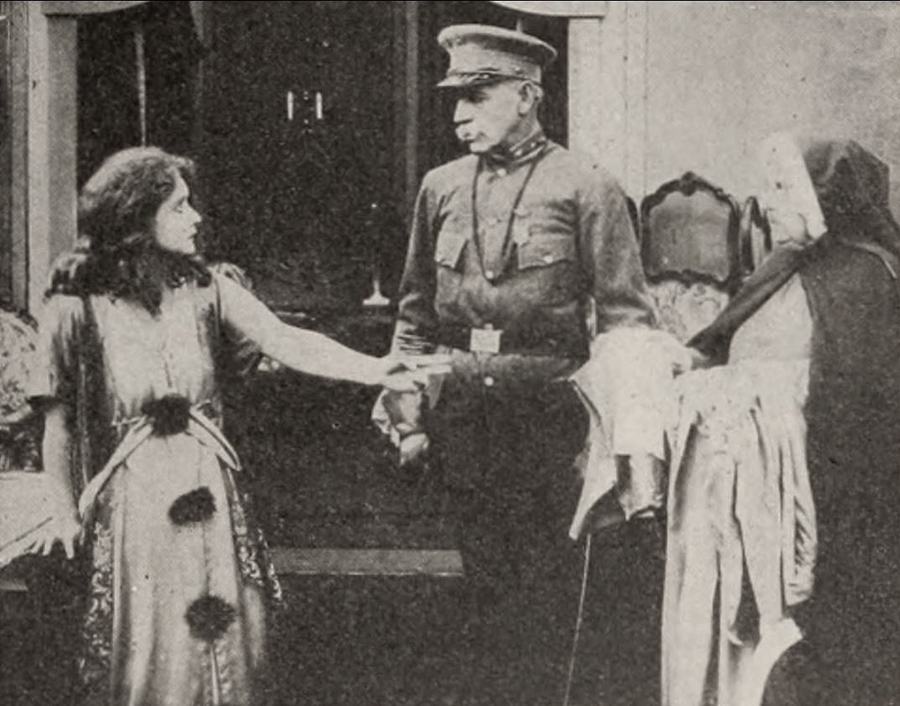
The story derives its plot from a practical joke perpetrated by underclassmen at the theological seminary from which Arthur Rayburn has just been graduated. At the reception following his ordination, these jokers put rum in the punch served and Rayburn becomes intoxicated. In this condition he is unfrocked by the bishop and the latter's daughter Rene breaks their engagement. Down into the slums goes Rayburn, where he falls under the influence of pretty piano player Rags in a saloon. Rags tries to redeem him, but makes little headway until she prevents the young preacher's attempt to commit suicide in the river. She loves him without reserve and under her guiding care be recovers from his degradation and opens a club for working men. He is so successful that the enterprise comes to the attention of the bishop of the diocese. The bishop visits the club, recognizes its leader, and promptly reinstates him in the ministry. With his future assured, Rayburn turns in gratitude to the girl of the slums who has saved him. He asks her to marry him but in spite of her love, knowing that he still loves Rene, Rags refuses him and returns to the life in which he found her.
Review Excerpt
"
Intoxication of the Cloth: How a Spiked Punch Rewrites a Soul
Picture the scene: candle-flame waltzing across polished oak, hymnals exhaling the scent of calfskin and beeswax, and a crystal bowl of punch that glints like liquid topaz. The prank is childish—rum decanted into sacramental lemonade—yet the fallout is cosmic. In one swig Arthur Rayburn’s vocation shatters into kaleidoscopic shards, each reflecting a different hell: the bishop’s apoplectic jowls, Rene’s gloved hand recoiling from h..."