DbcultAccessing Vault...
4.5/10
Senior Film Conservator

A definitive 4.5/10 rating for a film that redefined the boundaries of cult cinema. The Wall Flower remains a cornerstone of transgressive art.
Step back into the roaring twenties, a decade of cinematic innovation and emotional depth, to unearth a true gem: Rupert Hughes's 1922 silent drama, 'The Wall Flower.' This isn't just another period piece; it's a profound exploration of identity, societal perception, and the transformative power of compassion, all brought to life by the luminous Colleen Moore. In an era where visual storytelling reigned supreme, 'The Wall Flower' masterfully weaves a narrative that resonates with surprising modernity, delving into themes of self-worth and the often-cruel judgments of society. It's a film that, despite its age, speaks volumes about the human desire for acceptance and the journey of finding one's inner radiance. As a critic, one is always searching for those films that transcend their temporal confines, and 'The Wall Flower' unequivocally belongs in that esteemed category, offering a rich tapestry of emotion, character development, and social commentary that feels as relevant today as it did a century ago.
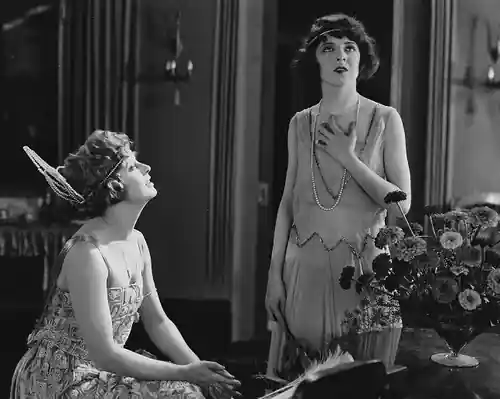
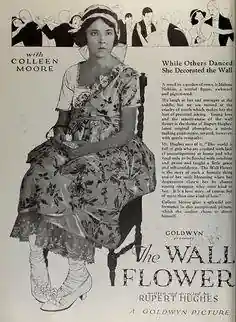
At the heart of 'The Wall Flower' is Idalene Nobbin, portrayed with remarkable vulnerability and nuance by Colleen Moore. Idalene is introduced as a character steeped in the shadows of her own family's dismissiveness. Her mother and brothers, seemingly oblivious to her quiet yearning for connection, consistently relegate her to the status of an insignificant 'wallflower.' Moore's initial portrayal is a masterclass in silent acting; her downcast eyes, hesitant gestures, and the subtle slump of her shoulders convey a profound sense of internal struggle and external defeat. She embodies the universal feeling of being overlooked, of existing on the periphery while others bask in the limelight. This initial characterization is crucial, setting the stage for the dramatic metamorphosis that is to come. It’s a poignant commentary on how familial environments can either nurture or stifle an individual's spirit, and how a lack of affirmation can lead to a deeply ingrained sense of inadequacy. The film doesn't merely present Idalene as a victim; it allows us to feel the weight of her solitude, making her subsequent journey all the more impactful. Her initial state is a stark reminder of the often-unseen struggles of those who feel marginalized, a theme that, unfortunately, remains timeless.
The narrative's pivotal turning point arrives with the dance hosted by Prue Nickerson. For a brief, intoxicating moment, Idalene experiences a flicker of hope and recognition when Roy Duncan, a local football star, asks her to dance. It's a scene charged with nascent joy, a fleeting glimpse of acceptance that promises to shatter her ingrained sense of invisibility. Moore's face, for those precious seconds, lights up with a fragile, almost disbelieving happiness. However, this burgeoning hope is cruelly extinguished, plunging her into an abyss of despair. The film employs a dramatic device common to silent cinema: an 'unkind jest' that mortifies Idalene beyond measure. While the specifics of the jest are left to the visual cues and our empathetic imagination, its impact is devastatingly clear. This public humiliation, a stark betrayal of her brief moment of triumph, shatters her fragile self-esteem. The emotional devastation is so profound that Idalene, in a desperate act of self-annihilation, throws herself in front of a speeding automobile. This melodramatic flourish, while characteristic of the era, serves to underscore the depth of her pain and the societal pressures that could drive an individual to such extremes. The scene is handled with a gravity that compels genuine sympathy, highlighting the brutal consequences of casual cruelty. In its stark depiction of emotional trauma leading to a desperate act, one might find echoes of the profound personal struggles depicted in films like The Road Through the Dark, where characters often face insurmountable odds and internal battles that push them to their limits. However, 'The Wall Flower' distinguishes itself through Idalene's miraculous rescue, setting the stage for an unexpected path to redemption.
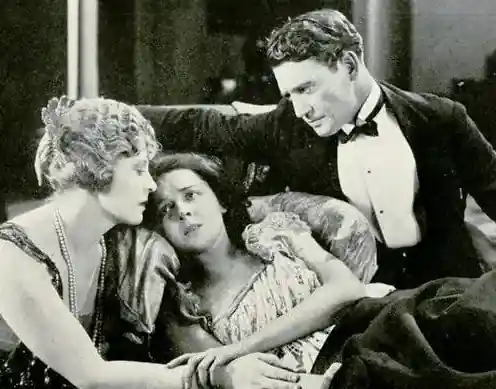
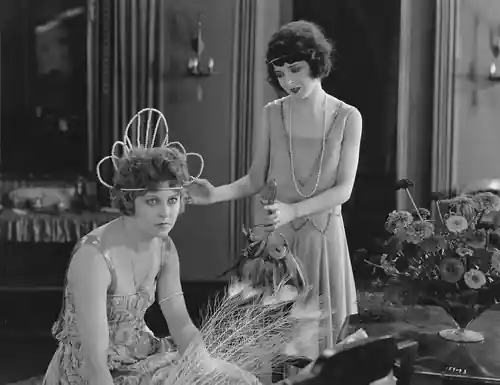
Fate, or perhaps sheer serendipity, intervenes in the form of Pamela Shiel, a wealthy and compassionate society girl, and her guest, Walter Breen. Idalene, with both legs broken, is rescued and brought into Pamela's opulent home. It's here, in this unexpected sanctuary, that Idalene confesses her wish to die, articulating the crushing belief that 'no man would ever want to marry her.' This raw admission underscores the societal pressures placed upon women of the era, where marriage and desirability were often intrinsically linked to self-worth. Pamela, portrayed by Yves Trebaol with a compelling blend of elegance and empathy, becomes Idalene's unlikely mentor and savior. She surrounds Idalene with luxuries, yes, but more importantly, she provides something far more precious: affirmation and guidance. Pamela undertakes the remarkable task of teaching Idalene to walk gracefully again, not just physically, but metaphorically, guiding her toward self-assurance. She introduces her to stylish clothes, helping Idalene discover her outward beauty, which in turn fosters an internal transformation. This section of the film is a fascinating study in the power of mentorship and the profound impact of a supportive environment. It suggests that true beauty isn't merely inherent but can be cultivated through care, confidence, and self-expression. The contrast between Idalene's initial despair and her gradual blossoming under Pamela's wing is captivating, demonstrating the film's optimistic belief in the potential for profound personal change. It's a narrative arc that speaks to the enduring human capacity for growth and the vital role that genuine connection plays in that journey.
As Idalene's transformation takes hold, her newfound charm and confidence are undeniable. No longer the shrinking 'wallflower,' she now exudes an alluring grace that captivates those around her, especially Walter Breen, portrayed by Richard Dix. Dix brings a charming earnestness to Breen, making his attraction to Idalene feel genuine and unforced. The film beautifully illustrates how Idalene’s internal shift manifests externally, demonstrating that true appeal stems from a sense of self-possession rather than mere physical appearance. At a party Pamela hosts in Idalene's honor, her former critics, those who once dismissed her, now pay her homage. This scene is a triumphant moment, a vindication of Idalene's journey and a powerful statement on the fickle nature of societal judgment. However, as often happens in compelling dramas, triumph is quickly followed by complication. Breen proposes marriage to Idalene, a moment that should be the zenith of her journey. Yet, her joy is tempered by a devastating discovery: Pamela, her benefactress and friend, also loves Breen. This revelation introduces a poignant romantic triangle, adding layers of emotional complexity to the narrative. Colleen Moore's portrayal of Idalene's internal conflict is particularly moving here, as she grapples with the conflicting emotions of personal happiness and loyalty to the woman who saved her. The silent film medium excels in conveying such internal turmoil through subtle facial expressions and gestures, and Moore delivers a performance that is both heartbreaking and admirable. The dilemma facing Idalene is not just about choosing a suitor, but navigating the treacherous waters of friendship, gratitude, and burgeoning love. The film, through this intricate emotional web, elevates itself beyond a simple Cinderella story to explore the deeper sacrifices inherent in human relationships.
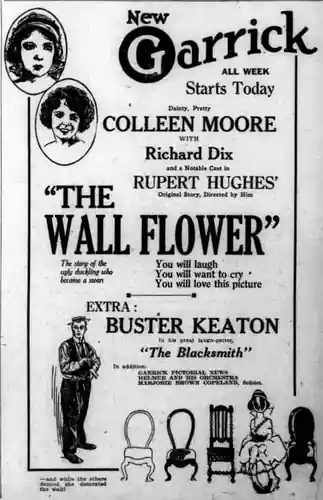
The true emotional core of 'The Wall Flower' culminates in Pamela Shiel's extraordinary act of self-sacrifice. Upon realizing Idalene's discovery of her own feelings for Walter Breen, Pamela makes a choice that elevates her character to a truly noble status. She consciously suppresses her personal desires, her own heart's yearning for Breen, in favor of Idalene's happiness. This isn't a casual concession; it's a profound, agonizing decision that speaks volumes about the depth of her compassion and the strength of her friendship. Yves Trebaol's performance during this segment is subtly powerful, conveying Pamela's internal struggle with grace and dignity. The film avoids overt melodrama, instead allowing the quiet intensity of Pamela's sacrifice to resonate. It's a testament to the idea that love, in its purest form, can be selfless and that true friendship can demand the greatest of personal costs. This act transforms the romantic triangle from a mere love rivalry into a profound exploration of altruism and empathy. Pamela doesn't just step aside; she actively orchestrates the union of Idalene and Breen, ensuring their happy culmination. This resolution, while joyous for the lovers, carries a bittersweet undertone, acknowledging the quiet pain of Pamela's magnanimity. The film thus challenges conventional notions of romantic triumph, suggesting that sometimes, the greatest acts of love are those performed in the shadows, for the happiness of others. This theme of profound personal sacrifice for the greater good, or for the happiness of another, is a powerful one, finding echoes in the quiet resilience of characters in films like Blind Wives, where women often face difficult choices and make significant personal concessions in the name of love or duty. However, Pamela's choice feels particularly active and empowering, a true testament to her strength of character rather than a passive acceptance of fate.
The enduring appeal of 'The Wall Flower' is inextricably linked to the stellar performances of its cast, particularly its leading lady, Colleen Moore. Moore, a bona fide star of the silent era, brings an astonishing range to Idalene Nobbin. Her transformation from a timid, melancholic figure to a radiant, confident woman is utterly convincing, conveyed through a mastery of facial expression and body language that defines the best of silent acting. Her eyes, in particular, are incredibly expressive, mirroring Idalene's journey from despair to hope, and ultimately, to love. Richard Dix, as Walter Breen, offers a charming and earnest counterpoint. He successfully portrays a man genuinely smitten by Idalene's blossoming spirit, making his affections feel earned and sincere. However, it is arguably Yves Trebaol, as Pamela Shiel, who delivers the film's most subtly powerful performance. Trebaol imbues Pamela with an aristocratic grace and profound empathy, making her selfless act not just believable but deeply moving. Her quiet dignity in the face of personal heartbreak is truly captivating. The supporting cast, including Fannie Yantis, Emily Rait, Dana Todd, Gertrude Astor, Laura La Plante, Rush Hughes, and Tom Gallery, all contribute to the film's rich tapestry, each adding depth to the social milieu that shapes Idalene's world. Gertrude Astor, for instance, often brought a certain vivacity or sternness to her roles, and her presence here, even in a supporting capacity, adds to the authentic texture of the social gatherings. The collective talent of this ensemble ensures that 'The Wall Flower' is not just a story, but a lived experience, drawing the audience into its emotional currents with effortless grace.
The narrative brilliance of 'The Wall Flower' owes much to the vision of its writer, Rupert Hughes. Hughes, known for his diverse literary output, crafted a story that, while adhering to the dramatic conventions of the silent era, possessed a keen understanding of human psychology. The pacing of the film, typical for its time, allows for gradual character development, relying heavily on visual cues and expressive acting rather than rapid-fire dialogue. Intertitles, sparingly and effectively used, bridge narrative gaps and convey crucial dialogue, but it is the visual storytelling that truly shines. The cinematography, while perhaps not groundbreaking for its technical innovation, is adept at capturing the emotional landscape of the characters. Close-ups on Moore's face, in particular, are employed to great effect, allowing the audience to connect intimately with Idalene's inner world. The use of symbolism, such as the contrast between the drab costumes of Idalene's early life and the elegant attire she adopts under Pamela's guidance, subtly reinforces the theme of transformation. Hughes's ability to craft a story that tackles themes of social ostracism, self-worth, and selfless love, all within the stylistic constraints of silent cinema, is commendable. He understood the power of archetypes – the wallflower, the benevolent patron, the charming suitor – and imbued them with enough specificity to feel fresh and engaging. The film serves as an excellent example of how silent films, far from being simplistic, were often sophisticated vehicles for complex emotional narratives, relying on a visual language that transcended the need for spoken words. It's a testament to the era's filmmakers' ingenuity in conveying deep meaning through purely cinematic means.
'The Wall Flower' stands as more than just a historical artifact; it's a compelling piece of cinema that continues to resonate with audiences who appreciate the artistry of the silent era. Its themes of overcoming adversity, the transformative power of friendship, and the complexities of selfless love are universal and timeless. Colleen Moore's captivating performance cemented her status as a leading lady capable of conveying profound emotional depth, and the film itself remains a testament to Rupert Hughes's storytelling prowess. For those interested in the evolution of character-driven drama and the nuanced expressiveness of silent acting, 'The Wall Flower' is an essential viewing experience. It reminds us that empathy, kindness, and the courage to embrace one's true self are qualities that transcend any particular era or cinematic style. The film's enduring charm lies in its gentle yet powerful assertion that even the most overlooked individuals possess an inherent capacity for beauty and love, waiting only for the right circumstances, and perhaps the right friend, to help them bloom. It's a poignant reminder of cinema's power to inspire and to reflect the deepest aspects of the human condition.
IMDb 6.9
1926
Community
Log in to comment.