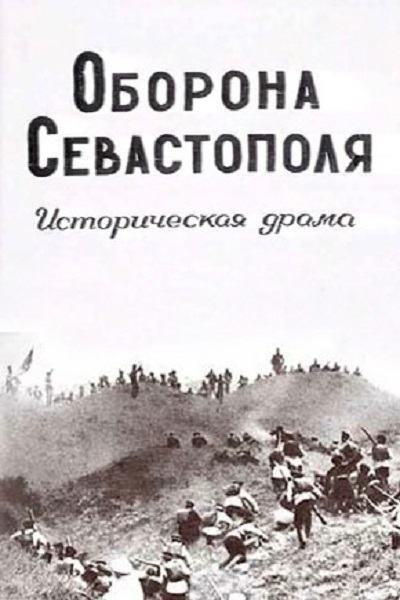
First film ever that was shot by two cameras. Set in 1854-1855, in Sevastopol and Yalta during the Crimean War.
Vasili Goncharov, Aleksandr Khanzhonkov, Lev Tolstoy
Russian Federation
The first time I saw Defense of Sevastopol it was a 9.5 mm bootleg on a cracked iPad at 3 a.m.—flicker so savage it felt like shrapnel scratching retinas. Even in that pixel-poxed state the film hit like a battering ram: twin-camera depth that predates Griffith’s dollies by a full year, smoke plumes you could practica...
Comparing the cinematic DNA and archive impact of two defining moments in cult history.
Vasili Goncharov
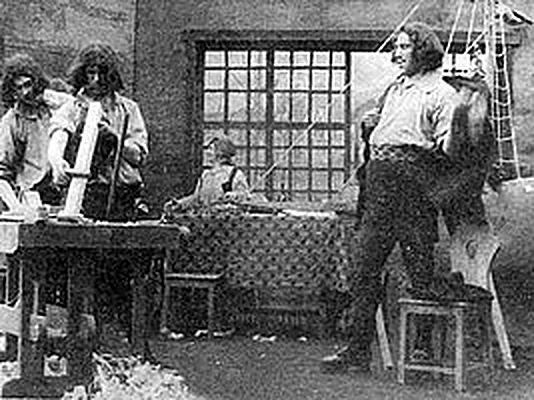
Vasili Goncharov
Community
Log in to comment.
" The first time I saw Defense of Sevastopol it was a 9.5 mm bootleg on a cracked iPad at 3 a.m.—flicker so savage it felt like shrapnel scratching retinas. Even in that pixel-poxed state the film hit like a battering ram: twin-camera depth that predates Griffith’s dollies by a full year, smoke plumes you could practically inhale, and a death rattle so vivid I swore my headphones pulsed with 19th-century seawater. Fast-forward to last week: a 4K scan from the Belye Stolby archive, 100 minutes of ..."
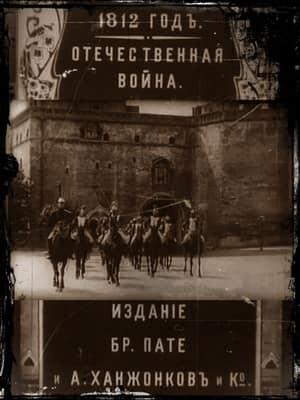
1912 · IMDb 5.7
Vasili Goncharov