DbcultAccessing Vault...
6.5/10
Senior Film Conservator
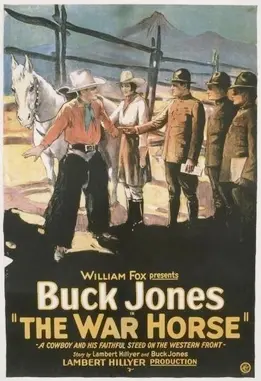
A definitive 6.5/10 rating for a film that redefined the boundaries of cult cinema. The War Horse remains a cornerstone of transgressive art.
Is Buck Jones' 1927 Western, The War Horse, worth watching today? Short answer: yes, but with significant caveats that demand a specific palate. This film is unequivocally for devotees of early silent Westerns, silent film historians, and fans of Buck Jones' unique cowboy persona; it is decidedly not for those seeking modern pacing, complex narratives, or pristine visual fidelity.
To approach The War Horse expecting anything less than a historical document first and entertainment second is to set oneself up for disappointment. Yet, for those willing to engage with its particular charms and limitations, there's a dusty, genuine heart to be found.
Let's be direct: The War Horse is a relic. A fascinating, frustrating relic. Its primary value in 2024 lies less in its narrative ingenuity and more in its snapshot of a bygone era of filmmaking and storytelling. For a certain segment of film enthusiasts, this alone makes it a compelling watch.
This film works because of the undeniable screen presence of Buck Jones, the visceral thrill of its real-life horsemanship, and its raw, unpolished glimpse into the foundational myths of the American West. Jones, a genuine rodeo champion, brings an authenticity to his physicality that few actors of his time could match, making the action sequences, however rudimentary, feel genuinely earned.
This film fails because its narrative is often simplistic to a fault, its pacing can feel glacial by modern standards, and the technical limitations of 1927 filmmaking are ever-present. Intertitles, while necessary, frequently interrupt the flow, and the visual quality, even in restored versions, often struggles to convey the full emotional weight the filmmakers undoubtedly intended.
You should watch it if you are a student of cinematic history, a dedicated fan of silent films, or someone who genuinely appreciates the unadorned heroism of early Westerns. You should probably skip it if you prefer fast-paced plots, sophisticated character development, or are easily distracted by the aesthetic quirks of silent cinema.
Lambert Hillyer’s The War Horse, co-written by its star, Buck Jones, is a quintessential product of its time. Released during the golden age of the silent Western, it encapsulates many of the genre's enduring tropes: the lone rider, the loyal steed, the struggle against injustice, and the vast, untamed landscape as a character unto itself. To critique it without acknowledging this context would be disingenuous.
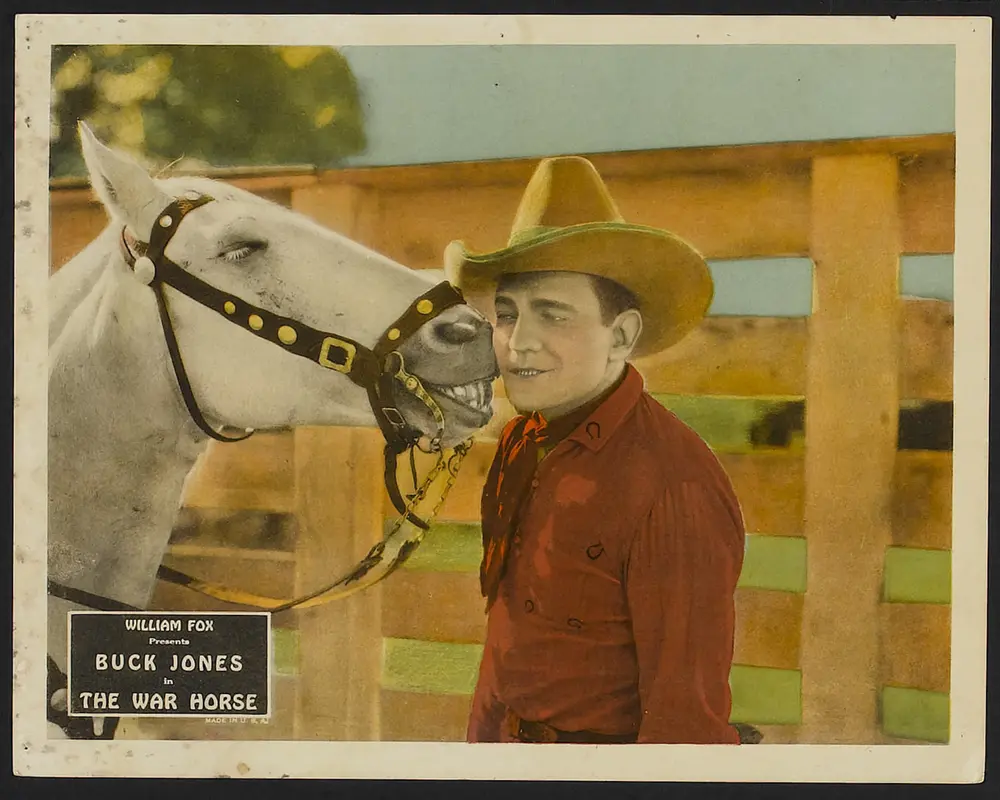
The narrative, while somewhat rudimentary, hinges on the almost mystical connection between Buck Jones's character and his magnificent horse. This isn't just a plot device; it's the emotional core of the film. The horse, often portrayed with an almost human-like intelligence, becomes a silent partner in every triumph and tribulation, a testament to the era's romanticized view of the human-animal bond.
Buck Jones, a name synonymous with silent and early talkie Westerns, carries the film with a stoic charisma that is both endearing and occasionally frustrating. His performance relies heavily on physical presence and a certain earnestness, rather than nuanced emotional expression. This is not a criticism of Jones, but rather a reflection of the acting styles prevalent in silent cinema, where grand gestures and clear facial expressions often substituted for dialogue.
In one notable sequence, as Jones's character faces a seemingly insurmountable obstacle – perhaps a treacherous river crossing or a stand-off with a band of outlaws – his interaction with the horse is more compelling than any of the human exchanges. The way he communicates trust, or the horse's apparent understanding, transcends the lack of spoken words, a true testament to Jones's real-life equestrian skills and Hillyer's direction of animal actors.
Lambert Hillyer, a prolific director of B-Westerns, demonstrates a competent if not groundbreaking hand in The War Horse. His direction is functional, prioritizing clarity of action and plot progression over stylistic flourishes. This approach, while perhaps lacking artistic ambition, ensures the film remains accessible, even to modern viewers unaccustomed to the silent format.
Hillyer understands the power of the Western landscape. The cinematography, though limited by the technology of the 1920s, frequently employs wide shots that emphasize the sheer scale and isolation of the frontier. These vistas, often bathed in natural light, serve as a constant reminder of the epic scope of the narrative, even if the individual story beats are small.
There's a particular beauty in the way the camera captures the horse in motion – galloping across open plains, navigating rocky terrain, or standing poised and alert. These moments are arguably the film's visual highlights, showcasing the athleticism of the animal and the skill of the rider. One can almost feel the dust and the wind in these sequences.
However, the editing can feel choppy, a common characteristic of silent films where scenes often cut abruptly to intertitles or new angles without the smooth transitions we expect today. This contributes to the episodic feel of the narrative, sometimes making it challenging to maintain a consistent emotional connection to the unfolding events.
The pacing of The War Horse is undeniably slow, especially during its expositional sequences. Silent films often took their time to establish characters and settings, relying on drawn-out scenes and frequent intertitles to convey information. For contemporary audiences, this can be a significant hurdle. There are stretches where the narrative feels more like a leisurely trot than a thrilling gallop.
Yet, this deliberate pace also allows for moments of quiet contemplation, particularly in scenes focusing on the bond between man and horse. These are the film's most resonant passages, where the unspoken understanding between the two protagonists takes center stage. It’s in these moments that the film achieves a certain poetic grace, far removed from the more bombastic action sequences.
The tone is largely earnest and morally straightforward, typical of early Westerns. There are clear heroes and villains, and the lines between right and wrong are rarely blurred. This simplicity can be refreshing in an age of complex anti-heroes, but it also means the film lacks the psychological depth or moral ambiguity that might appeal to more sophisticated palates.
One could argue that the film’s unwavering moral compass, while perhaps quaint, is also its strength. It provides a clear, uncomplicated vision of heroism and justice, a foundational myth that resonates with the genre's core appeal. The stakes, though simple, feel genuine because the characters' motivations are so transparently good or evil.
Beyond Buck Jones, the supporting cast, including James Gordon as the villain and Lola Todd as the love interest, fulfills their roles adequately within the constraints of silent film acting. Gordon, with his theatrical scowls and menacing gestures, embodies the archetypal Western antagonist, leaving no doubt as to his nefarious intentions. His performance, while broad, is effective in driving the conflict.
Lola Todd, as the heroine, often serves as a damsel in distress, a common trope of the era. Her character's agency is limited, primarily existing to be rescued or to provide emotional motivation for Jones's hero. However, she brings a certain vulnerability and charm to the role, even if the script doesn't allow for much character development beyond that.
The true breakout star, arguably, is the horse itself. The animal's performance, guided by trainers and Hillyer’s direction, is remarkable. It conveys loyalty, intelligence, and even a sense of personality, often stealing scenes from its human counterparts. It's an unconventional observation, but the equine star delivers a more consistently captivating performance than some of the human actors, whose expressions occasionally veer into the melodramatic.
The ensemble, as a whole, works within the silent film framework, where expressions are magnified and physical acting is paramount. While some performances might feel over-the-top by today's standards, they were the language of cinema at the time, a necessary exaggeration to bridge the gap of spoken dialogue.
To fully appreciate The War Horse, one must view it through a historical lens. It’s not just a film; it's a piece of cinematic archaeology. It represents a genre in its infancy, still experimenting with narrative structure and visual language. Comparing it to modern blockbusters is like comparing a covered wagon to a sports car – both achieve transportation, but in vastly different ways.
Is the film a lost masterpiece? Absolutely not. Is it a valuable document of early American cinema and the Western genre? Undeniably yes. Its imperfections are as informative as its successes, revealing the challenges and innovations of filmmaking nearly a century ago.
The film stands alongside contemporaries like True Blue or even the earlier From the Manger to the Cross in showcasing the evolving art form. While it might not possess the dramatic gravitas of a A Sainted Devil, it offers a more grounded, visceral experience of the frontier, largely thanks to Jones's authentic cowboy persona.
Ultimately, The War Horse is a film that demands patience and a specific appreciation for its historical context. It’s not a film I would recommend for a casual Friday night viewing unless that casual night includes a deep dive into cinematic history. It works. But it’s flawed.
For those who find beauty in the flickering images of a bygone era, who revel in the raw energy of early Westerns, and who appreciate the genuine article in Buck Jones, there's considerable value here. It offers a window into the foundational myths of American cinema, a testament to the enduring appeal of a man and his horse against the sprawling, untamed frontier.
It stands as a testament to the fact that sometimes, the simplest stories, told with earnest conviction, can leave a lasting impression, even if they require a little extra effort to unearth their charm almost a century later. Give it a chance, but go in with open eyes and a historian's heart.
IMDb —
1922
Community
Log in to comment.