DbcultAccessing Vault...
6.4/10
Senior Film Conservator
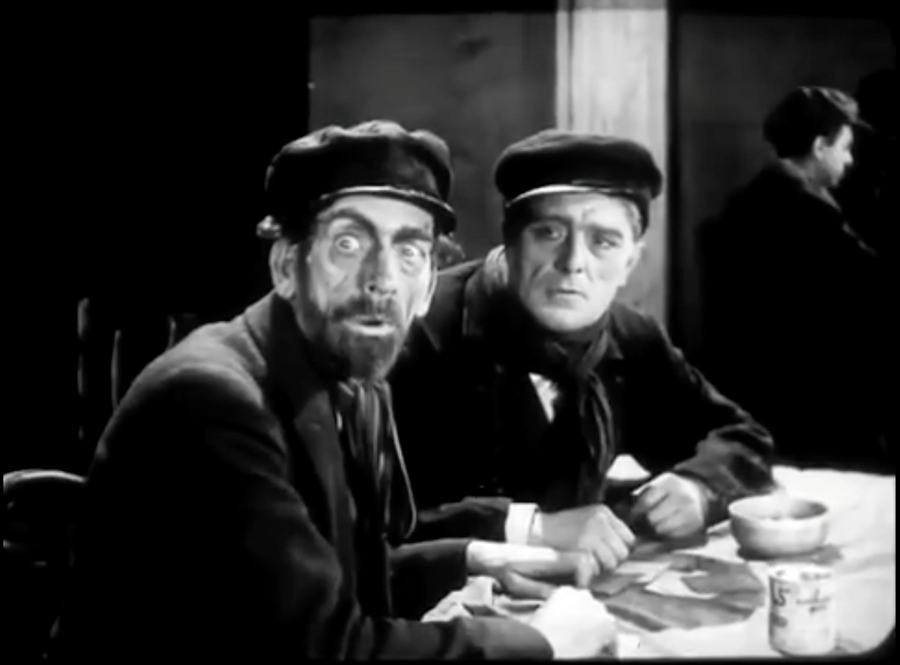
A definitive 6.4/10 rating for a film that redefined the boundaries of cult cinema. The Man with the Limp remains a cornerstone of transgressive art.
In the annals of early cinematic thrillers, few figures cast a shadow as long and menacing as Dr. Fu-Manchu. Even fewer organizations wielded the insidious power attributed to his secret society, the Si-Fan. In this, the eleventh episode of a serialised narrative, titled 'The Man with the Limp', we are plunged back into a world where the presumed death of the arch-villain does little to quell the pervasive terror he instigated. This particular installment, steeped in the pulpy, exotic dread that defined its literary origins, serves as a testament to the enduring power of a well-crafted antagonist, even when operating from beyond the grave, or so it seems. The film, adapted from the fertile imagination of Sax Rohmer, along with the screenwriting talents of Frank Wilson and A.E. Coleby, navigates a landscape where the absence of a visible foe only heightens the sense of an omnipresent, malevolent force. It's a masterclass in atmospheric suspense, demonstrating how the legacy of a villain can be more potent than his physical presence, an idea that resonates with audiences even today. The narrative tapestry woven here is rich with intrigue, secret plots, and the chilling promise of an unseen menace, ensuring that the Si-Fan remains a formidable antagonist, capable of striking fear into the heart of London and its unsuspecting populace.
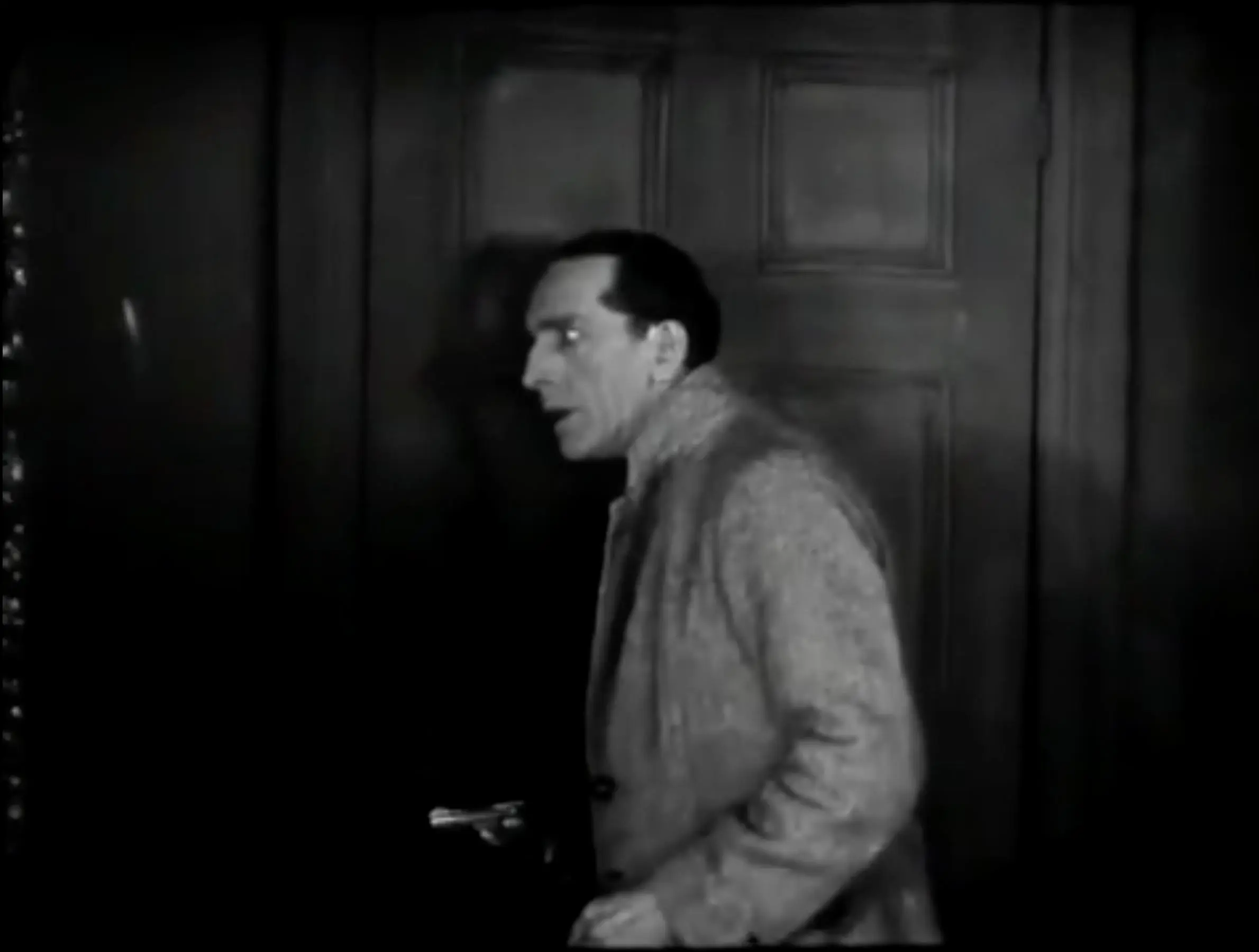
What makes 'The Man with the Limp' particularly fascinating is its bold premise: Dr. Fu-Manchu is widely believed to be dead. Yet, his nefarious shadow continues to loom, a testament to the organizational brilliance and cult-like devotion he instilled in his followers. The Si-Fan, far from disbanding, intensifies its awful work, proving that the roots of evil run deeper than any single individual. This narrative choice elevates the stakes, transforming the conflict from a direct confrontation with a mastermind to a more insidious battle against a pervasive ideology. It's a psychological thriller wrapped in a cloak-and-dagger adventure, where the protagonists, likely led by figures such as Joan Clarkson and Humberston Wright, must contend not just with agents of the Si-Fan, but with the very idea of an enemy that cannot be definitively vanquished. The film cleverly exploits the audience's familiarity with Fu-Manchu's formidable intellect, suggesting that his contingency plans or the sheer momentum of his organization are sufficient to continue his reign of terror. This concept of a villain's legacy outliving their physical form is a powerful one, often explored in subsequent thrillers, and here it is handled with a compelling sense of dread. The air of mystery surrounding Fu-Manchu's true fate adds a layer of delicious uncertainty, keeping viewers on the edge of their seats, wondering if the master manipulator will indeed make a dramatic return.
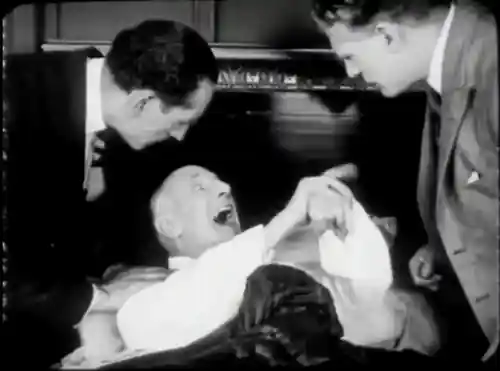
Central to the Si-Fan's continued machinations in 'The Man with the Limp' is the introduction of the 'dreaded Flower of Silence.' This botanical weapon is a stroke of genius, embodying the insidious, often exotic methods employed by Fu-Manchu's society. Unlike a blunt instrument or a visible poison, the Flower of Silence suggests a more subtle, perhaps even ethereal, form of incapacitation or demise. Its very name evokes a chilling quietude, a cessation of activity or voice, which could be interpreted in myriad terrifying ways – a paralysis, a loss of memory, or even a silent, untraceable death. This macguffin is not merely a plot device; it is a symbol of the Si-Fan's scientific cunning and their complete disregard for conventional morality. Its deployment likely involves stealth, precision, and a deep understanding of its victims' vulnerabilities, adding another layer of psychological terror. The visual potential of such a weapon, even in the early days of cinema, would have been immense, allowing for scenes of eerie beauty juxtaposed with profound horror. This element distinguishes the film, much like the unique perils found in contemporary adventure serials. The 'Flower of Silence' is a testament to the creative ingenuity of Rohmer and his adaptors, presenting a threat that is both tangible and deeply unsettling, forcing the protagonists to confront not just an organization, but a truly diabolical form of scientific warfare. It’s the kind of inventive menace that makes a story truly unforgettable, a silent scream frozen in time.
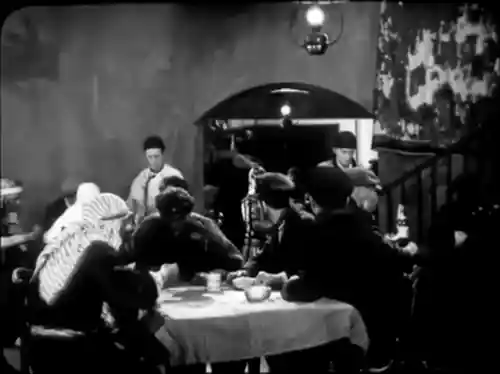
The ensemble cast of 'The Man with the Limp', including Joan Clarkson, Julie Suedo, Humberston Wright, Frank Wilson, H. Agar Lyons, Fred Paul, and Roy Raymond, would have been tasked with embodying the archetypes essential to a Fu-Manchu narrative. One can imagine Joan Clarkson or Julie Suedo portraying the intrepid, perhaps imperiled, heroine whose fate is inextricably linked with the Si-Fan's schemes. Their performances would need to convey both vulnerability and resilience, a common trope in the era's thrillers, much like the spirited heroines in films such as Reckless Youth or The Mating. Humberston Wright, Fred Paul, or Frank Wilson would likely fill the roles of the determined investigators or perhaps even the titular 'Man with the Limp,' a character whose physical peculiarity might mask a deeper, more sinister identity, or conversely, mark him as a victim or an unlikely ally. H. Agar Lyons, with his imposing presence, would naturally lend himself to the role of a menacing Si-Fan operative, a silent enforcer of Dr. Fu-Manchu's will. The success of such a serial often hinges on the actors' ability to project intense emotion and palpable danger without the benefit of extensive dialogue, relying instead on expression and physical presence. Each cast member, through their portrayal, contributes to the overarching atmosphere of suspense and intrigue, making the shadowy world of the Si-Fan feel chillingly real. Their collective efforts ensure that the narrative's tension is maintained, drawing the audience deeper into the labyrinthine plot where danger lurks at every turn, and trust is a rare commodity.
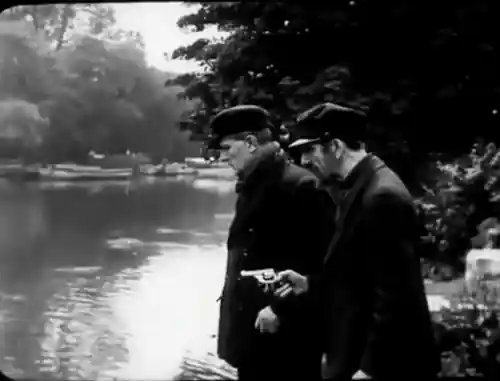
The direction of 'The Man with the Limp', likely overseen by Frank Wilson and A.E. Coleby as writers, would have been crucial in translating Rohmer's intricate plots and exotic terrors to the screen. In an era where cinematic language was still evolving, the emphasis would have been on clear, dramatic storytelling, utilizing visual cues to build suspense. Close-ups on the 'Flower of Silence' or the terrified expressions of its victims, strategic use of shadows to obscure villains or hint at their presence, and swift, dynamic editing during chase sequences would have been vital. The aesthetic of the film would undoubtedly draw from the popular perception of 'Oriental' mystery, with its blend of the arcane and the technologically advanced. The labyrinthine sets, the dimly lit laboratories, and the exotic costumes would all contribute to the sense of a world both familiar and perilously alien. The pacing would have been designed to keep audiences captivated, moving from moments of quiet dread to bursts of thrilling action, a formula perfected in many serials of the time. The challenge for the filmmakers was to create a sense of pervasive threat without relying on explicit gore or overly complex special effects, instead leveraging the power of suggestion and the audience's imagination. This approach, focusing on psychological suspense, is what gives films like 'The Man with the Limp' their lasting impact, demonstrating that true terror often resides in the unseen and the unknown, a principle effectively employed in other suspenseful pictures like The House of Glass or The Devil's Partner, which similarly delved into the shadowy corners of human malevolence.
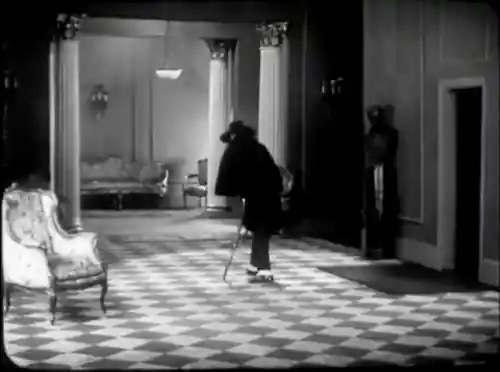
Beyond its thrilling surface, 'The Man with the Limp', like much of the Fu-Manchu oeuvre, resonates with deeper thematic currents prevalent during its time. The pervasive fear of an 'Oriental menace' reflected colonial anxieties and xenophobia, a complex historical context that, while problematic by modern standards, was a significant part of the cultural landscape. The Si-Fan, with its global reach and seemingly inexhaustible resources, symbolized a perceived threat to Western civilization, a powerful and often misunderstood 'other' operating within the very heart of London. The film, therefore, can be viewed as a cultural artifact, offering a glimpse into the societal fears and prejudices of the early 20th century. Furthermore, the recurring theme of enduring evil, personified by Fu-Manchu's lasting influence even in supposed death, speaks to a more universal human dread: the idea that malevolence can never be fully eradicated, only contained or momentarily repelled. This philosophical undercurrent elevates the serial beyond simple pulp entertainment, inviting audiences to ponder the nature of good and evil, and the relentless struggle between them. This battle, often fought in the shadows, mirrors the moral ambiguities explored in other dramatic narratives of the period, such as The Caillaux Case, which delved into political intrigue and moral compromise. The film’s ability to tap into these primal fears and societal anxieties is a testament to its enduring, albeit sometimes uncomfortable, power.
As the eleventh episode, 'The Man with the Limp' occupies a significant position within the expansive Fu-Manchu canon. It demonstrates the flexibility and longevity of Rohmer's creation, allowing for narrative arcs that transcend the direct presence of the villain. This installment serves as a crucial bridge, maintaining the tension and continuity of the larger story while exploring new facets of the Si-Fan's capabilities. For fans of the series, it would have been an eagerly anticipated chapter, offering fresh mysteries and renewed threats. For newcomers, it provides a compelling entry point into a world of high-stakes espionage and exotic danger. The film's contribution lies not just in its individual plot, but in its reinforcement of the overarching mythos: that the Si-Fan is a force to be reckoned with, adaptable and relentless, much like the enduring appeal of similar serialized adventures. Its narrative inventiveness, particularly with the 'Flower of Silence,' ensured that the series never grew stale, constantly introducing new elements to keep the audience engaged. Looking back, 'The Man with the Limp' stands as a vibrant example of early 20th-century serial filmmaking, a potent blend of adventure, mystery, and cultural commentary that continues to intrigue and provoke discussion. It's a reminder of a bygone era of storytelling, where imagination knew no bounds, and the shadows held endless possibilities for terror and excitement. The enduring popularity of such narratives can be seen in the consistent re-imaginings of classic characters, much like the continued fascination with figures from adventure tales like The Lone Star Ranger, demonstrating a timeless human desire for compelling heroes and formidable villains.
Ultimately, 'The Man with the Limp' is far more than just another episode in a long-running serial. It is a finely crafted piece of early cinematic suspense that expertly leverages the established mythology of Dr. Fu-Manchu and the Si-Fan. By having the villain's influence persist even in his presumed absence, the film delves into the psychological horror of an enemy that is ubiquitous and seemingly unstoppable. The introduction of the 'Flower of Silence' provides a fresh, terrifying focal point for the Si-Fan's malevolence, embodying their unique blend of ancient mysticism and diabolical science. The performances, though perhaps constrained by the theatrical styles of the era, would have been pivotal in conveying the high stakes and pervasive dread. The direction, with its emphasis on atmospheric tension and dramatic pacing, successfully translates Rohmer's intricate world to the silent screen, captivating audiences with its blend of exotic intrigue and thrilling action. While viewed through a modern lens, some of its thematic elements might spark critical discussion, its historical significance as a thrilling adventure and a mirror of societal anxieties remains undeniable. This film, therefore, stands as a compelling testament to the enduring appeal of the Fu-Manchu saga, a chilling chapter that reinforces the legend of an evil so profound, it transcends even death itself, securing its place as a memorable entry in the pantheon of early cinematic thrillers.

IMDb 7.1
1932
Community
Log in to comment.