DbcultAccessing Vault...
5/10
Senior Film Conservator
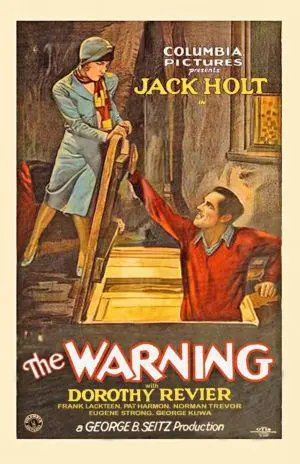
A definitive 5/10 rating for a film that redefined the boundaries of cult cinema. The Warning remains a cornerstone of transgressive art.
Is The Warning (1927) a lost gem of the silent era? Short answer: yes, but only if you have the stomach for unpolished pulp and the era's specific brand of cultural friction.
This film is for the cinephile who values raw energy over technical perfection and for those interested in the roots of the espionage genre. It is definitely not for anyone looking for a polite, stagey drama or a sanitized historical perspective.
1) This film works because: It prioritizes kinetic action and genuine suspense over the static melodrama that plagued many of its contemporaries.
2) This film fails because: The middle act becomes a confusing tangle of hotel corridors and missed connections that stalls the narrative momentum.
3) You should watch it if: You want to see a rare example of 1920s 'British Silent Service' fiction that feels more like a proto-noir than a Victorian adventure.
George B. Seitz was a director who understood the value of a high-stakes environment. In The Warning, he utilizes the setting of the China coast not as a mere backdrop, but as a character in itself. The 'House of a Thousand Delights' is a masterclass in silent film production design. It feels lived-in, dangerous, and claustrophobic.
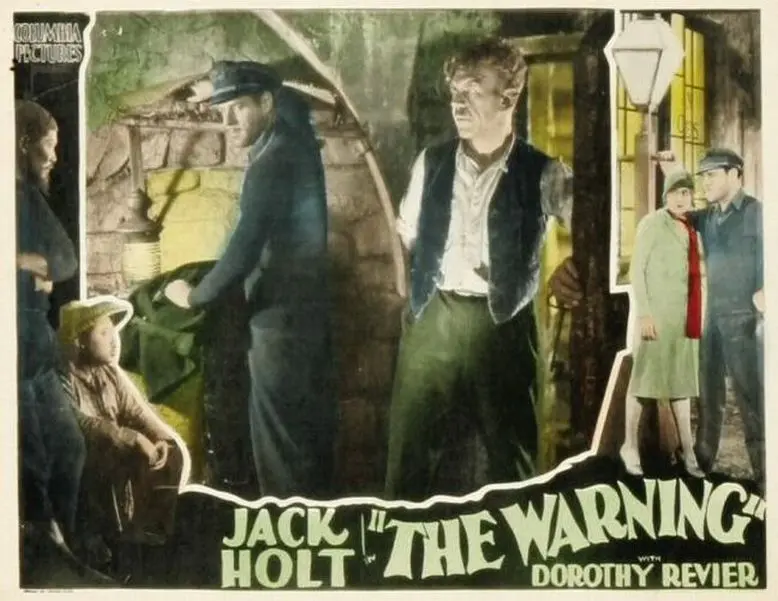
Unlike the more polished sets seen in The Rag Man, the environments here are grimy. When Tom Fellows (Eugene Strong) enters the den, the lighting is intentionally murky. It forces the viewer to squint, to look for threats in the shadows. This isn't the romanticized East; it's a port of call for the desperate.
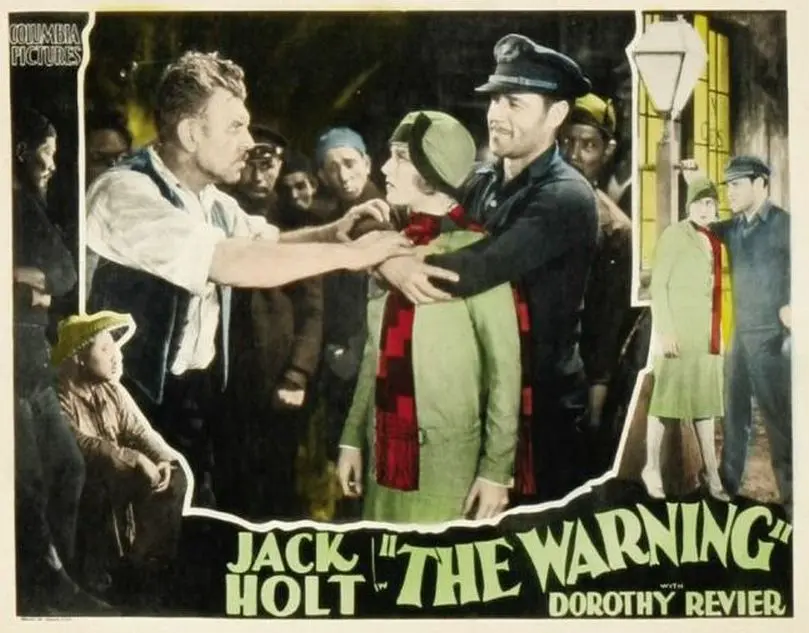
The brawl that breaks out to rescue Mary Blake is surprisingly modern in its execution. There is a lack of the usual 'swinging-at-the-air' choreography common in the 20s. Instead, we get a messy, desperate scramble. It works. But it’s flawed by a few frames of over-acting from the background extras.
Eugene Strong plays Fellows with a rigid, almost military posture that stands in contrast to his supposed life as an opium smuggler. This is a deliberate choice. A critic looking closely will see the 'tell'—the way he scans a room isn't that of a criminal, but of an operative. It's a subtle performance in an era known for broad gestures.
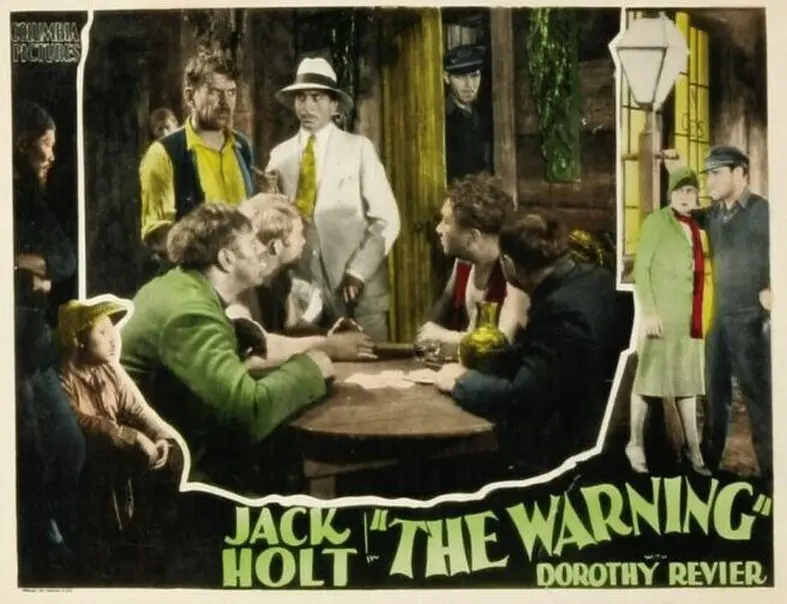
Dorothy Revier as Mary Blake is equally compelling. She avoids the 'damsel' trap for much of the film. When she flees to the hotel, her movements are calculated. Revier shows more range here than in some of her more conventional roles, such as in Exit the Vamp. She plays Mary as a woman with a secret that weighs as heavily as Fellows'.
The chemistry between the two is built on mutual suspicion rather than instant love. This is a refreshing departure. They spend more time trying to outmaneuver each other than they do staring longingly into each other's eyes. This tension drives the plot forward even when the script by Lillian Ducey starts to loop.
George B. Seitz came from the world of serials, and it shows. He doesn't care about the poetic lingering shots you might find in Die Flucht in die Nacht. He cares about the next beat. He cares about the chase.
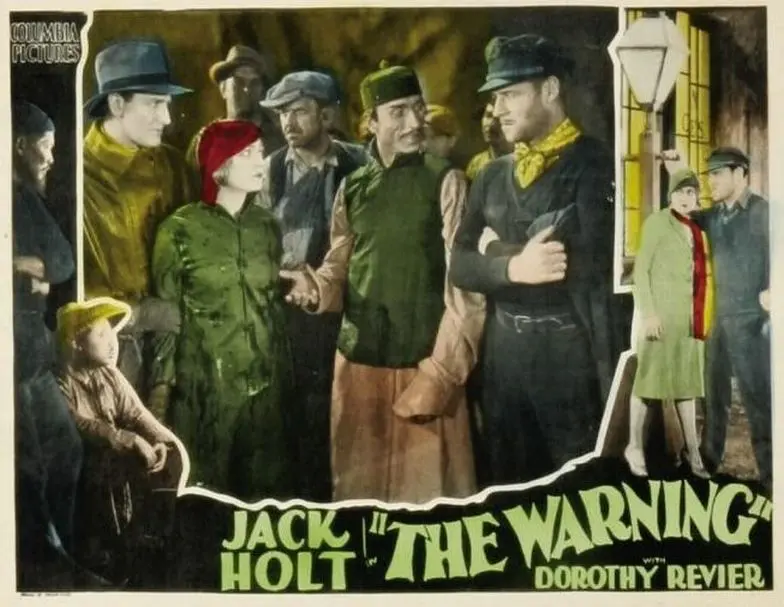
The pacing of the final third is relentless. The use of a machine gun to disperse a mob at a Chinese temple is a shocking visual for 1927. It’s a moment of pure, unadulterated pulp. It’s brutal. It’s simple. And it’s effective. The camera placement during this sequence—low and behind the gunner—puts the audience in the line of fire.
However, this focus on action leads to a neglect of the supporting cast. Actors like Frank Lackteen and George Kuwa are relegated to archetypes. They do what they can with the material, but the film is clearly a vehicle for Strong and Revier. The lack of depth in the antagonists makes the stakes feel slightly lower than they should be.
Should you seek out a copy of The Warning today? Yes, if you are interested in the evolution of the action-thriller. It serves as a bridge between the adventure serials of the early 1910s and the sophisticated espionage films of the 1930s. It offers a fascinating, if problematic, look at how Western cinema viewed the 'Far East' during the interwar period.
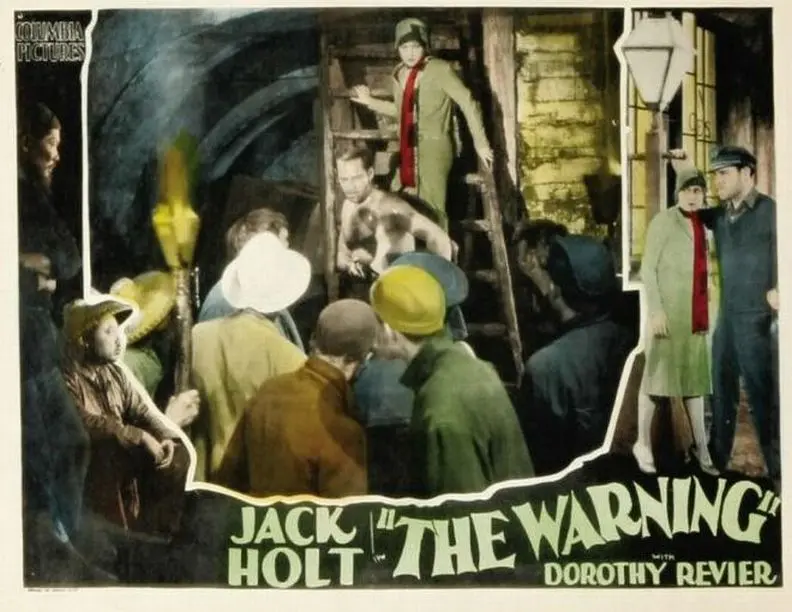
The film is a fast-paced blend of mystery and violence. While it lacks the emotional depth of something like Young Mrs. Winthrop, it makes up for it with sheer bravado. It is a movie that knows exactly what it is: a Saturday afternoon popcorn flick from a century ago.
Pros:
The film features a strong, stoic lead performance by Eugene Strong. The set design for the 'House of a Thousand Delights' is evocative and atmospheric. The pacing in the final reel is excellent, providing a satisfying payoff to the tension.
Cons:
The middle section of the film feels padded. Some of the secondary characters are thin and rely on period-typical stereotypes. The transition from the smuggling plot to the 'British Silent Service' reveal is handled a bit clumsily through intertitles.
When compared to other action-oriented films of the time like Mile-a-Minute Romeo, The Warning feels significantly darker. It doesn't have the lightheartedness of a Western. It feels more akin to The Man from Hell's River in its willingness to show the uglier side of its protagonist's world.
The film’s focus on secret identities also brings to mind Ferragus, though Seitz’s direction is much more concerned with the physical world than the psychological one. It’s a film of movement, not of thought.
The Warning (1927) is a rough-edged thriller that manages to transcend its pulp origins through sheer momentum. It isn't a high-art masterpiece, but it doesn't try to be. It is a confident, aggressive piece of filmmaking that showcases George B. Seitz's ability to craft tension out of thin air. While the cultural depictions are firmly rooted in 1927, the central mystery and the kinetic energy of the action scenes remain surprisingly effective. It’s a loud film for a silent one. It demands your attention and, for the most part, it earns it.
IMDb —
1923
Community
Log in to comment.