DbcultAccessing Vault...
5.2/10
Senior Film Conservator
A definitive 5.2/10 rating for a film that redefined the boundaries of cult cinema. The Floor Below remains a cornerstone of transgressive art.
The year 1919 was a crucible of transformation for the cinematic medium, a period where the primitive flickers of the nickelodeon era were coalescing into a sophisticated visual language. Amidst this transition, The Floor Below emerges as a fascinating artifact of comedic subversion. Starring the inimitable 'Snub' Pollard, this short film eschews the grandiosity of contemporary epics like 20,000 Leagues Under the Sea in favor of a localized, almost claustrophobic domesticity that serves as the perfect pressure cooker for slapstick brilliance.
The narrative architecture of The Floor Below is deceptively simple, yet it resonates with a quotidian anxiety that was palpably relatable to post-WWI audiences. Pollard, with his signature downward-slanting mustache and a physicality that suggests a man perpetually caught in a windstorm, portrays the quintessential 'henpecked' husband. This trope, while perhaps dated by contemporary sociological standards, was the bedrock of early 20th-century humor. However, what distinguishes this film from its peers is the introduction of a mirror image—a fellow sufferer inhabiting the space directly beneath our protagonist.
This vertical alignment of misery creates a unique spatial dynamic. While films like The Barrier utilized vast landscapes to illustrate human struggle, The Floor Below finds its tension in the floorboards and the shared ceiling. The camaraderie that develops between these two men is not born of high ideals but of a shared, desperate need for a cigarette and a moment’s peace from the relentless demands of their wives. The film subtly suggests that the 'floor below' is not just a location, but a psychological basement where the suppressed masculine ego retreats before its inevitable eruption.
Pollard’s performance is a masterclass in the economy of movement. Unlike the balletic grace of Chaplin or the stone-faced acrobaticism of Keaton, Pollard operates with a frantic, almost clockwork precision. Every gesture is a cog in a larger comedic machine. In The Floor Below, his interactions with Sammy Brooks and Marie Mosquini highlight a chemistry that was honed through the rigorous production schedules of the Hal Roach studio. Mosquini, often relegated to the role of the foil, possesses a formidable screen presence that justifies Pollard’s initial trepidation. Her performance provides the necessary resistance that makes the eventual 'turning of the tables' so cathartic for the audience.
When we compare the comedic timing here to the melodramatic pacing of The Song of Songs, the sheer velocity of the silent comedy becomes apparent. There is no room for the lingering gaze or the protracted sigh; every frame must contribute to the escalating entropy of the situation. The way Pollard utilizes the physical space—climbing between floors, hiding in corners, and eventually asserting dominance—is a testament to the directorial vision that prioritized movement over dialogue, even in its most basic form.
The pivot point of the film—the rebellion—is staged with a carnivalesque energy. It is a moment of pure cinematic anarchy. As the two men unite, the film shifts from a study of domestic subjugation to a celebration of fraternity. This theme of male bonding in the face of perceived oppression is a recurring motif in the era, seen in more rugged forms in films like 'Blue Blazes' Rawden. However, in the hands of Pollard and his cohort, the rebellion is stripped of its machismo and replaced with a childlike sense of mischief. They aren't just fighting for their rights; they are fighting for the right to be ridiculous.
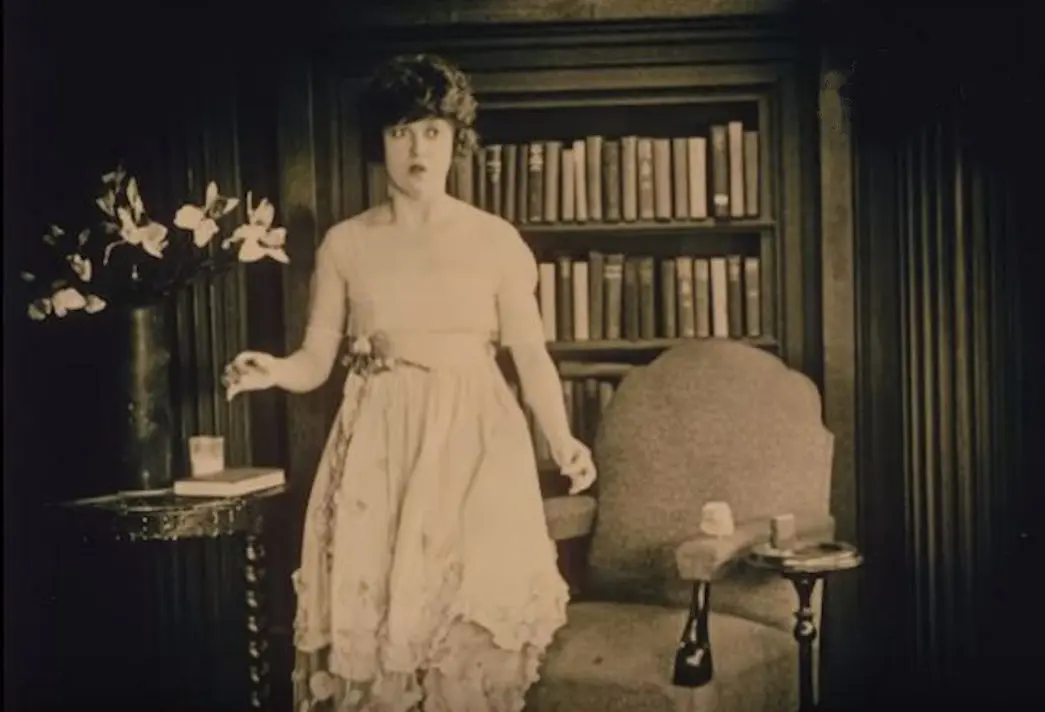
The technical execution of the chase sequences and the physical gags within the confined apartments demonstrates a sophisticated understanding of frame composition. The camera, though largely static as was the custom, is positioned to maximize the depth of the room, allowing for multiple layers of action to occur simultaneously. This density of visual information ensures that the film remains engaging even a century later. It lacks the surrealist flair of La spirale della morte, but it replaces that avant-garde ambition with a grounded, relatable absurdity.
To truly appreciate The Floor Below, one must view it against the broader tapestry of world cinema in the late 1910s. While the Italians were exploring the religious and historical grandeur of Frate sole, and the Hungarians were refining narrative structure in Szent Péter esernyöje, the American slapstick tradition was perfecting the art of the 'short.' These films were the laboratory for techniques that would eventually define the Golden Age of Hollywood.
Consider the moral weight found in The Goddess or the dark, superstitious undertones of Witchcraft. The Floor Below stands in stark contrast to these heavy-handed narratives. It offers a reprieve—a brief, shining moment of levity that doesn't ask the audience to contemplate their mortality or their sins, but rather to laugh at the inherent indignity of the human condition. Even the more somber Nurse Cavell, with its high-stakes political drama, cannot match the pure, unadulterated joy of a well-timed pratfall by Sammy Brooks.
Pollard’s career is often overshadowed by his association with Harold Lloyd, but The Floor Below proves he was a formidable lead in his own right. His ability to convey a complex range of emotions—from weary resignation to manic glee—without the benefit of spoken word is a skill that has largely been lost in the age of the talkies. The film also serves as a showcase for the supporting cast, including Ernie Morrison Sr. and Gaylord Lloyd, who provide the necessary texture to the film’s world. The inclusion of Ernest Morrison (the first African American child star) in these Roach shorts was also a progressive, if complicated, element of the studio’s history.
In the grand scheme of cinema, The Floor Below might be seen as a minor work, a mere footnote compared to the seafaring adventures of The Millionaire Pirate. Yet, there is a profound honesty in its depiction of the domestic struggle. It captures a specific moment in time when the world was changing rapidly, and people needed to see their own daily frustrations reflected back at them through a lens of humor. It shares a certain thematic DNA with A Man There Was, though Sjöström’s film deals with the isolation of the sea, while Pollard deals with the isolation of the living room.
The film concludes not with a return to the status quo, but with a triumphant, if temporary, victory for the protagonists. This subversion of the 'happy ending'—where the husband usually apologizes for his wayward behavior—is what gives The Floor Below its bite. It is a proto-feminist’s nightmare and a frustrated husband’s daydream, played out with the grace of a circus act. The visual storytelling is so potent that it transcends the need for intertitles, relying instead on the universal language of the body in motion.
As we look back from the vantage point of the 21st century, the film remains remarkably watchable. Its pacing is brisk, its gags are inventive, and its central performance is charismatic. It doesn't possess the tragic depth of The Woman and the Beast or the moral complexity of The Forbidden Path, but it doesn't need to. It is a celebration of the 'little man' standing up to the forces that seek to diminish him, whether those forces are societal expectations or a particularly demanding spouse. In the end, The Floor Below is a reminder that comedy is often the most effective tool for navigating the complexities of human relationships. Whether compared to the biblical scale of Maria Magdalena or the grit of a western, this short film holds its own as a quintessential example of silent era ingenuity. It is a vibrant, flickering testament to the power of laughter in an often-unforgiving world.

IMDb 6.8
1936
Community
Log in to comment.