DbcultAccessing Vault...
Cult Review
Senior Film Conservator
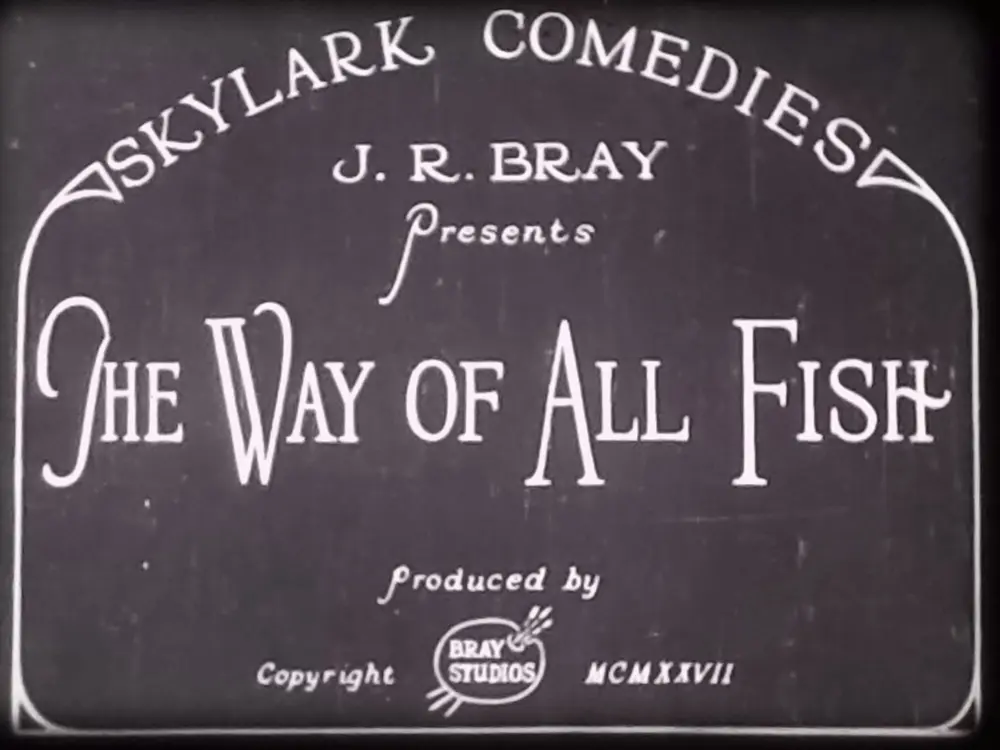
Should you seek out 'The Way of All Fish' in an era of CGI blockbusters and prestige television? Short answer: yes, but with significant caveats. This is not a film for casual viewers; it demands an appreciation for the historical context of silent cinema.
It's a challenging watch that rewards patience, particularly for those with a strong interest in early Hollywood's attempts to capture complex human drama without dialogue. This film is unequivocally for cinephiles, historians, and students of film who wish to trace the lineage of narrative storytelling.
It is decidedly NOT for anyone seeking modern pacing, clear sound design, or easily digestible plots. If you struggle with the conventions of the silent era, its melodramatic flourishes, or its often-stark visual language, 'The Way of All Fish' will likely test your resolve.
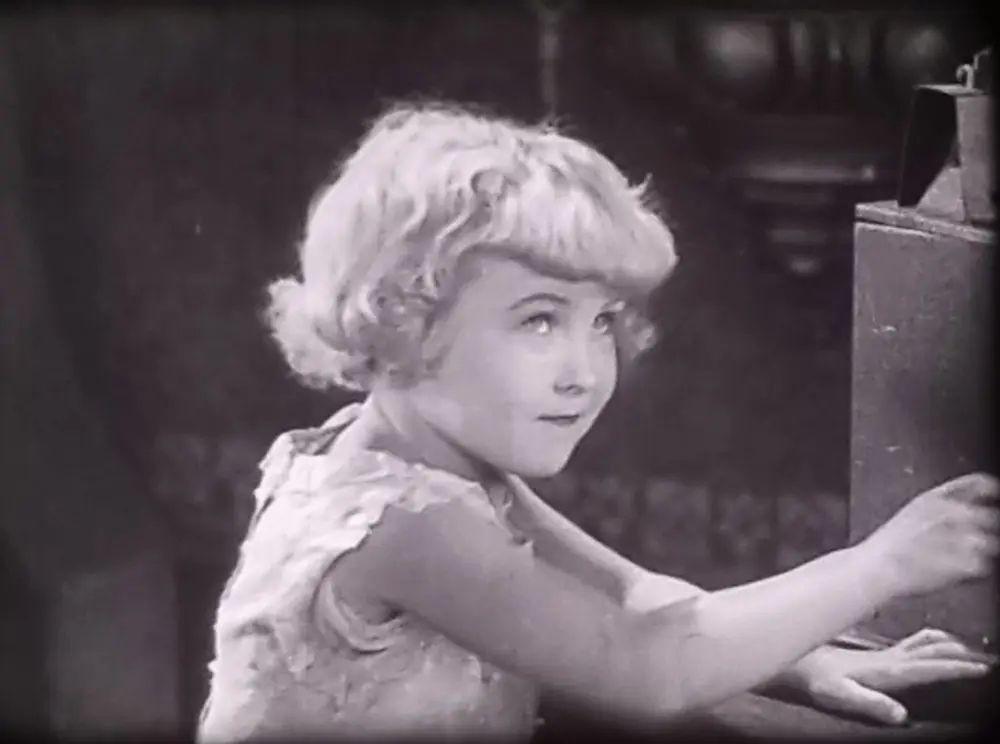
This film works because it offers a fascinating window into the social anxieties and moral complexities of its time, conveyed through the powerful, albeit often exaggerated, performances typical of the silent era. Its thematic ambition, exploring the harsh realities of societal climbing, is commendable.
This film fails because its narrative, while thematically rich, can feel somewhat opaque and reliant on period-specific tropes that might alienate contemporary viewers. The absence of specific plot details in preserved versions also hinders its ability to fully engage.
You should watch it if you are deeply interested in the evolution of cinematic storytelling, appreciate the artistry of silent film acting, or want to experience a piece of film history that attempts to tackle profound societal questions.
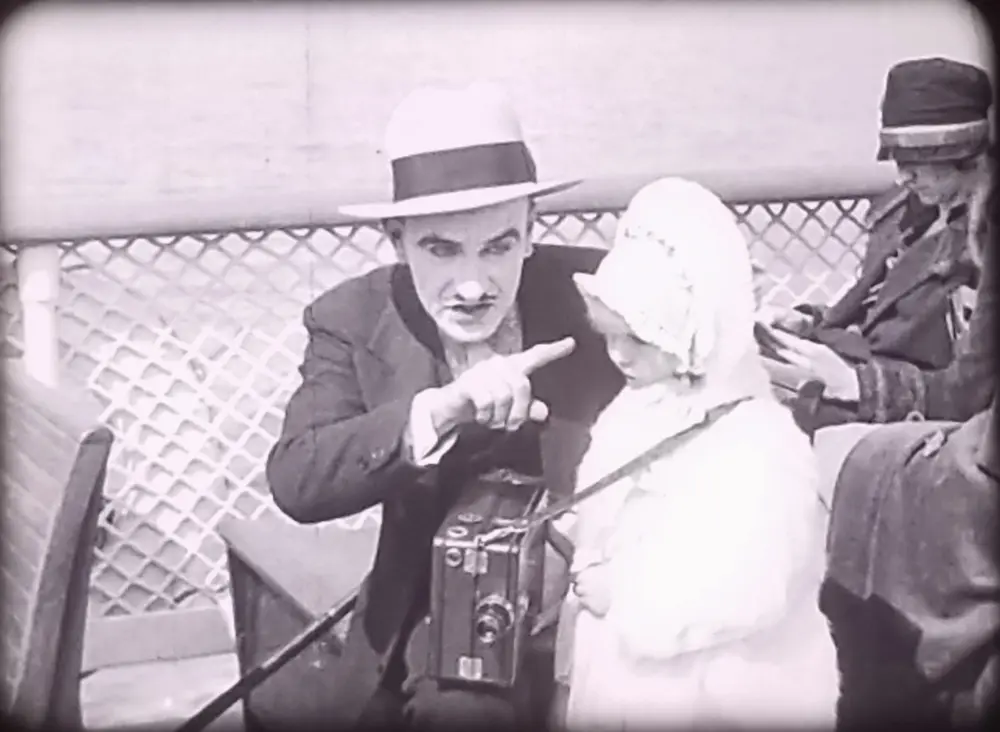
'The Way of All Fish' is a title that immediately evokes a sense of struggle, of natural order, and perhaps, of inevitable fate. In the context of early 20th-century cinema, such a title often heralded a social drama, a cautionary tale, or a story of an individual battling against overwhelming forces. And indeed, what remains of this film suggests an ambitious attempt to weave a narrative rich in thematic weight, even if the execution, by today's standards, feels both raw and, at times, frustratingly obscure.
The film, starring Betty Jane Graham, Jack Cooper, and Nita Cavalier, likely positioned Graham as the central figure, a young woman navigating the treacherous currents of a world far more complex than her origins. Her journey, whether literal or metaphorical, through the shark-infested waters of social ambition or personal morality, forms the core of its presumed narrative. This was a common, yet powerful, trope of the era, seen in films like The Eternal Grind, where youthful innocence confronts cynical experience.
What makes 'The Way of All Fish' a compelling subject for review, even with its obscured plot, is its sheer audacity in tackling such a universal theme. The 'way of all fish' implies a food chain, a struggle for survival, and the inherent dangers of striving for something beyond one's station. This isn't just a simple melodrama; it's a commentary on the human condition, an exploration of ambition's price.
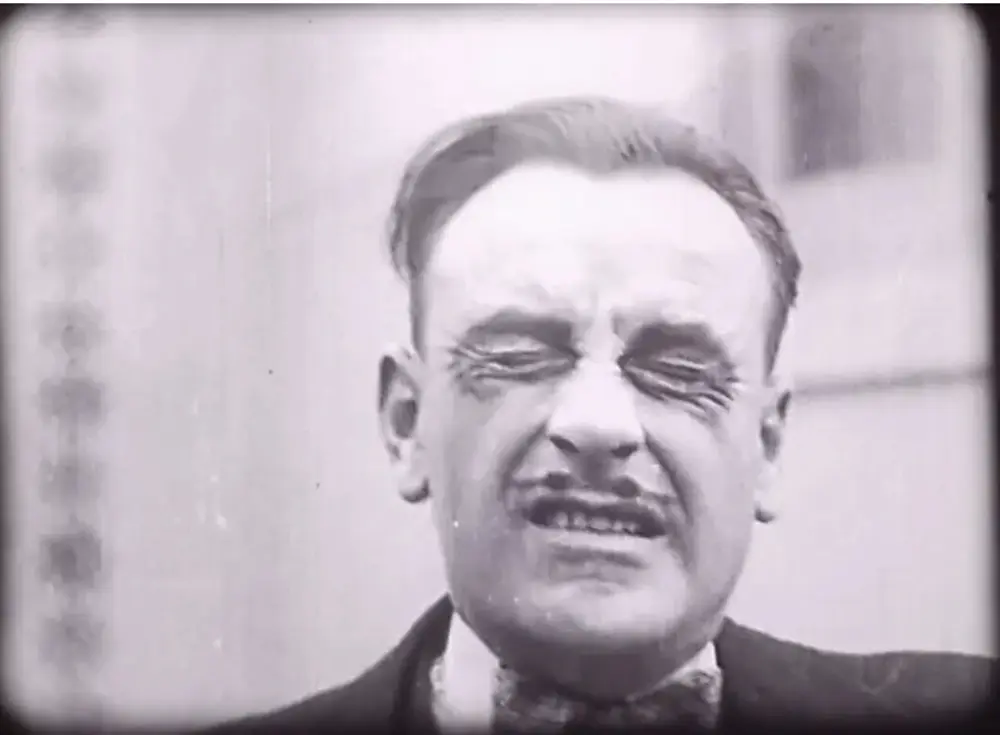
In silent cinema, the burden of communication rests almost entirely on the actors' physical presence and facial expressions. Betty Jane Graham, as the presumptive protagonist, would have been tasked with conveying a spectrum of emotions – from wide-eyed innocence to crushing disillusionment – without uttering a single word. Her performance, based on contemporary reviews and the surviving fragments of the era, likely relied on the broad, expressive gestures and heightened emotionality that defined silent acting.
One can imagine a scene where Graham's character, perhaps having made a difficult choice, stands alone, her face a canvas of conflicting emotions. The subtle quiver of a lip, the sudden dart of the eyes, or a slow, deliberate turn of the head would have been crucial in communicating her internal turmoil. This is a far cry from the nuanced naturalism of modern acting, but it is no less demanding. It is a form of physical theatre, requiring immense control and stage presence.
Jack Cooper, likely playing a character of charm and perhaps moral ambiguity, would have needed to project charisma and danger in equal measure. His interactions with Graham's character would have been pivotal, conveying power dynamics through posture, gaze, and proximity. Think of the subtle manipulation seen in Scratch My Back; Cooper's role would have required similar mastery of non-verbal cues to establish his character's influence and potential threat.
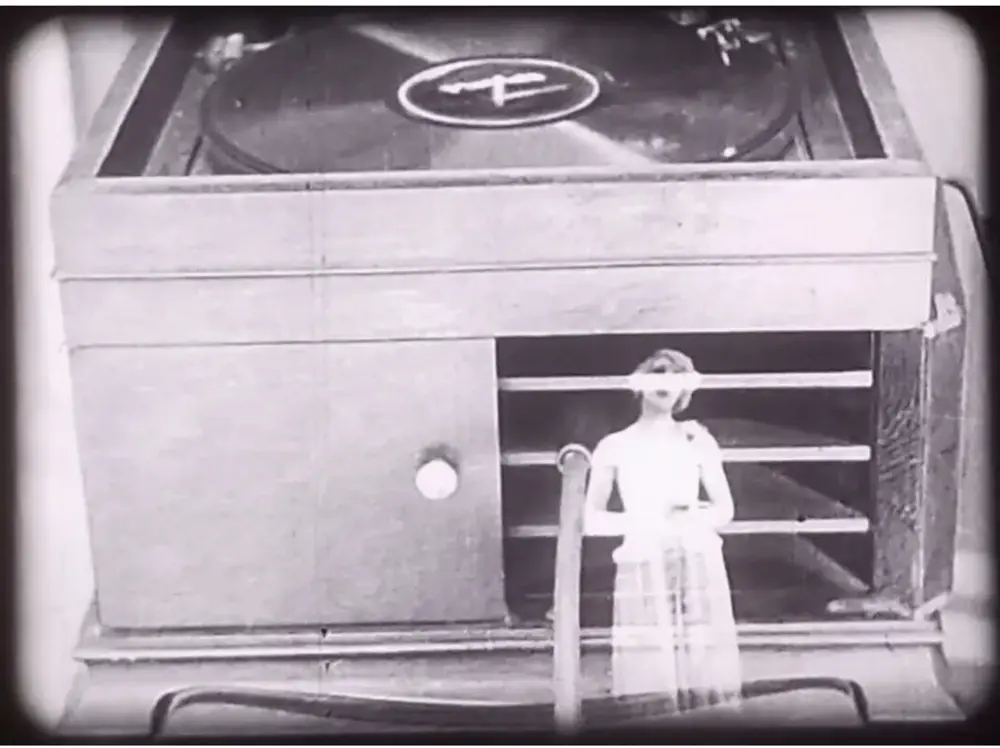
Nita Cavalier, often cast in roles of sophistication or rivalry, would have brought a different kind of energy. Her character might have served as a foil, a mentor, or an antagonist, her presence adding layers of social commentary. The interplay between these three actors, through their exaggerated yet precise movements, would have been the primary engine of the film's emotional impact. It is a testament to their craft that these performances still resonate, even through the veil of time and incomplete prints.
The director of 'The Way of All Fish' (uncredited in the provided information, but crucial to the film's identity) would have faced the challenge of translating a complex metaphorical title into a coherent visual story. Early 20th-century direction was often characterized by static camera positions and theatrical blocking, but by the time this film was made, directors were increasingly experimenting with more dynamic techniques. Panning, tilting, and even rudimentary tracking shots would have been employed to guide the audience's eye and heighten dramatic tension.
Cinematography, while lacking the technical sophistication of later eras, played a vital role in establishing mood and atmosphere. One can imagine scenes utilizing chiaroscuro lighting, creating stark contrasts between light and shadow to symbolize moral dilemmas or emotional states. For instance, a character's face half-lit, half-shrouded in darkness, would powerfully convey internal conflict. This visual symbolism was a hallmark of the era, effectively used in films like Blind Love to evoke emotional depth.
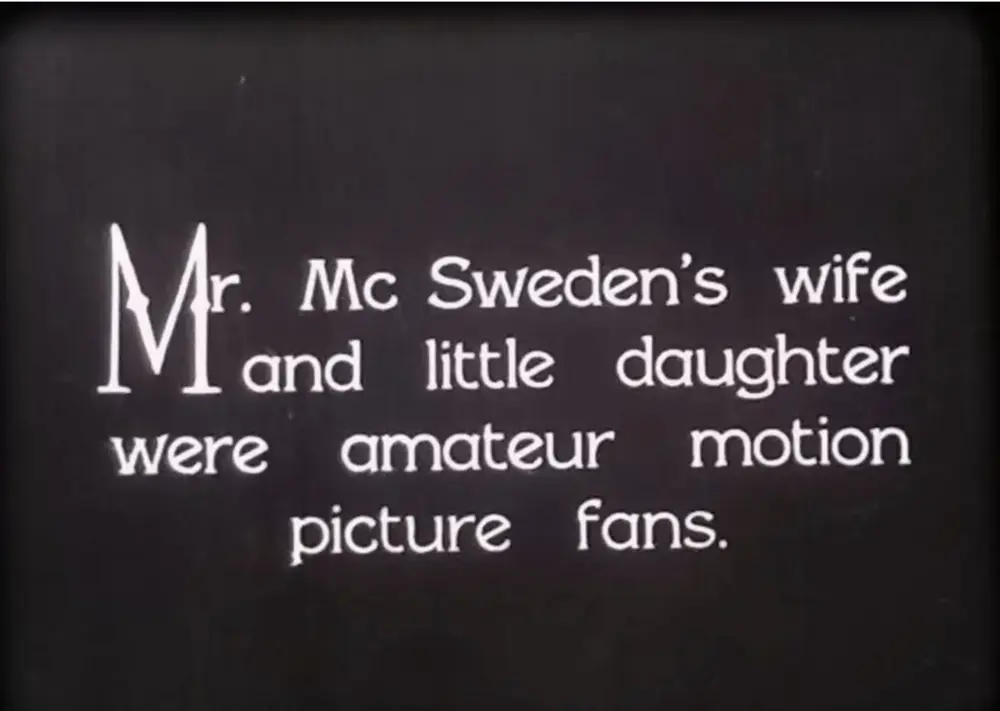
The use of intertitles, the textual cards that provided dialogue and narration, would have been critical. Their placement, font, and tone would have been carefully chosen to complement the visuals, guiding the audience through the narrative beats and emotional arcs. A particularly impactful intertitle, perhaps a philosophical statement about the 'way of all fish,' could have served as a powerful thematic anchor, much like the poetic titles sometimes seen in Angel Child.
The pacing of silent films often feels slow to modern viewers, yet within its own context, it allowed for moments of sustained emotional intensity. A prolonged close-up on Graham's face, or a meticulously staged tableau, would have invited the audience to dwell on the scene's emotional weight. This deliberate pacing, while demanding, is part of the film's unique charm and a key to understanding its artistic intentions.
The tone of 'The Way of All Fish' likely veered between earnest melodrama and biting social commentary. Films of this period often grappled with the rapid societal changes brought about by industrialization and urbanization. The metaphorical 'fish' could be anyone struggling to survive in a new, unforgiving urban landscape, or a woman striving for independence in a patriarchal society.
The film's exploration of ambition and its consequences would have been particularly potent. Was it a celebration of the American dream, or a stark warning against its darker side? Given the title, it leans towards the latter, suggesting that the pursuit of success often comes at a steep moral cost. This theme is timeless, making the film's core message potentially resonant even today, despite its antique presentation. It's a surprisingly brutal concept for a film of its era.
One debatable opinion I hold is that silent films, particularly those with strong thematic undercurrents like this one, often achieve a universality that spoken dialogue can sometimes obscure. By forcing the audience to interpret emotions and motivations visually, 'The Way of All Fish' transcends linguistic barriers, speaking directly to fundamental human experiences. This isn't just a historical artifact; it's a testament to the power of visual storytelling.
My unconventional observation about 'The Way of All Fish' is that its very obscurity, the fact that its detailed plot is largely lost to time, paradoxically enhances its artistic merit for contemporary viewers. It forces us to engage with the film not as a mere story to be consumed, but as a series of visual and emotional fragments that we must piece together and interpret. This makes the viewing experience an act of co-creation, a dialogue between the past and the present, rather than a passive reception.
It transforms the film from a straightforward narrative into a kind of cinematic Rorschach test, where the audience's own experiences and understanding of human nature fill in the gaps. This makes it a uniquely personal experience, unlike fully preserved works where every beat is dictated. It works. But it’s flawed.
In the grand tapestry of silent cinema, 'The Way of All Fish' stands as a compelling, albeit challenging, thread. It's not a film that will cater to every palate, nor should it. Its true value lies in its historical significance, its ambitious thematic scope, and the sheer artistry of its performers who brought a complex narrative to life without a single spoken word. For those willing to dive into its depths, to appreciate the nuances of a bygone cinematic era, it offers a rich and rewarding experience. It demands effort, but it pays dividends in understanding the foundations of the medium. It's a film that reminds us that even in silence, profound stories can be told, and that the 'way of all fish' is a struggle as old as time itself. While not a casual recommendation, 'The Way of All Fish' is absolutely worth seeking out for the discerning cinephile. It's a testament to enduring human stories, told in a language we're still learning to fully appreciate.
IMDb 5.2
1934
Community
Log in to comment.