DbcultAccessing Vault...
6.3/10
Senior Film Conservator
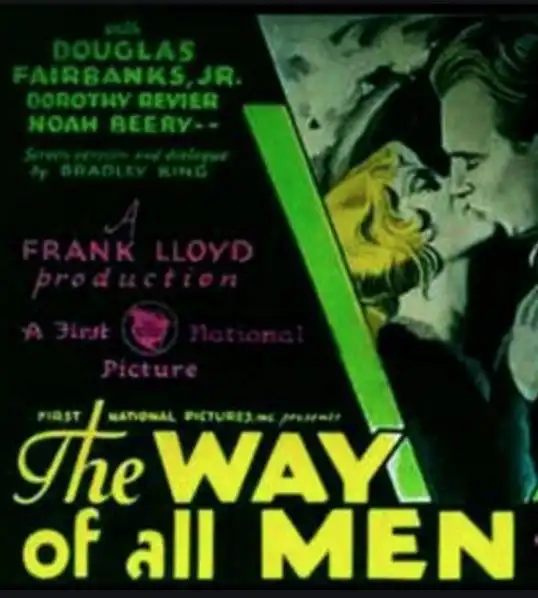
A definitive 6.3/10 rating for a film that redefined the boundaries of cult cinema. The Way of All Men remains a cornerstone of transgressive art.
Alright, so The Way of All Men from 1930. Is it worth tracking down today? Well, if you’re a classic film enthusiast, especially someone interested in early sound films or melodramas with a twist, then maybe. It offers a fascinating, if sometimes creaky, window into filmmaking from nearly a century ago. Everyone else? You’ll probably find it slow, the sound a bit rough, and the acting a little… much. You have been warned! 😉
The whole setup is pretty straightforward. A bunch of folks from all walks of life end up in a swanky-ish underground café. They’re just living their lives, doing their thing, when *boom*, a levee on the Mississippi River decides it’s had enough. Water everywhere. And I mean *everywhere*. The city above is chaos, and pretty soon, the café below starts getting it too. The idea is simple: what do people do when they’re literally trapped, with no escape?
There are a lot of characters packed into this one space. We get Dorothy Revier, who plays a kind of mysterious, glamorous figure, and then there’s Douglas Fairbanks Jr. He’s the young, good-looking one, naturally. He mostly just looks earnest and a bit worried, which is fair, considering. The film doesn’t spend much time building them up before the water starts coming in. It just throws them together.
The flood itself is surprisingly effective for its time. You see the water creeping in, filling the streets. There’s a shot of the café entrance getting swamped, and it really sells the idea that these people are in deep trouble. The special effects aren’t exactly cutting-edge, obviously, but they get the job done. It feels *real enough* to make you clench a little. The sound of the rushing water, even through the old recording tech, is pretty chilling.
Once they’re trapped, the movie becomes a study in human nature under pressure. Or, at least, it tries to be. We see some real jerks, some heroes, and a lot of scared people. One character, a banker played by Henry Kolker, becomes this surprisingly menacing figure. He’s all about protecting his own money, even when everyone else is literally drowning. His performance really stuck with me; the way he clutches his briefcase, even as the water rises around his ankles. It’s a small detail, but it sells his whole deal.
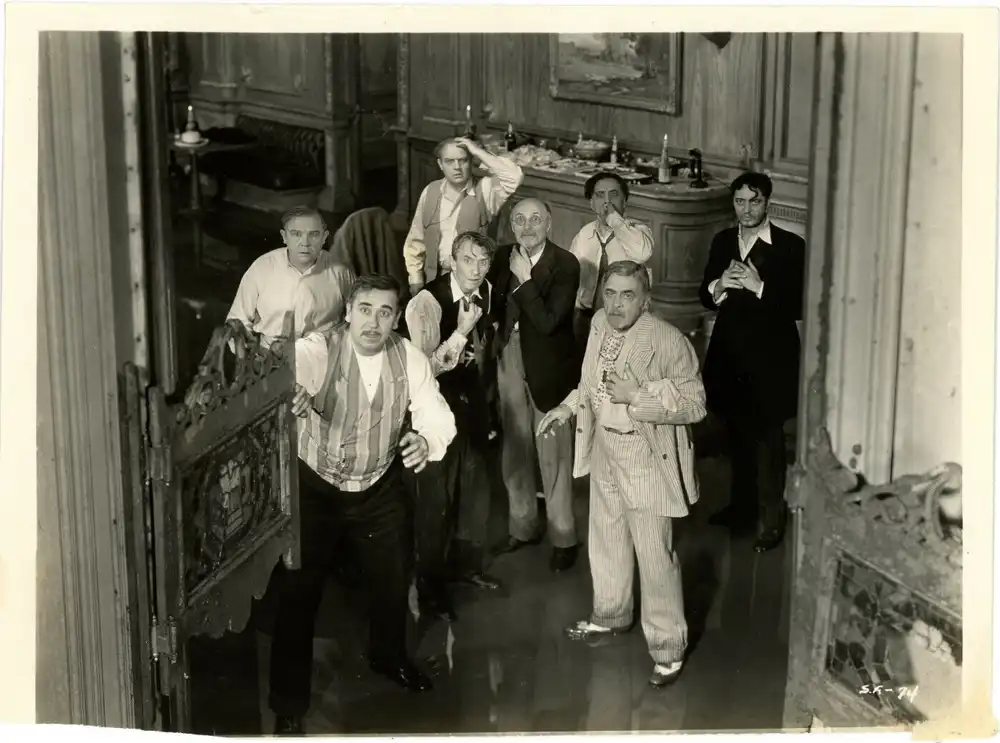
There are moments where the dialogue feels a little stilted, like the actors are still getting used to talking into microphones. This was an early sound film, after all. Sometimes a line will land with a weird thump, and you just kinda wince. But then, there’s a quiet scene, maybe just a long shot of someone’s face as they stare at the rising water, and it just works. Those silent moments often hit harder than all the shouting.
The pacing is… well, it’s 1930s pacing. It takes its time. There are stretches where not a whole lot happens beyond people looking worried and shuffling around the increasingly wet café. One particular scene of them just waiting, waiting, for something to happen, it goes on for what feels like *ages*. You can almost feel the director holding the shot, trying to build suspense, but it just drifts into a kind of quiet stillness.
Douglas Fairbanks Jr. is pretty charming, even when he’s just trying to figure out what to do. He’s got that classic movie star appeal, even in this somewhat chaotic setting. You root for him. But honestly, it’s the supporting players, the ones with the more defined character quirks, who really make things interesting. The guy who’s just trying to keep everyone calm, the woman who's losing her mind a little, they all add something. Not all of them are memorable, of course. Some just feel like they’re there to fill space.
It’s not a perfect film, not by a long shot. The plot gets a little convoluted, and some character arcs just kinda… fizzle out. You expect a big payoff for certain people, and it never quite arrives. But for a movie from 1930, tackling a disaster, it has some genuine tension. It shows how even with limited tech, you can tell a compelling story about people against the elements. You see the efforts, and it’s commendable.
I wouldn’t recommend it for a casual movie night unless you’re *really* into old cinema. But if you're curious about how early sound films tackled grand scale problems, or if you just want to see some classic Hollywood faces in a watery predicament, give it a shot. It's a snapshot of a different time, both on and off screen. 🎬
IMDb —
1935
Community
Log in to comment.