DbcultAccessing Vault...
Cult Review
Senior Film Conservator
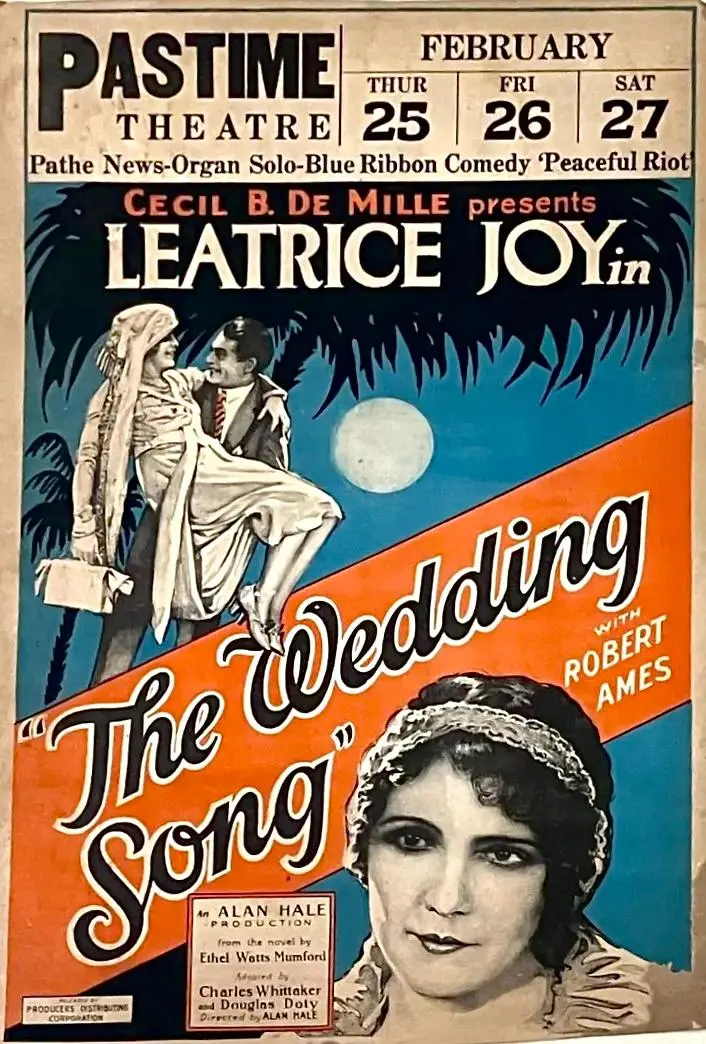
Hayes Hallan, a man with a fortune in pearls from his island roots, finds himself in the cosmopolitan city of San Francisco. His journey is marked by the unlikeliest of friendships: Paul Glynn, a charming and shrewd con artist, enters his life. The film opens with Hayes, now a San Francisco resident, being approached by Paul, who sees an opportunity to exploit Hayes' wealth. This sets the stage for a complex narrative involving love, deception, and redemption.
The dynamics between Hayes and Paul quickly evolve from a business partnership to a more personal bond. Paul introduces Hayes to his sister, Beatrice, who becomes the pivotal character in the story. However, it soon becomes clear that Paul's intentions are less about helping Hayes than they are about manipulating him for his own gain. The narrative takes a sharp turn when Beatrice falls in love with Hayes, complicating Paul's plans and setting in motion a series of events that challenge the characters' moral compasses.

The island setting plays a crucial role in the film's plot, serving as a backdrop for the climax. Hayes, now deeply in love with Beatrice, returns to the island where the pearls are stored. It is here that the true nature of Paul's scheme is revealed, and the characters face the harsh realities of their actions. Beatrice, torn between her love for Hayes and her loyalty to her brother, must make a choice that will change her life forever.
The film's climax is a tense and emotionally charged sequence. Hayes, realizing the danger he and Beatrice face, confronts Paul. A confrontation ensues, where Hayes, forced at gunpoint, is compelled to leave the island with the crooks. However, it is in this moment of crisis that Beatrice's true character shines through. She retrieves a bomb planted under Hayes' house and throws it off a cliff, causing a landslide that sinks the crooks' ship. This act of bravery and selflessness cements her love for Hayes and brings about a resolution that is both satisfying and profoundly moving.
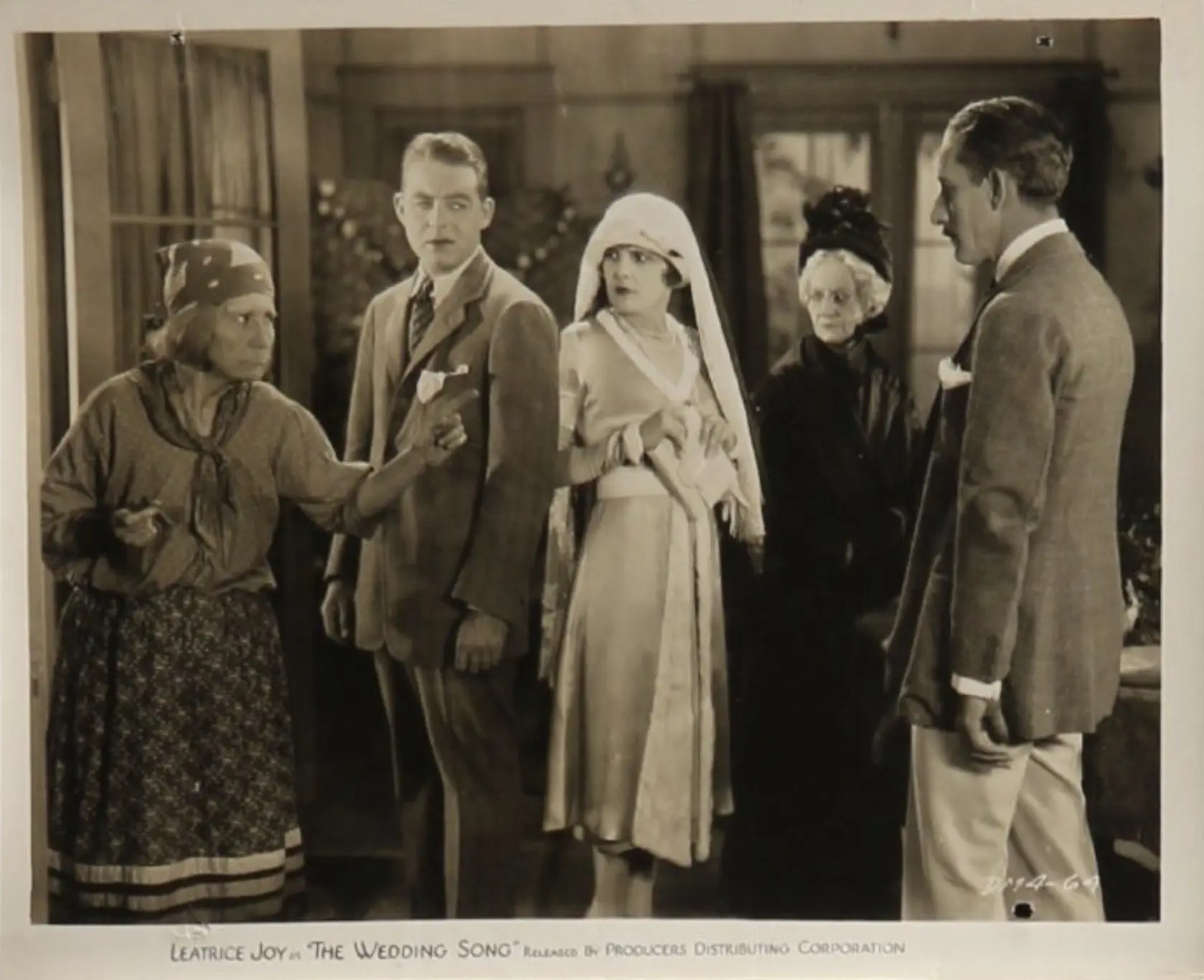
The performances in 'The Wedding Song' are noteworthy, with Robert Ames delivering a nuanced portrayal of Hayes, who transitions from a naive islander to a man who must make difficult decisions. Leatrice Joy, as Beatrice, brings a depth and complexity to her role, capturing the character's internal struggle and emotional journey. Clarence Burton's portrayal of the manipulative Paul Glynn, with its mix of charm and deceit, adds another layer of tension to the narrative.
The film's score and cinematography also deserve mention. The score, though not explicitly mentioned, adds a subtle yet effective layer of atmosphere to the scenes, enhancing the emotional weight of the story. The cinematography captures the beauty of the island setting, providing visual contrast to the darker themes of the film. The use of natural light and shadow plays a significant role in conveying the characters' inner turmoil.
'The Wedding Song' stands as a testament to the era's filmmaking techniques, offering a rich tapestry of storytelling that combines romance, drama, and suspense. It is a film that not only entertains but also challenges its audience to consider the complexities of human nature and the choices we make. In comparison to other films of the era, such as 'The Red Circle' or 'Sally of the Sawdust,' 'The Wedding Song' offers a unique blend of plot twists and character development that sets it apart.
The film's exploration of themes like love, deception, and redemption resonates with modern audiences, making it a timeless piece of cinema. Its ability to balance complex plot elements with strong character arcs is a hallmark of its craftsmanship. 'The Wedding Song' is a must-watch for anyone interested in the golden age of silent film, offering a glimpse into a period of filmmaking that continues to captivate and inspire.

IMDb —
1930
Community
Log in to comment.