DbcultAccessing Vault...
Cult Review
Senior Film Conservator
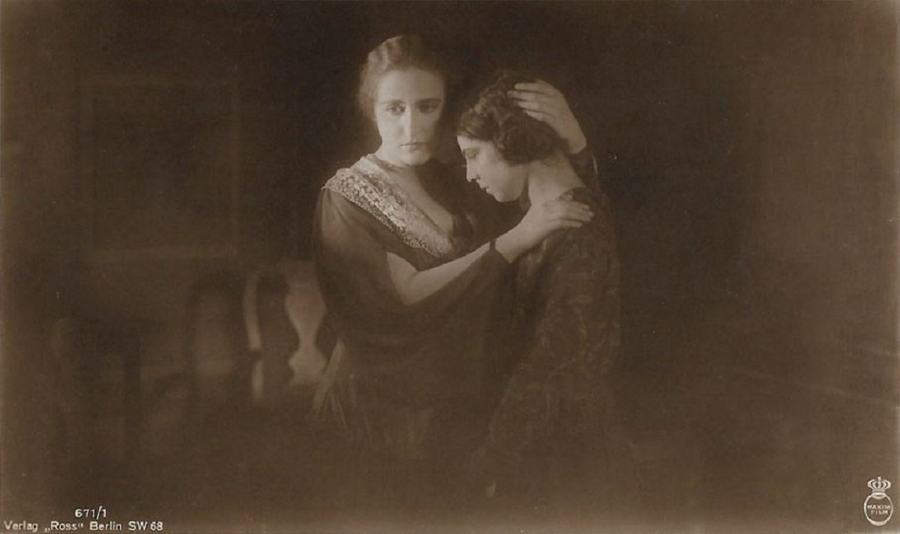
The German silent cinema of the early 20th century was a crucible of artistic innovation, a period where visual storytelling reached unparalleled heights of expression and psychological depth. Amidst this vibrant landscape, a film like 'Das Geheimnis von Brinkenhof' emerges not merely as a relic of a bygone era, but as a testament to the enduring power of narrative and performance. Directed with a keen eye for atmospheric tension and human drama by Rudolf Biebrach, this cinematic endeavor, penned by the insightful Svend Gade and Joseph von Lauff, plunges viewers into a world where ancestral secrets fester beneath a veneer of aristocratic decorum, ultimately demanding a reckoning.
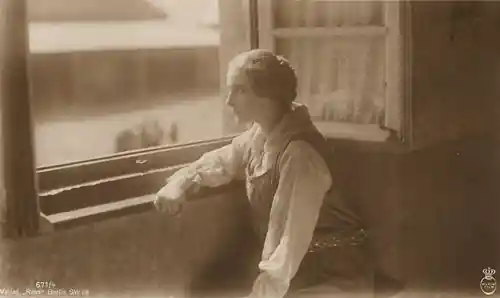
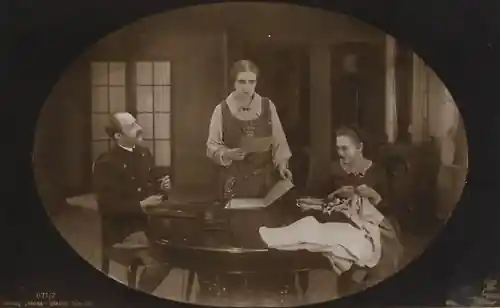
At its narrative epicenter lies the sprawling, melancholic estate of Brinkenhof, a locale that feels less like a home and more like a repository of generations of buried truths. The arrival of Maria, portrayed with heart-wrenching vulnerability and burgeoning resolve by the iconic Henny Porten, sets in motion a chain of events that meticulously peels back layers of deceit. Maria, an orphan thrust into the austere care of her Aunt Elfriede (Gertrud Eysoldt, whose portrayal is a masterclass in subtle menace) and the cunning estate lawyer, Herr Richter (Paul Henckels, embodying calculating malevolence), quickly discerns that the tranquility of Brinkenhof is a carefully constructed façade. The film skillfully employs visual cues – a flickering shadow, a lingering glance, a forgotten object – to convey the weight of its central mystery. Maria's quest for truth, sparked by the lingering enigma of her father's untimely demise, transforms her from a passive recipient of her circumstances into an active agent of discovery. This journey, fraught with peril and emotional upheaval, resonates with the thematic explorations found in other contemporary dramas, where protagonists often find themselves on dangerous paths, both literally and metaphorically, in pursuit of justice or self-discovery.
The strength of 'Das Geheimnis von Brinkenhof' is undeniably amplified by its stellar cast, each member contributing a distinct hue to the film's rich tapestry of character. Henny Porten, a veritable luminary of German silent cinema, delivers a performance that transcends the theatricality often associated with the era. Her Maria is not merely a damsel in distress; she evolves, her initial fragility giving way to a fierce determination that captivates the audience. Her expressive eyes and nuanced gestures communicate a spectrum of emotions – fear, suspicion, resilience, and ultimately, hope – with an authenticity that remains compelling decades later. Contrasting Porten's luminosity is Gertrud Eysoldt's Aunt Elfriede, a figure of chilling composure whose every movement suggests a hidden agenda. Eysoldt's ability to convey profound disapproval and subtle manipulation through minimal facial shifts is a masterclass in silent film acting.
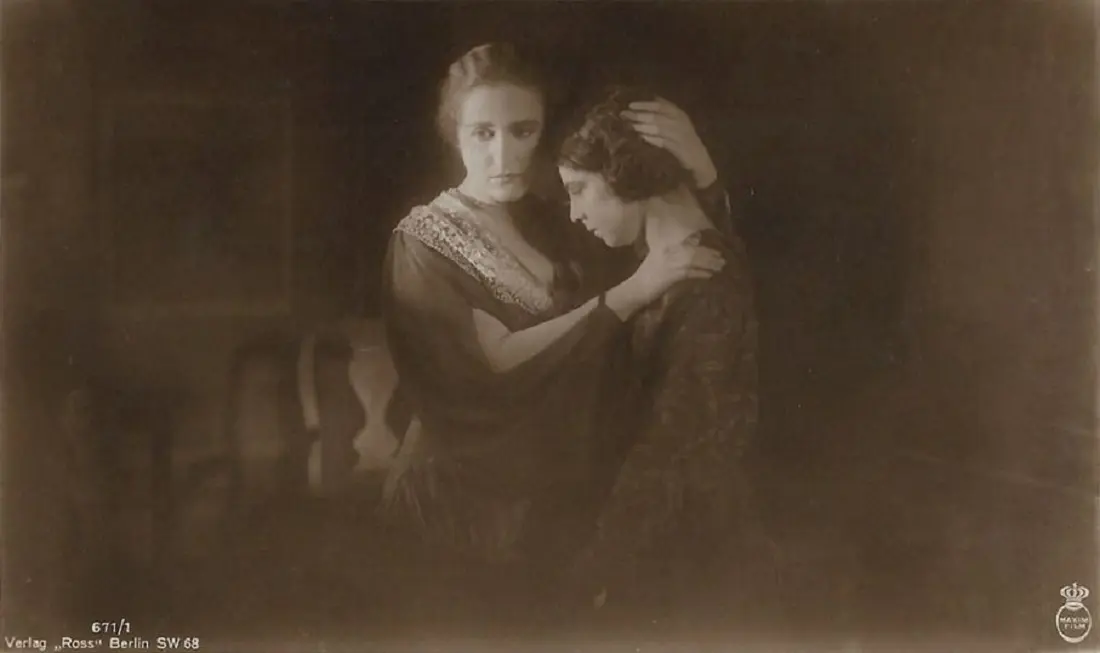
Then there is Paul Henckels as Herr Richter, the quintessential cinematic villain whose genial exterior barely conceals a predatory intellect. Henckels imbues Richter with a chilling blend of bureaucratic authority and personal greed, making him a truly formidable antagonist. His performance subtly explores the theme of how power can corrupt, echoing the intricate moral dilemmas seen in films like A Man's Prerogative, where societal power dynamics often dictate personal fates. The melancholic grandeur of Robert Leffler's Baron von Brinkenhof adds another layer of tragic complexity. His character, burdened by failing health and a palpable sense of regret, serves as a silent, suffering conscience for the estate, his inability to speak the truth amplifying the audience's suspense.
The arrival of Dr. Werner, portrayed with earnest charm and intellectual vigor by Rudolf Biebrach (who also directed, showcasing a remarkable dual talent), introduces a much-needed beacon of hope. Biebrach’s performance is marked by a quiet strength and an unwavering commitment to justice, making his character a compelling foil to Richter’s villainy. His intellectual curiosity, initially presented as academic interest, quickly transforms into a genuine desire to aid Maria, blossoming into a tender, unspoken romance. This burgeoning connection provides a vital emotional anchor amidst the pervasive gloom, reminiscent of the enduring love stories that often emerge against tumultuous backdrops, much like in Smilin' Through, where hope triumphs over adversity.
The supporting cast further enriches the narrative. Alexander Wiruboff, often cast in roles that exude a certain mysterious or menacing quality, contributes to the film’s atmosphere of underlying threat, his presence hinting at the deeper, darker forces at play. Similarly, Alf Blütecher, in a role that cleverly misdirects the audience, adds another dimension to the intricate web of deceit, initially appearing helpful before revealing his true colors. The collective performances underscore the film's commitment to detailed characterization, ensuring that even minor roles contribute significantly to the overall dramatic impact.
Rudolf Biebrach’s direction of 'Das Geheimnis von Brinkenhof' is a masterclass in atmospheric filmmaking. He leverages the nascent capabilities of silent cinema to create a world that feels both expansive and claustrophobic. The sweeping shots of the German countryside establish a sense of isolation and timelessness, while the intimate interior scenes of Brinkenhof are imbued with a palpable sense of tension. Biebrach employs chiaroscuro lighting to great effect, casting long, ominous shadows that mirror the film’s thematic preoccupation with hidden truths and moral ambiguity. The use of close-ups, particularly on Porten’s expressive face, draws the audience into Maria’s emotional journey, allowing for a profound connection without the need for spoken dialogue. This visual eloquence is a hallmark of the era, distinguishing it from the more straightforward narratives of earlier cinema, and putting it in conversation with films that explored complex psychological states, even if their genres differed, such as the fantastical elements in Neptune's Step-Daughter, which also relied heavily on visual spectacle.
The narrative structure, meticulously crafted by Svend Gade and Joseph von Lauff, is a testament to their understanding of dramatic pacing. The plot unfolds with a deliberate, almost methodical rhythm, gradually revealing clues and deepening the mystery without resorting to cheap theatrics. The screenplay carefully balances moments of quiet reflection with bursts of intense confrontation, maintaining a taut sense of suspense throughout. Their writing ensures that each character's motivation, however nefarious, feels grounded, contributing to a sense of realism despite the heightened drama. The writers successfully weave together themes of familial betrayal, social injustice, and the relentless pursuit of truth, creating a narrative that is both intellectually stimulating and emotionally resonant. This intricate plotting and thematic richness elevate 'Das Geheimnis von Brinkenhof' beyond a simple melodrama, placing it firmly within the realm of sophisticated dramatic cinema.
'Das Geheimnis von Brinkenhof' is a profound exploration of how the past, if left unaddressed, can profoundly dictate the present. The central secret – Maria’s rightful inheritance and her father’s wrongful implication in a crime orchestrated by Richter – serves as a powerful metaphor for hidden societal injustices. The film delves into the corrosive effects of greed and envy, personified by Richter, whose machinations are driven by a desire for control over the Brinkenhof estate. This theme of avarice and its destructive consequences is a timeless one, often seen in narratives where power and wealth are at stake, such as the underlying tensions in The Green-Eyed Monster, where jealousy fuels conflict. Maria’s journey is not merely about personal vindication but about restoring a moral order that has been severely disrupted.
The film also subtly critiques the patriarchal structures of the time, where a young woman like Maria, despite her intelligence and inherent goodness, is rendered vulnerable and dependent. Her struggle to assert her rights in a world dominated by men like Richter and even her seemingly benevolent aunt highlights the limitations placed upon 'the weaker sex' during this era. Yet, Maria’s resilience and her eventual triumph serve as an empowering narrative, challenging these societal norms. Her story, in a sense, mirrors the broader societal discussions around women's roles and agency that were gaining traction, echoing themes found in films like The Weaker Sex, albeit with a more dramatic and less overtly feminist approach.
The blossoming romance between Maria and Dr. Werner provides a counterpoint to the film’s darker themes. It is a love born of shared purpose and mutual respect, developing organically as they work together to unravel the mystery. This relationship is not merely a conventional romantic subplot but an integral part of Maria’s emotional and intellectual growth, symbolizing the hope and healing that can emerge even from profound suffering. It is a love that grounds the film’s more dramatic elements, lending it a human touch that prevents it from descending into mere melodrama. This nuanced portrayal of love and partnership is a refreshing aspect, providing a contrast to more overtly sentimental romantic narratives like Kærlighedsvalsen, focusing instead on a bond forged through adversity.
'Das Geheimnis von Brinkenhof' is more than just a historical artifact; it is a film that continues to resonate with audiences due to its compelling narrative, powerful performances, and sophisticated direction. It stands as a testament to the artistic maturity of German silent cinema, demonstrating its capacity for intricate storytelling and profound emotional depth. While perhaps not as widely known as some of its Expressionist contemporaries, its contribution to the dramatic genre is undeniable. It showcases a period when filmmakers were experimenting with visual language and psychological realism, laying groundwork for future cinematic developments.
For aficionados of silent film, 'Das Geheimnis von Brinkenhof' offers a rich viewing experience, a deep dive into the craft of early cinema where every gesture, every shadow, and every intertitle was meticulously placed to convey meaning. It is a film that rewards close attention, revealing new layers with each viewing. Its exploration of timeless themes – justice, betrayal, love, and the enduring power of truth – ensures its relevance, proving that a compelling story, told with conviction and artistry, transcends the limitations of its medium or its era. In a world saturated with sound and spectacle, the silent eloquence of Brinkenhof’s secret still speaks volumes, inviting us to ponder the secrets that lie buried beneath the surface of our own histories and the unwavering human desire for their unveiling.
IMDb 6.3
1912
Community
Log in to comment.