DbcultAccessing Vault...
6.5/10
Senior Film Conservator
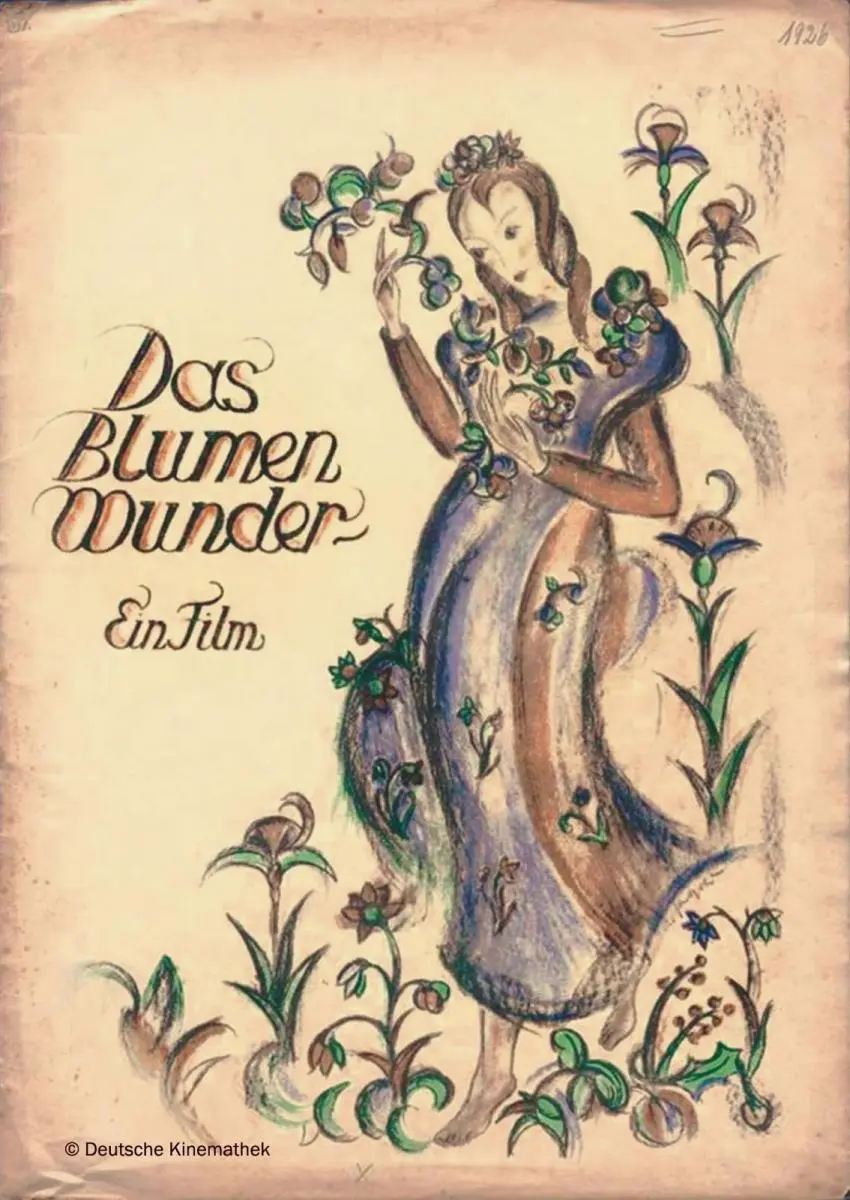
A definitive 6.5/10 rating for a film that redefined the boundaries of cult cinema. Das Blumenwunder remains a cornerstone of transgressive art.
Is Das Blumenwunder a film that still holds its power almost a century after its premiere? Short answer: yes, but with significant caveats that demand a specific kind of viewer. This isn't a casual watch; it's an archaeological expedition into early cinematic experimentation and a profound meditation on nature.
This film is for those with an appreciation for silent cinema, experimental film, botanical art, and historical documentaries. It is absolutely not for viewers seeking fast-paced action, conventional narrative arcs, or modern visual effects. If your patience for slow, deliberate observation is thin, you’ll struggle.
Max Reichmann’s 1926 "film symphony" is a fascinating artifact, a bold statement in an era where cinema was rapidly evolving. Premiering at Berlin's Piccadilly-Theater, it demonstrated an ambition that pushed beyond mere entertainment, aiming for something closer to a scientific-artistic spectacle. The very concept of a "macroprojection" film, particularly one with an "elaborate frame narrative," was audacious for its time, hinting at a future where film could dissect and reveal the unseen.
In the mid-1920s, cinema was still finding its voice. German Expressionism was peaking, and documentaries were often straightforward educational tools. Das Blumenwunder defied easy categorization, merging scientific rigor with poetic vision. It wasn't just about showing flowers; it was about showing the *essence* of their existence, framed by human contemplation.
This film works because it is an unparalleled historical document of early cinematic innovation, demonstrating a profound artistic vision and technical prowess in macro-cinematography that remains impressive. Its meditative quality and unique blend of science and art offer a deeply reflective experience.
This film fails because its deliberate pacing and unconventional structure, particularly for modern audiences, can feel slow and inaccessible without the right mindset. The frame narrative, while ambitious, occasionally feels secondary to the botanical spectacle, lacking the emotional punch needed to fully anchor the abstract beauty.
You should watch it if you are a film historian, a student of early cinema, a nature enthusiast, or someone seeking a contemplative, visually unique experience that challenges conventional storytelling.
Max Reichmann, credited as a writer, clearly had a significant hand in the directorial vision of Das Blumenwunder. Directing a "film symphony" of flowers is less about traditional blocking of actors and more about orchestrating visual rhythms, controlling tempo, and revealing the hidden drama of nature itself. His approach here feels less like a director of performers and more like a conductor of light, time, and botanical processes.
The genius lies in the pacing of the macro sequences. Reichmann understands that the magic is in the slow reveal, the gradual unfurling of a petal, the almost imperceptible movement of a tendril. He allows the audience to truly observe, rather than merely glance. This deliberate rhythm is the film's heartbeat, a bold counterpoint to the increasingly frenetic pace of contemporary cinema even in the 1920s.
Consider, for instance, the sequence detailing the opening of a night-blooming cereus. It’s not just a time-lapse; it’s framed with a reverence that elevates it from scientific observation to a moment of profound, almost spiritual, awakening. The cuts, though simple, guide the eye with a painterly precision, emphasizing the grace and fragility of the natural world. Reichmann's direction is one of patient revelation, allowing the inherent drama of growth and decay to unfold without artificial urgency.
The core of Das Blumenwunder is its revolutionary macroprojection. In 1926, capturing such intricate detail of the botanical world and projecting it onto a large screen was nothing short of miraculous. This isn't just technical skill; it's an artistic choice that defines the entire experience, transforming the mundane into the magnificent.
The camera acts as a microscope, revealing textures, patterns, and movements invisible to the naked eye. We see the delicate fuzz on a stem, the intricate veins of a leaf, the almost alien landscape within a flower's pistil and stamen. This level of detail, achieved through painstakingly slow time-lapse photography and advanced lensing, creates an immersive, almost hallucinatory effect. It's an invitation to a world within a world.
The use of light and shadow within these macro shots is particularly striking. It sculpts the flowers, giving them depth and dimension, transforming them into characters in their own right. The way a dewdrop catches the light on a petal, for example, becomes a moment of exquisite beauty, meticulously framed. The cinematographer (uncredited, but undoubtedly a master of their craft) understood how to manipulate light to reveal form, turning simple plants into monumental sculptures.
While the film's black and white palette might seem limiting to modern eyes, it actually enhances the focus on form, texture, and light. It strips away the distraction of color to highlight the pure architectural elegance of the plants. This restraint is a strength, not a weakness, forcing the viewer to appreciate the fundamental visual components rather than superficial hues.
The frame narrative, featuring performers like Max Terpis, Maria Matray, Elisabeth Grube, Herbert Haskel, Stefa Kraljewa, and Daisy Spies, attempts to provide a human connection to the abstract beauty of the botanical world. While the specifics of their roles are open to interpretation, it’s plausible they portray figures observing, studying, or simply appreciating the flowers – perhaps a botanist (Max Terpis), an artist (Maria Matray), or a group of curious onlookers. This narrative device was crucial for grounding the scientific marvels in relatable human experience.
The performances, typical of the silent era, rely on exaggerated expressions and gestures to convey emotion and intent. While effective for communicating basic feelings of wonder, contemplation, or perhaps melancholy, they sometimes struggle to match the profound subtlety and inherent drama of the macro footage. The human drama, however well-intended, occasionally feels less compelling than the silent, majestic unfolding of a flower.
However, the narrative serves a crucial purpose: it provides context and emotional resonance. It’s not just about showing flowers; it’s about showing how humans *perceive* and *interact* with their transient beauty. The characters become stand-ins for the audience, experiencing wonder, perhaps a touch of scientific curiosity, and certainly melancholy at the inevitable decay. Their reactions guide our own, offering an emotional compass to the otherwise purely observational sequences.
My unconventional observation here is that the frame narrative, despite its occasional clunkiness and theatricality typical of its time, actually *enhances* the film by providing necessary structural breaks. Without it, the relentless focus on macro details, however beautiful, might become monotonous. It’s a necessary
IMDb —
1932
Community
Log in to comment.