DbcultAccessing Vault...
6.9/10
Senior Film Conservator
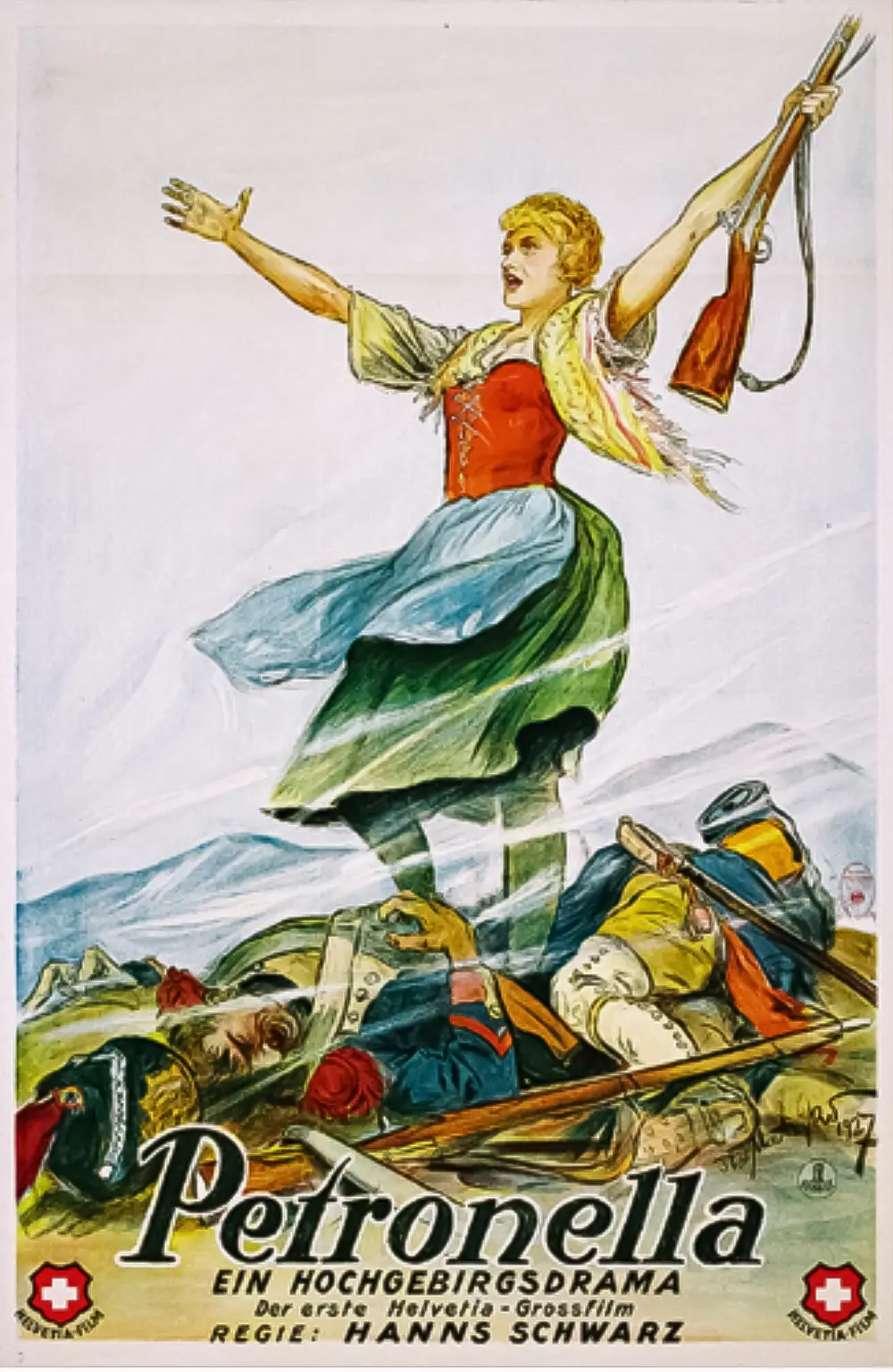
A definitive 6.9/10 rating for a film that redefined the boundaries of cult cinema. Petronella - Das Geheimnis der Berge remains a cornerstone of transgressive art.
Is Petronella - Das Geheimnis der Berge worth your time in the twenty-first century? Short answer: yes, but only if you are a devotee of silent-era atmosphere who can stomach a narrative that moves with the glacial pace of the mountains it depicts.
This film is specifically for historians of Weimar cinema and those who find beauty in the 'Bergfilm' (mountain film) genre, popularized by the likes of Arnold Fanck. It is decidedly NOT for anyone seeking a fast-paced thriller or a lighthearted escape; this is heavy, granite-hard filmmaking that demands your full attention and a high tolerance for theatrical melodrama.
1) This film works because it utilizes the natural landscape of the Alps as a living, breathing character that exerts more pressure on the plot than any human antagonist could.
2) This film fails because its third-act resolution relies on a series of coincidences and over-the-top gestures that feel disconnected from the gritty realism established in the opening hour.
3) You should watch it if you want to see the stylistic bridge between German Expressionism and the more naturalistic photography that would dominate the 1930s.
In the 1920s, the mountain film was a uniquely German phenomenon, and Petronella - Das Geheimnis der Berge is one of its most fascinating, if overlooked, entries. Director Hanns Schwarz doesn't just film the Swiss Alps; he interrogates them. The mountains here are not the majestic, postcard-perfect vistas we see in modern tourism ads. Instead, they are oppressive. They are barriers. They are the physical manifestation of the village's closed-mindedness.
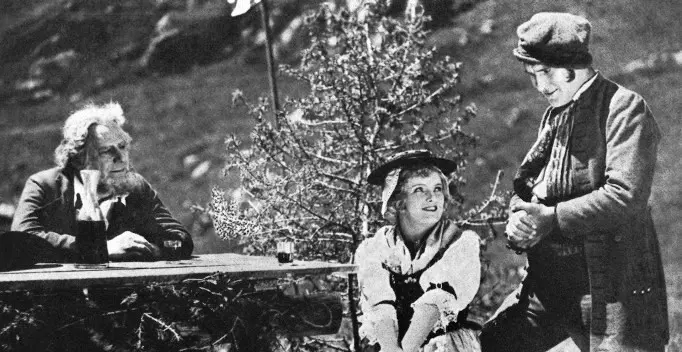
The plot centers on the 'Bisse,' the water channels that are a real historical feature of the Valais region. These wooden troughs, clinging to vertical rock faces, are a marvel of medieval engineering. In the film, they serve as a perfect metaphor for the precariousness of life. One slip, and the community dies. This high-stakes environment breeds a specific kind of madness. When the water fails, the logic of the village fails with it. They don't look for a leak; they look for a sin.
Consider the scene where the village elders gather in a dimly lit hut to discuss the 'sacrifice.' The lighting is stark, casting long, skeletal shadows across their weathered faces. It reminds me of the atmospheric dread found in Le rêve, where the weight of tradition crushes the spirit of the young. In Petronella, the faces of the actors—particularly the legendary Frida Richard—look like they were carved from the very rock they inhabit. It is a masterclass in casting for texture over glamour.
Maly Delschaft carries the film with a performance that is surprisingly grounded for the era. While many of her contemporaries were still leaning into the wide-eyed histrionics of early silent film, Delschaft uses her eyes to convey a weary resignation. She isn't a damsel in distress; she is a woman who has been tired since birth. Her chemistry with William Dieterle is palpable, though Dieterle occasionally slips into the exaggerated physicality that characterized his earlier work.
It’s also impossible to ignore the presence of Oscar Homolka in a supporting role. Even this early in his career, Homolka possessed a screen presence that felt dangerous. He doesn't need to do much; he simply exists on screen with a heavy, brooding intensity that makes you feel the stakes of the village’s internal conflict. Compare this to the more formal, almost stiff performances in a film like Disraeli, and you see how the German school was pushing for a more visceral, animalistic type of screen acting.
The supporting cast, featuring Theodor Loos and Georg John, provides a solid foundation. These were the stalwarts of the Weimar era, actors who could communicate complex societal hierarchies with a single look. When Georg John’s character stares down Petronella, you don’t just see a man; you see five hundred years of stagnant tradition refusing to move.
The cinematography is the real star here. The outdoor photography, likely achieved under grueling conditions, is nothing short of miraculous. There is a sequence involving the repair of the water channel where the camera is positioned high above the valley floor. The sense of vertigo is real. It’s a technical achievement that rivals anything produced in Hollywood at the time.
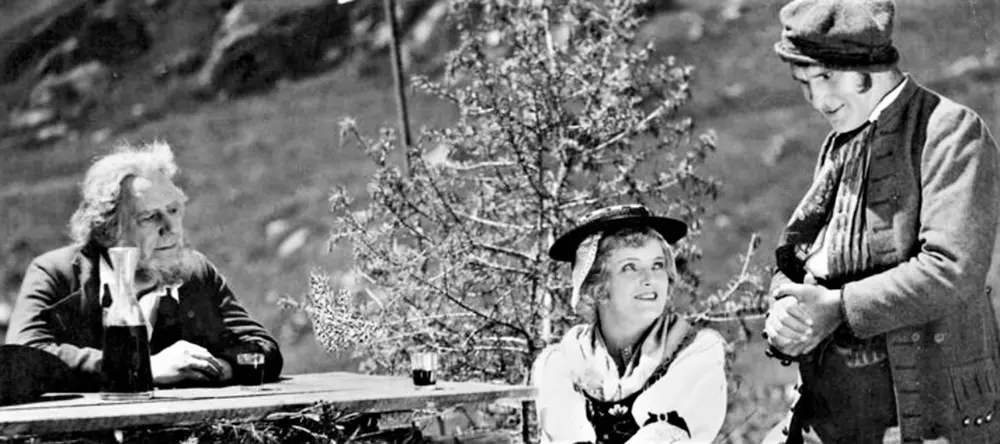
However, we must be honest about the pacing. It works. But it’s flawed. The middle section of the film drags as it repeats thematic beats about the village's suspicion. There are only so many times we can see the townspeople whispering in the shadows before we want the plot to advance. Unlike the tight narrative structure of The Conquest of Canaan, Petronella meanders through its subplots, losing some of the tension it builds so effectively in the first act.
The editing, while proficient, lacks the rhythmic innovation seen in the works of Fritz Lang or F.W. Murnau from the same period. It’s a more conservative style of filmmaking, which is ironic given its radical setting. The film relies heavily on its intertitles to explain the complex 'secret' of the mountains, which sometimes breaks the immersion of the visual storytelling.
If you are looking for a historical curiosity that captures the tension between the old world and the new, then yes. Petronella is a vital piece of the puzzle in understanding how European cinema transitioned into the sound era. It deals with universal themes of sacrifice and communal guilt that are still explored today in 'folk horror' hits like Midsommar.
However, for the casual viewer, the film may feel like a chore. The 'secret' mentioned in the title isn't a twist in the modern sense; it's a slow-burning realization of the depths of human ignorance. If you go in expecting a mystery, you will be disappointed. If you go in expecting a tone poem about the cruelty of nature, you will be enthralled.
Pros:
- Visceral, high-stakes setting that feels incredibly authentic.
- A nuanced lead performance by Maly Delschaft.
- Strong thematic exploration of tradition vs. progress.
- Exceptional use of light and shadow in interior scenes.
Cons:
- The narrative can be overly melodramatic in its final moments.
- Some subplots feel underdeveloped or unnecessary.
- Requires a significant investment of patience from the viewer.
Petronella - Das Geheimnis der Berge is a rugged, uncompromising piece of cinema. It doesn't care if you're comfortable. It wants you to feel the cold, the height, and the suffocating pressure of a society that refuses to change. While it lacks the polish of the era's more famous masterpieces, its raw power and stunning visuals make it a journey worth taking for the dedicated cinephile. It is a flawed but fascinating artifact of a time when the mountains were still gods.
IMDb 6.5
1936
Community
Log in to comment.