DbcultAccessing Vault...
6.4/10
Senior Film Conservator
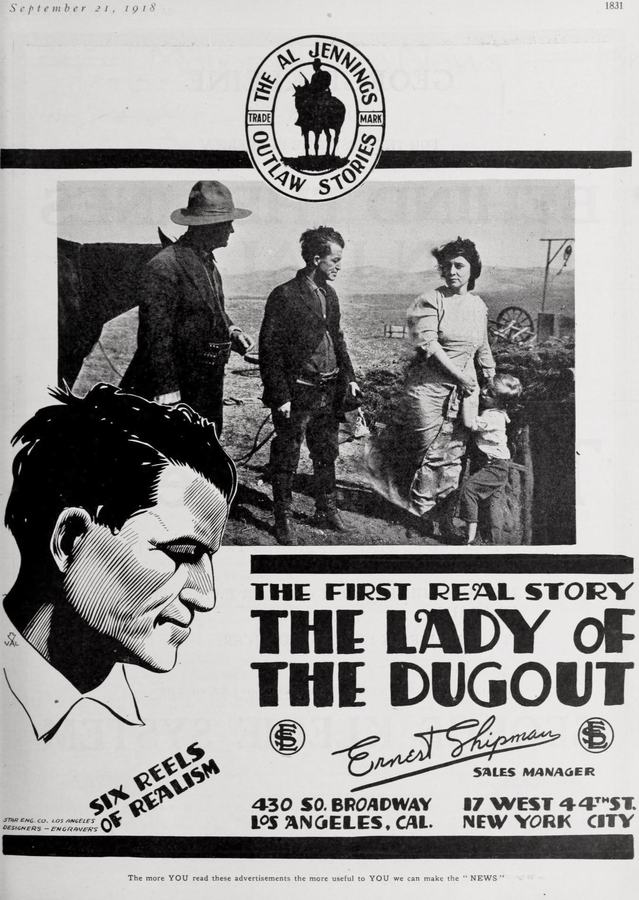
A definitive 6.4/10 rating for a film that redefined the boundaries of cult cinema. The Lady of the Dugout remains a cornerstone of transgressive art.
The 1918 artifact The Lady of the Dugout occupies a singular space in the firmament of early American cinema. It is not merely a Western; it is a piece of self-mythologizing performance art by Al Jennings, a man who transitioned from the federal penitentiary to the silver screen with a dexterity that would make modern PR machines weep with envy. Directed by the nascent W.S. Van Dyke, the film serves as a fascinating precursor to the more polished narratives of the 1920s, yet it retains a raw, almost primitive sincerity that distinguishes it from the assembly-line productions of the period.
Van Dyke’s eye for the landscape is already evident here, capturing the crushing isolation of the American frontier. Unlike the pastoral idealism found in The Squatter's Son, the setting in this film feels genuinely hostile. The 'dugout' of the title is a literal hole in the earth, a subterranean dwelling that symbolizes the social and economic burial of the frontier woman. The cinematography utilizes the harsh sunlight of the plains to create a high-contrast environment that mirrors the stark moral choices facing the protagonists.
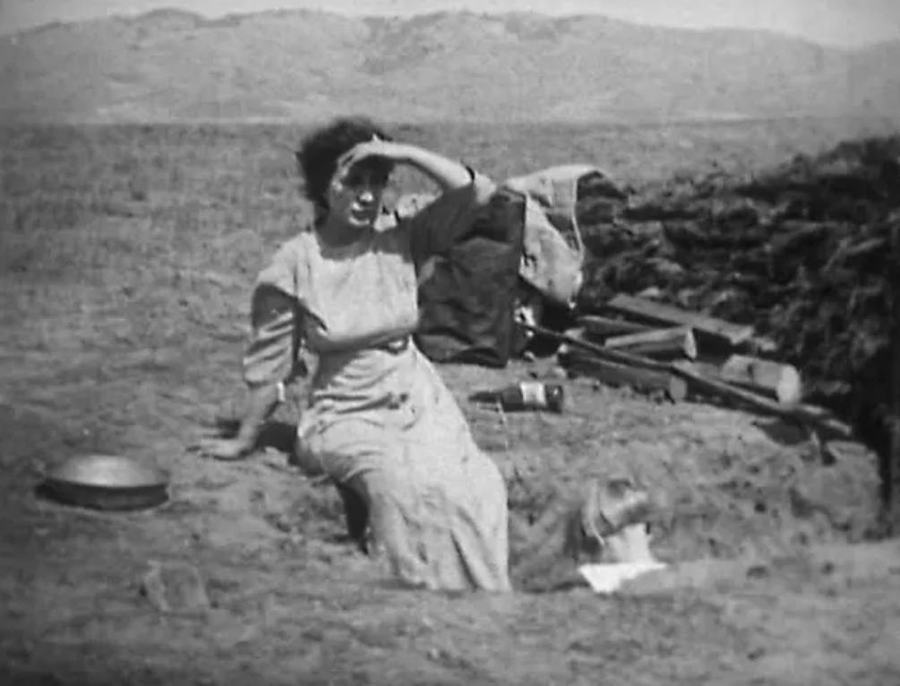
The narrative structure is framed as Al Jennings telling a 'true' story, a device that lends the film an air of authenticity, however embellished it might be. This meta-narrative approach allows the film to bypass the standard tropes of the 'White Hat' hero. Instead, we are presented with a protagonist who is unapologetically a criminal, yet one who possesses a vestigial sense of chivalry. This nuanced portrayal of the 'good-bad man' is far more complex than the binary morality seen in contemporary films like Moral Courage.
Al Jennings is not an actor in the traditional sense; he is a presence. His movements are laconic, his gaze piercing. There is a lack of theatricality in his performance that feels surprisingly modern. In contrast to the stylized gestures often found in silent dramas like La Broyeuse de Coeur, Jennings moves with the economy of a man who has actually spent time in the saddle and behind a gun. His brother, Frank Jennings, provides a capable foil, but it is Al’s magnetic, if somewhat unrefined, charisma that carries the weight of the film.
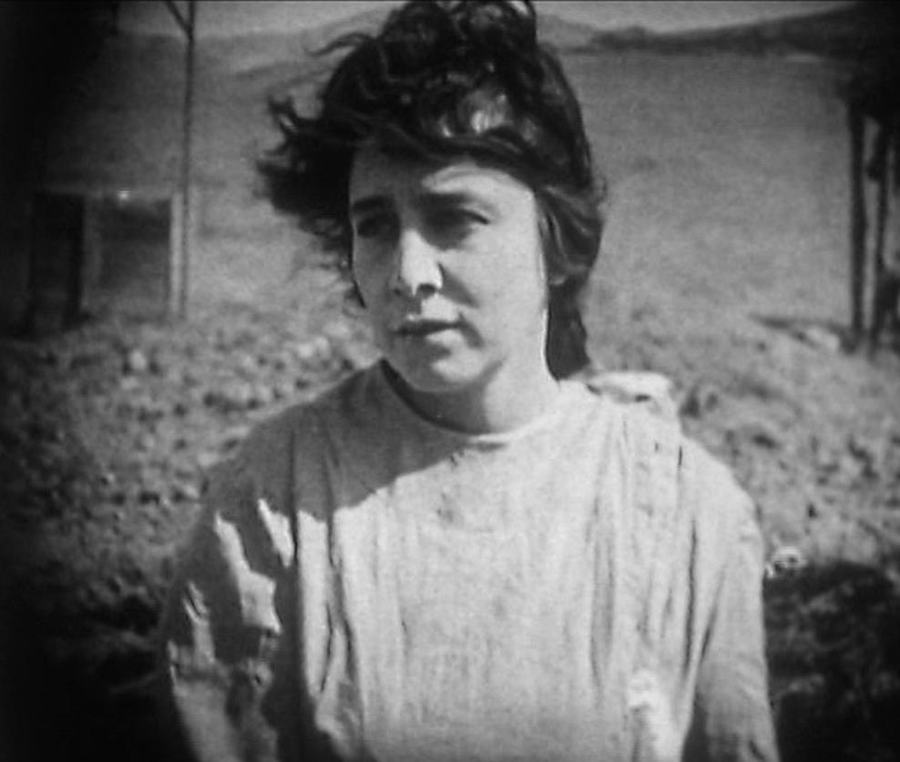
The inclusion of a young Ben Alexander adds a layer of vulnerability to the proceedings. The child’s starvation and the mother’s quiet desperation are handled with a surprising lack of sentimentality. While films like The Chimney Sweeps of the Valley of Aosta often leaned into Dickensian pathos, Van Dyke opts for a more stoic observation of suffering. The 'Lady,' played by Corinne Grant, is a figure of tragic endurance. Her face, etched with the weariness of the plains, serves as the emotional anchor for the film’s more kinetic sequences.
One cannot discuss this film without acknowledging W.S. Van Dyke’s contribution. Even at this early stage, his ability to pace a scene is evident. The transition from the slow-burn tension of the dugout scenes to the frantic energy of the robbery sequences is handled with a sophistication that belies the film’s age. He avoids the static 'stagey' feel that plagued many silent features, instead using camera placement to immerse the viewer in the environment. The way the camera lingers on the empty whiskey bottles and the barren shelves of the dugout tells a story of domestic failure more effectively than any title card could.
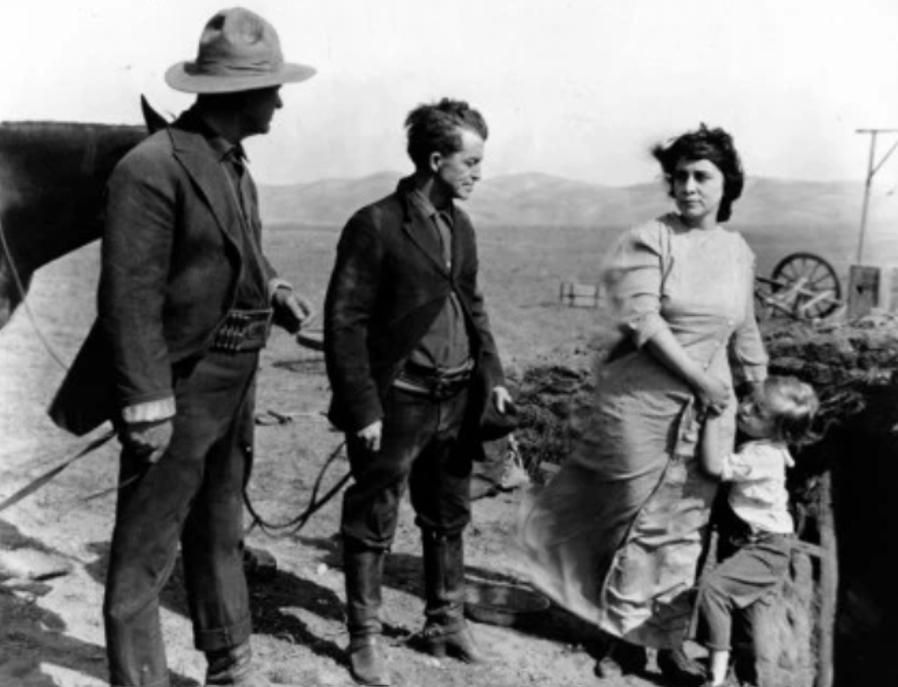
Comparing this to the rhythmic tension in L'assassino del corriere di Lione, one sees a uniquely American approach to the crime genre. There is less focus on the procedural element of the crime and more on the personal impetus behind it. The robbery is not motivated by greed, but by a desperate need to rectify a social injustice that the law has ignored. This thematic core elevates the film from a simple Western to a biting critique of frontier social structures.
The central conflict of The Lady of the Dugout is the tension between legality and morality. The Jennings brothers are outlaws, yet they are the only ones willing to provide a safety net for the abandoned woman and her child. This creates a fascinating ethical gray area. Is a crime still a crime if the proceeds are used to save a life? This question is explored with more nuance here than in the more didactic The Burden of Proof. The film suggests that in the lawless vacuum of the frontier, the only true justice is that which is seized by force.
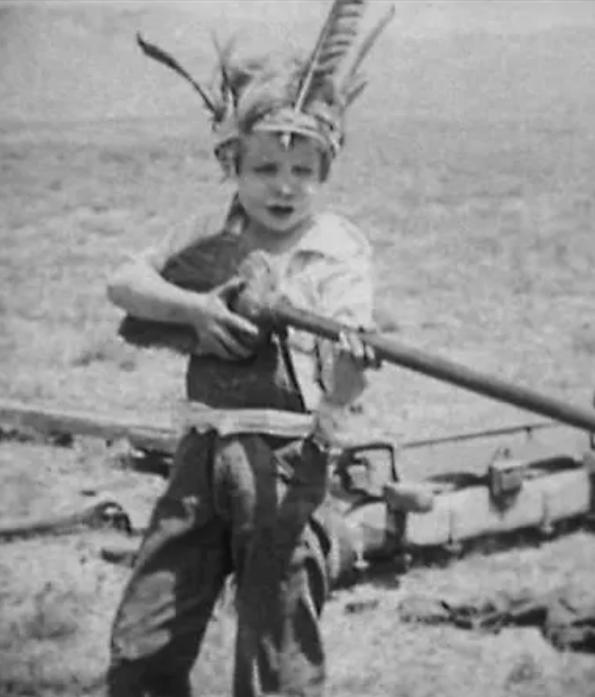
The portrayal of the alcoholic husband, played by Joseph Singleton, is particularly harrowing. He is not a mustache-twirling villain but a broken man whose addiction has hollowed out his humanity. His presence serves as a dark reflection of what the Jennings brothers could become if they lost their sense of purpose. This character study is far more grounded than the flamboyant criminality seen in The Master Cracksman.
The dugout itself is the film’s most potent symbol. It represents the literal and figurative burial of the feminine spirit in the Old West. When Al Jennings enters this space, he is descending into a tomb. His act of bringing the woman out into the light is a symbolic resurrection. This visual storytelling is a testament to Van Dyke’s burgeoning talent. The use of light—specifically the way it filters through the small opening of the dugout—creates a chiaroscuro effect that highlights the grit and grime of the setting.
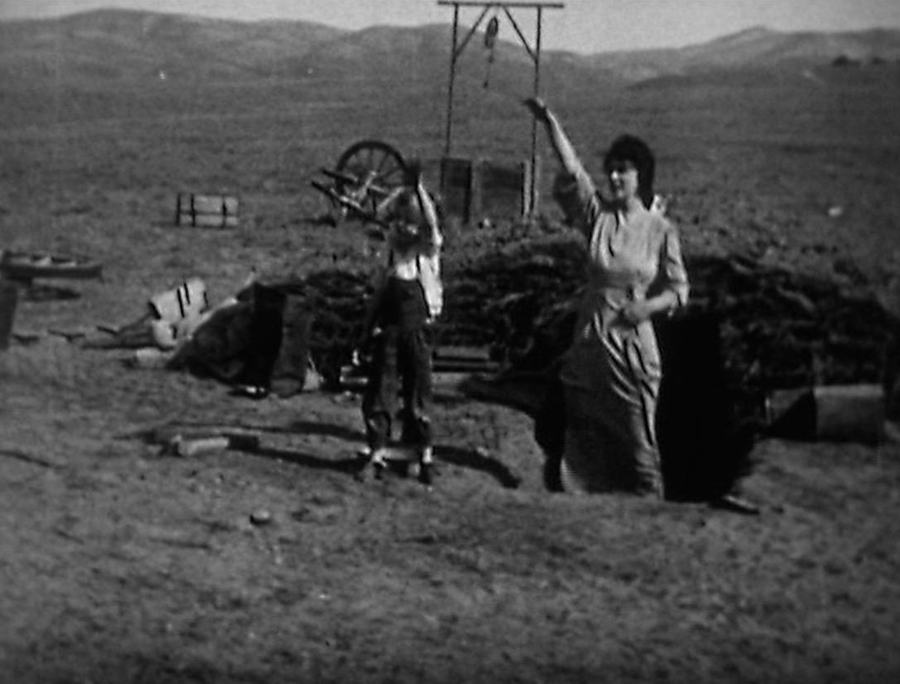
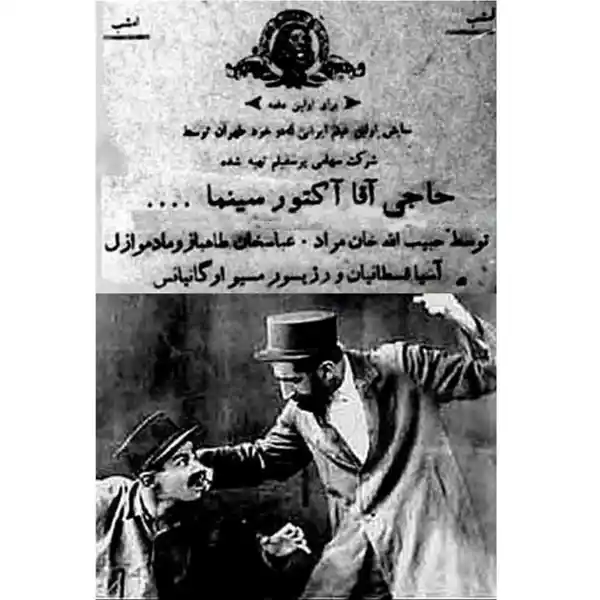
The film also touches upon the theme of the 'displaced person,' a common trope in early 20th-century cinema. Just as The Call of the East explores the friction of cultural displacement, The Lady of the Dugout examines the economic displacement of those who failed to thrive in the homesteading era. The Lady is a victim of a system that promised land and prosperity but delivered only dust and isolation.
While often overshadowed by the more epic Westerns of John Ford or Howard Hawks, this 1918 gem remains a vital piece of cinematic history. It captures a moment in time when the 'Old West' was still a living memory for many of its participants. The participation of the Jennings brothers provides a bridge between the reality of the frontier and the burgeoning mythology of Hollywood. It lacks the polish of The College Widow or the high-stakes melodrama of Money Madness, but it gains something far more valuable: a sense of lived-in truth.
The film’s refusal to provide a neat, happy ending is also noteworthy. While the woman is saved from her immediate circumstances, the Jennings brothers remain outlaws, forever on the run. There is no easy redemption, no pardoning by the governor. The film ends on a note of restless movement, mirroring the unstable nature of the frontier itself. This realism is a refreshing departure from the moralizing found in Philip Holden - Waster or the sensationalism of The Blue Streak.
For a film produced in 1918, the technical execution is remarkably sturdy. The editing is purposeful, and the use of location shooting adds a level of texture that was often missing from studio-bound productions. The costumes—likely the actors' own clothes—are suitably distressed, contributing to the overall sense of verisimilitude. The film doesn't shy away from the ugliness of poverty, showing the dirt under the fingernails and the tatters in the fabric. This commitment to realism places it in the company of works like Wrath and Warning! The S.O.S. Call of Humanity, films that sought to use the medium for social commentary as much as entertainment.
The Lady of the Dugout also serves as a fascinating companion piece to documentary-style travelogues of the era, such as The Captain Besley Expedition. It offers a window into a world that was rapidly disappearing, captured by those who had actually inhabited it. It is a film that demands to be seen not just as a Western, but as a cultural document, a jagged and beautiful piece of American folk history that refuses to be forgotten.
In the final analysis, the film’s power lies in its restraint. It does not preach; it observes. It does not glamorize; it depicts. By allowing Al Jennings to play a version of himself, the film creates a hall of mirrors where history and fiction bleed into one another, leaving the viewer to decide where the outlaw ends and the hero begins.
IMDb 7.1
1930
Community
Log in to comment.