DbcultAccessing Vault...
Cult Review
Senior Film Conservator
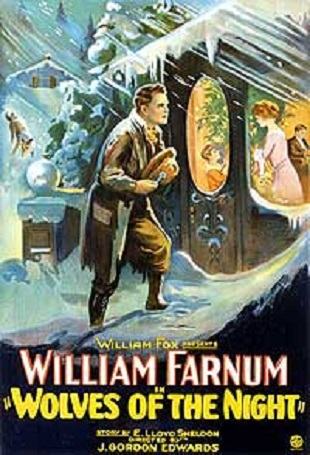
The silent era, often romanticized for its grand gestures and melodramatic flourishes, frequently delved into narratives of profound human struggle, where the stakes were not merely romantic but existential. Wolves of the Night, a cinematic artifact from 1919, stands as a testament to this tradition, unfolding a complex tapestry of ambition, betrayal, and the relentless pursuit of retribution. Penned by E. Lloyd Sheldon, the film meticulously constructs a world where the rugged individualism of the American Northwest collides with the corrosive avarice of corporate intrigue, painting a stark portrait of how easily a man’s life can be upended by the machinations of those he trusts, or those who simply covet what he possesses.
At its core, this narrative is a stark exploration of trust violated and resilience forged in the crucible of despair. Bruce Andrews, portrayed with a stoic intensity by Charles Clary, is not merely a protagonist; he embodies the archetypal self-made man of the era – a mining engineer whose acumen has secured him a sheep ranch in a region rich with copper, symbolizing both his connection to the land and his entrepreneurial spirit. His life, seemingly idyllic, is disrupted not by natural disaster but by human malevolence. The arrival of Isabel Hollins, brought to life by the luminous Irene Rich, an Easterner vacationing in this rugged terrain, introduces the romantic fulcrum around which much of the subsequent tragedy pivots. Their swift courtship and marriage, a whirlwind of newfound affection, inadvertently draw the ire of Burton Mortimer, embodied by the menacing Al Fremont. Mortimer’s silent, simmering obsession with Isabel acts as a dark undercurrent, an emotional fuse waiting to be lit by the opportune spark of avarice.
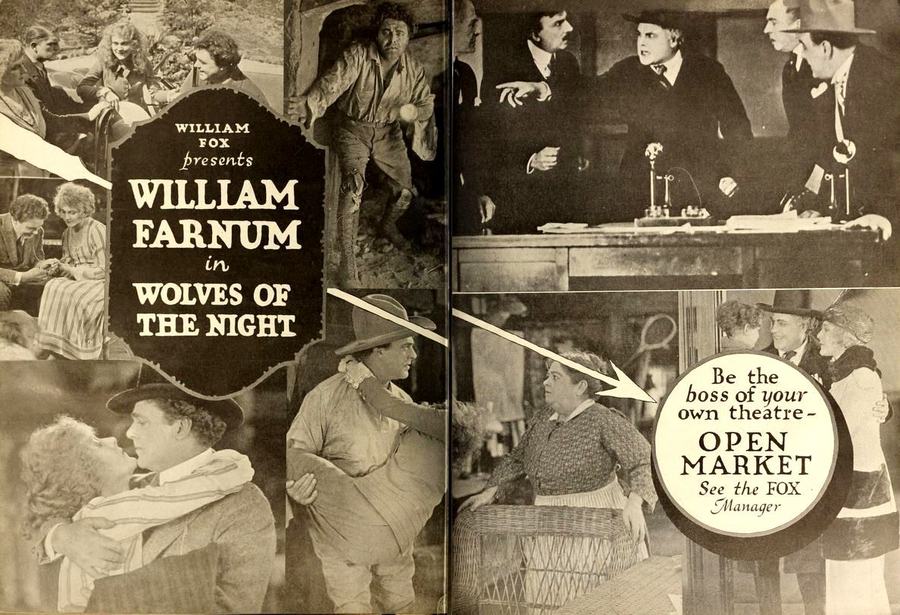
The true antagonists, however, are a formidable duo: Mortimer and Edmund Rawn, the latter a ruthless mine owner and Bruce’s neighbor, played with chilling conviction by G. Raymond Nye. Rawn’s covetous gaze falls upon Bruce’s copper-rich land, setting in motion a chain of events designed to systematically dismantle Bruce’s existence. The film’s genius lies in illustrating the insidious nature of their conspiracy; it’s not a sudden, violent confrontation but a slow, calculated erosion of Bruce’s life, beginning with a seemingly innocuous business proposition. Rawn’s offer for Bruce to investigate copper properties in Chile is, in essence, a gilded cage – a lucrative bait designed to lure him far from home, leaving his assets vulnerable to their predatory designs. This echoes the intricate, often morally ambiguous schemes seen in other silent-era thrillers, where corporate espionage and personal vendettas intertwine, perhaps with the intricate plotting reminiscent of The Crimson Stain Mystery, albeit with a more personal, less fantastical bent.
The Chilean episode marks the turning point, a descent into a psychological abyss. The orchestrated dynamite explosion, a direct result of Rawn's callous directive, renders Bruce amnesiac, effectively erasing his identity and severing his ties to his former life. This plot device, while a common trope in early cinema, is handled here with a degree of pathos, as Bruce is left utterly vulnerable, his very essence stripped away. His subsequent care by a compassionate Chilean shepherd and his daughter, portrayed by Louise Lovely and Carrie Clark Ward respectively, offers a brief respite, a glimpse of humanity amidst the overwhelming treachery. It highlights a common silent-film theme: the inherent goodness of ordinary people contrasting with the corruption of the powerful, a motif that can also be seen, in a different context, in the humanitarian spirit found in Daddy-Long-Legs, though the circumstances are worlds apart.
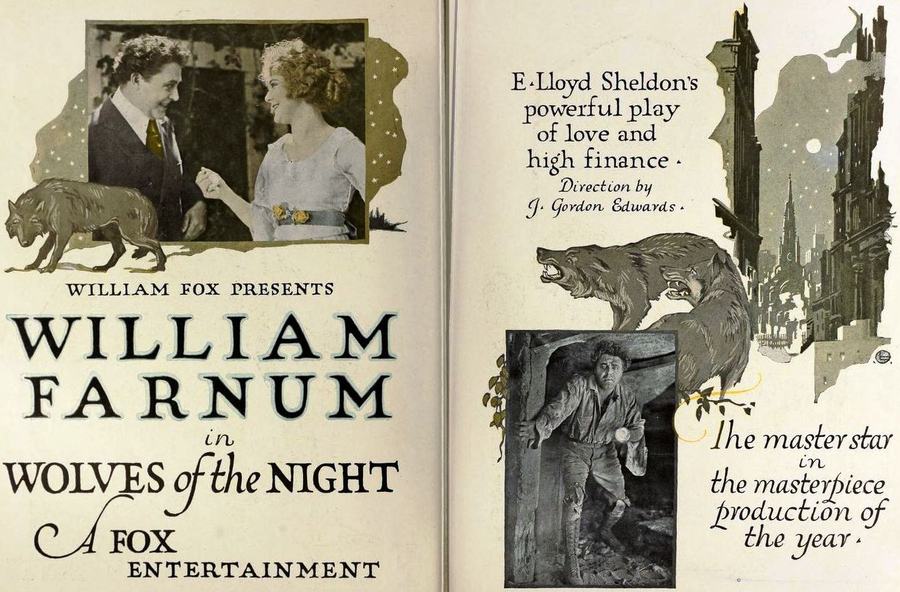
Back in the Northwest, Isabel endures her own tragic ordeal. Misinformed of Bruce’s death, she becomes a target for Mortimer and Rawn’s financial machinations. Their systematic ruination of her assets, a cruel and calculated act, leaves her utterly destitute. This portrayal of a woman’s vulnerability in the face of malevolent corporate power is particularly poignant, reflecting societal anxieties of the time regarding economic security and the precarious position of women without male protection. Forced by circumstances and the overwhelming desire to provide for her young son, she enters into a marriage of convenience with Mortimer, a man she despises, and, in a final act of desperation, sells Bruce’s cherished ranch to Rawn. This desperate sacrifice, trading her emotional freedom for her child’s survival, is a powerful dramatic beat, resonating with the sacrifices made by protagonists in films like When Love Was Blind, where love and survival often demand unbearable choices.
The performances, particularly Irene Rich’s as Isabel, are crucial here. Silent film acting relied heavily on exaggerated expressions and body language to convey complex emotions without dialogue. Rich’s portrayal of Isabel’s grief, her struggle, and her ultimate, agonizing decision to marry Mortimer must have been conveyed through subtle yet powerful visual cues, making her plight deeply empathetic. The weight of her choices, the silent screams of a woman trapped by circumstance, would have been palpable to audiences of the era, who were accustomed to interpreting such nuanced performances.
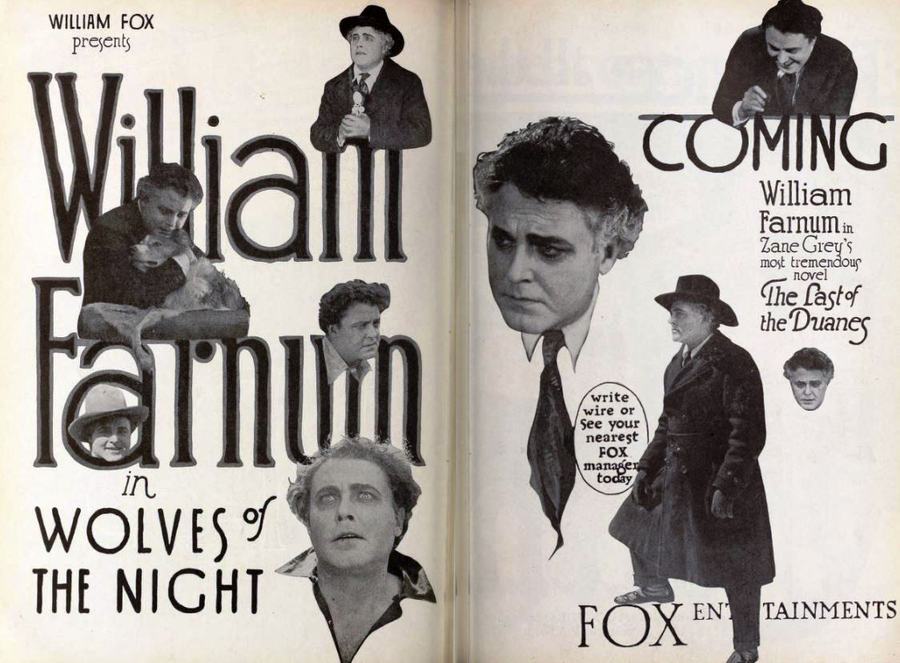
The narrative shifts dramatically with Bruce’s recovery. His return, a ghost from the past, sets the stage for the film’s climactic confrontation. The moment Mortimer confronts Bruce, revealing the marriage and cruelly claiming the child as his own, is a masterstroke of dramatic irony and villainy. This lie, designed to crush Bruce’s spirit entirely, initially succeeds, driving him away in despair. Such moments of profound emotional manipulation and misdirection were staples of silent cinema, designed to elicit strong reactions from the audience. However, the truth, as it inevitably does in these grand narratives, begins to unravel. Bruce's realization of the full extent of Mortimer and Rawn's perfidy transforms his despair into a cold, calculated fury. He doesn't seek physical revenge but rather a more devastating, modern form of retribution: financial ruin on the stock market.
This aspect of the plot speaks volumes about the economic anxieties and burgeoning power of finance in the early 20th century. Bruce, leveraging his engineering mind and perhaps his intimate knowledge of the copper market, systematically dismantles the fortunes of his betrayers. It’s a sophisticated form of revenge, less about brute force and more about intellectual superiority and strategic maneuvering, a testament to the idea that the pen (or in this case, the ticker tape) can be mightier than the sword. The downfall of Mortimer and Rawn is depicted as both inevitable and deserved, culminating in Mortimer's desperate suicide, a stark consequence of his unchecked avarice and cruelty. This dramatic resolution, where the villains meet their just desserts, provides the catharsis audiences craved in melodramas of this period, much like the satisfying comeuppance of antagonists in films such as The Devil's Needle, which also explored the destructive nature of unchecked desires.
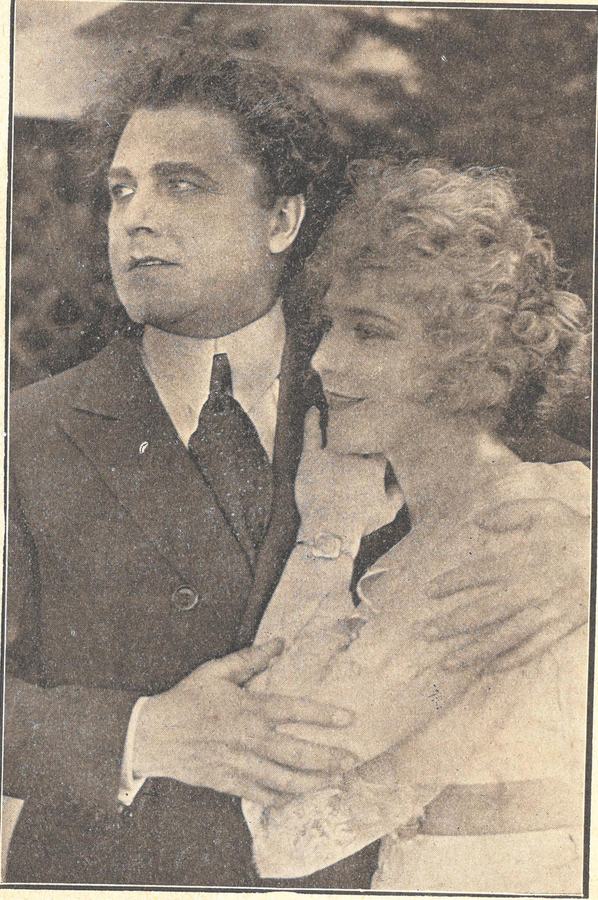
Wolves of the Night, while perhaps not as widely remembered as some of its contemporaries, offers valuable insights into the narrative conventions and thematic preoccupations of its era. The film’s title itself is evocative, suggesting predatory forces at play, lurking in the shadows of society and human nature. The 'wolves' are not literal beasts but men driven by greed and envy, preying on the innocent and the unsuspecting. The performances, particularly from William Farnum in a supporting role and Lamar Johnstone, would have contributed to the ensemble's overall dramatic weight, even if their specific characters aren't detailed in the plot summary.
The direction, though uncredited in the provided information, would have been paramount in orchestrating the emotional beats, from Bruce’s initial happiness to his amnesiac wanderings, Isabel’s despair, and finally, the triumphant, albeit hard-won, reunion. Silent cinema relied heavily on visual storytelling, using elaborate sets, expressive lighting, and dynamic camera work to convey meaning. Intertitles would have provided crucial dialogue and exposition, guiding the audience through the intricate plot twists and turns. The film’s ability to sustain such a complex narrative over its runtime, without spoken dialogue, speaks to the sophisticated understanding of visual grammar that early filmmakers possessed.
Ultimately, the film culminates in the reunion of Bruce and Isabel, a resolution that, while expected in a melodrama, feels earned after the arduous journey of suffering and vengeance. Their reconciliation is not merely a happy ending but a testament to enduring love and the triumph of justice over profound injustice. It’s a narrative arc that explores the depths of human depravity and the heights of human resilience, a common thread in many silent films where moral clarity eventually prevails. The emotional resonance of such a reunion, after so much turmoil, would have provided a powerful sense of closure for contemporary audiences, much like the emotional satisfaction found in other tales of perseverance against adversity, such as Home or The Honorable Algy, though the specifics of their struggles vary wildly.
Wolves of the Night, therefore, is more than just a forgotten film from a bygone era; it is a fascinating document of early cinematic storytelling, showcasing the period’s penchant for grand narratives, morally unambiguous characters, and the dramatic power of visual expression. It reminds us that while the technology of filmmaking has evolved exponentially, the fundamental human stories of love, loss, betrayal, and redemption remain timeless, continuing to captivate audiences across generations. Its exploration of financial manipulation and personal vengeance, set against the backdrop of a burgeoning industrial landscape, offers a compelling window into the societal concerns and dramatic tastes of the early 20th century. While we might not have its full visual splendor preserved, the sheer ambition of its plot and the emotional intensity it promises make it a compelling subject for critical re-evaluation, affirming its place within the rich tapestry of silent film history.
IMDb —
1935
Community
Log in to comment.