DbcultAccessing Vault...
6/10
Senior Film Conservator
A definitive 6/10 rating for a film that redefined the boundaries of cult cinema. Looking for Trouble remains a cornerstone of transgressive art.
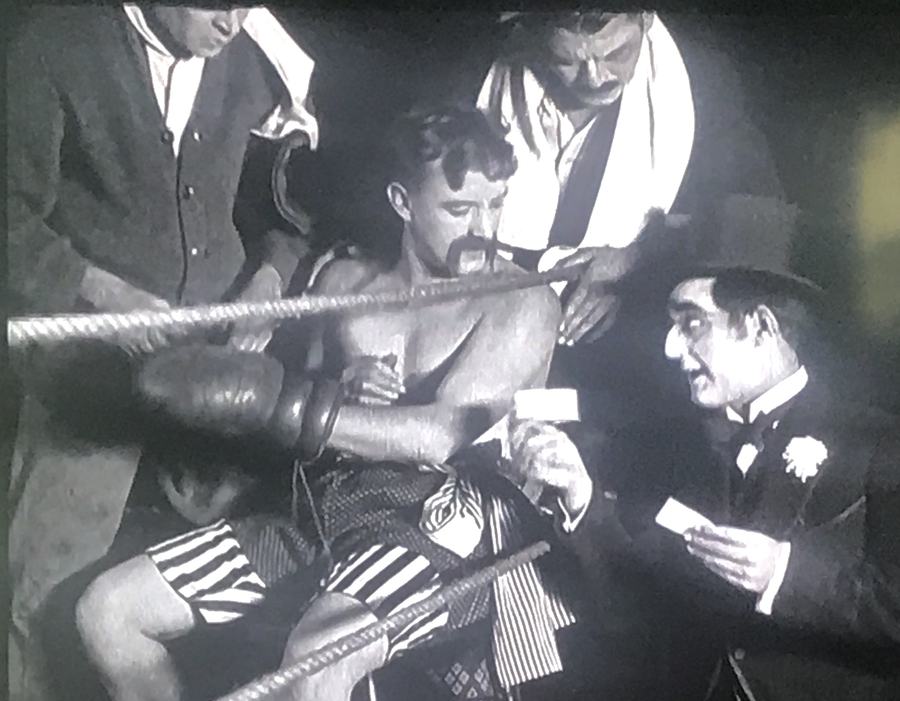
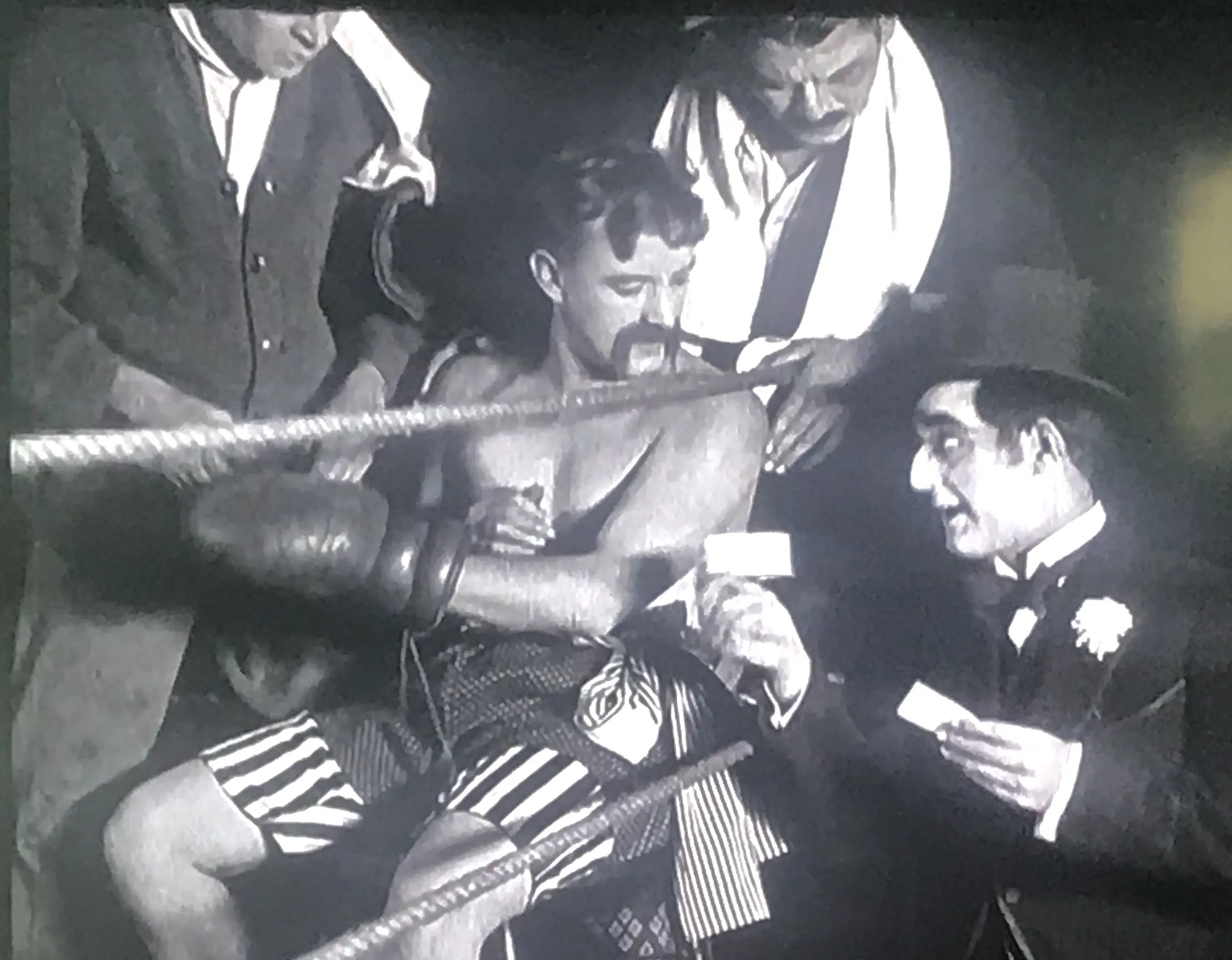
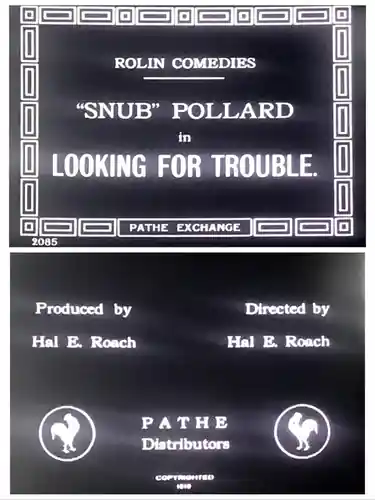
Stepping back into the nascent days of cinema, one finds a treasure trove of innovation, particularly within the realm of comedy. Among these early gems, 'Looking for Trouble' (1919) stands out, not merely as a historical artifact but as a vibrant testament to the timeless appeal of physical humor. This particular offering, starring the inimitable Snub Pollard, plunges audiences headfirst into the uproarious world of burlesque boxing, a milieu ripe for comedic exploitation and a delightful subversion of sporting gravitas. The film’s premise, simple yet infinitely effective, centers around a boxing contest where the principal bout pits the formidable 'Champ' against the seemingly ill-fated 'Chump'—a role Snub Pollard inhabits with an endearing blend of bewildered earnestness and accidental brilliance.
What makes 'Looking for Trouble' resonate even today is its unpretentious commitment to laughter. It doesn't aim for sophisticated narratives or profound character development; instead, it revels in the immediate, visceral joy of slapstick. Snub Pollard, whose career flourished in this era, was a master of the bewildered expression, the perfectly timed pratfall, and the escalating chaos that defined much of silent comedy. Here, as the 'Chump,' he embodies the ultimate underdog, a figure designed to absorb punishment and elicit guffaws through his sheer ineptitude and surprising resilience. The boxing ring, usually a stage for intense athletic prowess, is transformed into a theatrical arena where every punch, every dodge, and every tumble is meticulously choreographed for maximum comedic impact, rather than genuine sporting victory.
Snub Pollard's performance in 'Looking for Trouble' is a fascinating study in the art of the silent comedian. He doesn't rely on witty dialogue, which is, of course, absent, but rather on an expressive physicality that speaks volumes. His eyes, often wide with a mixture of fear and confusion, convey more emotion than pages of script ever could. As the 'Chump,' he's not just a punching bag; he's a catalyst for escalating absurdity. The film leverages his distinctive style, characterized by a slightly dazed demeanor that belies a surprising agility when circumstances demand it. This duality—the seemingly slow-witted individual who can, by sheer luck or an unexpected burst of energy, navigate or even inadvertently triumph over perilous situations—is a hallmark of Pollard’s comedic persona. It's a style that separates him from the more overtly boisterous antics of a Fatty Arbuckle or the meticulous, almost balletic grace of a Chaplin.
The supporting cast, including Marie Mosquini, William Gillespie, Gaylord Lloyd, Mildred Davis, Eddie Boland, Sammy Brooks, and Ernest Morrison, contributes significantly to the film’s vibrant tapestry. While Snub Pollard is undoubtedly the focal point, the reactions and interactions of these performers create a rich, dynamic environment for his antics. Marie Mosquini, often cast as the love interest or the damsel in distress in Pollard's shorts, likely provides a crucial emotional anchor or a source of motivation for Snub’s character, however comically misguided. William Gillespie and Gaylord Lloyd, stalwarts of early comedy, would have brought their seasoned experience to the ensemble, ensuring that the comedic timing and physical gags were executed with precision. Mildred Davis, later to marry Harold Lloyd, also brings her presence to the screen, adding another layer of talent to this lively production. The collective energy of this cast elevates the film beyond a mere solo act, transforming it into a communal experience of laughter.
While specific writer credits are not provided, the comedic structure of 'Looking for Trouble' speaks to a deep understanding of what made audiences laugh in the early 20th century. Silent film comedy, particularly shorts like this, relied heavily on visual gags, escalating complications, and predictable yet satisfying resolutions. The narrative, though minimal, is expertly crafted to move from one comedic set-piece to the next, building momentum towards the climactic boxing match. The director, whose identity also remains uncredited in the provided information, would have been instrumental in orchestrating the precise timing of these gags, the blocking of the physical comedy, and the overall rhythm of the film. This era often saw directors and writers working in a highly collaborative, almost improvisational manner, with gags refined on set. The effectiveness of 'Looking for Trouble' suggests a keen eye for comedic pacing and an intuitive grasp of how to extract maximum humor from a simple premise.
The film's visual style, typical of the era, would have employed straightforward cinematography, focusing on clear sightlines for the physical comedy. Editing would have been sharp, cutting quickly between reactions and actions to maintain a brisk comedic pace. Unlike the more deliberate, character-driven narratives seen in a film like The Explorer, or the dramatic intensity of The Return of Draw Egan, 'Looking for Trouble' prioritizes immediate, laugh-out-loud moments. The narrative isn't about deep emotional arcs or complex moral dilemmas; it's about the joyous spectacle of a man trying, failing, and trying again, all for the amusement of the audience. This direct approach to entertainment is a hallmark of the period and a key to its lasting appeal.
To fully appreciate 'Looking for Trouble,' it's beneficial to place it within the broader landscape of silent cinema. The 1910s were a fertile ground for cinematic experimentation, and comedy shorts were a staple of movie programs. These films often offered a quick escape, a burst of laughter before or after a more serious feature. The burlesque boxing theme itself was not entirely unique, drawing from vaudeville traditions and the public's fascination with both sport and spectacle. However, Snub Pollard's particular brand of bewildered charm gave it a fresh spin.
When we consider other films of the period, we see a spectrum of approaches. While 'Looking for Trouble' revels in physical farce, a film like The Stolen Treaty might engage with espionage and intrigue, showcasing a different facet of early storytelling. The emotional depth explored in a drama like The Outcast or the romantic entanglements of A Rogue's Romance stand in stark contrast to the purely comedic ambitions of Pollard's film. Even within comedy, there were variations. The intricate plots of films like Die Hochzeit im Excentricclub might involve more complex social satire, whereas 'Looking for Trouble' opts for a more direct, physical assault on the funny bone.
The appeal of the underdog, as embodied by Snub's 'Chump,' is a universal theme, one that resonates across genres and eras. We see echoes of this in more dramatic settings, such as the struggles depicted in The Awakening or the quiet heroism of characters in The Gentle Intruder. However, in 'Looking for Trouble,' this theme is filtered through a lens of pure, unadulterated comedy, transforming potential pathos into punchlines. The film’s strength lies in its ability to take a familiar scenario—the mismatch, the struggle, the improbable outcome—and infuse it with a kinetic energy that is both exhilarating and genuinely funny. It is less about the 'why' and more about the 'how' of the comedic situation, focusing on the visual mechanics of the gag.
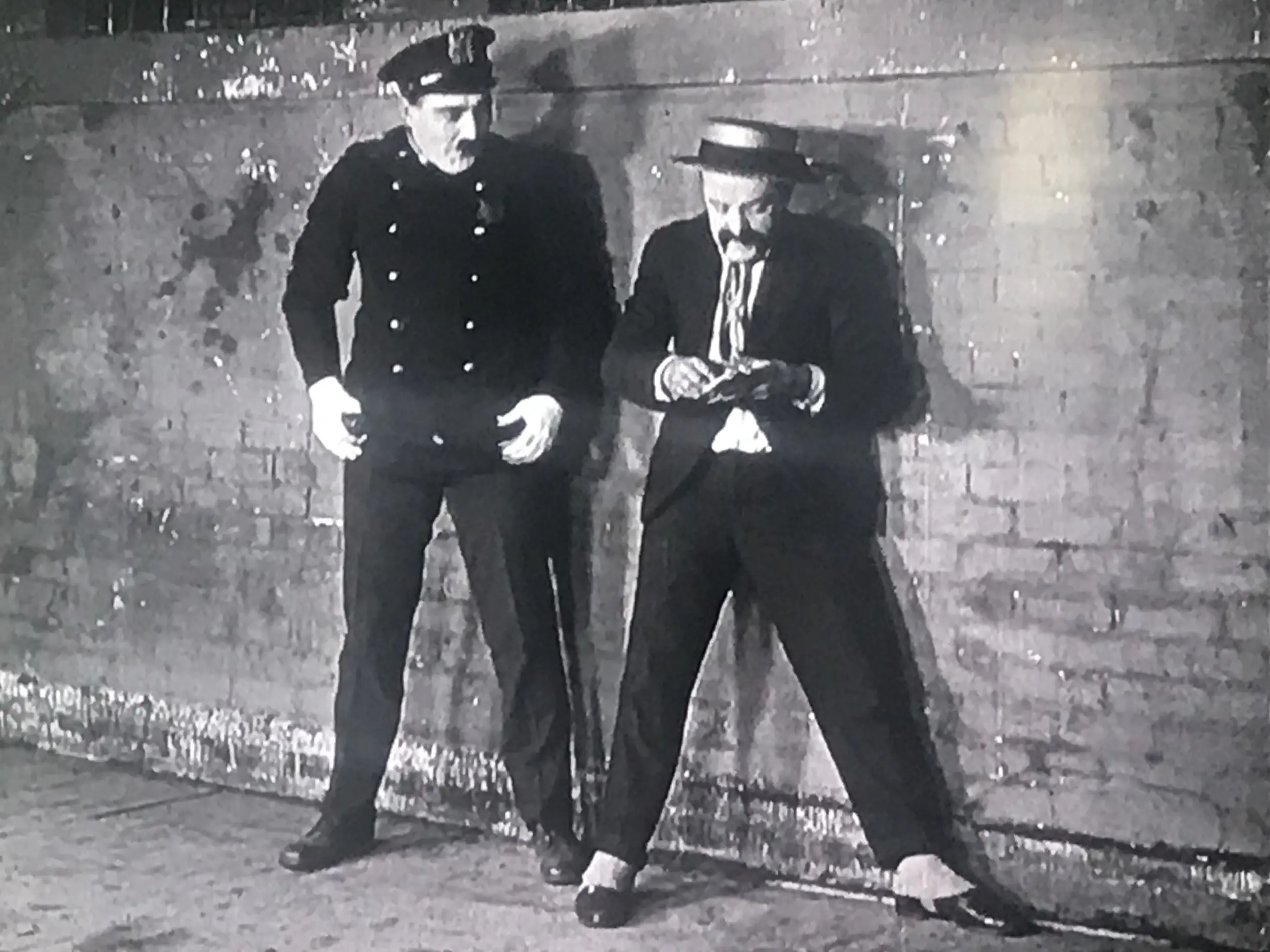
Consider the subtle yet effective characterizations. Snub's 'Chump' isn't just a generic figure; he possesses a distinct personality, even without dialogue. This is achieved through exaggerated expressions, specific mannerisms, and a consistent, if comically flawed, approach to his predicament. This level of detail in character portrayal, even for a short comedy, speaks to the craftsmanship of silent era performers. One might compare this focus on expressive physicality to the nuanced performances in films like The Rainbow, where emotions are conveyed through gesture and gaze, albeit in a dramatic context rather than a comedic one.
'Looking for Trouble' is more than just a momentary diversion; it's a vital piece of cinematic history that showcases the foundational elements of physical comedy. It reminds us that laughter often springs from the simplest of setups: a character out of his depth, facing an insurmountable challenge, and responding with a mixture of fear, bewilderment, and unexpected resilience. The film's energy is infectious, its gags meticulously crafted to elicit genuine amusement, and its central performance by Snub Pollard is nothing short of iconic within its niche.
The influence of films like 'Looking for Trouble' can be traced through decades of comedy, from the Three Stooges to modern-day physical comedians. The sheer inventiveness required to create sustained humor without dialogue forced filmmakers and performers to think visually, to choreograph actions with the precision of a dance, and to understand the universal language of body humor. This is a skill that perhaps even films like Mr. Logan, U.S.A., despite its dramatic leanings, might have inadvertently benefited from, in terms of staging action sequences for maximum visual impact.
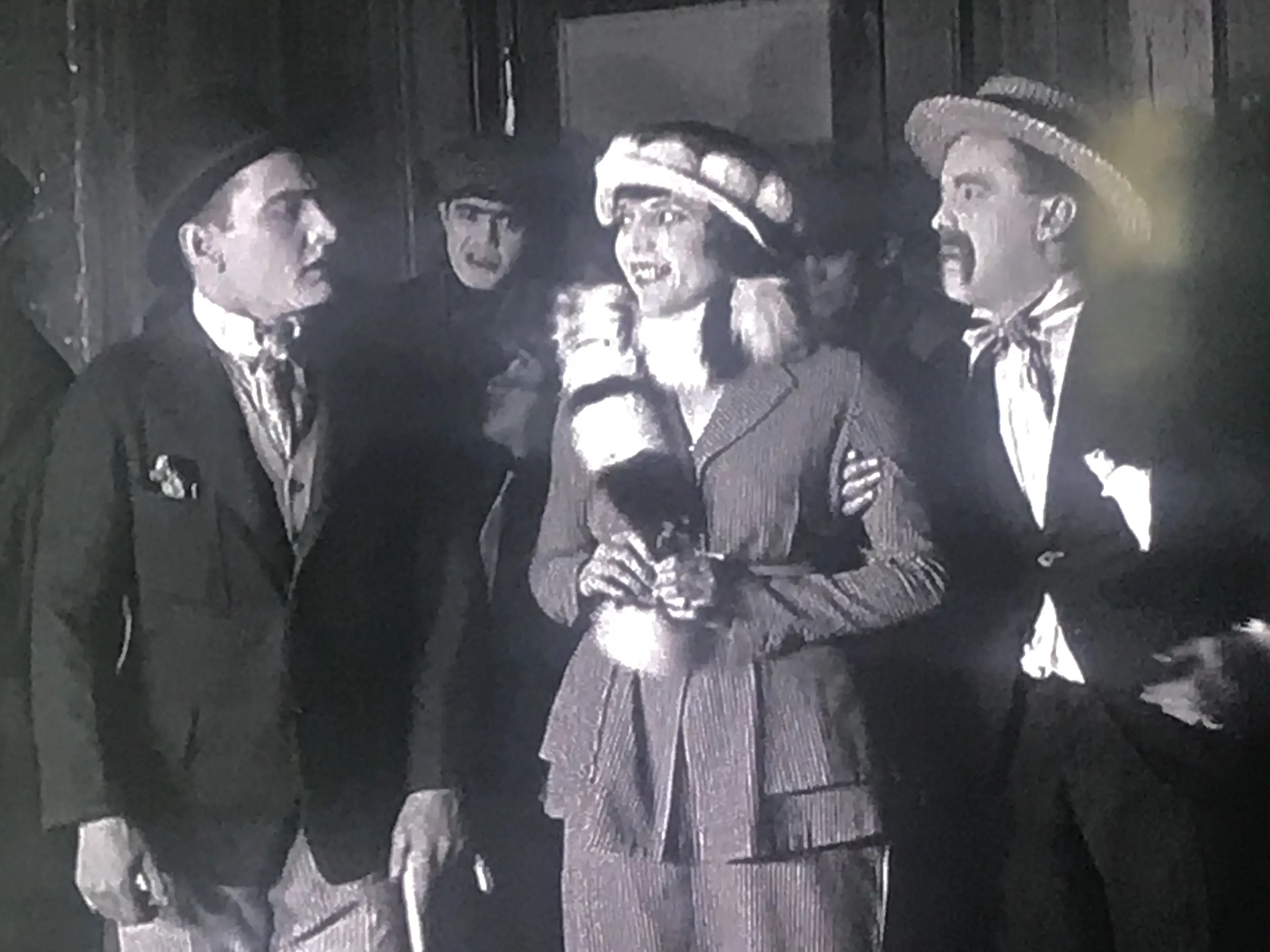
The absence of sound also meant that the visual storytelling had to be exceptionally clear. Every gesture, every prop, every facial expression carried significant weight. This clarity is evident in 'Looking for Trouble,' where the progression of the boxing match, the reactions of the crowd, and Snub's increasingly desperate antics are all perfectly legible. It's a masterclass in visual communication, a skill that remains paramount even in sound films. Comparing this to the narrative simplicity of The Gift Girl, one can appreciate how different genres leveraged visual storytelling to achieve their respective aims.
Moreover, the film serves as a reminder of the sheer volume of cinematic output during the silent era. Many shorts, often uncredited in terms of specific writers or directors, were collaborative efforts, born from a rapid production schedule and a deep understanding of audience preferences. 'Looking for Trouble' is a shining example of this efficient, effective filmmaking. It doesn't overstay its welcome, delivering its comedic payload with precision and leaving the audience with a smile. It embodies the spirit of an era where cinema was still finding its voice, but already mastering the art of making people laugh.
Ultimately, 'Looking for Trouble' is a joyous celebration of the underdog, a testament to the power of physical comedy, and a delightful glimpse into the innocent, yet sophisticated, humor of the silent era. It’s a film that, despite its age, continues to prove that sometimes, the most profound entertainment comes from the most unpretentious sources. It's not about the glitz of The Saint's Adventure or the gravitas of The Writing on the Wall, but about the pure, unadulterated joy of watching a 'Chump' try his best, often to hilariously disastrous effect. It’s a film that demands to be seen, not just for its historical value, but for its enduring ability to provoke genuine, heartfelt laughter. Its vibrant energy and Snub Pollard's memorable performance ensure its place as a minor classic of silent comedy, proving that even a burlesque boxing match can deliver a knockout punch of hilarity. This film, much like a well-worn favorite such as Der müde Theodor or Brass Buttons, relies on character and situation to drive its humor, a formula that never truly goes out of style.
IMDb —
1915
Community
Log in to comment.