DbcultAccessing Vault...
6.3/10
Senior Film Conservator
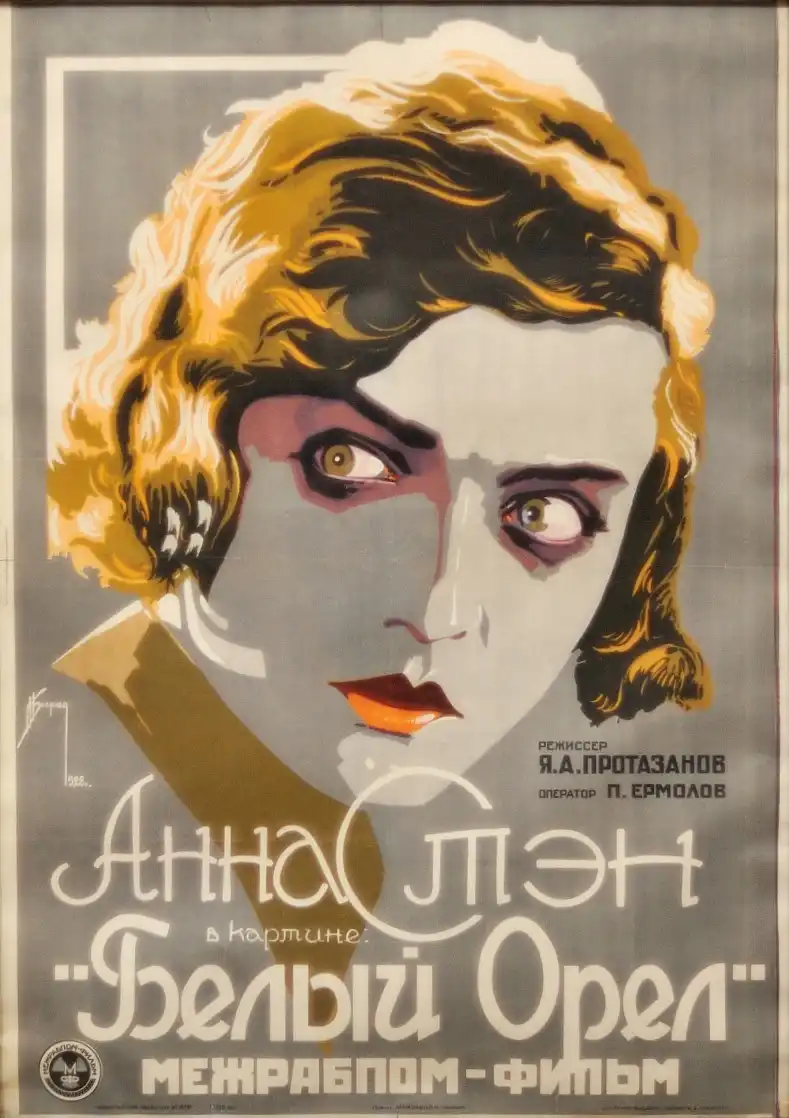
A definitive 6.3/10 rating for a film that redefined the boundaries of cult cinema. The White Eagle remains a cornerstone of transgressive art.
Yakov Protazanov's 1928 silent drama The White Eagle is not a film for a casual Friday night. It's a demanding, at times unsettling, experience that absolutely holds significant value for specific audiences today. If you're a cinephile with an appreciation for early Soviet cinema, an interest in the psychological toll of political power, or a student of silent film acting and direction, then yes, this is a film worth seeking out. It offers a fascinating window into a pivotal era of filmmaking and a stark portrayal of moral compromise. However, if you're accustomed to modern pacing, clear-cut heroes, or light entertainment, The White Eagle will likely feel slow, grim, and emotionally heavy. It demands patience and a willingness to engage with its historical context.
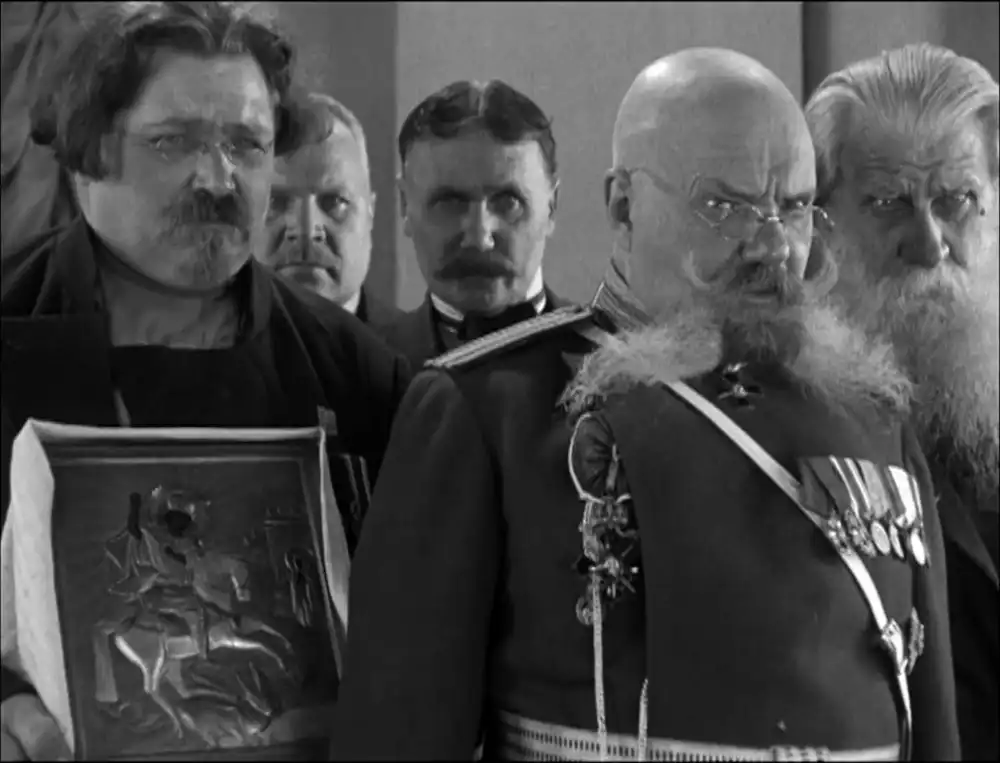
The film hinges almost entirely on the shoulders of Vasili Kachalov as the Governor, and his performance is a masterclass in silent film acting. Kachalov doesn't rely on exaggerated gestures; instead, he conveys the Governor's internal torment through subtle shifts in his posture, a recurring tremor in his hand, and the haunted quality of his gaze. We see him initially as a figure of authority, but as the film progresses, his carefully constructed facade crumbles. There's a particular scene where he receives the Tsar's chilling directive to 'not spare bullets' – the way Kachalov's eyes fixate on the telegram, a flicker of dread passing over his face before he recomposes himself, speaks volumes without a single intertitle.
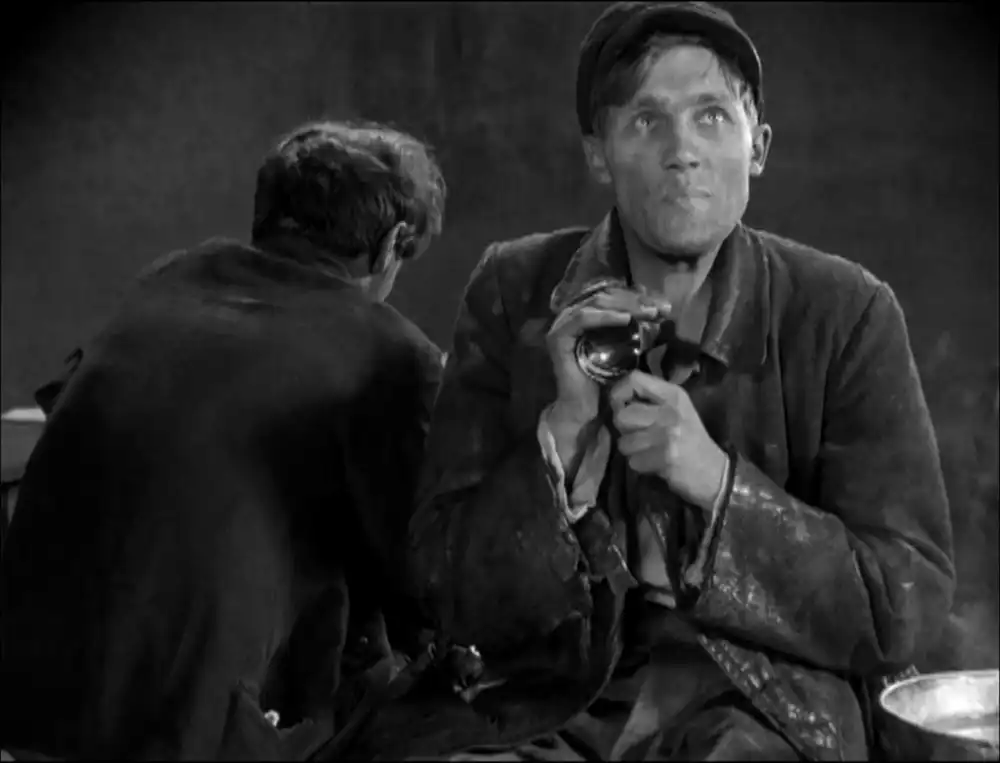
In stark contrast is Vsevolod Meyerhold as the Chief of Police. Meyerhold, a legendary theater director, brings a chillingly efficient and detached menace to the role. His movements are precise, almost robotic, embodying the cold, unfeeling apparatus of state power. He's the perfect foil to Kachalov's increasingly tormented Governor, a man who carries out orders without apparent moral qualm. The dynamic between these two performances elevates the film beyond a simple political drama, turning it into a study of different responses to absolute power.
Anna Sten, as the young woman caught in the aftermath of the suppression, offers a more symbolic presence. While her character's suffering is palpable, her portrayal is less about individual psychology and more about representing the broader human cost of the Governor's actions. Her wide, often terrified eyes become a visual shorthand for the terror inflicted upon the populace.
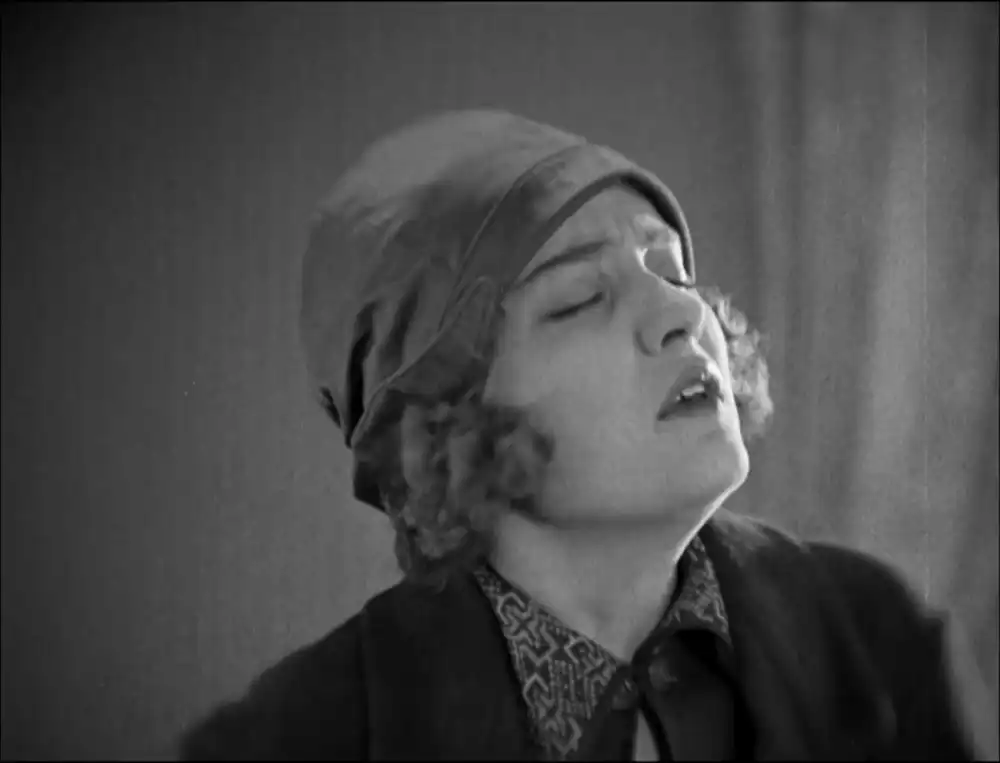
Protazanov's direction is defined by its stark, almost expressionistic visual style, perfectly matching the film's bleak subject matter. The cinematography frequently employs deep shadows and high contrast, particularly in the Governor's opulent but increasingly claustrophobic office. This lighting choice effectively underscores the moral darkness that envelops him. Close-ups are used sparingly but effectively, often lingering on Kachalov's face as he grapples with his conscience or on the cold, calculating eyes of Meyerhold's Chief of Police.
One of the film's most striking visual motifs is the way Protazanov uses reflections. During moments of intense internal conflict, the Governor's face is often glimpsed in the polished surface of his desk or a windowpane, slightly distorted and fragmented. This visual choice subtly hints at his fractured psyche and the burden of his decisions, making his mental deterioration visible without relying on overt melodrama. It's a precise, nuanced detail that only a director intimately familiar with the visual language of cinema would employ.
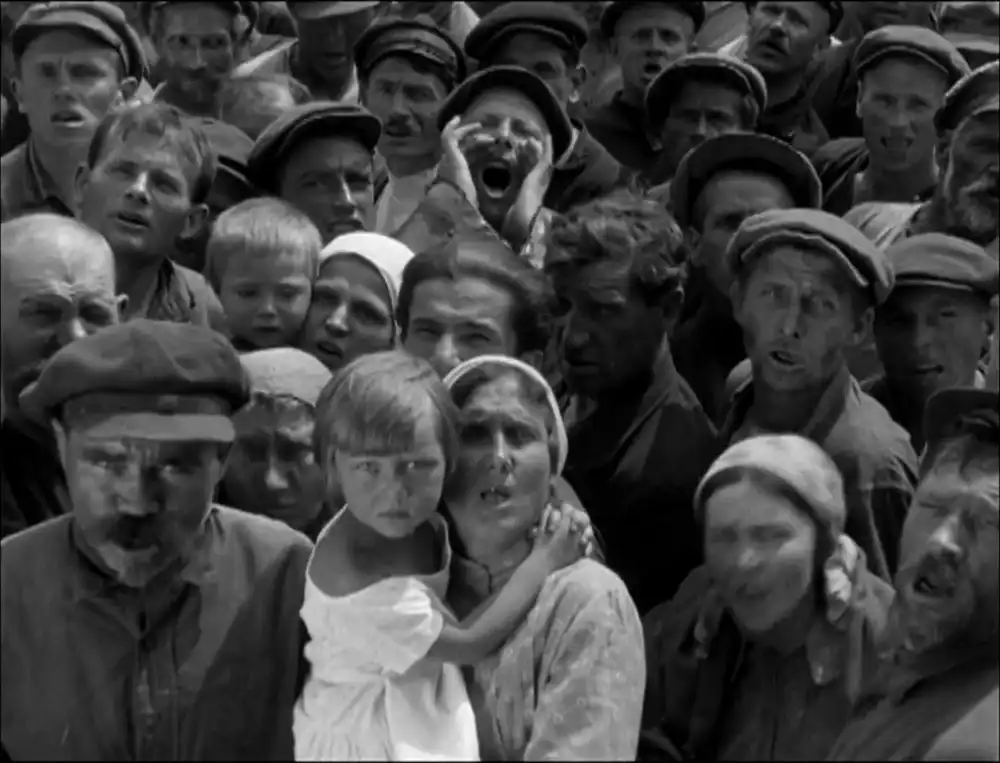
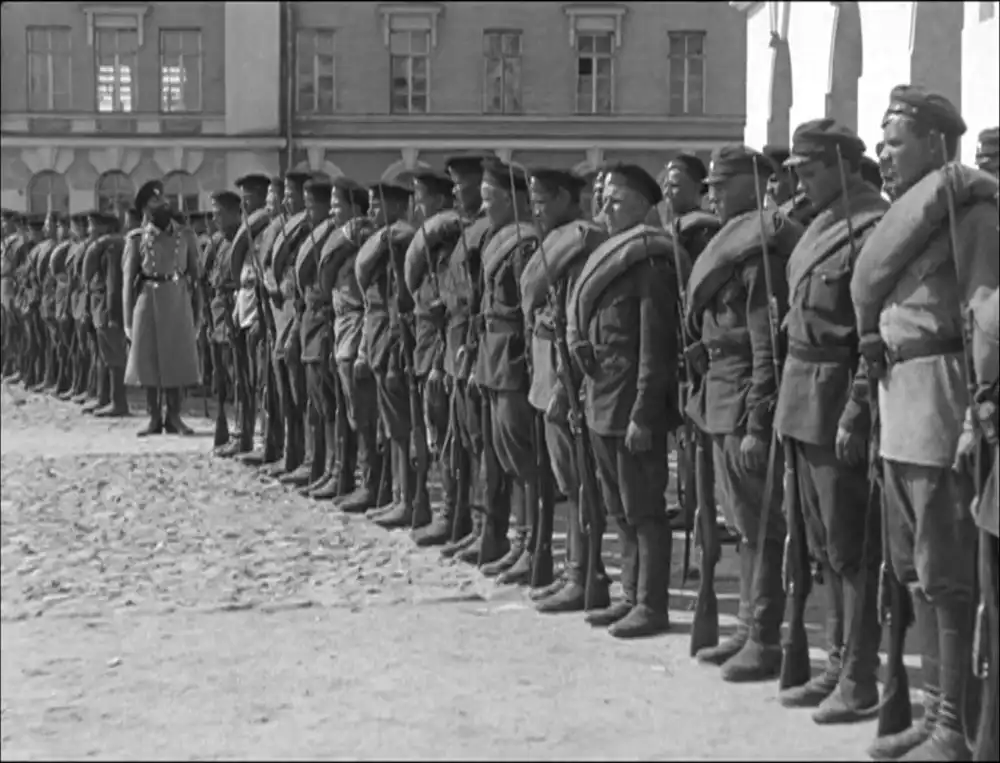
The crowd scenes, particularly the initial depiction of the workers' revolt, feel genuinely chaotic and desperate. Protazanov avoids glorifying the rebellion, instead portraying it as a desperate outburst against an overwhelming, oppressive force. The costumes and set designs are meticulously detailed, grounding the film firmly in its historical period, from the uniforms of the Tsar's officials to the drab clothing of the working class.
As with many silent films, the pacing of The White Eagle can feel deliberate, even slow, by contemporary standards. The narrative unfolds with a methodical solemnity, allowing moments of contemplation and psychological depth to breathe. While this contributes to the film's oppressive atmosphere, there are stretches, particularly in the middle section detailing the bureaucratic machinery of the state and the initial suppression, where the rhythm feels less urgent than the dramatic stakes suggest. These moments, while historically informative, occasionally test the modern viewer's patience.
However, the film consistently regains its grip whenever the focus returns to Kachalov's internal struggle. The narrative isn't about plot twists as much as it is about the inexorable descent of a man haunted by his actions. The moral ambiguity is handled with a remarkable lack of heavy-handedness; Protazanov allows the audience to witness the events and draw their own conclusions about the characters' culpability and suffering.
The White Eagle is an important work of silent cinema, a grim and powerful drama that resonates with questions of power, guilt, and the human cost of political decisions. It's a film that demands attention and rewards a thoughtful viewing. While its pacing and stylistic conventions firmly place it in its era, the strength of its central performances, particularly Vasili Kachalov's nuanced portrayal of a man consumed by his conscience, ensures its enduring impact. It's not an easy watch, nor is it meant to be, but for those willing to engage with its historical and artistic weight, Protazanov's film offers a compelling and often disturbing experience that lingers long after the final frame.
IMDb 6.5
1935
Community
Log in to comment.