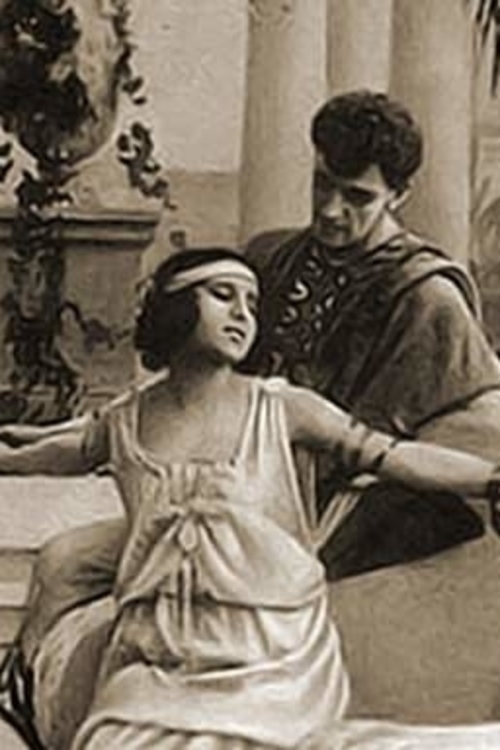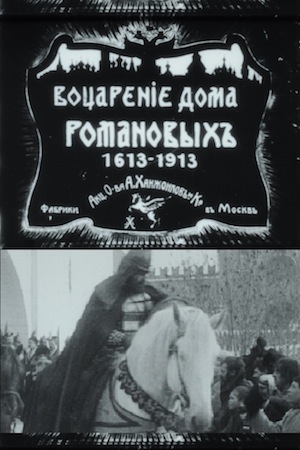
A significant part of the 1912 production "A Life for the Tsar" was used in this film..
Pyotr Chardynin, Vasili Goncharov
Russian Federation
A symphony of rot: how Chardynin turned imperial opera into a funeral cantata Imagine finding a Fabergé egg cracked open to reveal not jewels but a reel of nitrate: that is the shock of Votsareniye doma Romanovykh. The film cannibalises the 1912 staging of Glinka’s nationalist opera—originally a paean to the rise of...
Comparing the cinematic DNA and archive impact of two defining moments in cult history.
Pyotr Chardynin
Pyotr Chardynin
Community
Log in to comment.
" A symphony of rot: how Chardynin turned imperial opera into a funeral cantata Imagine finding a Fabergé egg cracked open to reveal not jewels but a reel of nitrate: that is the shock of Votsareniye doma Romanovykh. The film cannibalises the 1912 staging of Glinka’s nationalist opera—originally a paean to the rise of the first Romanov—yet every frame feels like it was processed in the blood-rust of 1917. Courtiers glide across parquet floors that ripple like molten wax; chandeliers flicker bet..."

Deep dive into the cult classic
Discover similar cinematic experiences
A Directorial Spotlight on Pyotr Chardynin