DbcultAccessing Vault...
Cult Review
Senior Film Conservator
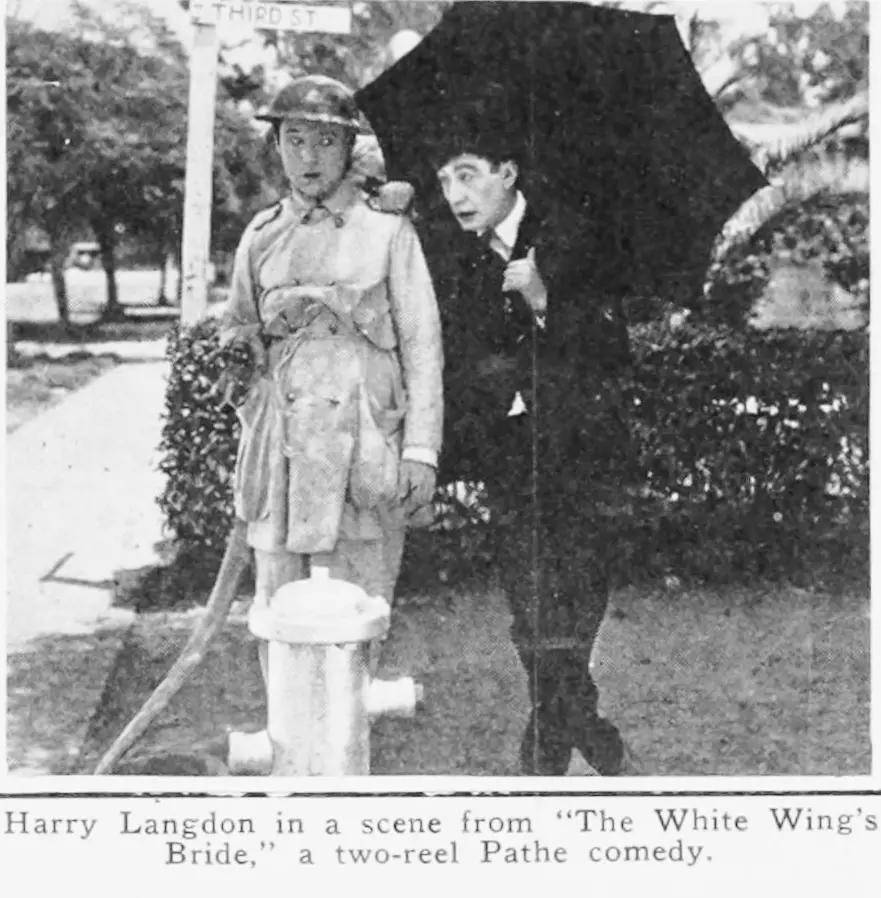
Is The White Wing's Bride a forgotten silent comedy gem worth unearthing today? Short answer: yes, but with significant caveats for contemporary audiences. This film is an absolute must-see for ardent silent film aficionados and fans of Harry Langdon's unique brand of melancholic slapstick, yet it will likely test the patience of those accustomed to modern narrative complexities and rapid pacing.
It's a curious artifact from an era where character trumped plot, and physical comedy reigned supreme. While it offers genuine laughs and a fascinating glimpse into early cinematic storytelling, its dated sensibilities and a narrative that often feels more like a vehicle for gags than a cohesive story mean it's emphatically not for viewers seeking a tightly plotted, progressive, or fast-paced experience.
At its core, The White Wing's Bride is a showcase for Harry Langdon, one of the great, often overlooked, silent comedians. Langdon's persona – a childlike innocent, perpetually bewildered, stumbling through a world he barely comprehends – is front and center here. He's not the aggressive, physical force of a Keaton or the sentimental everyman of a Chaplin; Langdon's comedy is one of gentle befuddlement, of slow-burn reactions and wide-eyed vulnerability. His performance is the absolute highlight, a masterclass in nuanced physical comedy that elevates the otherwise flimsy plot.
The film works because Langdon’s unique acting style is perfectly suited to the character of the street sweeper. His innocence makes the accidental possession of the jewel believable and his subsequent terror genuinely amusing. He doesn't act; he reacts, and his reactions are priceless. Consider the scene where the jewel first falls into his hands; there's no frantic exclamation, just a slow, dawning realization on his face, a subtle widening of the eyes that speaks volumes. It’s a quiet brilliance that separates him from his more boisterous contemporaries.
However, the film fails because its plot, even by silent era standards, is remarkably thin. The 'deep-dyed plot' involving 'crafty Orientals' feels less like a compelling thriller and more like a flimsy excuse for a series of chase sequences. It lacks the inventive set pieces of a Keaton film like The Scarlet Road or the emotional depth found in Chaplin's work. The narrative simply serves as a string to hang Langdon's gags upon, which, while entertaining, doesn't make for a robust cinematic experience.
You should watch it if you appreciate the artistry of silent physical comedy and are particularly interested in the more subtle, character-driven performances of the era. If you’re a film historian or a dedicated fan of early cinema, this is an essential piece of the puzzle, offering insight into Langdon's unique contributions to the genre. But if your exposure to silent film is limited to the greatest hits and you demand a narrative that holds up to modern scrutiny, you might find yourself checking the clock.
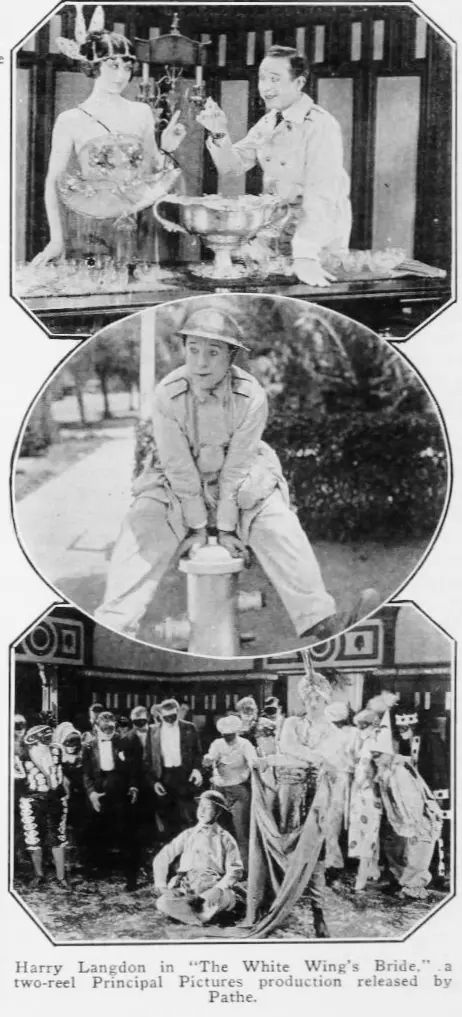
Directing in The White Wing's Bride is competent, if not groundbreaking. The director understands Langdon’s strengths, often framing him in medium shots that allow his full body language to tell the story. The chase sequences, while repetitive, are orchestrated with a clear understanding of comedic timing. There's a particular sequence aboard the ocean liner where Langdon is constantly just out of reach of his pursuers, ducking behind pillars and under tables, that exemplifies this. It’s not revolutionary, but it’s effective.
Cinematography, typical of the period, is functional. There are no grand sweeping shots or innovative camera movements to speak of. The focus is on clarity and capturing the action. Close-ups are used sparingly, primarily to emphasize Langdon’s expressions of confusion or fear, which are, as always, a delight. The lighting is standard for early Hollywood, bright and even, ensuring every gag is visible. It's a testament to the actors and the story that these films captivated audiences without the visual pyrotechnics we expect today.
The pacing of The White Wing's Bride is a product of its time. It’s slower than modern comedies, allowing gags to unfold and characters to react. This deliberate speed can feel languid to contemporary eyes, especially during expositional scenes or prolonged chase sequences. However, it also allows Langdon's subtle comedic genius to breathe, giving the audience time to appreciate his unique rhythm. The film’s tone is consistently lighthearted, a blend of romantic comedy and slapstick adventure, with a touch of melodrama introduced by the jewel theft.
One cannot discuss the film without addressing its more dated elements. The portrayal of the 'crafty Orientals' is, unfortunately, a product of its era's prevalent stereotypes. While presented as comedic antagonists rather than genuinely menacing figures, their characterization relies on tropes that are uncomfortable by modern standards. This is a common hurdle when revisiting many films from the early 20th century, and viewers must approach it with an understanding of historical context, rather than condoning the stereotypes themselves.
Absolutely, for specific audiences. If you are a student of silent film, a devotee of Harry Langdon, or simply curious about the evolution of comedy, The White Wing's Bride offers valuable insights and genuine moments of amusement. Its historical significance and Langdon's performance make it a worthy watch for those with an appreciation for its context.
Langdon's style often gets overshadowed by the more iconic figures of Chaplin and Keaton, but his contribution is distinct. While Chaplin often played the underdog with a heart of gold, fighting against societal injustices, and Keaton the stoic genius mastering his environment, Langdon was the eternal child, an innocent abroad. His street sweeper character in The White Wing's Bride perfectly embodies this. He doesn't actively seek adventure or romance; it simply happens to him, and he reacts with a mixture of terror and wide-eyed wonder. This passive heroism is what makes his comedy so unique and, in some ways, more relatable in its sheer vulnerability.
Consider how his pursuit scenes differ from Keaton's. Where Buster might meticulously plan an escape or use his environment with ingenious precision, Langdon simply runs, often with an almost bewildered expression, relying on sheer luck and the clumsiness of his pursuers. It's a different brand of genius, less about mastery and more about charming incompetence. This film, alongside others like A Kiss for Susie, solidifies his place as a master of this particular niche within silent comedy.
The romantic thread, between the humble street sweeper and the banker's daughter, is a classic silent film trope, echoing the class distinctions often explored in the era. It’s a simple, sweet narrative that provides the emotional anchor for the wild jewel chase. The daughter's affection for the hero feels less earned by his actions and more by his inherent goodness and perhaps, his charming helplessness. The resolution, where he wins the girl as a reward for returning the jewel, is utterly predictable but satisfying in its simplicity.
It’s a fairy tale ending, pure and uncomplicated, a staple of the period that reflects a desire for uncomplicated justice and romantic fulfillment. There's no complex character development or moral ambiguity here; just a good boy getting his just deserts, both materially and romantically. This straightforward approach is part of its charm, even if it feels a little too neat for modern tastes.
Here's a quick breakdown of what works and what doesn't in The White Wing's Bride:
Cons:
The White Wing's Bride is a film that exists primarily as a vehicle for Harry Langdon’s unique comedic genius. It’s a delightful, if dated, romp that showcases one of silent cinema’s most understated talents. While its narrative shortcomings and regrettable cultural stereotypes prevent it from being a universal recommendation, its historical value and Langdon’s performance make it essential viewing for specific audiences. It works. But it’s flawed. For those willing to look past its imperfections and embrace the charm of a bygone era, there's a quiet joy to be found. For others, it might feel like a quaint, but ultimately forgettable, footnote in cinematic history. It's not a film to be judged by today's metrics of storytelling, but rather admired as a window into the specific brand of humor and star power that once captivated millions.
IMDb —
1927
Community
Log in to comment.