DbcultAccessing Vault...
Cult Review
Senior Film Conservator
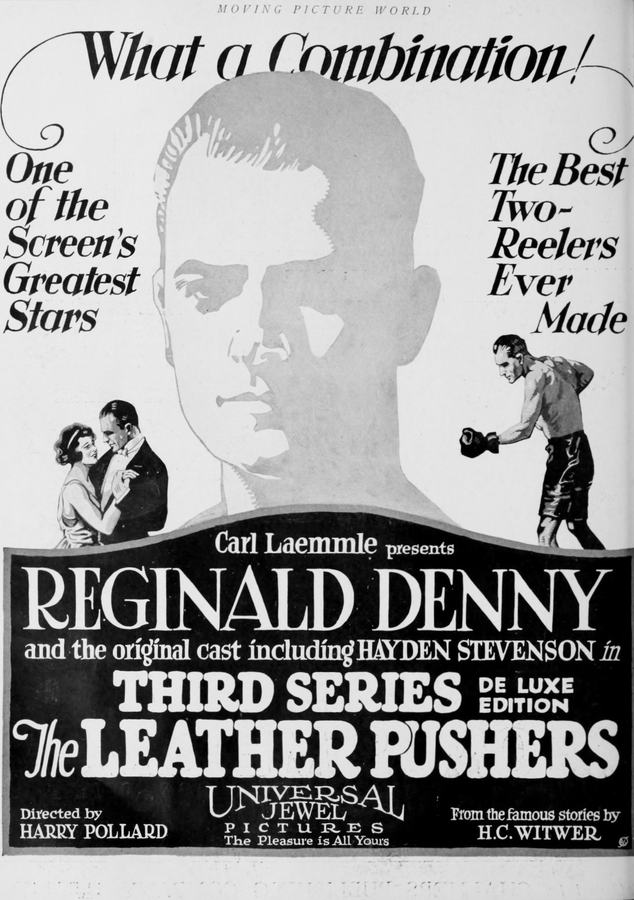
Stepping back into the cinematic tapestry of an era defined by grand gestures and nuanced silences, we encounter 'The Widower's Mite,' a film that, though perhaps less frequently cited in mainstream discourse, resonates with a profound emotional depth, largely thanks to the understated brilliance of Reginald Denny and the thematic prescience of its narrative. Written by H.C. Witwer and Harvey F. Thew, this picture delves into the often-overlooked struggles of the common man, painting a portrait of quiet resilience that remains strikingly relevant.
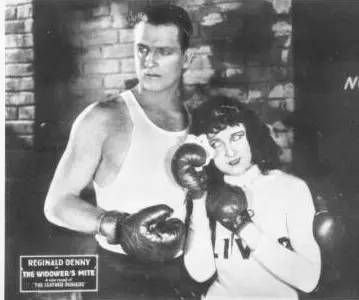
At its core, 'The Widower's Mite' is a masterclass in character study, anchored by Reginald Denny's portrayal of John, a man burdened by loss but fortified by an unwavering moral compass. Denny, often celebrated for his dashing roles in films like The Rustle of Silk, here sheds the veneer of the debonair to embody a stoic, grief-stricken widower. His performance is a testament to the power of subtle acting, conveying a universe of sorrow, determination, and quiet dignity through a gaze, a posture, or the slightest tremor in his hands. It’s a performance that speaks volumes without a single word, drawing the audience into John’s internal world with an almost unbearable intimacy. This is not the flamboyant heroism of an adventurer; it is the gritty, everyday heroism of survival, of a father striving to provide and protect.
The narrative, a creation of Witwer and Thew's astute understanding of human nature, unfolds with a deceptively simple premise. John, a man of modest means, donates a small sum, his 'mite,' to a local charity. This act, born from genuine altruism and a desire to contribute to the community that once supported him, becomes the unexpected catalyst for a far-reaching scandal. The film meticulously charts the ripple effects of this single, humble gesture, demonstrating how even the smallest acts of integrity can expose the most entrenched corruption. It's a powerful commentary on the often-fragile facade of public philanthropy and the inherent dangers when trust is misplaced. The choice of 'mite' as the central symbol is particularly astute; it evokes biblical connotations of true generosity, contrasting sharply with the avarice it inadvertently uncovers.
Hayden Stevenson, in a role that provides a crucial counterpoint to Denny's protagonist, delivers a nuanced performance that complicates the simple hero-villain dynamic. Whether portraying a conflicted official, a skeptical neighbor, or a legal adversary, Stevenson's character serves as a mirror, reflecting the societal pressures and ethical compromises that challenge John's unwavering resolve. His interactions with Denny are charged with an unspoken tension, each glance and gesture imbued with layers of mistrust, misunderstanding, or perhaps even a grudging respect. The writers crafted a dynamic where the conflict isn't just external, but often internal, forcing characters to confront their own moral failings or triumphs.
The cinematography, though of its era, exhibits a keen understanding of visual metaphor. Shots of John toiling in his humble abode, bathed in the stark light filtering through a grimy window, stand in stark contrast to the opulent, yet shadowy, interiors of the charitable institution. This visual dichotomy effectively underscores the film's central theme: the purity of genuine sacrifice versus the corrupting influence of power and wealth. The direction masterfully uses close-ups to capture Denny's expressive face, allowing the audience to witness the emotional maelstrom raging within him, making his internal journey as compelling as the external plot developments. The pacing, deliberate and methodical, builds suspense not through frantic action, but through the slow, agonizing revelation of truth and the escalating pressure on John.
The film’s exploration of justice, or the lack thereof, is particularly potent. It’s not a simplistic tale of good triumphing over evil, but a more complex dissection of how systemic flaws can ensnare even the most virtuous. John’s journey through the legal system, or rather, his struggle against it, mirrors the trials faced by countless individuals who find themselves battling forces far greater than themselves. This aspect of the narrative could draw fascinating comparisons to films like His Robe of Honor, which similarly grappled with legal ethics and personal integrity, or even the more abstract, allegorical quality of Suramis tsikhe in its depiction of an individual's enduring sacrifice for a greater, though perhaps unappreciated, good. The writers, Witwer and Thew, demonstrate a profound understanding of societal structures, presenting a critique that feels both timely for its production era and timeless in its message.
Beyond the social commentary, 'The Widower's Mite' is deeply invested in the human cost of such battles. John's relationship with his daughter provides the emotional anchor, serving as his primary motivation and the wellspring of his resilience. The silent exchanges between father and child are heart-wrenching, underscoring the stakes of his fight – not just for his own reputation, but for her future. This familial bond elevates the film beyond a mere legal drama, imbuing it with a universal resonance that speaks to the protective instincts inherent in parenthood. It’s this emotional core that truly distinguishes the film, preventing it from becoming a dry exposition of social ills.
The film’s strength also lies in its refusal to offer easy answers. The resolution, while providing a sense of closure, doesn't gloss over the scars left by the ordeal. It acknowledges the toll that fighting for justice can take, even when ultimately victorious. This nuanced approach to storytelling, characteristic of the more thoughtful productions of the era, avoids saccharine conclusions, instead opting for a more realistic portrayal of life's complexities. It's a reminder that integrity, while invaluable, often comes at a steep price.
In an age captivated by grand spectacles and overt heroism, 'The Widower's Mite' offers a vital counter-narrative, celebrating the quiet courage of an ordinary man. It is a film that demands reflection, prompting viewers to consider the true value of their contributions, however small, and the integrity of the institutions they trust. Reginald Denny's performance here is a masterclass in restrained emotion, cementing his status not just as a leading man, but as an actor capable of profound dramatic depth. His ability to convey internal turmoil without extensive dialogue is a hallmark of the silent and early talkie eras, and 'The Widower's Mite' provides ample evidence of his mastery.
The film’s thematic concerns — the vulnerability of the individual against systemic power, the corruptibility of institutions, and the enduring strength of personal conviction — are as pressing today as they were upon its initial release. It reminds us that heroism isn't always found on battlefields or in grand adventures, but often in the quiet, unyielding stand of an individual against injustice, armed with nothing but their truth and their 'mite.' It certainly stands apart from lighter fare like Headin' West, demanding a more contemplative engagement from its audience. Its enduring power lies in its ability to strip away the superficial, revealing the raw, often painful, beauty of human resilience.
The collaborative effort of Witwer and Thew in crafting such a compelling narrative, coupled with the nuanced performances of Denny and Stevenson, ensures that 'The Widower's Mite' remains a significant, if understated, piece of cinematic history. It's a film that speaks to the universal struggle for dignity and justice, a timeless tale that continues to resonate with audiences who appreciate cinema that dares to look beneath the surface. It serves as a stark reminder that the most impactful stories are often those that explore the quiet battles fought in the heart of the common man, battles that, like the 'widower's mite,' may seem small but carry immeasurable weight.
Moreover, the film's subtle critique of the very concept of charity, when it becomes a vehicle for self-aggrandizement or outright fraud, is remarkably prescient. It forces a difficult question: what is the true nature of giving, and what happens when the hand that receives is less than honest? This intellectual provocation is woven seamlessly into the dramatic fabric, never overwhelming the human story but instead enriching it. Unlike the more direct, almost allegorical approach to moral dilemmas seen in films such as The Volcano, 'The Widower's Mite' grounds its ethical debates in the gritty realism of everyday life, making its message all the more impactful. It's a film that lingers in the mind, prompting introspection long after the final frame has faded.
The film's exploration of public perception versus private reality is another compelling layer. John, initially seen as a humble benefactor, finds himself under scrutiny, his motives questioned, his character maligned. This public trial, distinct from the legal one, highlights the destructive power of rumor and the swiftness with which society can turn on an individual. This aspect of the narrative offers a chilling parallel to modern-day phenomena, proving that certain societal anxieties and behaviors are perennial. The writers understood the psychological toll of such public shaming, and Denny’s portrayal vividly captures John’s inner torment, his struggle to maintain his composure and dignity in the face of overwhelming public condemnation.
In conclusion, 'The Widower's Mite' is far more than a simple period drama; it is a profound meditation on integrity, sacrifice, and the often-unseen battles that define a man's character. It's a film that champions the quiet hero, demonstrating that true strength lies not in physical prowess or societal standing, but in the unwavering adherence to one's moral code, even when it costs everything. The performances, the astute writing, and the evocative direction combine to create a cinematic experience that, while rooted in its time, speaks to universal truths about the human condition. It solidifies Reginald Denny's legacy as an actor of remarkable depth, capable of carrying a narrative with quiet power, making 'The Widower's Mite' a film deserving of renewed appreciation and study.
IMDb 5.3
1934
Community
Log in to comment.