DbcultAccessing Vault...
4.5/10
Senior Film Conservator
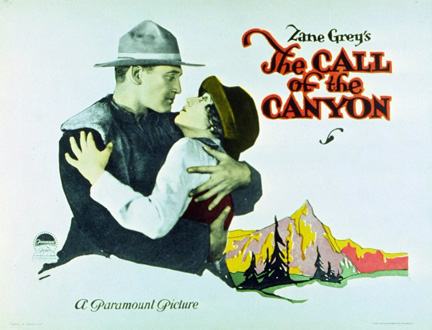
A definitive 4.5/10 rating for a film that redefined the boundaries of cult cinema. The Call of the Canyon remains a cornerstone of transgressive art.
The Call of the Canyon, a silent film released in 1923, is a poignant and thought-provoking tale of love, redemption, and self-discovery, set against the breathtaking backdrop of Arizona's rugged landscape. Directed by Louis King, the film boasts a talented cast, including Richard Dix, Lois Wilson, and Marjorie Daw, who deliver captivating performances that bring depth and nuance to the story.

The film's narrative is a masterful exploration of the human experience, delving into themes of identity, community, and the complexities of relationships. Glenn Kilbourne, played by Richard Dix, is a World War I veteran struggling to come to terms with his past and find his place in the world. His journey to Arizona, a land of untamed beauty and unforgiving climate, serves as a metaphor for his inner quest for healing and redemption.
As Glenn navigates the challenges of his new surroundings, he meets Flo Hutler, a kind-hearted and resourceful local girl, played by Lois Wilson, who becomes his guiding light and confidante. Their bond, forged through shared experiences and mutual respect, is a testament to the power of human connection and the transformative impact it can have on our lives. The chemistry between Dix and Wilson is undeniable, and their performances bring a sense of authenticity and vulnerability to the story.
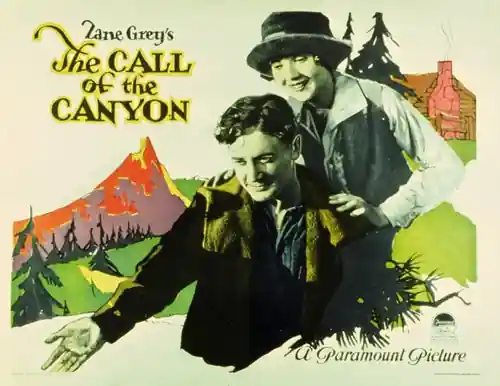
One of the most striking aspects of The Call of the Canyon is its thoughtful portrayal of the complexities of love and relationships. The film presents a nuanced exploration of the tensions between desire, duty, and personal growth, as embodied by the characters of Glenn, Flo, and Carley Burch, Glenn's high-maintenance fiancée from New York. Carley, played by Marjorie Daw, is a symbol of the old world, with its rigid social conventions and expectations, while Flo represents a more liberated and self-sufficient way of living.
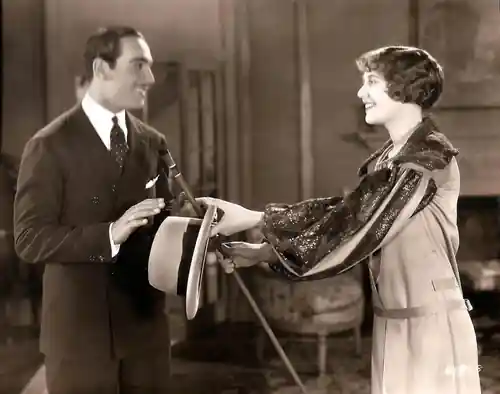
The film's cinematography, handled by Charles Richardson, is a character in its own right, capturing the majesty and beauty of the Arizona landscape. The sweeping vistas, majestic rock formations, and vast expanses of desert terrain serve as a constant reminder of the characters' place within the natural world and the fragility of human existence. The use of light and shadow is particularly noteworthy, as it adds depth and texture to the narrative, underscoring the emotional highs and lows of the characters' journeys.
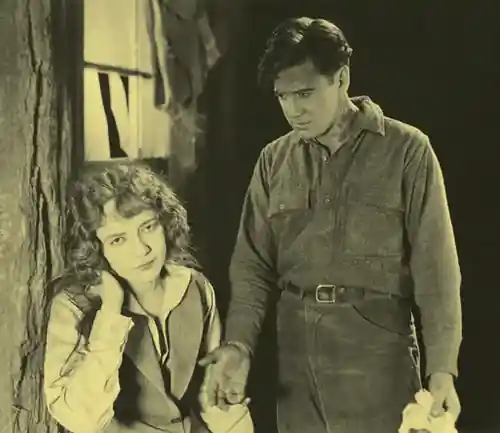
In comparison to other films of the era, such as The Only Son and Body and Soul, The Call of the Canyon stands out for its thoughtful pacing, well-developed characters, and nuanced exploration of themes. While Pidgin Island and La principessa may share some similarities with The Call of the Canyon in terms of their romantic plotlines, they lack the depth and complexity that makes this film so compelling.
The supporting cast, including Noah Beery and Ricardo Cortez, deliver solid performances that add to the richness and diversity of the narrative. The film's score, though lost to time, would have undoubtedly enhanced the emotional impact of the story, underscoring the dramatic tension and romantic moments that define the characters' experiences.
The Call of the Canyon is a film that rewards close attention and reflection, inviting viewers to immerse themselves in its world and ponder the universal themes that underpin the narrative. As a work of cinematic art, it stands as a testament to the power of storytelling to capture the human condition, with all its complexities, contradictions, and frailties. If you're a fan of classic cinema, or simply looking for a thought-provoking and emotionally resonant film experience, The Call of the Canyon is an absolute must-see.
In the context of film history, The Call of the Canyon can be seen as a precursor to later works, such as Ever Since Eve and A Coo-ee from Home, which also explored themes of love, identity, and personal growth. The film's influence can also be seen in the work of later directors, such as those behind The Prey and Home Talent, who similarly used the cinematic medium to explore the human condition.
Ultimately, The Call of the Canyon is a film that will linger in your mind long after the credits roll, its themes and characters continuing to resonate with you like the haunting beauty of the Arizona landscape. With its masterful storytelling, memorable performances, and captivating cinematography, this silent classic is an unforgettable experience that will leave you pondering the complexities of the human heart and the transformative power of love and relationships.
IMDb 6.3
1921
Community
Log in to comment.