DbcultAccessing Vault...
Cult Review
Senior Film Conservator
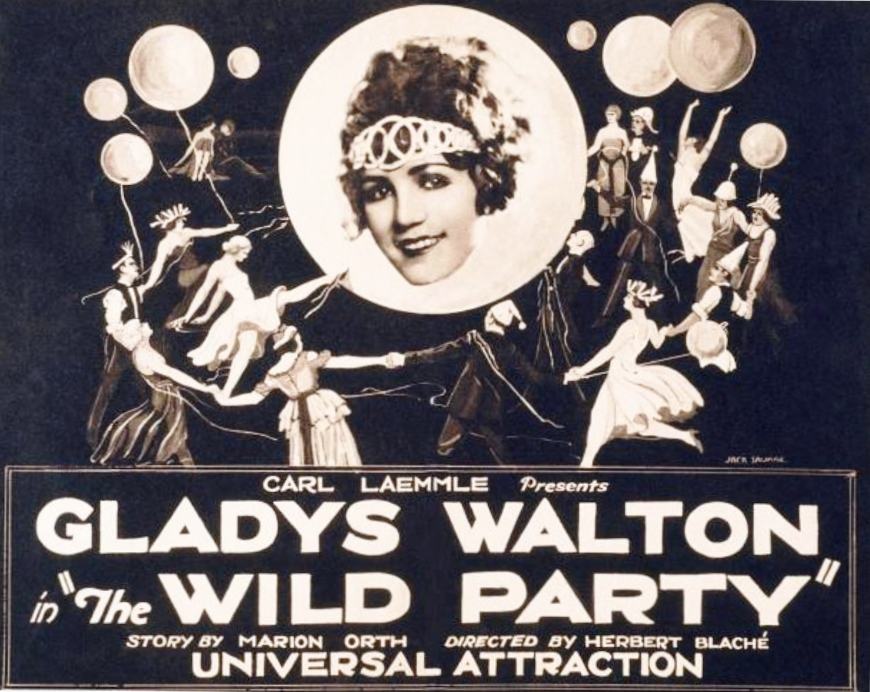
The Wild Party, a 1923 silent film, presents a captivating narrative that delves into the intricate world of journalism, love, and the pursuit of truth, as embodied by the determined and strong-willed Leslie Adams, played by Kate Lester. As the secretary to the city editor of a newspaper, Leslie's aspirations to become a writer are initially met with skepticism, but her persistence eventually pays off, and she is given the opportunity to write about a high-society affair.
However, her efforts land the paper in a libel suit, and Leslie is told to prove the validity of her story or risk losing her job, a predicament that echoes the themes found in The Little Girl That He Forgot and Sealed Hearts. As she navigates this complex situation, Leslie must also contend with her growing feelings for Stuart Furth, the man behind the lawsuit, played by Robert Ellis, in a delicate dance of love, truth, and journalistic integrity.
The film's cast, which includes Dorothy Revier, Sidney Bracey, and Joseph W. Girard, delivers impressive performances that bring depth and nuance to the narrative, much like the talented ensemble in Carolina Rediviva and The Fox Woman. The cinematography, although a product of its time, effectively captures the essence of the era, with its use of dark tones and vivid contrasts adding to the overall aesthetic of the film.
The Wild Party's exploration of the consequences of reckless journalism and the importance of verifying information is a theme that remains timeless, and its portrayal of a strong-willed female protagonist who refuses to back down in the face of adversity is a testament to the enduring power of women in journalism. The film's use of symbolism, particularly in its depiction of the contrast between the sea of truth and the desert of deception, adds a layer of complexity to the narrative, inviting the viewer to ponder the deeper meanings behind the story.
In comparison to other films of the era, such as Invisible Ink and Treasure Bound, The Wild Party stands out for its thought-provoking themes and its ability to balance lighthearted moments with more serious reflections. The film's pacing, although sometimes uneven, is generally well-balanced, with a narrative that flows smoothly from one scene to the next, much like the seamless transitions found in The Double Event and The American Beauty.
The Wild Party is a film that will captivate audiences with its unique blend of romance, drama, and social commentary, and its exploration of the human experience will resonate deeply with viewers. As a work of cinematic art, it is a testament to the enduring power of film to inspire, to educate, and to entertain, and its influence can be seen in films like Das törichte Herz and Shadows of the Past. With its richly detailed world and its complex characters, The Wild Party is a film that will linger in the minds of audiences long after the credits have rolled, much like the haunting melodies found in A Naked Soul and Getting Mary Married.
In conclusion, The Wild Party is a masterpiece of silent cinema, a film that transcends time and speaks to audiences on a fundamental level, inviting them to reflect on the importance of truth and integrity in journalism, and to appreciate the beauty of the cinematic art form, much like the timeless classics Buggins and Aventuras de Chucho el Roto. As a work of cinematic art, it is a testament to the enduring power of film to inspire, to educate, and to entertain, and its influence can be seen in films like In Search of the Castaways.
IMDb 5.2
1916
Community
Log in to comment.