DbcultAccessing Vault...
6.9/10
Senior Film Conservator
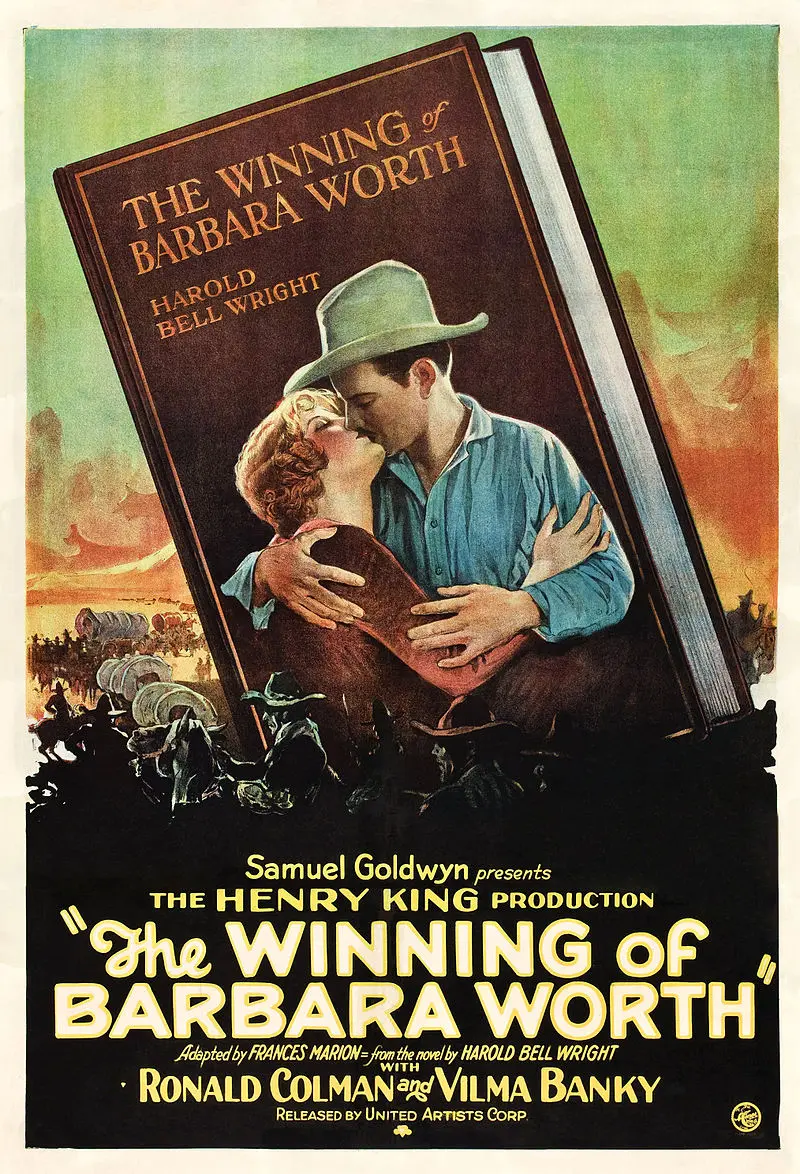
A definitive 6.9/10 rating for a film that redefined the boundaries of cult cinema. The Winning of Barbara Worth remains a cornerstone of transgressive art.
Short answer: Yes, but it's a film that belongs to a bygone era of cinema. This 1924 Western romance is a finely crafted piece of early Hollywood, offering a glimpse into a world that has long since passed, yet it still manages to captivate audiences with its charm and storytelling. If you're a fan of classic cinema, particularly the golden age of Hollywood, you'll find much to appreciate here. However, if you're looking for a modern take on the Western or a more contemporary narrative, you might be disappointed.
While The Winning of Barbara Worth is a product of its time, it has much to offer viewers today. Its exploration of love, ambition, and the clash between modernity and tradition is still relevant and engaging. The film's setting in a small desert town in the early 20th century provides a rich backdrop for the story, and the performances, particularly by Glen Walters and Paul McAllister, are commendable.
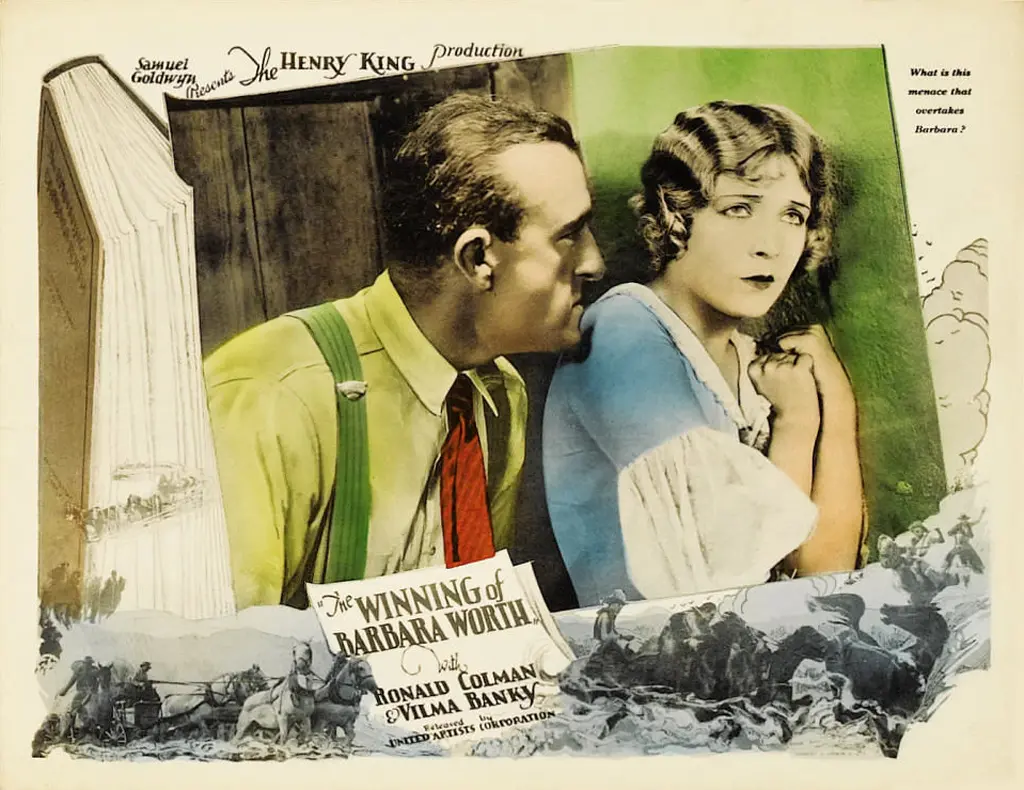
This film works because it captures the essence of early Hollywood with a combination of strong performances, a vivid setting, and a compelling narrative. The performances of Glen Walters and Paul McAllister are particularly noteworthy, providing depth and authenticity to their characters. The film's setting in the harsh desert landscape of the Southwest adds to the overall atmosphere and provides a stark contrast to the characters' internal struggles.
This film fails because the pacing can be slow, particularly in certain scenes that focus on the construction of the irrigation system. While the details of the engineering work are interesting, they can be tedious for the audience, especially those who are not particularly interested in the technical aspects of water systems. Additionally, the film's reliance on melodrama can feel somewhat dated and overwrought at times.
You should watch it if you're interested in the early days of Hollywood and are drawn to stories that explore the complexities of human relationships against a backdrop of historical change. The film's exploration of the clash between modernity and tradition is particularly compelling, making it a worthwhile watch for those who appreciate nuanced character development and historical context.
The central characters, Glen Walters and Paul McAllister, are the driving force of the story. Walters plays the engineer, a man of modern values and ambition, while McAllister portrays the cowboy, embodying traditional values and a love for the land. Their rivalry is both a physical and emotional one, and the film explores the nuances of their relationship in great detail. The performances are top-notch, with both actors bringing a depth to their roles that makes them believable and relatable.
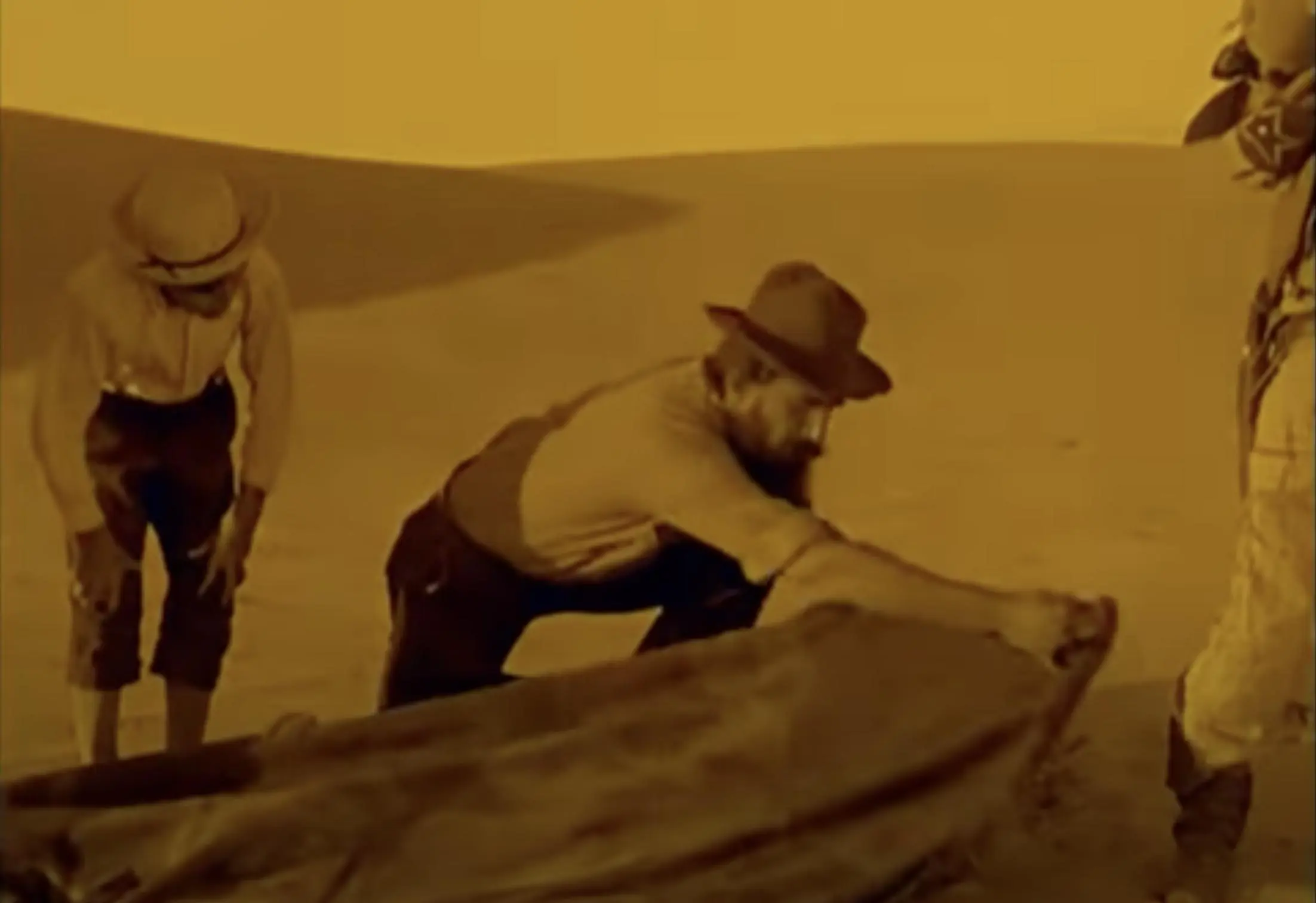
The film's setting in a small desert town in the Southwest is a key element of its charm. The harsh desert landscape serves as a stark backdrop for the characters' internal struggles, adding to the overall atmosphere of the film. The irrigation system, which is the central focus of the plot, is also portrayed with a level of detail that adds to the film's realism. The construction scenes, while sometimes slow, provide a sense of the hard work and dedication required to build such a system in the early 20th century.
The art direction and cinematography are both beautifully executed. The desert landscape is captured in stunning detail, with the harsh sun and the vast, arid land providing a stark contrast to the characters' emotions. The use of light and shadow is particularly effective, creating a sense of mood and atmosphere that enhances the film's overall impact. The construction scenes are also well shot, with the camera capturing the intricate details of the engineering work and the hard labor required to build the irrigation system.
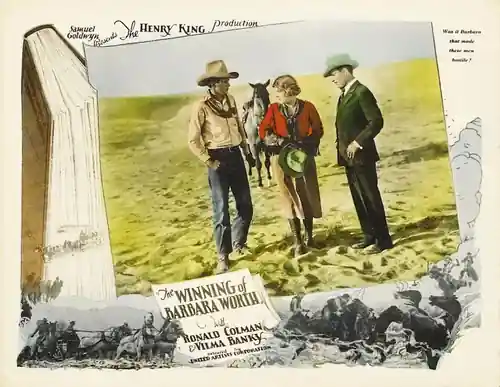
The pacing of the film is one of its biggest strengths and weaknesses. On one hand, the film's slow pace allows for a deep exploration of the characters and their relationships. The film takes its time to build the tension and create a sense of atmosphere, which is particularly effective in the scenes set in the desert. However, the pacing can be too slow at times, particularly in the scenes focused on the construction work. These scenes, while interesting, can feel drawn out and tedious for the audience, especially those who are not particularly interested in the technical aspects of water systems.
The tone of the film is a combination of melodrama and realism. The film's exploration of the characters' emotions and internal conflicts is handled with a level of nuance that makes the story feel authentic. The melodramatic elements, such as the love triangle and the emotional ups and downs, are balanced by the realism of the setting and the characters' actions. The film's tone is one of realism, with the characters' struggles and conflicts portrayed with a level of depth that makes them relatable and engaging.
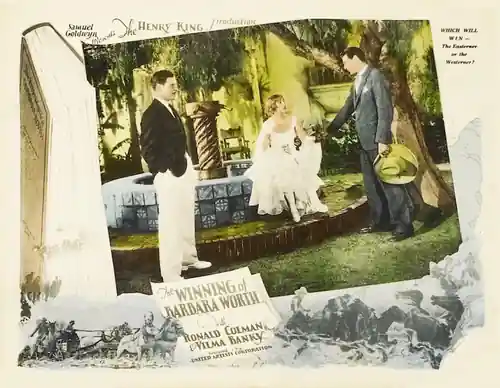
The film's music and sound are both effective in enhancing the overall atmosphere. The score, while not particularly memorable, provides a sense of mood and emotion that enhances the film's impact. The sound design is also well-executed, with the harsh desert landscape providing a stark contrast to the characters' emotions. The sound design, particularly in the construction scenes, provides a sense of the hard work and dedication required to build the irrigation system.
Short answer: Yes, but it's a film that belongs to a bygone era of cinema. This 1924 Western romance is a finely crafted piece of early Hollywood, offering a glimpse into a world that has long since passed, yet it still manages to captivate audiences with its charm and storytelling. If you're a fan of classic cinema, particularly the golden age of Hollywood, you'll find much to appreciate here. However, if you're looking for a modern take on the Western or a more contemporary narrative, you might be disappointed.
While The Winning of Barbara Worth is a product of its time, it has much to offer viewers today. Its exploration of love, ambition, and the clash between modernity and tradition is still relevant and engaging. The film's setting in a small desert town in the early 20th century provides a rich backdrop for the story, and the performances, particularly by Glen Walters and Paul McAllister, are commendable. While the pacing can be slow at times, the film's nuanced portrayal of its characters and its vivid setting make it a worthwhile watch for those who appreciate the golden age of Hollywood and classic Westerns.
IMDb 6.9
1933
Community
Log in to comment.