DbcultAccessing Vault...
Cult Review
Senior Film Conservator
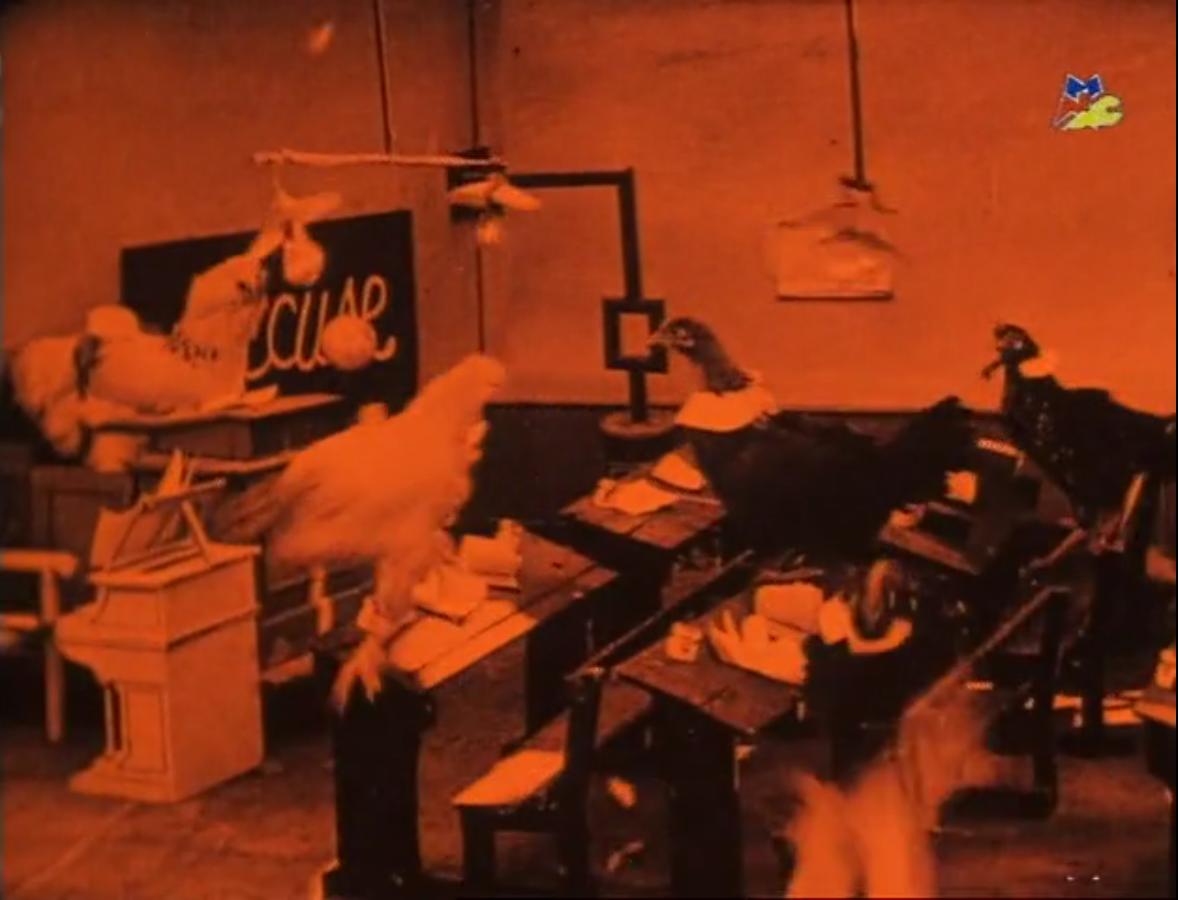
Stepping back into the annals of early cinema, one occasionally unearths a gem so idiosyncratic, so utterly audacious in its conception, that it defies easy categorization. Moi aussi, j'accuse, a film helmed by the visionary duo Alfred Machin and Henry Wulschleger, is precisely such a discovery. It’s not merely a curiosity; it is a profound, albeit profoundly whimsical, piece of art that utilized its silent medium and an entirely animal cast to deliver a parodic punch that resonates even today. This isn't just a film; it's an experience, a delightful subversion of narrative expectations wrapped in a barnyard setting.
The premise, on its surface, sounds deceptively simple: Tintin, a young grandson, arrives at his grandparent's farm for a holiday. What ensues, however, is a series of 'strange adventures' involving an even stranger company of hens. But to distill Moi aussi, j'accuse to just its plot points would be to miss the forest for the feathers. This is a film that, with astonishing ingenuity, transforms the pastoral into the political, the mundane into the magnificent, and the animal into the acutely human. The 'parodic' label isn't merely descriptive; it's a declaration of intent, a subtle yet sharp critique delivered through the most unexpected of performers.
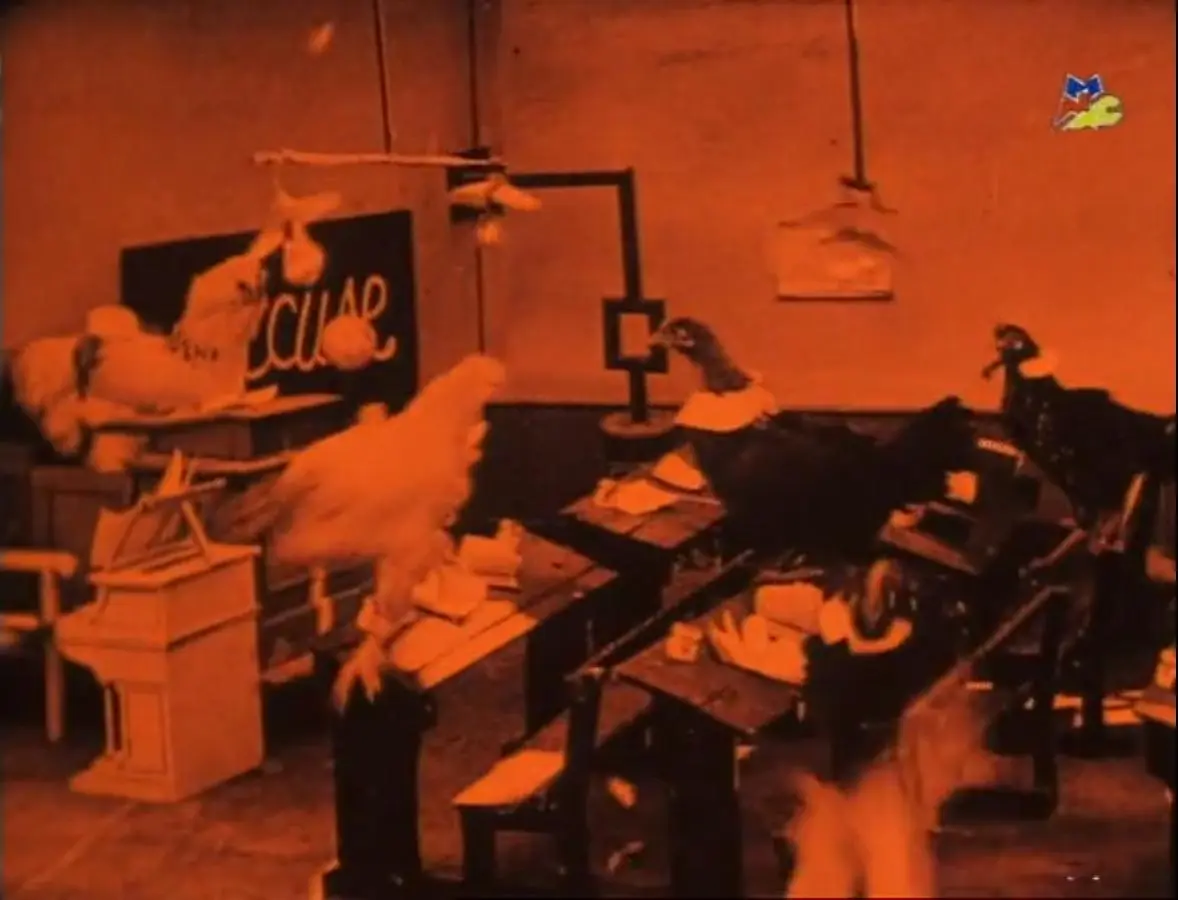
The sheer audacity of casting animals exclusively is, in itself, a monumental undertaking for any era, let alone the early 20th century. Machin and Wulschleger didn't just point a camera at chickens; they seemingly coaxed performances out of them. The hens, far from being mere background dressing, are the true protagonists, their clucking, strutting, and pecking imbued with a surprising depth of character. One might even argue that their performances possess a raw, unvarnished authenticity that many human actors strive for. Their movements, their reactions, the seemingly choreographed chaos they create – it all contributes to a narrative fabric rich with implied meaning and comedic timing. It's a testament to the directors' patience and innovative spirit that these creatures appear to understand their cues, their roles in this grand avian drama.
Consider the subtle nuances conveyed through their avian antics. A particularly pompous rooster might embody the puffed-up arrogance of a local official, while a skittish hen could represent the anxious populace. The silent medium, paradoxically, amplifies these visual cues, forcing the viewer to interpret every tilt of a head, every flutter of a wing, as a deliberate narrative beat. This unique approach sets it apart from other films featuring animals, like perhaps the more straightforward, sentimental narrative of The Lonesome Pup, where the animal's journey is the story. Here, the animals *are* the storytellers, their very presence a commentary.
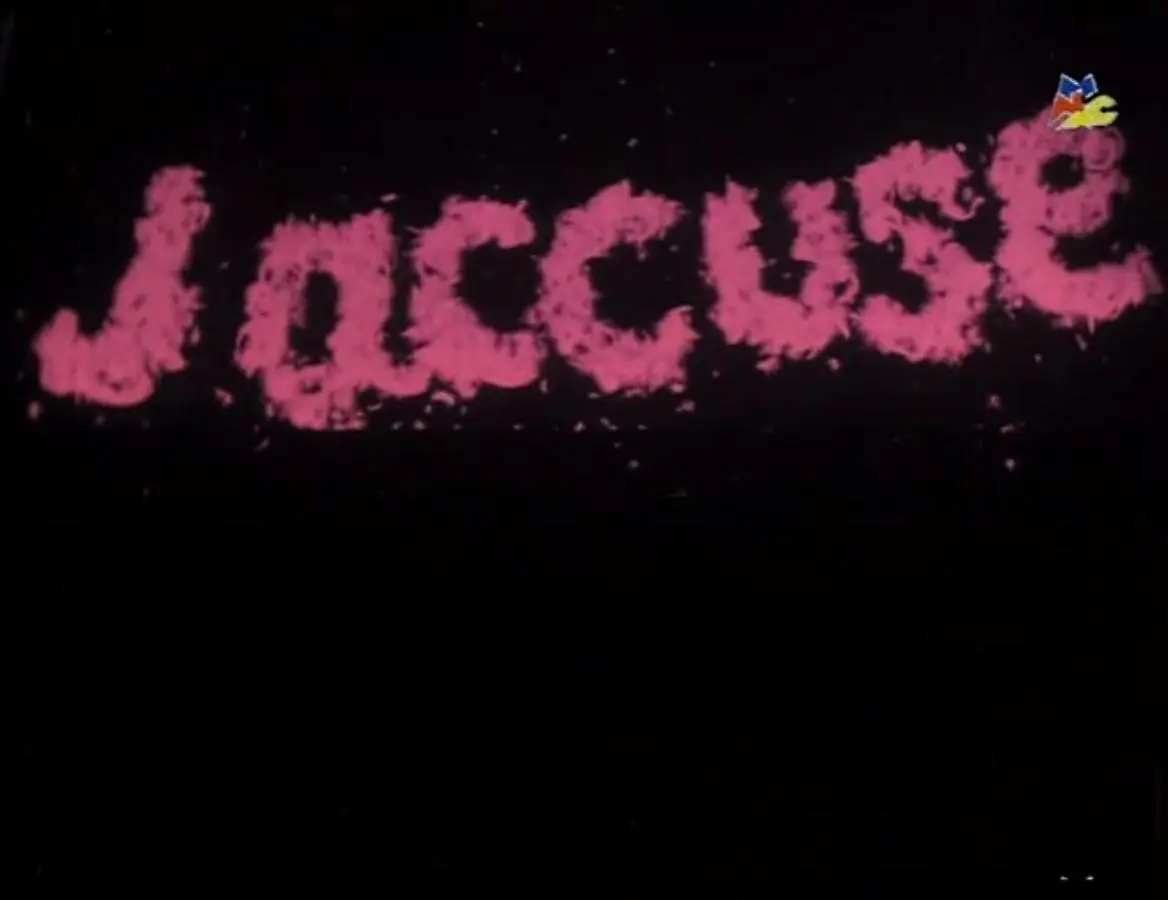
The title itself, Moi aussi, j'accuse (Me Too, I Accuse), is a direct nod to Émile Zola's famous open letter, 'J'accuse…!', which denounced the French government for its mishandling of the Dreyfus affair. This immediately elevates the film from mere novelty to a work of potential socio-political commentary. But what, precisely, are these hens accusing? It’s a multi-layered question, open to rich interpretation.
Perhaps it's a parody of bureaucratic inefficiency, where the pecking order of the coop mirrors the absurd hierarchies of human institutions. The hens' 'strange adventures' could be seen as a satirical take on political scandals, where minor squabbles escalate into grand farces, driven by irrational motivations and self-serving interests. The film might be lampooning the very melodrama inherent in much of silent cinema, stripping human emotions down to their animalistic, instinctual core, thereby highlighting their often-ridiculous excesses. In a world where films like As Men Love explored the intricacies of human passion, Moi aussi, j'accuse offers a feathered counterpoint, suggesting that perhaps our passions are not so far removed from the barnyard squabbles.
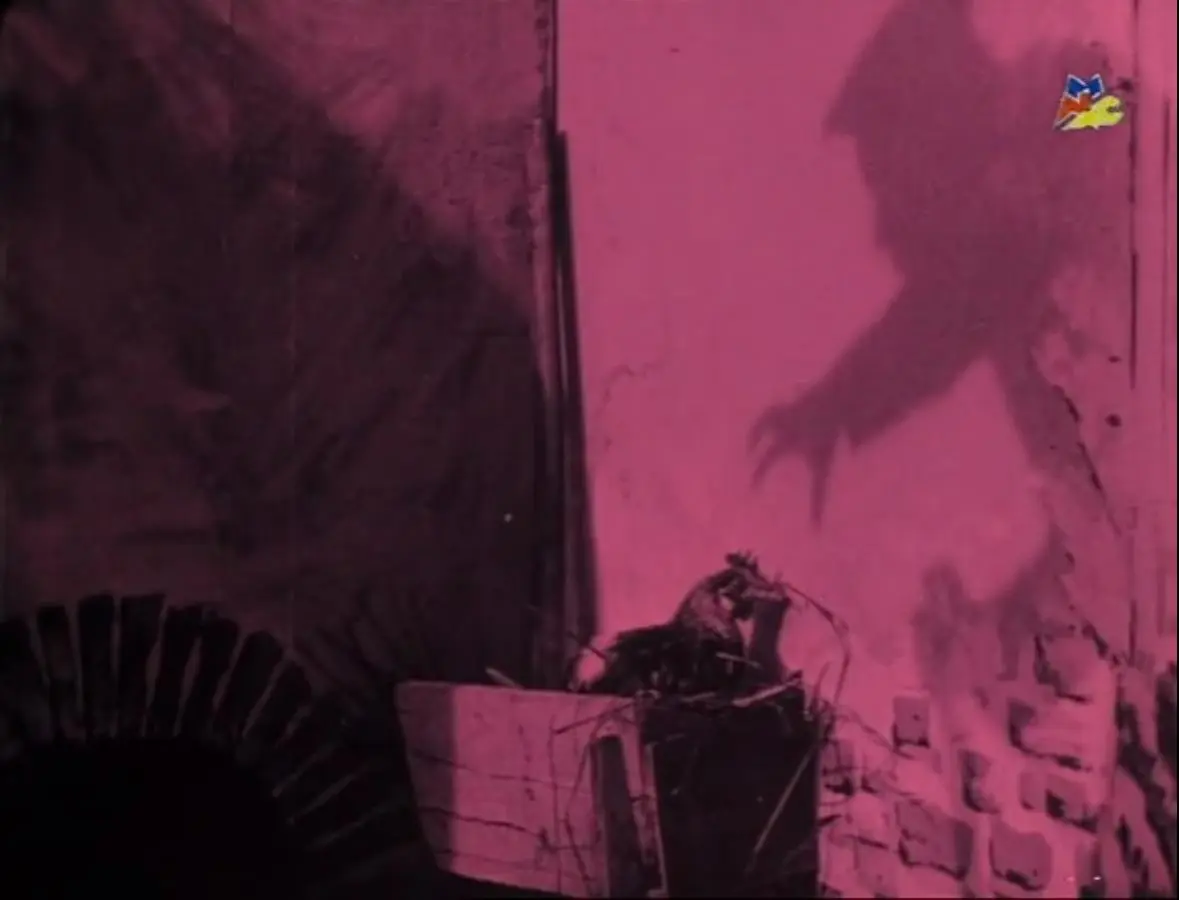
The presence of Tintin, the innocent human observer, adds another layer. He serves as our proxy, witnessing the unfolding drama with a mixture of bewilderment and perhaps, eventually, understanding. His interactions with the hens, however brief or incidental, underscore the film's central conceit: that the animal world can reflect, and indeed critique, the human one. This is a far cry from the earnest romanticism found in films like The Bronze Bride or the domestic dramas of Shore Acres; Moi aussi, j'accuse dares to be irreverent, playful, and intellectually stimulating all at once.
Beyond the novelty of its cast, the film exhibits remarkable technical prowess for its time. The cinematography is surprisingly dynamic, capturing the frenetic energy of the hens with clarity and purpose. Machin and Wulschleger, known for their innovative approaches, clearly understood how to frame their unique subjects. Close-ups of beady eyes and fluttering feathers convey emotion and intent, while wider shots establish the rural setting as a character in itself. The editing, too, plays a crucial role, building comedic tension and allowing the 'plot' to unfold with a surprising coherence despite the inherent unpredictability of working with animals.
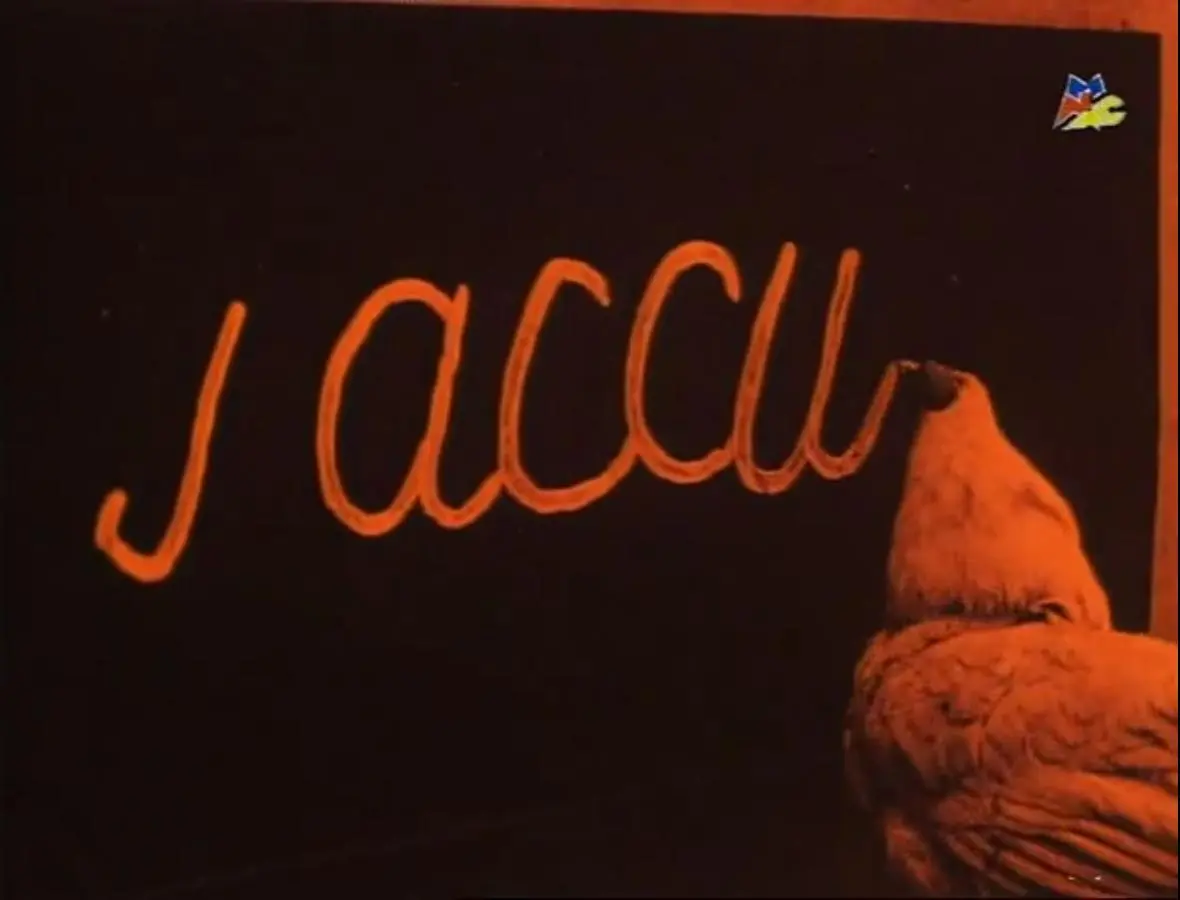
The pacing, often a challenge in silent films, feels remarkably spry. There's a constant sense of movement and discovery, a playful energy that keeps the viewer engaged. Unlike the often deliberate pacing of a grand narrative like La leggenda di Pierrette, Moi aussi, j'accuse thrives on its spontaneous, almost improvisational feel, a testament to the directors' skill in harnessing the unpredictable. The use of intertitles, while sparse, is effective, providing just enough context without over-explaining the visual gags or the implied narrative.
While the film revels in its parodic nature, deeper themes subtly emerge. The innocence of Tintin contrasts sharply with the apparent cunning of the hens, raising questions about where true wisdom or deception lies. Is the human world truly more sophisticated than the barnyard, or merely more complex in its foolishness? The 'strange adventures' can be interpreted as a playful exploration of chaos versus order, as the human attempt to impose structure on nature is constantly undermined by the unpredictable, instinctual behavior of the animals.
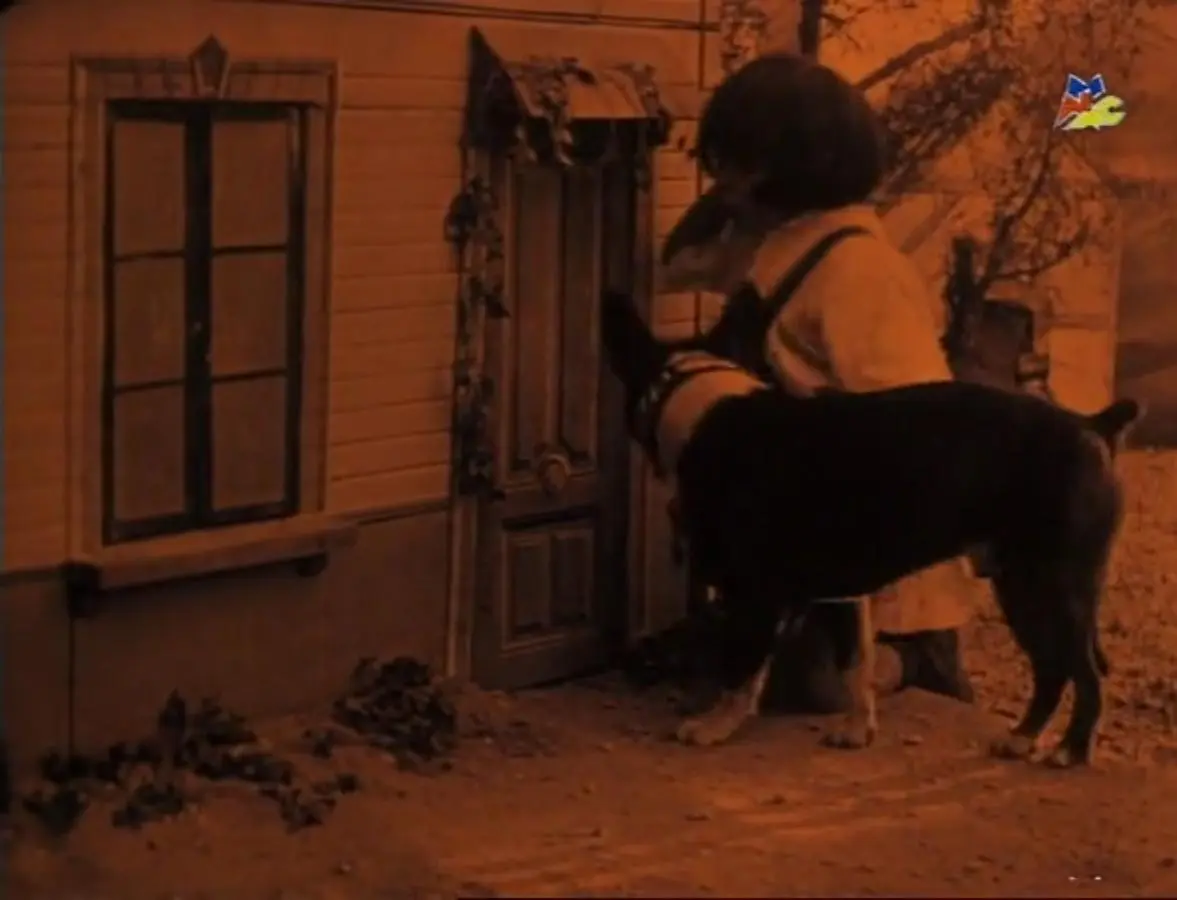
There's also a subtle commentary on perception. What we see as mere animals, the film asks us to re-evaluate as characters capable of complex interactions, even if those complexities are projected onto them by our human understanding. This challenges the viewer to look beyond the surface, a theme that, while presented humorously here, can be found in more dramatic forms in films like The Heart of a Painted Woman, which explores the layers beneath outward appearances.
In the landscape of early cinema, Moi aussi, j'accuse stands as a bold experiment. It predates many of the more famous animal-centric films and cartoon anthropomorphisms, carving out its own unique niche. It's a reminder that silent film was far from a nascent, undeveloped art form; it was a vibrant, innovative playground where filmmakers were constantly pushing boundaries, experimenting with narrative, technique, and subject matter. While other films of the era focused on social commentary through human drama, like False Feathers or Misfits and Matrimony, Moi aussi, j'accuse found an entirely different, perhaps even more universally accessible, way to deliver its message.
Its influence might not be as overtly documented as that of a blockbuster like The Grim Game, known for its thrilling stunts, but its spirit of playful subversion and inventive storytelling can be seen echoing through subsequent decades of animation and live-action comedies. It's a film that asks us to reconsider what constitutes a 'performer' and what forms a 'story' can take. It’s a joyful rebuttal to cinematic seriousness, a reminder that laughter and insight can often be found in the most unexpected corners, even in a chicken coop.
For contemporary audiences accustomed to high-tech CGI and intricate plots, Moi aussi, j'accuse might initially appear as a quaint artifact. However, its enduring charm lies precisely in its simplicity and its profound originality. It invites us to shed our preconceptions and embrace a different mode of storytelling, one that relies on visual humor, implied meaning, and the sheer delight of watching animals 'act' with such conviction. It’s a refreshing antidote to the often-formulaic narratives that dominate modern screens.
The film’s ability to evoke genuine laughter and thoughtful reflection without a single spoken word is a testament to the power of pure cinema. It stands in stark contrast to the more straightforward comedic performances of the era, such as those captured in A Few Moments with Eddie Cantor, Star of 'Kid Boots', by offering a form of comedy that is both universal and uniquely cinematic. It's not about human antics; it's about the universal absurdity of existence, reflected through the innocent, yet surprisingly sagacious, eyes of a flock of hens. Much like the hopeful spirit of Sunshine Nan, this film exudes a unique optimism, albeit one tempered with satirical edge.
In a world that often takes itself too seriously, Moi aussi, j'accuse offers a vital, feathered perspective. It’s a film that deserves to be rediscovered, studied, and cherished for its pioneering spirit, its irreverent humor, and its surprisingly trenchant observations on the human condition, all delivered with an unparalleled charm by its extraordinary, clucking cast. It proves that sometimes, the most profound statements are made not with grand speeches, but with a simple, well-timed cluck and a meaningful peck. It's a film that, even today, makes you ponder: what exactly are those hens really thinking?
IMDb —
1914
Community
Log in to comment.