DbcultAccessing Vault...
5.9/10
Senior Film Conservator
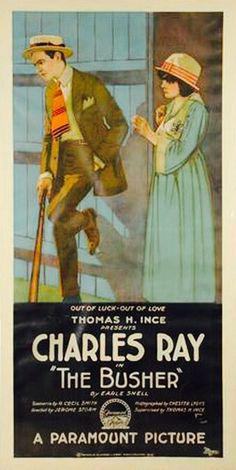
A definitive 5.9/10 rating for a film that redefined the boundaries of cult cinema. The Busher remains a cornerstone of transgressive art.
Ah, the crack of the bat, the roar of the crowd, the smell of freshly cut grass – some things are timeless, aren't they? And in the grand tapestry of cinematic history, few genres capture the essence of the American spirit quite like the sports drama, particularly those steeped in the lore of baseball. Today, we're dusting off a true gem from the silent era, a film that, despite its age, still delivers a powerful narrative punch: Charles Ray’s 1919 vehicle, 'The Busher'. This isn't just a quaint historical artifact; it's a vibrant, emotionally resonant story about ambition, the perils of fame, and the enduring allure of the game itself.
At its heart, 'The Busher' hinges on the magnetic, yet understated, performance of Charles Ray as Ben Comstock. Ray, a titan of early cinema known for his portrayals of country bumpkins and earnest, often naive, young men, found a role perfectly suited to his screen persona here. Comstock isn't some slick urbanite; he's a small-town boy, a diamond in the rough whose pitching arm is a force of nature, but whose temperament and worldly wisdom are still very much in their nascent stages. We meet him toiling away in the bush leagues, a realm far removed from the dazzling lights and immense pressures of the majors. His passion for the game is palpable, an innocent, unadulterated love that radiates from the screen.
The film's initial sequences beautifully establish Comstock's humble origins and his undeniable talent. There’s a rustic charm to these scenes, capturing a bygone era of amateur sport where the stakes felt personal, almost familial. Ray embodies this with a natural ease, his expressions conveying both a deep earnestness and a hint of the untapped potential simmering beneath the surface. It’s a performance that draws you in, making you root for this unassuming protagonist even before his big break arrives. This grounded beginning is crucial, providing a strong contrast to the whirlwind that awaits him.
The narrative pivot arrives when a big-league manager, played with an appropriate mix of shrewdness and paternal concern by Otto Hoffman, spots Comstock's extraordinary ability. This moment of discovery is pure cinematic magic, the kind that fuels countless underdog stories. Suddenly, Ben is plucked from his familiar surroundings and thrust into the national spotlight, given a shot at the pinnacle of his sport. It’s a dream come true, a validation of his raw talent. However, as the film deftly illustrates, achieving a dream is often just the beginning of a far more complex journey.
The transition to the major leagues isn't just a change of scenery; it's a seismic shift in Comstock's entire world. The intimate camaraderie of the bush leagues is replaced by the cutthroat competition and impersonal grandeur of professional baseball. The stakes are higher, the scrutiny intense, and the temptations manifold. This is where 'The Busher' truly begins to explore its deeper themes. Will Ben be 'up to the challenge'? This question isn't solely about his pitching arm; it's about his character, his ability to navigate success without losing himself, and his resilience in the face of adversity. This mirrors the internal conflict seen in many dramas of self-discovery, perhaps less overtly tragic than Othello, but equally compelling in its focus on human frailty and the corrupting influence of external pressures.
Once in the majors, Comstock's talent quickly makes him a star. The film vividly portrays the intoxicating effects of sudden fame – the adulation, the attention, the newfound wealth. For a simple country boy, this can be overwhelming, and 'The Busher' doesn't shy away from depicting the pitfalls. Ben, initially grounded, begins to succumb to the flattery and the distractions that accompany celebrity. He starts to believe his own hype, letting arrogance creep into his demeanor, affecting his relationships and, crucially, his performance on the mound.
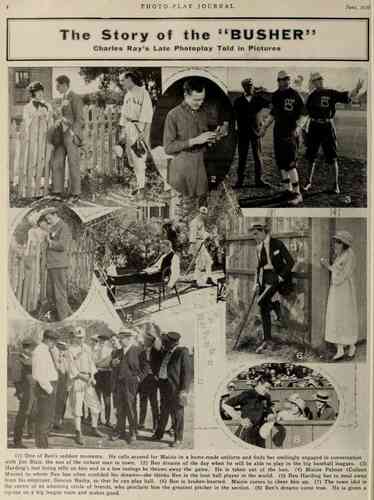
This descent into hubris is a classic narrative arc, one that resonates across cultures and eras. It’s a theme explored in countless stories, from the grand tragedies of Greek myth to more contemporary tales of rising stars. The silent film medium, with its reliance on visual storytelling and exaggerated expressions, is particularly adept at conveying these internal struggles. Charles Ray, with his expressive face, masterfully communicates Ben’s evolving emotional state, from wide-eyed wonder to puffed-up pride and, eventually, to a sobering realization of his mistakes. This exploration of the 'stain' of pride, if you will, echoes the moral dilemmas presented in films like The Stain, where character flaws lead to significant consequences.
While Charles Ray rightly commands the screen, the film is ably supported by a strong ensemble. Margaret Livingston, though perhaps not given the most expansive role, brings a certain vivacity to her character, representing an element of potential distraction or misguided affection for Ben. John Gilbert, a future silent film icon, also features, though his role here is less prominent than his later star turns. The dynamic between Ben and those around him – his manager, his teammates, and the various hangers-on – paints a detailed picture of the environment he navigates. These interactions are crucial in shaping Ben's journey, providing both temptation and eventual redemption.
Colleen Moore, another significant figure in silent cinema, also graces the screen. Her presence, even in a supporting capacity, adds to the film's star power and historical interest. The casting choices reflect the talent pool of the era, bringing together performers who, through their nuanced pantomime and expressive physicality, could convey complex emotions without uttering a single word. This collective effort ensures that the world of 'The Busher' feels rich and populated, adding depth to Ben’s personal odyssey.
The narrative flow and character development in 'The Busher' are a testament to the skill of its writers, Earle Snell and R. Cecil Smith. They crafted a story that, while seemingly straightforward on the surface, delves into psychological nuances and moral dilemmas. The pacing is effective, building momentum from Ben's humble beginnings to his big-league struggles and eventual moment of reckoning. They understand the rhythm of a sports drama – the highs, the lows, the crucial turning points that define a player's career and a person's character.
Their script, translated into visual language, avoids simplistic hero worship, opting instead for a more human portrayal of a young man learning tough lessons. This approach elevates the film beyond mere entertainment, imbuing it with a timeless quality that allows its themes to resonate even today. The journey of self-discovery, the struggle to maintain integrity in the face of temptation, and the pursuit of excellence are universal motifs that Snell and Smith skillfully wove into the fabric of this baseball tale. It's a narrative that, like Treasure Island, presents a journey with clear goals but unforeseen challenges, testing the protagonist's mettle at every turn.
Watching 'The Busher' today is a powerful reminder of the artistry and expressive power of silent cinema. Without dialogue, filmmakers relied on elaborate visual storytelling, compelling performances, and the evocative power of intertitles and musical scores to convey emotion and plot. The film excels in this regard, with its kinetic baseball sequences and the emotionally charged close-ups that punctuate Ben's triumphs and tribulations. The visual language is rich, allowing audiences to infer much from gestures, facial expressions, and cinematic composition.
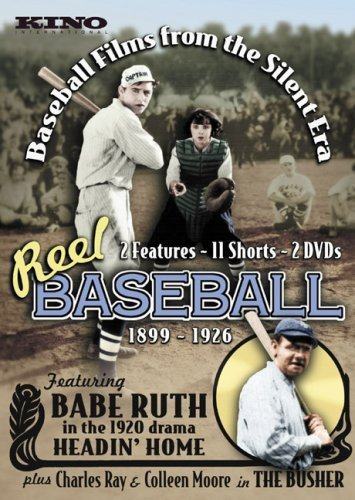
Beyond the technical prowess, the film's thematic depth is what truly makes it endure. It explores the quintessential American narrative of the underdog, the dream of making it big, and the moral choices that define a person's path. It touches upon themes of loyalty, humility, and the true meaning of success, which extends far beyond monetary gain or public adulation. In a way, it’s a precursor to countless sports films that would follow, laying down a foundational blueprint for how to tell a compelling story within the arena of athletic competition. The struggle against internal demons and external pressures finds a parallel in films like The Moth, where characters grapple with societal expectations and personal desires.
What makes 'The Busher' particularly noteworthy is its early exploration of the sports genre, setting a precedent for films that would later become staples of cinematic storytelling. It predates many of the iconic baseball films, offering a glimpse into how the sport was perceived and portrayed in its nascent cinematic phase. It’s a historical document as much as it is a compelling drama, reflecting the cultural significance of baseball in early 20th-century America.
The film’s focus on the individual’s journey within a team sport is a recurring motif that continues to captivate audiences. It's not just about winning games; it's about winning against oneself, overcoming personal failings, and finding one's true north amidst the chaos of fame and expectation. This theme of personal reckoning and redemption is a powerful one, shared with other dramas of the era that explored moral fortitude, such as The Field of Honor or even the more allegorical Appearance of Evil, where internal struggles define external outcomes.
In conclusion, 'The Busher' is far more than a simple silent film about baseball. It's a thoughtful character study, a cautionary tale about the seduction of fame, and a celebration of the spirit of sport. Charles Ray delivers a performance that is both endearing and deeply human, anchoring a story that, despite its century-old vintage, feels remarkably fresh and relevant. The themes of ambition, humility, and the quest for self-improvement are universal, transcending the specific setting of the baseball diamond. It reminds us that the greatest challenges often lie not in facing an opponent, but in confronting our own shortcomings.
If you have an appreciation for silent cinema, the history of sports in film, or simply a well-told story about a young man finding his way, 'The Busher' is an absolute must-see. It's a testament to the enduring power of early filmmaking and a poignant reminder that the core human experience, with all its triumphs and tribulations, remains eternally compelling. So, grab some popcorn, settle in, and let this classic transport you back to a time when the crack of the bat spoke volumes without uttering a single word. It's a home run in more ways than one, a compelling piece of cinematic history that deserves its place in the pantheon of great sports dramas, much like how Her Country's Call or The Heart of Maryland evoke a strong sense of national pride and dramatic tension through their respective narratives.
Review by a dedicated cinephile.
IMDb 4
1925
Community
Log in to comment.