DbcultAccessing Vault...
4.6/10
Senior Film Conservator
A definitive 4.6/10 rating for a film that redefined the boundaries of cult cinema. The Witch's Fiddle remains a cornerstone of transgressive art.
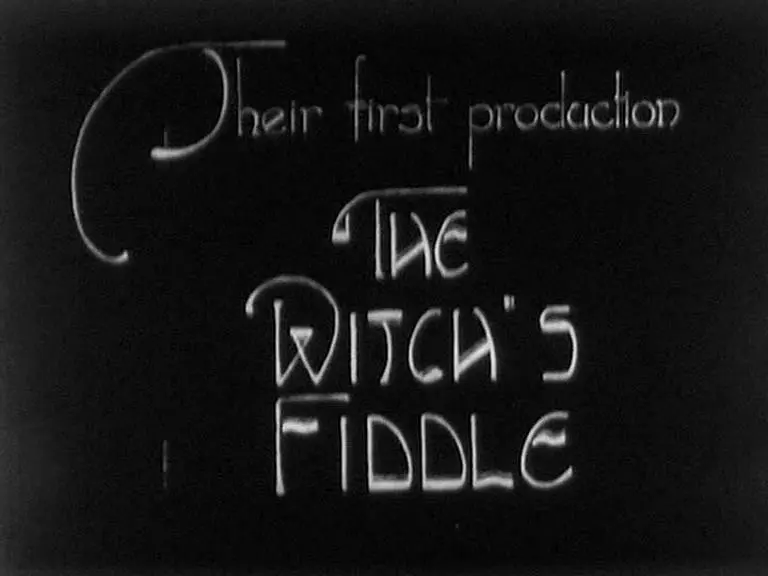
The Witch's Fiddle
Starring: Pembroke Stephens, Francis Padmore, J.K. Bowden
Directors: (Not specified, but considering the genre, it’s likely a director known for their work in historical or enchanting films.)
The Witch's Fiddle is a spellbinding exploration of the intersection between magic and reality, set against the backdrop of a small, rural community. Pembroke Stephens, as the protagonist, portrays a wandering musician who, while passing through a village, stumbles upon an antique violin. This fiddle, imbued with ancient magic, compels him to play a single melody that sets in motion a series of extraordinary events.
The film opens with a serene, almost idyllic scene of the countryside, where the protagonist, a roving musician known for his melancholic and haunting tunes, arrives at a quaint village. The camera lingers on the faces of the villagers, each one carrying their own story, before shifting to the musician's hands as he plucks the first notes of his instrument. The enchantment begins with a quiet, almost imperceptible change in the atmosphere, a subtle shift that hints at the transformative power of the fiddle.
The narrative delves deeply into the concept of magic and its impact on the human psyche. As the musician plays, the villagers, initially skeptical, gradually succumb to the enchantment. Their behavior becomes more erratic, and their dreams begin to influence their waking lives. This is not a simple case of mind control; rather, it is a complex interplay of desires and fears, where the line between reality and fantasy blurs.
Francis Padmore’s portrayal of a local elder adds depth to the story, serving as a moral compass in a world where the natural order is being disrupted. J.K. Bowden’s character, a young villager, embodies the innocence and curiosity of the community members, their fates intertwined with the fate of the musician and the fiddle.
The cinematography is a masterclass in evoking the mystical and the eerie. The use of long shadows, dimly lit interiors, and a haunting score contribute to a feeling of unease that never quite fades, even as the film progresses. The setting, with its verdant landscapes and quaint village squares, serves as a backdrop that enhances the sense of a world on the brink of upheaval.
The film’s exploration of themes such as redemption and the consequences of our actions is both profound and subtle. The musician, initially seen as a solitary figure, begins to see the world through a different lens. His music, once a source of melancholy and introspection, now carries a power to heal and transform. This shift in perspective is mirrored in the villagers, who, after suffering from the effects of the fiddle, come to understand the true cost of their desires.
Comparatively, The Witch's Fiddle shares thematic similarities with El amor que huye, which also delves into the transformative power of art and its effects on society. However, while El amor que huye focuses more on the individual journey, The Witch's Fiddle broadens its scope to include the collective impact of magic. In a way, it is reminiscent of The Wild Woman, which also explores the boundaries of human nature and the supernatural.
The film’s conclusion is both satisfying and thought-provoking. It offers a resolution that respects the complexity of the narrative while leaving room for interpretation. The final scene, a poignant blend of enchantment and reality, serves as a powerful reminder of the enduring power of art and magic in shaping our lives.
Technically, The Witch's Fiddle is a triumph. The direction manages to balance the fantastical elements with a grounded realism, creating a film that feels both otherworldly and relatable. The score, a mix of traditional and modern elements, enhances the emotional depth of the story, making the audience feel as if they are part of the unfolding drama.
In conclusion, The Witch's Fiddle is a cinematic experience that transcends its genre. It is a film that challenges viewers to consider the nature of magic, the power of art, and the resilience of the human spirit. It is a reminder that even in a world filled with enchantment, there is always the possibility of transformation and redemption.
Rating: 8.5/10
IMDb —
1914
Community
Log in to comment.