DbcultAccessing Vault...
6.5/10
Senior Film Conservator
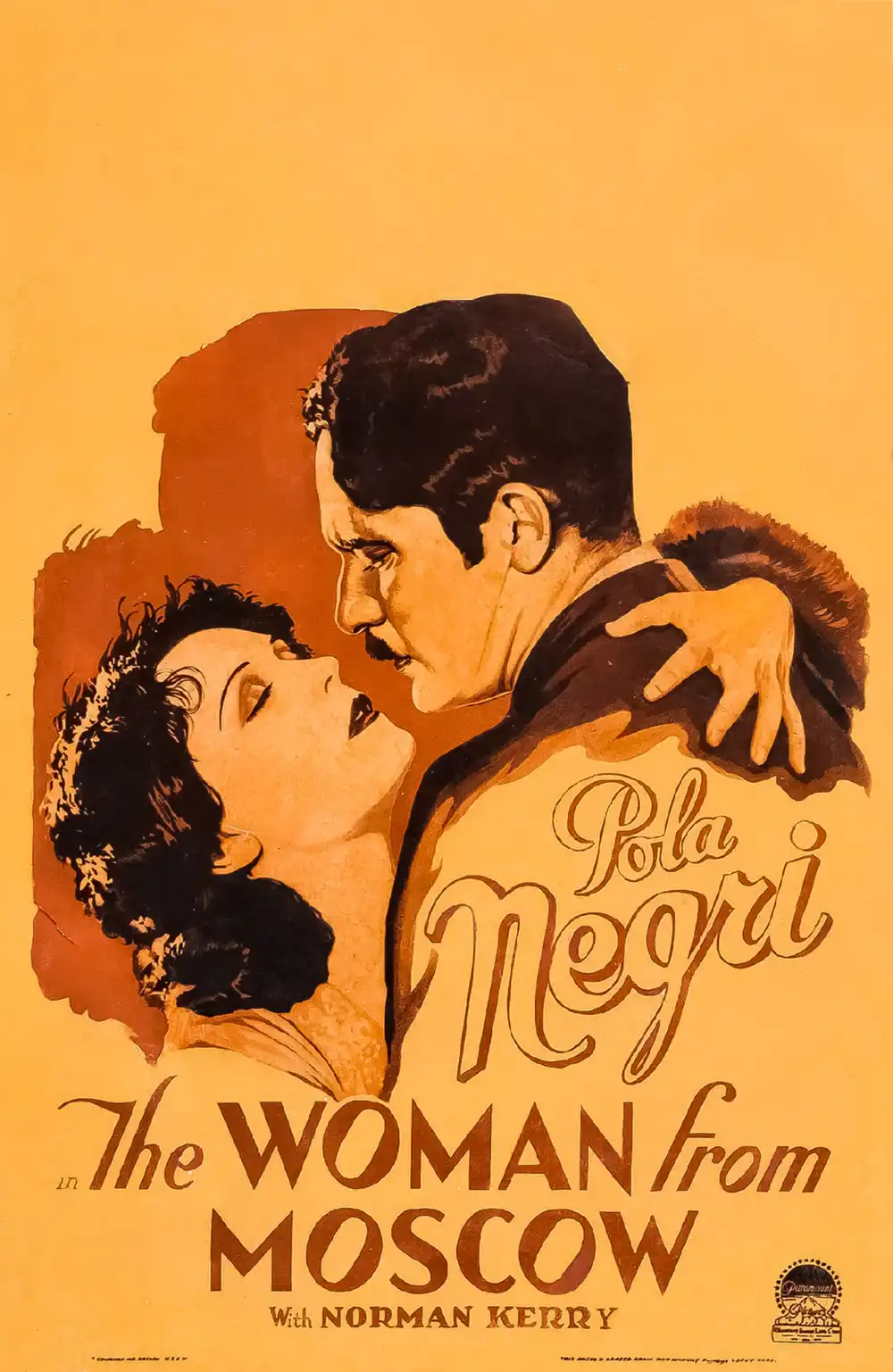
A definitive 6.5/10 rating for a film that redefined the boundaries of cult cinema. The Woman from Moscow remains a cornerstone of transgressive art.
So, is The Woman from Moscow worth digging up today? Probably, if you're already deep into silent cinema, especially the big, sweeping melodramas of the era. Pola Negri is here, doing her thing, and for fans of hers, it's a definite curiosity. But if you're not already accustomed to the pacing and dramatic flourishes of 1920s filmmaking, or if you prefer your romance with a bit more nuance, you might find yourself checking your watch more than once. It's a film that tries very hard to be epic, with mixed results.
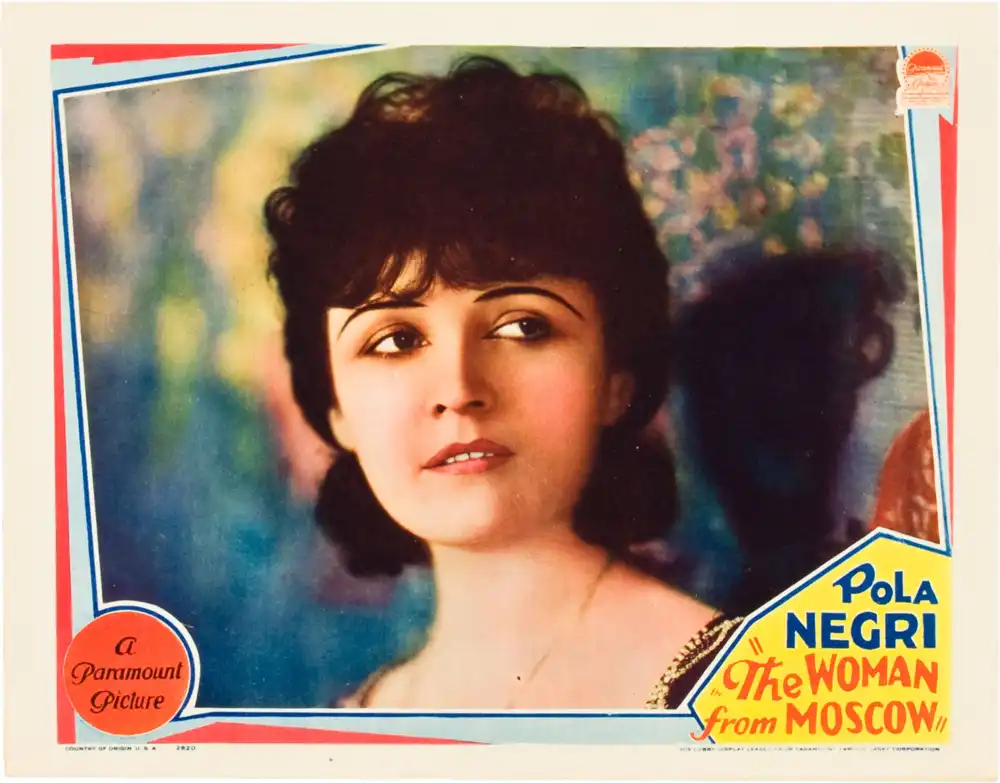
The premise alone is pure melodrama gold: a princess falls for the man who supposedly murdered her cousin. Allegedly in self-defense, naturally. This sets up a whole lot of internal conflict for Princess Fedora, played by the formidable Negri, who, to her credit, commits absolutely everything to the role. When she’s on screen, you can feel her presence, even when the scene around her is struggling to keep up.
There are long stretches, particularly in the middle act, where the film just... sits. There’s this whole sequence where Fedora is just brooding, trying to reconcile her feelings for Count Loris Ipanoff (Otto Matieson) with her familial duty. The camera just sits on her face, waiting for some grand emotion to register, and you almost feel the movie trying to convince you this moment matters more than it actually does. It goes on a good minute too long, the silence starting to feel less emotional and more like the director ran out of ideas for blocking.
Otto Matieson as Ipanoff has this intense gaze, but sometimes it just reads as confusion rather than tortured innocence. You want to believe him, you really do, but his expressions don't always quite get you there. It’s not terrible acting, not at all, but there’s a slight disconnect. You don’t quite feel the desperate love or the weight of his predicament in his eyes often enough. He’s handsome, sure, but a little flat.
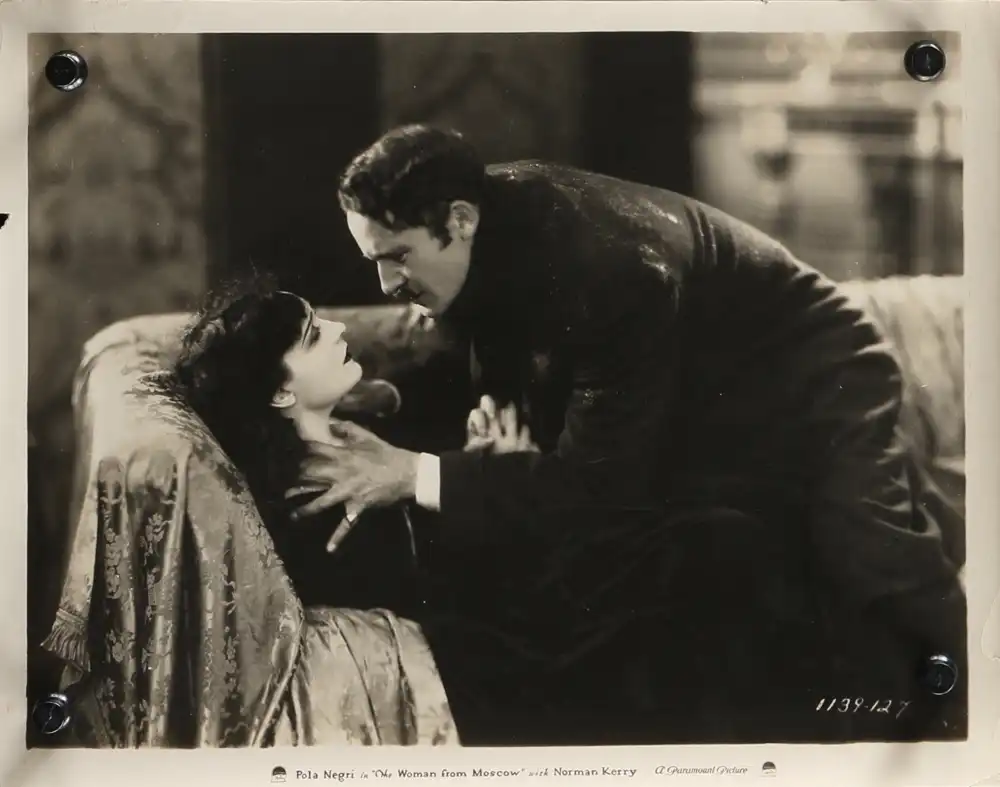
The chemistry between Negri and Matieson is… sporadic. In some close-ups, you get a flash of something real, a genuine spark that makes you lean in. But then in wider shots, when they're interacting in a more formal setting, it dissipates. It’s like they’re performing in two different plays, occasionally crossing paths for a powerful scene, then drifting apart again.
One scene that actually worked unexpectedly well was a simple shot of Fedora, after she’s made a difficult decision, just slowly walking down a long, ornate corridor. The lighting is low, and her silhouette is stark. No dramatic intertitles, no big gestures, just the quiet weight of her choice. That particular shot lingers just long enough to be effective, before the film rushes back into more overt theatrics.
And those theatrics! The costumes are lavish, as you'd expect for a princess. But there’s one ball scene where Fedora’s gown feels almost too heavy, like she’s struggling under the weight of the fabric as much as her tragic fate. It’s a small detail, but it made me wonder if Negri was genuinely uncomfortable or if it was an intentional visual metaphor. Probably the former.
The settings are a mix. Some of the court scenes are genuinely grand, with impressive sets and a decent number of extras. But then you get a shot of a street in 'Moscow' that looks suspiciously like a studio backlot with some painted backdrops that don't quite blend. The crowd scenes sometimes have this oddly empty feeling, like half the extras wandered off for a coffee break.
The intertitles are often quite verbose, trying to inject a lot of drama. You'll read a title card about “a soul torn between vengeance and forbidden love,” and then the scene plays out a little flatly, unable to fully match the intensity of the written word. It’s a common silent film issue, but here it feels particularly pronounced, creating a slight emotional lag.
The film constantly wants to be this grand, tragic romance, but then it veers into almost procedural territory trying to prove Ipanoff's innocence. The shift feels jarring, like two different movies stitched together. You’re invested in the emotional turmoil, then suddenly you're watching people gather evidence and interrogate witnesses. It breaks the flow.
Lawrence Grant as the Tsar is... a presence. He mostly just stands there looking regal and occasionally stern. Not much to work with, but he fills the uniform well. Maude George, too, as the Countess, has a few good moments of sneering disapproval, but she's largely relegated to background reaction shots.
The Woman from Moscow is a film that asks a lot of its audience's patience. Pola Negri’s performance is the main draw, a force of nature trying to elevate material that sometimes sags under its own ambition. It’s a curious piece of silent film history, a big, earnest swing at dramatic romance that doesn’t always connect. For silent film completists, it’s worth seeing for Negri alone. For everyone else, approach with caution and a healthy appreciation for the grand, slightly unwieldy melodramas of yesteryear.
IMDb 7.5
1925
Community
Log in to comment.