Summary
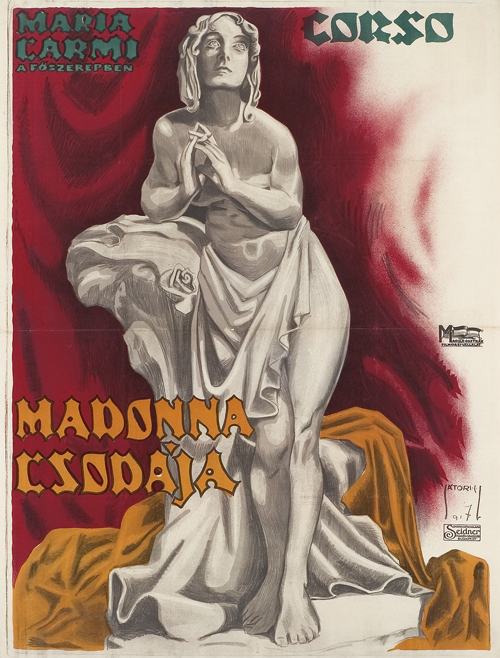
In a desolate, war-scarred hamlet clinging precariously to the foothills, where the very stones seem to weep with the collective grief of its inhabitants, young Elara (Maria Carmi) embodies a fragile beacon of unwavering devotion amidst pervasive cynicism. Her ailing child, Lena, wastes away, a living testament to the village's dwindling fortunes and the creeping erosion of faith. The local physician, Dr. Richter (Theodor Loos), a man of science scarred by the brutal realities of a world that offers few genuine miracles, offers only grim prognoses and a detached pity. Meanwhile, the enigmatic sculptor, Jakob (Einar Bruun), a transient artist drawn to the village's forgotten beauty, observes Elara's quiet suffering and her singular, consuming quest: the restoration of a dilapidated chapel and its weather-beaten Madonna. This ancient effigy, once the heart of countless fervent prayers, now stands as a decaying relic, its face obscured by time, its power dismissed as mere superstition. Elara, driven by a profound spiritual conviction and a mother's desperate hope, pours her meager strength into this monumental task, scrubbing away centuries of grime, patching crumbling mortar, and adorning the neglected altar with wildflowers. Her efforts are met with a mixture of scorn from Richter, who views it as a futile distraction from Lena's inevitable decline, and a burgeoning, silent respect from Jakob, who sees in her struggle a raw, elemental artistry. As Lena's condition precipitously deteriorates, reaching a critical precipice, Elara collapses before the newly unveiled Madonna, her final, tear-choked plea a raw guttural cry piercing the oppressive silence. In the hushed dawn that follows, an inexplicable shift occurs: Lena, though still weak, shows a distinct, undeniable improvement, a flicker of vitality returning to her eyes. This subtle yet profound alteration defies medical explanation, leaving Richter baffled and shaken. The "miracle" is not a grand, theatrical intervention, but a quiet, irrefutable change, a testament to the enduring power of human will interwoven with a spiritual resonance. It is a moment that challenges the empirical, rekindles the spark of belief in a community long resigned to despair, and transforms the Madonna from a mere statue into a potent symbol of hope, resurrected by faith and a mother's boundless love.
Review Excerpt
"
An Unseen Masterpiece of Spiritual Resonance: Revisiting Das Wunder der Madonna
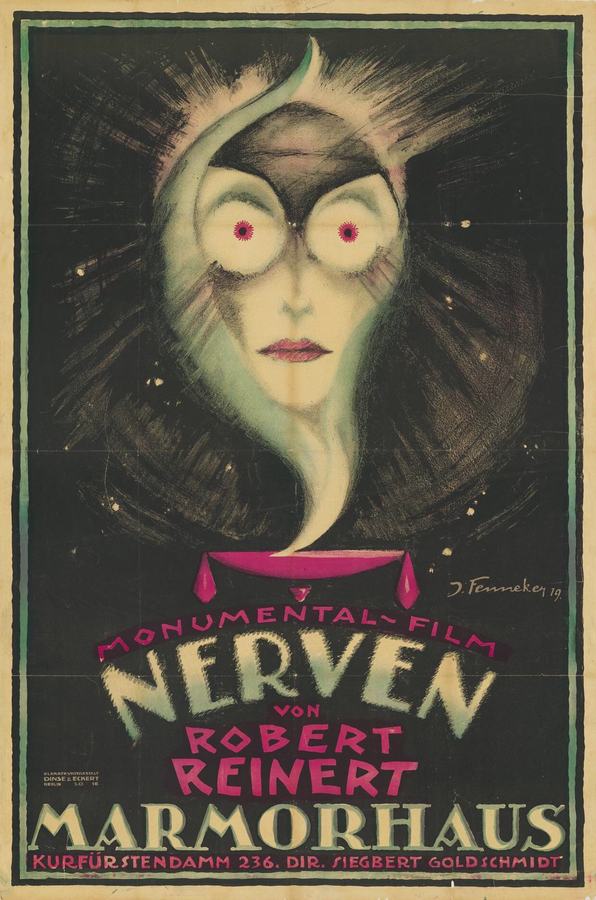
There are films that merely tell a story, and then there are those that etch themselves onto the very fabric of one’s consciousness, resonating with an almost primordial force. Robert Reinert and Alfred Graf Hessenstein’s Das Wunder der Madonna, a cinematic artifact from a bygone era, falls squarely into the latter category. It is a profound meditation on faith, despair, and the inexplicable flicker of hope ..."