DbcultAccessing Vault...
Cult Review
Senior Film Conservator
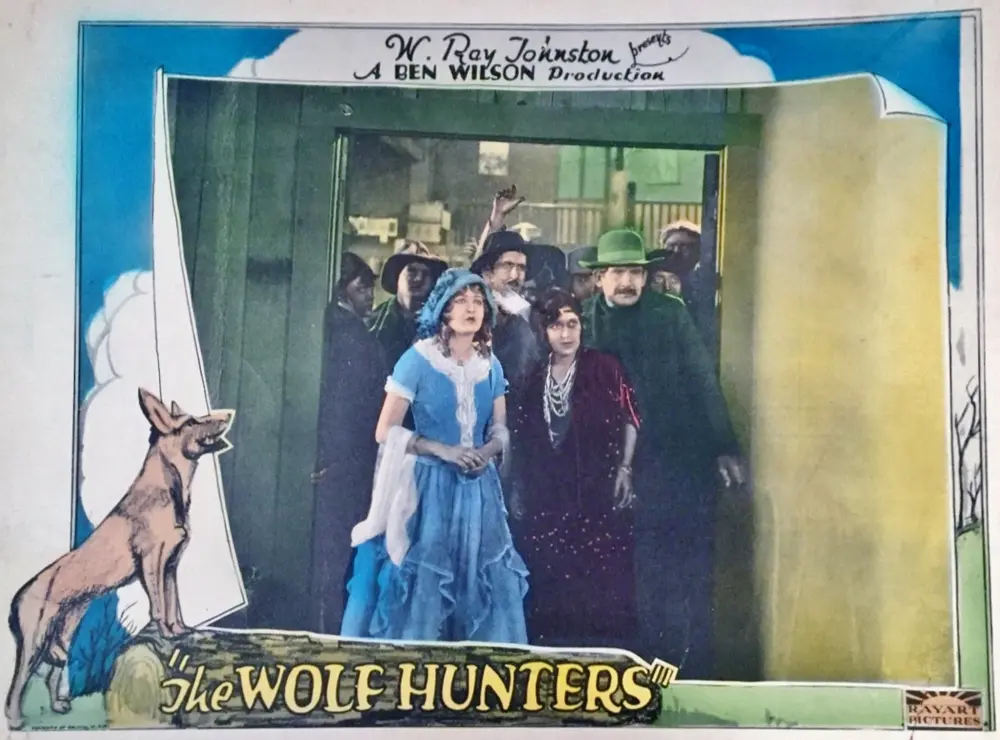
Is this film worth your time in the age of high-definition blockbusters? Short answer: yes, but only if you possess a deep reverence for the architectural bones of the adventure genre.
The Wolf Hunters is specifically for cinema archeologists and fans of James Oliver Curwood’s rugged brand of storytelling, but it is certainly not for viewers who require rapid-fire editing or complex psychological subtext to stay engaged.
1) This film works because it utilizes authentic outdoor locations that provide a sense of scale and genuine peril that studio sets of the 1920s simply could not replicate.
2) This film fails because its secondary romantic subplot feels bolted on, distracting from the visceral survivalist tension that drives the primary narrative.
3) You should watch it if you want to see the blueprint for the modern 'man against nature' thriller or if you are tracking the evolution of the Royal Canadian Mounted Police as a cinematic icon.
The Wolf Hunters, directed by Stuart Paton, is a fascinating specimen of mid-20s filmmaking. While many films of the era, such as The Virgin of Stamboul, relied on exoticism and elaborate costumes, Paton’s work here is stripped down. It is lean. It is cold.
The story doesn't waste time with philosophical musings. It presents a world where the law is a badge and a gun, and the wilderness is an indifferent judge. Alan Roscoe delivers a performance that is remarkably restrained for the silent era. He avoids the eye-bulging histrionics common in 1926, opting instead for a steady, physical presence that suggests a man who has spent more time talking to horses than people.
The cinematography by Jerome Ash is the real star here. There is a specific scene involving a pursuit across a frozen lake where the camera captures the blinding white glare of the sun on snow. It creates a sense of agoraphobia—the fear of wide-open spaces—that makes the characters look like tiny, insignificant ink blots on a vast white canvas. This visual choice elevates the film from a standard B-movie to something more haunting.
James Oliver Curwood was the king of the 'Northland' adventure, and his influence is felt in every frame. Unlike the urban grit found in The Pitfall, the danger here is environmental. The conflict between Rod and the antagonist isn't just about a crime; it's about who is more fit to survive the winter.
Carroll Nye provides a necessary foil to Roscoe’s stoicism. Nye brings a youthful energy that occasionally veers into the melodramatic, but it serves to highlight the toll the wilderness takes on the uninitiated. When his character first encounters the harsh reality of the wolf hunters' camp, his reaction mirrors the audience's own discomfort with the casual brutality of the frontier.
However, the film stumbles when it tries to integrate Mildred Harris. While she is a capable actress, her role feels like a concession to the box office. The romance doesn't breathe; it gasps for air between the action sequences. It’s a flaw seen in many films of this period, including Bonds of Love, where the emotional stakes feel manufactured compared to the physical ones.
If you are looking for a historical document of how the 'North' was sold to audiences, then yes, it is essential. The film captures a period of transition in cinema where directors were moving away from stage-bound tropes and into the wild. It lacks the polish of The Agent, but it possesses a raw, unrefined energy that is hard to find in later, more sanitized versions of this story.
For the casual viewer, the pacing will be an obstacle. Silent cinema requires a different kind of attention, and The Wolf Hunters demands that you sit with its silence. It is a slow burn that occasionally flickers out before catching fire again in the final act. It works. But it’s flawed.
The pacing of the second act is where the film's age shows most prominently. There are long stretches of travel that, while beautiful, don't necessarily advance the plot. In a modern context, these would be a thirty-second montage. In 1926, they are the movie. You have to appreciate the rhythm of the dogsled, the crunch of the boots, and the whistling wind.
Compare this to the kinetic energy of Fighting Blood, and you’ll see that Paton was more interested in atmosphere than pure adrenaline. This is a mood piece masquerading as a thriller. The tension is built through isolation rather than confrontation.
"The wilderness doesn't care about your badge. It only cares about your fire." - An unspoken sentiment that permeates every frame of this production.
Pros:
Cons:
One thing people miss about The Wolf Hunters is its subtle commentary on industrialization. Even in 1926, the trappers represent a dying breed, caught between the old world of the indigenous hunters and the new world of the organized Mounties. There is a sadness to the film that goes beyond the plot; it’s the mourning of a wild world that was already being mapped and tamed.
This thematic depth makes it more interesting than something like Andy's Lion Tale, which is pure spectacle. Paton is asking us to look at the cost of the frontier. Who gets to claim the land? The man with the trap or the man with the law? The film never quite answers, which is its most daring choice.
The Wolf Hunters is a sturdy, if slightly rusted, piece of cinematic machinery. It doesn't have the psychological complexity of Enemies of Women, nor does it have the whimsical charm of Sherlock's Home. What it does have is a sense of place that is undeniable.
It is a film that demands you turn off your phone, dim the lights, and let the silence of the snow wash over you. It is a grueling watch at times, but the final confrontation is handled with a stark, brutal efficiency that rewards the patient viewer. It’s not a masterpiece, but it is a vital chapter in the history of the adventure film.
IMDb —
1926
Community
Log in to comment.