DbcultAccessing Vault...
Cult Review
Senior Film Conservator
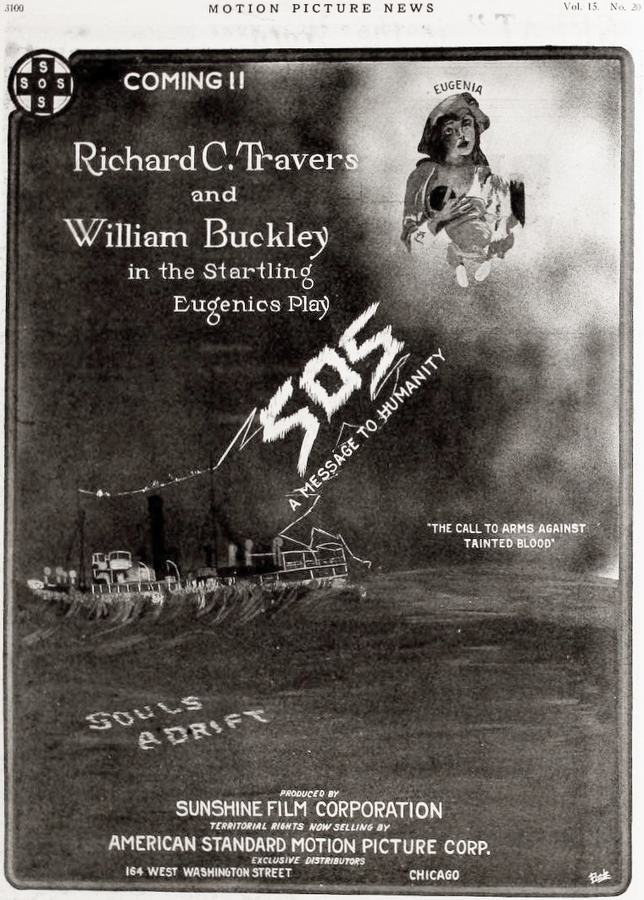
Stepping into the cinematic landscape of the early 20th century, one often encounters narratives that, while seemingly simplistic on the surface, delve into the profound moral complexities and societal anxieties of their time. S.O.S., a gripping drama from 1917, is precisely such a film. It navigates a treacherous terrain of love, betrayal, disease, and redemption with an unflinching gaze that was remarkably daring for its era. Far from being a mere relic, it stands as a potent testament to the capacity of silent cinema to convey intricate human dramas and deliver a powerful social commentary. The film, featuring performances by May Evelynne, George Offerman Sr., and William Burns, among others, crafts a narrative that is both a cautionary tale and a surprisingly hopeful exploration of human resilience.
The Duality of the Drexel Lineage
At the heart of S.O.S. lies the Drexel family, a microcosm of the era's social strata, where wealth often masked profound personal failings. The brothers, John and Harold, embody a stark dichotomy that propels much of the film’s tragic momentum. John, portrayed with a quiet dignity, represents the traditional ideal of a gentleman: sensible, responsible, and earnest in his affections. His love for Ruth Dixon is portrayed as steadfast and honorable, a beacon of stability in an increasingly turbulent world. Conversely, Harold is the quintessential black sheep, a character defined by his impulsiveness, his recklessness, and a penchant for self-destructive indulgence. He is the restless spirit, unable to conform to the expectations of his station, perpetually seeking thrills in the darker corners of society. This contrast is not merely a plot device; it is a profound commentary on the moral choices available to individuals of privilege and the differing paths they might choose. The film suggests that even within the confines of a shared lineage, human nature can diverge dramatically, leading to vastly different destinies. The dynamic between the siblings, overseen by their sister Vivian, sets the stage for a domestic drama that quickly spills into the public and perilous spheres of vice and heartbreak.
A Labyrinth of Unrequited Affections and Fickle Hearts
The romantic entanglements in S.O.S. are as intricate as they are heartbreaking. John's proposal to Ruth Dixon, a seemingly straightforward act of devotion, ignites a silent tragedy in the life of Ruth's sister, Mary. Mary, played with understated pathos, has long harbored a secret love for John, a devotion that remains unacknowledged and unreciprocated. This narrative thread, common in many melodramas of the period, resonates with a timeless ache of unfulfilled desire. One might draw parallels to the quiet suffering often depicted in films like Forget-Me-Not, where love's cruel ironies often dictate destiny. The film masterfully builds the tension around these emotional undercurrents, making Ruth’s eventual shift of affection all the more impactful. Her fateful encounter with Harold at a bar, on the very eve of her wedding to John, is a moment charged with destiny. The instant, undeniable spark between them, a dangerous allure contrasting sharply with John's steady reliability, propels Ruth into a decision that shatters her engagement and irrevocably alters the course of multiple lives. This swift, almost impulsive, change of heart underscores the volatile nature of passion and its capacity to override reason, setting a dangerous precedent for the ensuing tragedy.
The Shadowy World of Vice and Blackmail
Harold's descent into depravity is facilitated by the character of Lorrane Del Rica, a classic femme fatale figure rendered with chilling effectiveness. Lorrane, alongside her lover Freddie Brooks, operates a sinister blackmail racket, preying on the indiscretions of the wealthy. Her character is not merely an antagonist; she is a symbol of the moral decay lurking beneath the surface of polite society, a dangerous siren who lures men to their ruin. Her calculated manipulation and ruthlessness provide a stark contrast to the comparatively innocent romantic entanglements of the other characters. The portrayal of Lorrane and her criminal enterprise offers a fascinating glimpse into the social anxieties of the era, where the burgeoning urban landscape was perceived as rife with moral perils for the unsuspecting or weak-willed. This predatory dynamic, where the vulnerable rich are exploited by cunning manipulators, echoes themes found in other contemporary cautionary tales. One might even see echoes of the manipulative figures found in films like The Wolf Woman, where cunning female characters hold sway over men's fates. The narrative is unflinching in depicting the consequences of Harold's entanglement, particularly his contraction of a venereal disease through this illicit relationship. This plot point is incredibly significant, marking S.O.S. as one of the early films to tackle such a taboo subject directly, foregoing euphemism for stark reality. It transforms Harold's reckless hedonism from a mere character flaw into a devastating, life-altering affliction.
The Unflinching Gaze at a Taboo: Venereal Disease in Early Cinema
The decision by the filmmakers of S.O.S. to explicitly address venereal disease is perhaps its most audacious and historically significant aspect. In an era where such topics were strictly relegated to hushed whispers and moralistic pamphlets, the film bravely brings the devastating consequences of promiscuity and untreated illness into the public eye. This was not merely a plot device but a powerful piece of social hygiene education, wrapped within a dramatic narrative. Harold's contraction of the disease, and its subsequent horrific impact on his innocent child, serves as a brutal indictment of his irresponsible lifestyle. The birth of their child as a 'hopeless cripple' is a shocking and visceral manifestation of the disease's hereditary consequences, a narrative choice designed to provoke a strong emotional response and to serve as a stark warning to contemporary audiences. This was a bold move, pushing the boundaries of what was acceptable for public consumption and demonstrating cinema's potential as a medium for social commentary. Films like The Eternal Sin might have explored moral transgressions, but few dared to present the physical and hereditary fallout with such directness. The film implicitly challenges the prevailing societal ignorance and stigma surrounding such illnesses, forcing viewers to confront a reality that many preferred to ignore. This aspect alone solidifies S.O.S.'s place as a groundbreaking work, demonstrating early cinema's capacity for social realism even amidst its melodramatic flourishes.
The Spiral of Vengeance and Self-Destruction
The revelation of their child's condition plunges Harold into a maelstrom of guilt, rage, and despair. His previous recklessness morphs into a murderous fury, directed not at himself, but at those he perceives as the architects of his downfall: Lorrane and Brooks. This shift in blame, a desperate attempt to externalize his own culpability, fuels a violent act of retribution. The sequence of him rushing to their home and slaying them is a stark, brutal depiction of a man utterly broken by his choices. It is a moment of raw, visceral justice, albeit one born of profound psychological torment. The film doesn't shy away from the grim reality of his actions, presenting the murders as a desperate, irreversible act. Harold’s subsequent suicide, after the deed is accomplished, is the tragic culmination of his self-destructive trajectory. It’s a final, desperate escape from the unbearable weight of his sins and their devastating consequences. This tragic climax, while shocking, feels narratively earned, the inevitable outcome of a life lived without restraint or moral compass. It underscores the film's core message about accountability and the destructive power of unchecked desires, making it a powerful, albeit dark, moral lesson for its audience.
Ruth's Despair and the Glimmer of Redemption
Ruth, caught in the terrifying vortex of Harold's unraveling and the devastating truth of their child's suffering, is pushed to the brink of her own despair. Her attempted suicide is a poignant moment, reflecting the profound trauma and hopelessness she experiences. It is a testament to the film's commitment to portraying the full emotional spectrum of its characters, even in their darkest moments. The intervention that prevents her from succeeding, while a classic melodramatic device, serves a crucial purpose: it prevents the narrative from descending into total, unrelieved nihilism. Instead, the film offers a surprising, almost audacious, turn towards a quiet redemption. John, having witnessed the tragic consequences of Harold's path and Ruth's suffering, finally awakens to the steadfast, unwavering love of Mary. His realization of her enduring affection, previously overshadowed by his engagement to Ruth, becomes the film's ultimate solace. Their eventual marriage provides a tender, if bittersweet, resolution, suggesting that even from the ashes of profound tragedy, new beginnings and genuine happiness can emerge. This ending, while perhaps a concession to audience expectations for a glimmer of hope, doesn't diminish the film's earlier, stark realism. Instead, it offers a powerful message about the resilience of the human spirit and the enduring power of true, patient love.
Performances and Directional Nuances
The performances in S.O.S., particularly those of May Evelynne as Ruth and George Offerman Sr. as John, are commendable for their ability to convey complex emotional states without the benefit of spoken dialogue. Evelynne, in particular, navigates Ruth's journey from naive affection to devastating despair with remarkable subtlety, her expressions and physicality speaking volumes. Offerman Sr. imbues John with a quiet strength and moral fortitude that anchors the tumultuous narrative. Even William Burns, as the reckless Harold, manages to evoke a tragic charisma that makes his downfall all the more impactful. The director, whose name isn't explicitly provided, demonstrates a keen understanding of cinematic storytelling, utilizing visual cues, dramatic close-ups, and carefully staged scenes to build tension and convey character motivations. The pacing, while characteristic of silent films, effectively builds to the climactic moments, allowing the audience to fully absorb the emotional weight of each revelation. The use of intertitles is judicious, enhancing rather than overwhelming the visual narrative. This considered approach to direction ensures that even the most sensational aspects of the plot are handled with a degree of gravitas, elevating the film beyond mere melodrama into a significant piece of social commentary.
A Lingering Impact: S.O.S. as a Historical Document
Beyond its dramatic merits, S.O.S. functions as a compelling historical document. It provides invaluable insight into the social mores, anxieties, and moral debates prevalent in America during the late 1910s. The film’s bold decision to confront venereal disease head-on distinguishes it from many of its contemporaries, placing it in a unique category of early social problem films. It serves as a stark reminder of the devastating human cost of ignorance and recklessness, a message that, regrettably, remains pertinent even today. While silent films like The Commanding Officer might focus on military drama, or Father and the Boys on domestic comedy, S.O.S. courageously tackles a darker, more uncomfortable reality. It is a film that challenges its audience, forcing them to confront difficult truths about human nature and societal responsibility. Its enduring power lies not just in its dramatic narrative, but in its audacious willingness to push boundaries and provoke thought. S.O.S. is more than just an old film; it is a vital piece of cinematic history, a testament to the power of storytelling to reflect, critique, and ultimately, perhaps even shape the world around it. Its complex web of characters, its unflinching portrayal of vice and its consequences, and its surprising turn towards a hard-won redemption make it a film well worth rediscovering for any serious student of early cinema or social history. It's a testament to how even without spoken words, the screen could scream a powerful warning.
IMDb 5.8
1930
Community
Log in to comment.