DbcultAccessing Vault...
6/10
Senior Film Conservator
A definitive 6/10 rating for a film that redefined the boundaries of cult cinema. The Woman God Forgot remains a cornerstone of transgressive art.
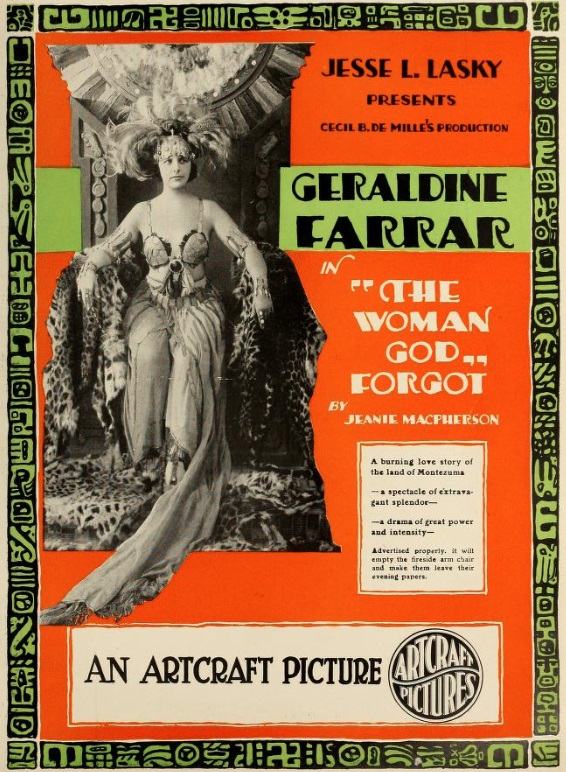
Stepping back into the cinematic annals of 1917, one encounters The Woman God Forgot, a spectacle that, even through the haze of a century, commands attention. This isn't merely a historical drama; it's a grand opera transposed onto the silver screen, a testament to the early silent era's ambition and a canvas for the formidable talents of its lead, Geraldine Farrar. The film plunges us into the heart of the Aztec Empire, a civilization poised on the precipice of obliteration, its vibrant, complex tapestry about to be rent asunder by the relentless march of Spanish conquest. It's a narrative fraught with the weight of empire, the clash of cultures, and the deeply personal agony of a woman caught in an impossible maelstrom of loyalty and nascent desire.
At the core of this seismic clash is Tecza, portrayed with a captivating intensity by Farrar. Her character is far from a simplistic damsel; she is a figure of agency, caught between the inexorable tide of history and the burgeoning, forbidden love for Captain Alvarado, a Spanish conquistador. When Alvarado, dispatched by Cortés to the court of Montezuma, finds himself unjustly cast into the dungeon's suffocating embrace, it is Tecza, propelled by an inexplicable magnetism, who orchestrates his daring escape. This act of defiance, however, is merely the opening gambit in a high-stakes drama that pits her devotion to her people against a passion that threatens to consume her very being. The tension, palpable even in the absence of spoken dialogue, is a masterclass in visual storytelling, relying on Farrar's expressive face and the dramatic staging to convey the profound internal conflict.
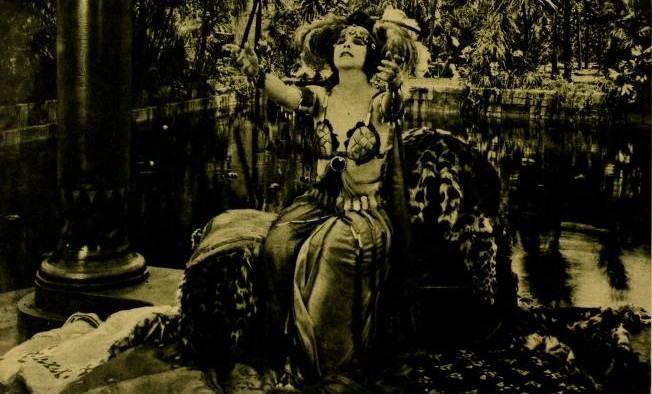
The film’s narrative truly tightens its grip when Tecza’s lover, the proud and formidable Guatemoco, discovers Alvarado hidden within her private chambers. This revelation isn't just a plot point; it's a devastating blow to Tecza's fragile world, exposing her divided loyalties and forcing her hand. Alvarado's recapture underscores the overwhelming power of the forces arrayed against their nascent love, leaving Tecza with a choice of unimaginable consequence. It is here that the film transcends mere historical spectacle, delving into the psychological torment of a woman whose individual desires become inextricably linked with the fate of an entire civilization. Her ultimate decision—to guide Cortés and his forces into the heart of her city, thereby ensuring its destruction—is one of the most heart-wrenching acts of cinematic betrayal, yet presented as a desperate gambit for a love that, to her, represents a new future, however tragic.
Geraldine Farrar's performance as Tecza is nothing short of magnetic, a powerful demonstration of why she was such a celebrated figure of her era. Having already established herself as a formidable opera singer, Farrar brought a theatricality and depth to the silent screen that few could match. Her expressive eyes, her dramatic gestures, and her ability to convey a whirlwind of emotions without uttering a single word are truly remarkable. She doesn't just play Tecza; she embodies her, lending the character a gravitas and an internal struggle that makes her tragic choices resonate deeply. One can draw parallels to the powerful female protagonists in other silent epics, perhaps the nuanced suffering seen in characters from films like Vanity Fair, but Farrar's Tecza stands apart in her active, albeit devastating, role in her own downfall and that of her people. Her portrayal elevates the film beyond a simple historical retelling into a potent character study of love, loyalty, and loss.
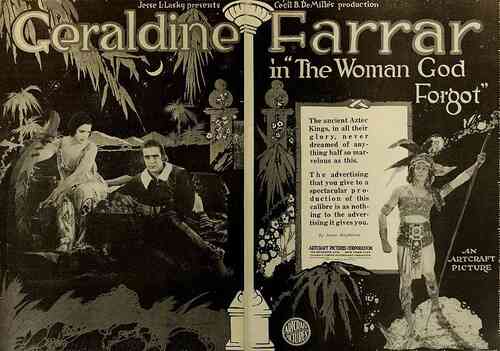
Wallace Reid, as Captain Alvarado, provides a compelling counterpoint to Farrar's Tecza. Reid, a major matinee idol of the era, projects a charisma and heroic presence that makes Tecza's attraction believable. He is the quintessential dashing explorer, embodying the allure and danger of the invading force. While his character is less complex than Tecza's, Reid imbues Alvarado with enough conviction and romantic appeal to make his role in the central love story impactful. The chemistry between Farrar and Reid is undeniable, a silent spark that ignites the screen and lends credibility to the extraordinary sacrifices made for their union. This kind of intense, almost fated romance was a staple of the period, reminiscent of the grand passions depicted in films such as The Love Thief, where personal desires often outweighed societal dictates.
Olga Grey's portrayal of Guatemoco, Tecza's jilted lover, adds another layer of emotional complexity to the narrative. Guatemoco represents the staunch resistance, the proud defender of his people and traditions. Grey brings a fierce dignity to the role, making his pain and fury at Tecza's betrayal deeply felt. He is not merely a villain but a tragic figure himself, a symbol of the indigenous world desperately fighting against an overwhelming, technologically superior foe. His conflict with Alvarado is not just a personal rivalry but a microcosm of the larger clash between the Aztec and Spanish empires. The film, in its silent eloquence, manages to convey the profound tragedy inherent in this cultural collision, where even the most noble intentions are crushed under the weight of historical inevitability.
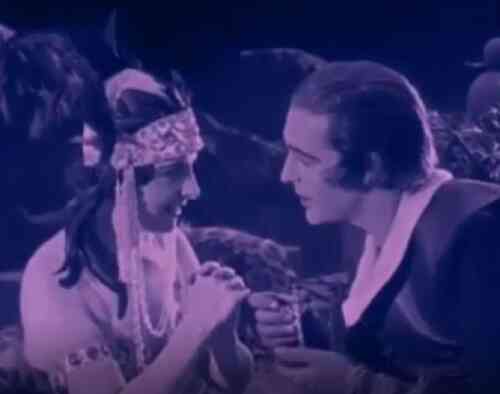
The supporting cast, including Hobart Bosworth as Montezuma, Raymond Hatton, Ramon Novarro, Julia Faye, Walter Long, and Theodore Kosloff, contributes significantly to the film's immersive quality. Bosworth's Montezuma is regal and beleaguered, a ruler struggling to comprehend and withstand the encroaching tide. The sheer scale of the production, typical of the grand historical dramas of the era, would have been immense, with elaborate sets and costumes recreating the splendor of the Aztec civilization and the formidable presence of the Spanish conquistadors. One can imagine the visual feast, a spectacle designed to transport audiences to another time and place, much like the ambitious aquatic marvels seen in Neptune's Daughter, albeit with a focus on historical authenticity rather than mythical fantasy.
Written by Jeanie Macpherson and William C. de Mille, the screenplay masterfully navigates a complex historical period, distilling it into a compelling personal drama. Macpherson, a frequent collaborator with Cecil B. DeMille (though not explicitly mentioned as director here, her influence is often linked to his grand vision), had a knack for crafting narratives that blended historical sweep with intense human emotion. The story's focus on Tecza's internal conflict, her ultimate, devastating choice, and the tragic consequences for her nation, speaks to a sophisticated understanding of dramatic tension and character development. It’s a narrative approach that transcends the simplistic good-versus-evil tropes, instead presenting a nuanced portrayal of moral ambiguity and the inescapable cruelty of conquest.
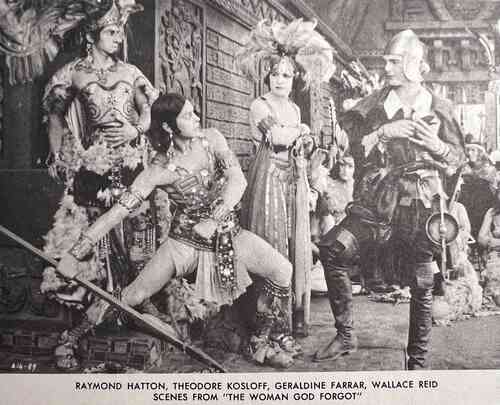
The historical backdrop of the Spanish conquest of the Aztec Empire is fertile ground for drama, and The Woman God Forgot leverages this with a blend of grand spectacle and intimate tragedy. While cinematic portrayals of historical events often take liberties for dramatic effect, the film captures the essence of a civilization's downfall and the human cost of empire-building. The depiction of the Aztec culture, while undoubtedly filtered through a Western lens of the early 20th century, attempts to convey a sense of its grandeur and complexity, making its destruction all the more poignant. This kind of ambitious historical reconstruction was a hallmark of the era, seen in other productions striving for authenticity and scale, such as Nell Gwynne, though the latter focused on European royalty rather than indigenous civilizations.
The film's title itself, "The Woman God Forgot," is laden with symbolism, hinting at the profound sense of abandonment and despair that must have gripped Tecza as she made her fateful choice. It speaks to a universal theme of being left to one's own devices in the face of insurmountable odds, of having to forge one's own destiny even if it means sacrificing everything held dear. This sense of existential struggle resonates across time, making Tecza's plight feel both historically specific and deeply human. It's a title that lingers, prompting reflection on the moral complexities of her actions and the tragic circumstances that drove them.
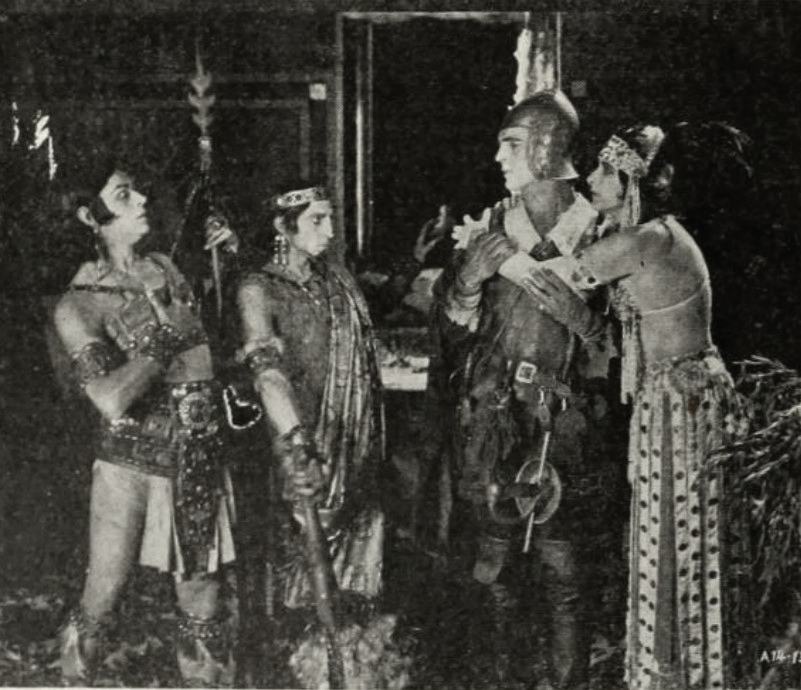
In an era that predated synchronized sound, the visual language of cinema was paramount. The Woman God Forgot would have relied heavily on intertitles to convey dialogue and exposition, but the true power lay in its cinematography, its set design, and the performances. The scale of the battle sequences, the opulence of Montezuma's court, and the dramatic confrontations between characters would have been meticulously staged to create maximum impact. The use of light and shadow, typical of early cinema, would have been crucial in conveying mood and atmosphere, from the foreboding darkness of the dungeons to the stark brutality of conflict. Such visual storytelling was a developing art, and films like this pushed the boundaries of what was possible, much like the innovative techniques explored in The Invisible Power, albeit in a different genre.
The legacy of The Woman God Forgot lies not only in its ambitious scale and powerful performances but also in its exploration of themes that remain relevant today: the clash of civilizations, the ethics of conquest, and the excruciating choices individuals make under duress. Tecza's story is a poignant reminder of the personal cost of historical upheaval, a narrative that transcends its silent film origins to speak to universal human experiences. It's a film that asks profound questions about loyalty, love, and the price of survival, questions that continue to echo through cinematic history. It stands as a significant piece in the mosaic of early American cinema, a testament to the dramatic potential of the silent screen and the enduring power of a compelling story. Its impact can be measured alongside other character-driven dramas of the period, like Souls Enchained, which similarly delved into the moral quandaries faced by its protagonists.
Revisiting such a film today offers a unique window into the artistic sensibilities of a bygone era. It allows us to appreciate the craft of silent filmmaking, the nuanced performances that communicated entire emotional landscapes without a single spoken word, and the sheer audacity of productions that sought to recreate entire historical worlds. The Woman God Forgot is more than just a historical artifact; it's a vibrant, dramatic narrative that continues to resonate with its exploration of human nature's complexities. It reminds us that the fundamental struggles of love, betrayal, and loyalty are timeless, echoing across cultures and centuries, as impactful in a grand Aztec epic as they might be in a more intimate drama like The Redemption of Dave Darcey. The film, in its silent grandeur, speaks volumes about the human condition, offering a powerful, albeit tragic, testament to the enduring power of individual choice amidst the sweeping currents of history.
The narrative's resolution, with Tecza securing Alvarado's love at the cost of her nation's destruction, leaves a lingering sense of bittersweet victory. Is it a triumph of love over duty, or a tragic capitulation to personal desire? The film doesn't offer easy answers, instead inviting the audience to grapple with the moral implications of Tecza's ultimate sacrifice. This ambiguity is one of its strengths, distinguishing it from simpler morality tales. It's a complex portrayal of a woman making an impossible choice, a decision that defines her destiny and irrevocably alters the course of history. Such profound character arcs were often the backbone of early cinema's more ambitious projects, providing a depth that transcended the nascent technology. In its depiction of profound personal sacrifice and national tragedy, it stands as a compelling piece of cinematic history, inviting renewed appreciation for its artistic merits and its enduring thematic relevance.
IMDb —
1920
Community
Log in to comment.