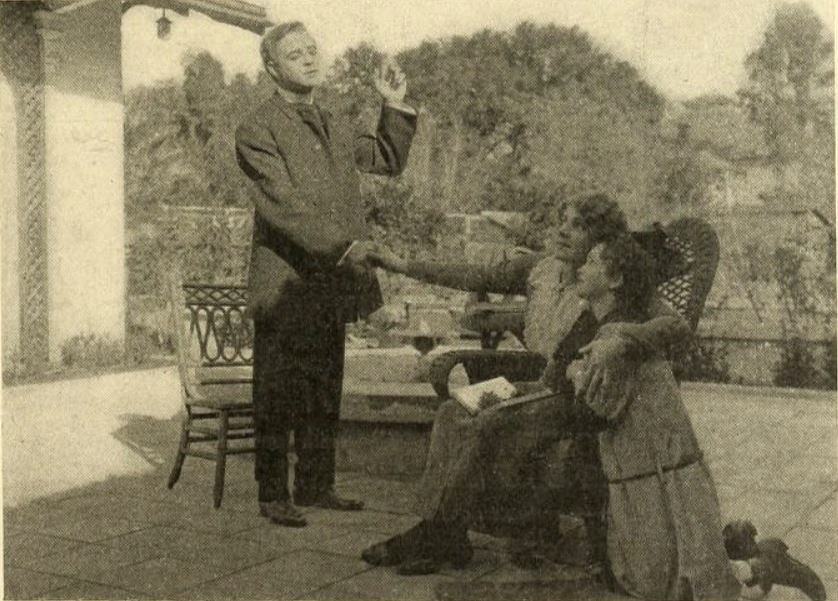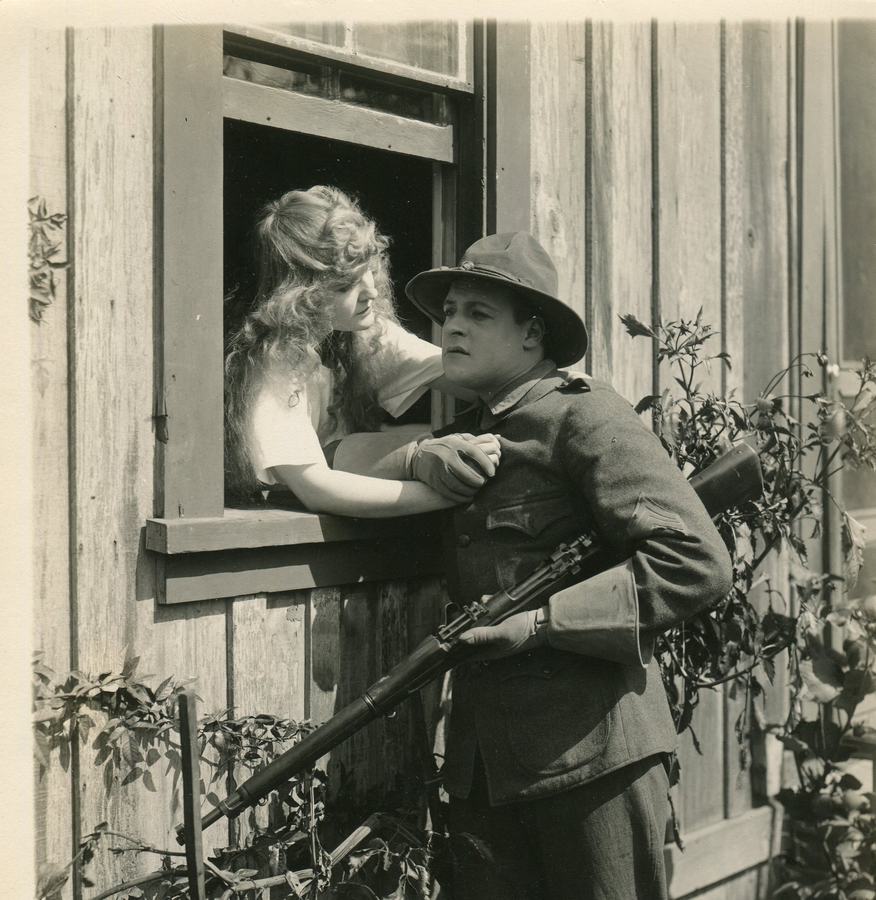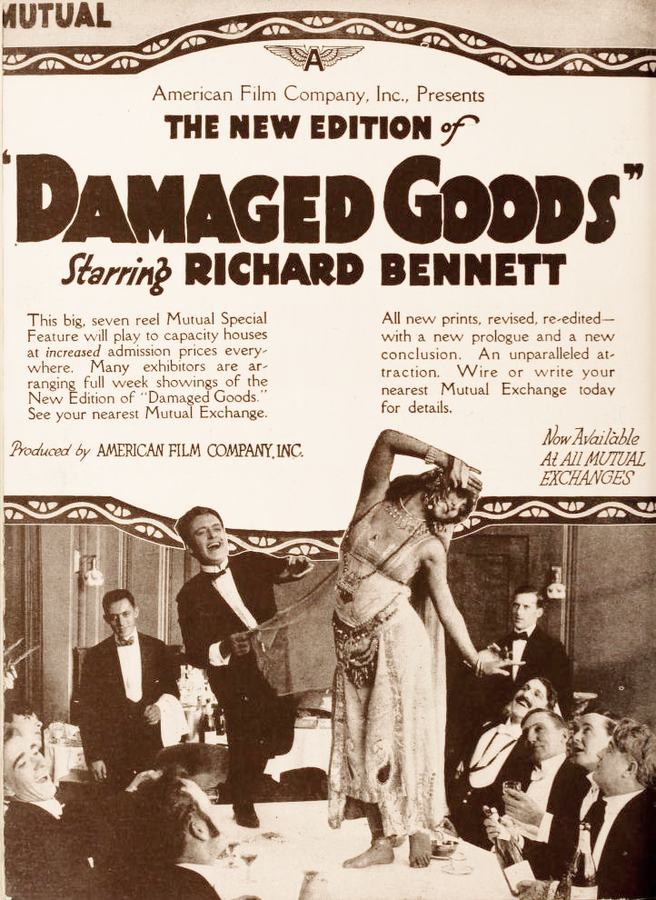
"Damaged Goods" pictures the terrible consequences of vice and the physical ruin that follows the abuse of moral law. It is a stirring plea for a pure life before marriage, in order to make impossible the transmission of unhealthy hereditary traits to future generations.
Richard Bennett, Eugène Brieux, Harry A. Pollard
United States
a{text-decoration:none;color:#EAB308;border-bottom:1px dotted #EAB308;} a:hover{color:#C2410C;border-color:#C2410C;} blockquote{margin:2rem 0;padding:1rem 2rem;border-left:4px solid #0E7490;font-style:italic;background:#111;} em{color:#C2410C;font-weight:600;} Cinema has always flirted with the forbidden, b...
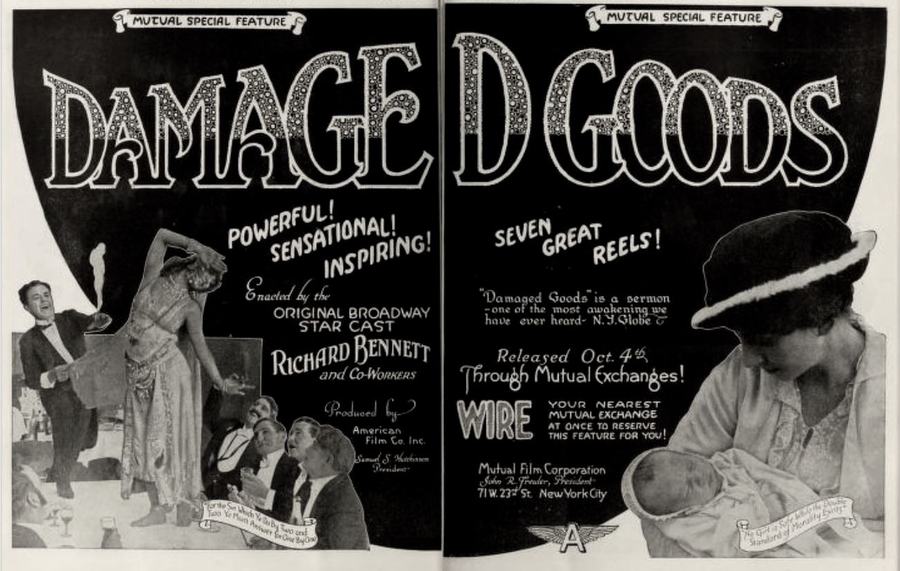
publicity
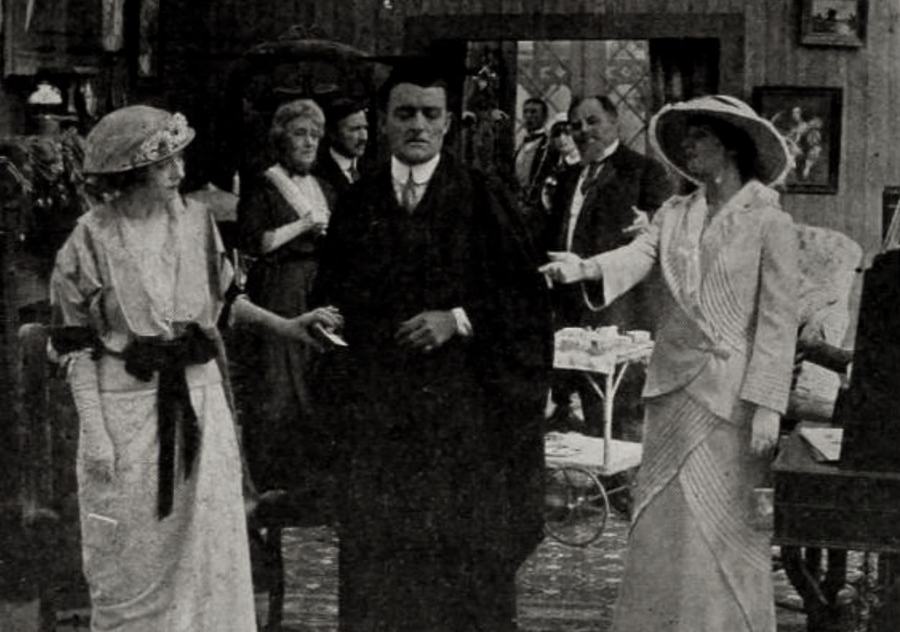
still_frame
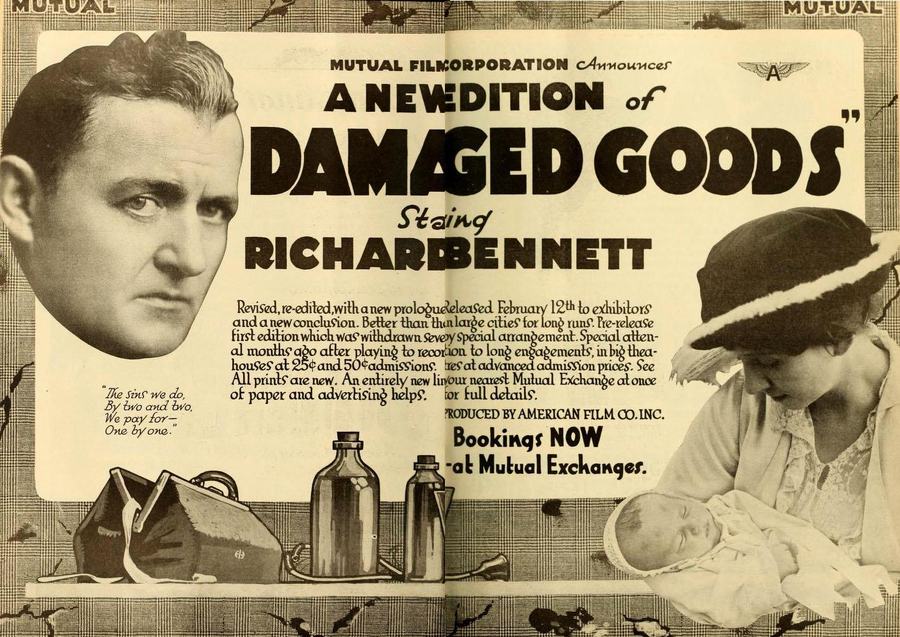
publicity
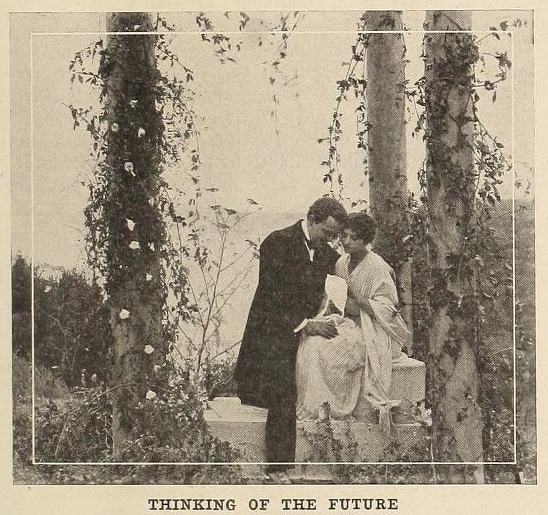
still_frame
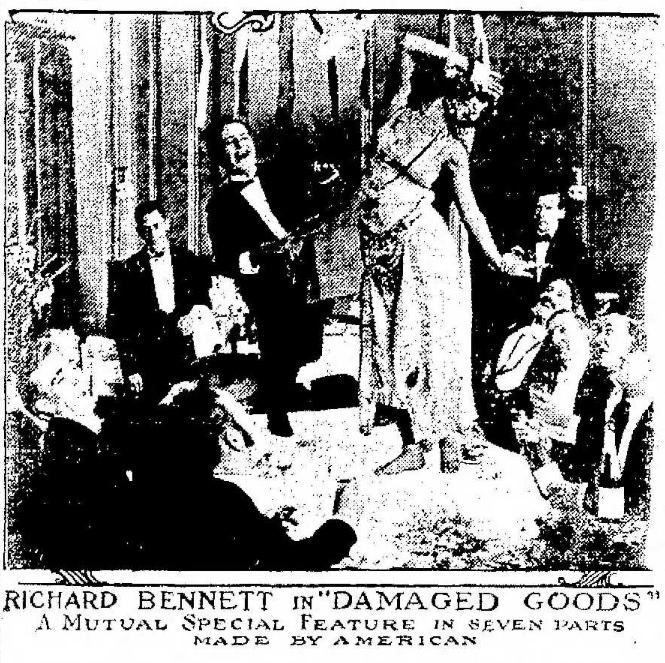
still_frame
Comparing the cinematic DNA and archive impact of two defining moments in cult history.
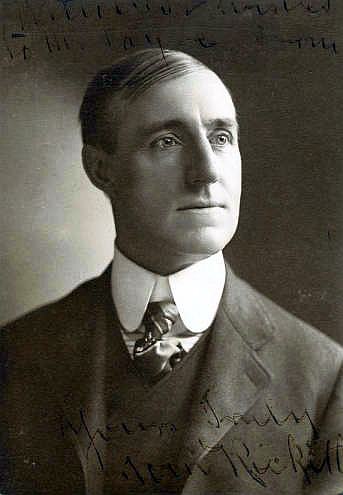
Tom Ricketts
Tom Ricketts
Community
Log in to comment.
" a{text-decoration:none;color:#EAB308;border-bottom:1px dotted #EAB308;} a:hover{color:#C2410C;border-color:#C2410C;} blockquote{margin:2rem 0;padding:1rem 2rem;border-left:4px solid #0E7490;font-style:italic;background:#111;} em{color:#C2410C;font-weight:600;} Cinema has always flirted with the forbidden, but few silents dare to rub our noses in the stench of consequence. Damaged Goods, released when Europe was still insisting honor would keep its sons alive, is a cinematic hand gren..."