DbcultAccessing Vault...
5.4/10
Senior Film Conservator
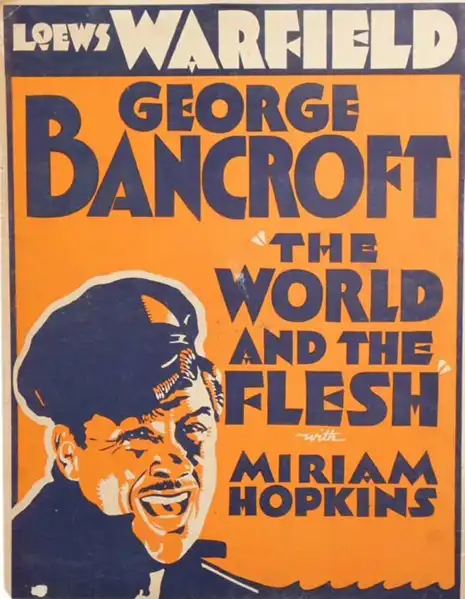
A definitive 5.4/10 rating for a film that redefined the boundaries of cult cinema. The World and the Flesh remains a cornerstone of transgressive art.
If you like old-school silent melodrama with high stakes and low budgets, sure. If you’re looking for a historically accurate lesson on the Russian Revolution, look elsewhere immediately. It’s for the folks who enjoy watching actors chew the scenery until their teeth break. If you’re easily bored by stage-bound dialogue cards and heavy-handed staring contests, you might want to skip this one.
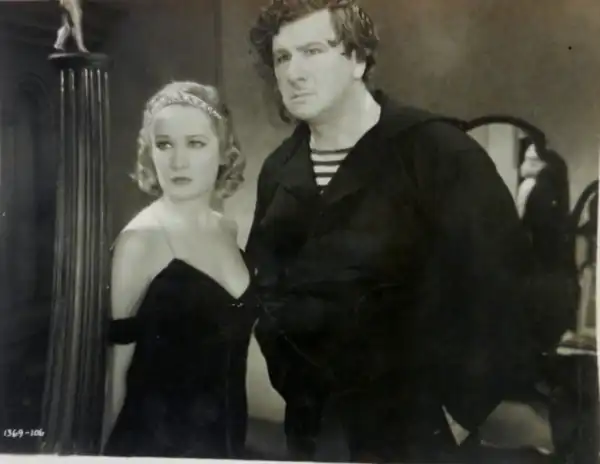
The World and the Flesh is one of those movies that feels like it was filmed in a shoebox. The sets are tight, the emotions are huge, and the pacing is almost entirely driven by how quickly you can read the title cards. It’s got that weird, dusty feeling of something that was popular in 1927 and then promptly shoved into a vault for decades.
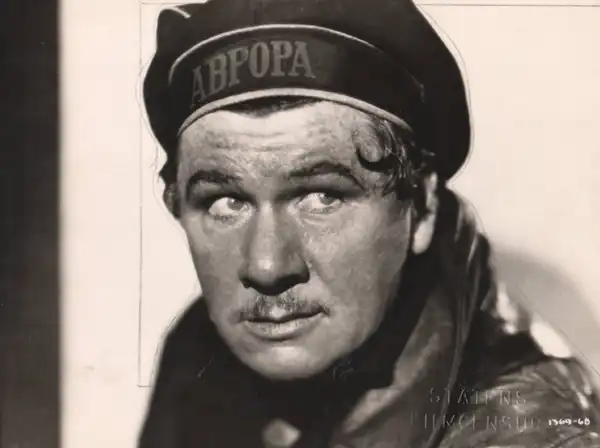
George Bancroft is the guy pulling all the strings here, playing a revolutionary leader with the kind of intense, sweaty energy that feels like he’s about to pop a blood vessel. He’s the villain, obviously, but he’s also the only one really doing anything interesting on screen. Everyone else seems to be posing for a painting that’s taking way too long to finish.
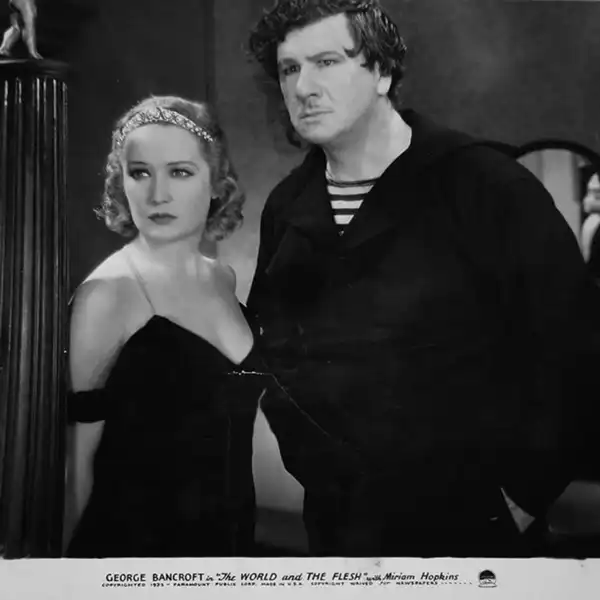
Miriam Hopkins is the ballerina in question. She spends most of the runtime looking terrified, which, to be fair, is a pretty reasonable reaction when you’re being held hostage by a guy who looks like he hasn't slept in three weeks.
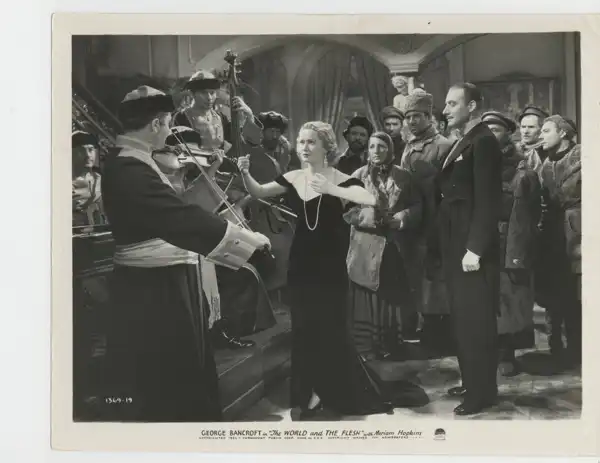
There is this one scene—I don’t know if you’d call it a highlight—where the tension is supposed to be thick enough to cut with a knife. Instead, it just feels like everyone is waiting for the director to yell 'cut' so they can go get a sandwich. It lacks that spark you see in something like Frozen River, where the desperation feels real rather than just part of a script.
The whole thing feels a bit like a stage play that got lost on its way to the theater. Every movement is so deliberate. It’s almost choreographed to death.
It’s not as goofy as Way Out West, but it certainly isn't trying to be a serious documentary. It sits in this strange middle ground where it takes itself very seriously, which is precisely why it’s fun to watch if you’re in the right mood. You can almost feel the movie trying to convince you that these aristocrats are truly suffering, but they look so well-groomed that it’s hard to stay worried.
Sometimes, the movie just stops dead for a lingering close-up. It’s meant to show us the 'depth' of the situation. Mostly, it just shows us that the camera operator really liked the actor's nose.
If you have a free hour and a half and you’re feeling nostalgic for the days when acting meant squinting really hard, go for it. Just don’t expect to walk away thinking it’s a masterpiece. It’s a curiosity, nothing more.
IMDb —
1919
Community
Log in to comment.