DbcultAccessing Vault...
Cult Review
Senior Film Conservator
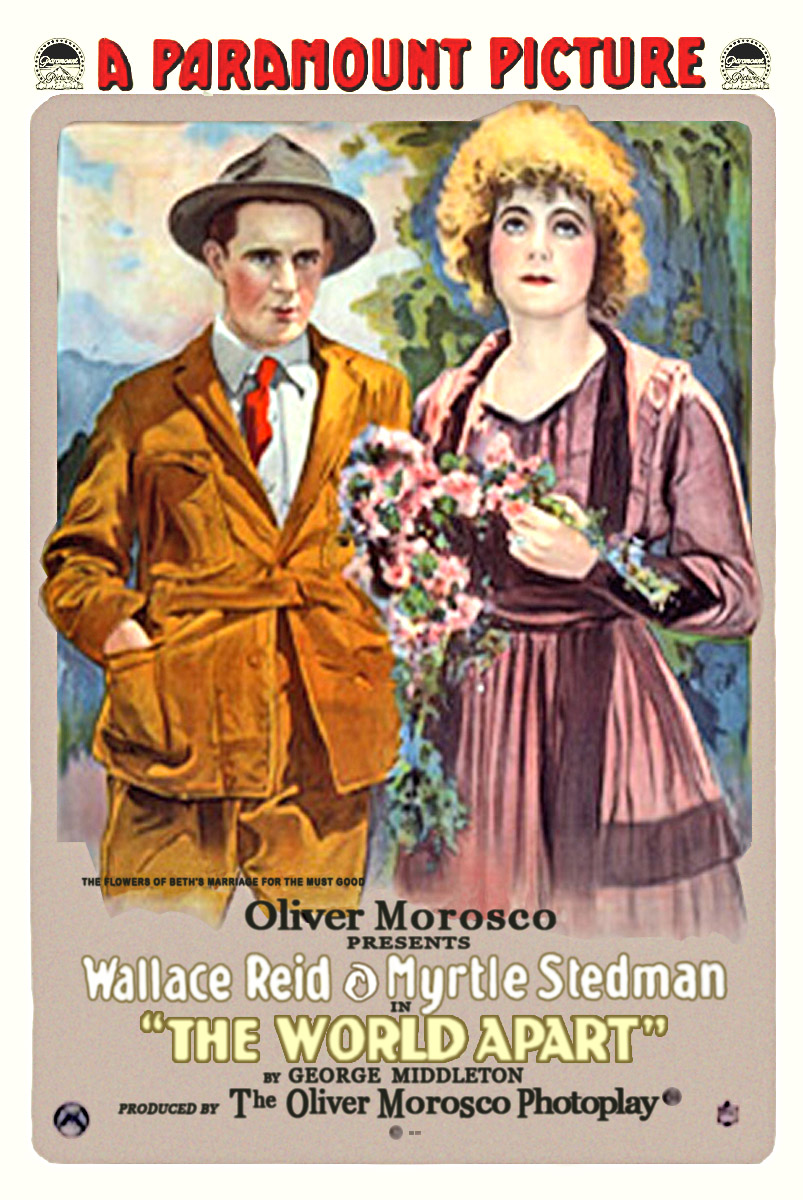
Stepping back into the nascent days of cinematic storytelling, 'The World Apart' (1917) emerges not merely as a relic but as a vibrant testament to the enduring power of melodrama and moral complexity that defined early silent film. Directed by a keen eye for human drama, this picture, penned by the collaborative genius of George Middleton and Julia Crawford Ivers, plunges its audience into a narrative rich with betrayal, mistaken identity, and ultimately, a hard-won redemption. It’s a film that, even a century later, speaks volumes about the human condition, proving that the silent screen was anything but quiet in its emotional resonance. This isn't just a historical curiosity; it's a pulsating drama that holds its own amongst the more celebrated works of its era, perhaps even echoing the dramatic intensity found in contemporaries like The Lure with its undercurrents of crime and moral quandary, or the profound emotional turmoil seen in Malombra.
The narrative unfurls with a classic premise: the wayward son. Roland Holt, a mining magnate, embodies the exasperated patriarch, dispatching his utterly worthless progeny, Clyde, to the remote confines of a mining operation. The mission? Reformation under the stern but just tutelage of Bob Fulton, the mining superintendent, a man whose integrity is as unyielding as the rock he oversees. This initial setup immediately establishes a potent dynamic. Clyde, portrayed with a convincing blend of arrogance and weakness by Wallace Reid, is no repentant prodigal. Instead of embracing the gritty discipline of the mines, he succumbs to a far darker impulse, plotting to rob the company safe. This act isn't just a lapse in judgment; it’s a profound betrayal of his father's trust and Bob's good faith, setting the stage for an inevitable clash.
Bob Fulton, brought to life with understated strength by Henry A. Barrows, finds himself in an unenviable position. His duty to the company and his own moral compass demand intervention. The confrontation is swift and desperate. In a moment of high tension, Bob is forced to shoot Clyde, not with malice, but out of a stark necessity to prevent the robbery. This act, while preventing a financial crime, inadvertently ignites a much larger personal catastrophe. The scene is masterfully constructed, even in its silent depiction, relying on the actors' physicality and the audience's imagination to convey the gravity of the situation. As Clyde makes his frantic escape, a crucial detail is introduced: he loses his wedding ring, a seemingly minor incident that will soon become the lynchpin of the entire dramatic structure.
The plot thickens with the arrival of Beth, Clyde's new bride, portrayed with delicate vulnerability and burgeoning strength by Florence Carpenter. Her innocence in this harsh, male-dominated world is palpable. She arrives expecting to reunite with her husband, only to be met with his inexplicable disappearance. This immediate sense of loss and confusion forms the emotional core of her character. It’s a classic narrative device, echoing the dramatic arrivals and confounding mysteries seen in films like The Lady of the Photograph, where visual clues and missing persons drive the emotional stakes. Beth, unaware of the violent confrontation that preceded her arrival, finds herself drawn to the injured Bob, whose quiet suffering and inherent goodness become her solace. In a beautiful, if tragically ironic, turn of events, she devotes herself to nursing him back to health. This period of shared vulnerability and intimate care fosters a profound connection, an unspoken understanding that blossoms into genuine love. The chemistry between Carpenter and Barrows, even through the stylized movements of silent cinema, is compelling, building a romance born from shared adversity.
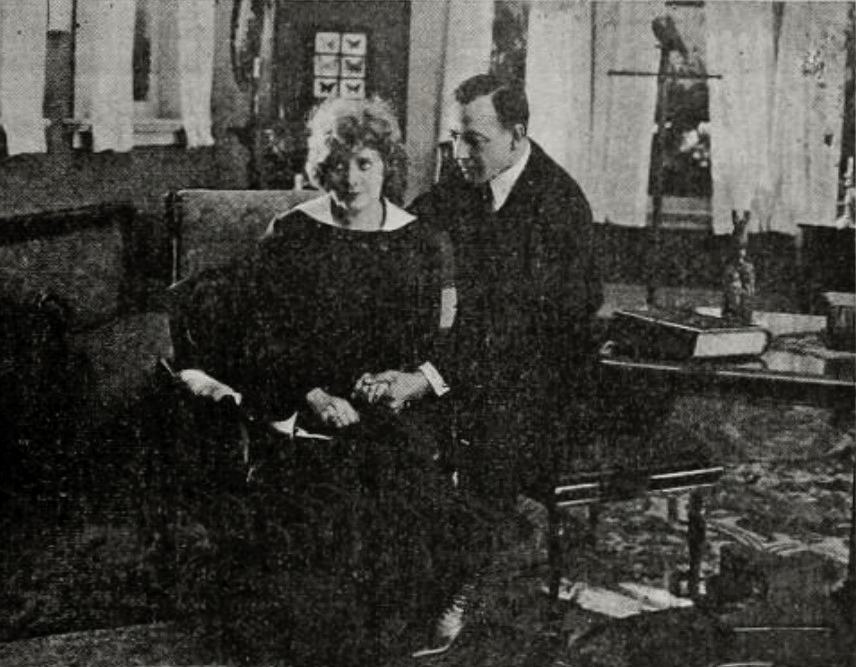
The discovery of Clyde's lost wedding ring is the narrative's central turning point, a moment of devastating revelation that shatters the fragile peace Beth and Bob have found. This small, metallic circle, once a symbol of commitment and union, transforms into a harbinger of suspicion and heartbreak. For Beth, it’s not just an object; it's a tangible piece of evidence that irrevocably links the man she loves to the mysterious disappearance – and probable murder – of her husband. The emotional weight of this discovery is immense. Carpenter’s portrayal of Beth’s internal conflict, her dawning horror and betrayal, must have been riveting on screen, a testament to the power of silent acting to convey complex emotions without a single spoken word. The ring functions as a classic MacGuffin, but one imbued with deep personal significance, much like a crucial letter or photograph in other melodramas of the era, such as The Bridge of Sighs, where secrets unravel with devastating consequences.
The film masterfully uses this plot device to plunge its characters into an emotional abyss. Beth is torn between her love for Bob and her belief that he is a murderer. Bob, bound by a sense of duty and perhaps a desire to protect Beth from the harsher truth of Clyde's depravity, remains silent, allowing the misunderstanding to fester. This period of agonizing tension is where the film truly shines, exploring themes of trust, deception, and the unbearable burden of unspoken truths. The writers, Middleton and Ivers, demonstrate a profound understanding of dramatic pacing, allowing the audience to feel the suffocating weight of Beth's dilemma and Bob's stoic suffering.
The strength of 'The World Apart' lies not only in its compelling narrative but also in the performances of its cast. Henry A. Barrows as Bob Fulton delivers a performance steeped in quiet dignity and moral fortitude. His internal struggle is conveyed through subtle gestures and expressive eyes, characteristic of the best silent film actors. Florence Carpenter's Beth is a remarkable study in evolving character – from naive bride to a woman grappling with unimaginable heartbreak, and finally, to one capable of profound love and forgiveness. Her emotional arc is the film's beating heart. Wallace Reid, despite his character's reprehensible actions, brings a necessary energy to Clyde, making his initial arrogance and later, his desperate return, believable. The supporting cast, including John Burton, Phyllis Daniels, Myrtle Stedman, and Eugene Pallette, each contribute to the rich tapestry of the mining community, grounding the melodrama in a sense of lived reality. Pallette, in particular, often brought a distinct presence to early films, and his contribution here, even in a supporting capacity, would have added texture.
The writers, George Middleton and Julia Crawford Ivers, deserve immense credit for crafting a story that, despite its melodramatic flourishes, maintains a gripping authenticity. Their ability to weave together themes of moral corruption, duty, love, and redemption into a cohesive and emotionally resonant plot is a testament to their skill. The narrative structure, with its escalating tensions and delayed revelations, keeps the audience invested, a hallmark of effective storytelling regardless of the era. One can see parallels in the intricate plotting and character-driven suspense of other films from this period, such as Mr. Barnes of New York, which also relied on a web of secrets and dramatic reveals to captivate its audience.
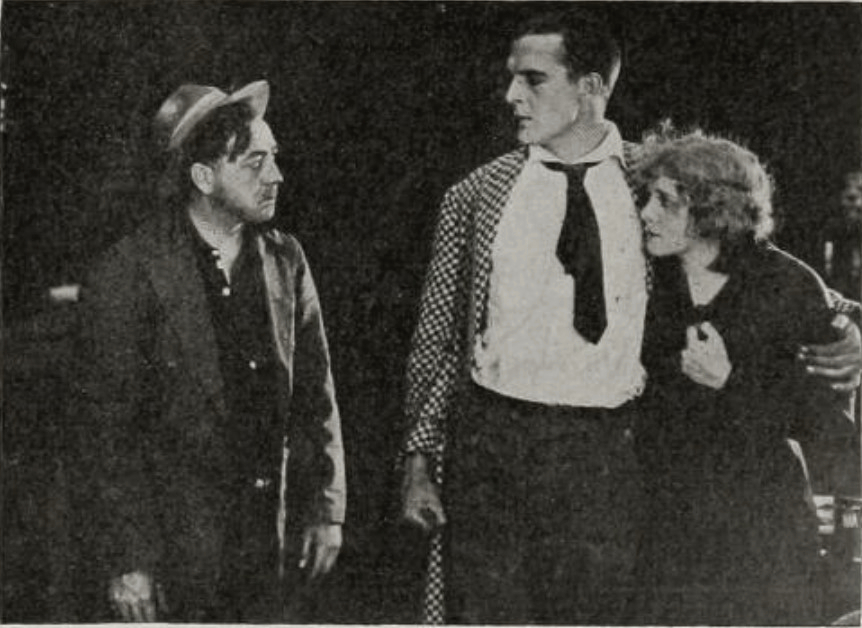
The dramatic tension reaches its zenith with Clyde’s inevitable return. His reappearance is not one of repentance, but of desperation, presumably to reclaim what he failed to steal or perhaps to escape further. This final act of folly seals his fate. It is the sheriff’s bullet, not Bob’s, that ultimately ends Clyde’s life. This resolution, while perhaps convenient from a narrative standpoint, serves a crucial purpose: it absolves Bob of the murder, revealing the full truth to Beth and lifting the crushing weight of suspicion and guilt. The irony is poignant; Clyde’s death, a consequence of his own incorrigible nature and a law enforcement action, ultimately clears the path for the lovers. It’s a dramatic, if somewhat deus ex machina, ending that was not uncommon in films of this period, providing a definitive closure to a complex web of deceit and misunderstanding, much like the decisive, if tragic, resolutions often found in films such as Greater Love Hath No Man.
The final moments of 'The World Apart' are devoted to the quiet triumph of love over adversity. With the truth revealed and the shadow of Clyde finally lifted, Bob and Beth are free to begin a new life together. It’s a resolution that feels earned, not just given. Their journey through suspicion, heartbreak, and unwavering affection culminates in a poignant affirmation of enduring human connection. The film doesn't shy away from the harsh realities of life and the difficult choices people are forced to make, but it ultimately champions the power of love and truth to prevail. This blend of gritty realism and hopeful romanticism is a delicate balance that 'The World Apart' manages to strike with remarkable dexterity.
'The World Apart' stands as a compelling example of early American silent cinema’s ability to weave intricate, emotionally charged narratives. It’s a film that, despite the constraints of its era, manages to explore complex moral dilemmas and the depths of human emotion with remarkable clarity. The performances, particularly from Barrows and Carpenter, transcend the limitations of silent acting, delivering characters that resonate with genuine feeling. The writing is tight, the pacing effective, and the dramatic payoff satisfying. For those interested in the evolution of cinematic storytelling, 'The World Apart' offers invaluable insight into how early filmmakers captivated audiences with compelling plots and powerful character arcs. It’s a testament to the universal appeal of stories about love, betrayal, and the enduring quest for truth.
While perhaps not as widely known as some of its contemporaries, 'The World Apart' holds a significant place in the historical tapestry of film. It demonstrates the technical and artistic ambitions of filmmakers in the early 20th century, proving that even without synchronized sound, cinema possessed an undeniable power to move and engage. Its themes of moral accountability, the burden of secrets, and the redemptive power of love are timeless, ensuring that this silent drama continues to speak volumes to modern audiences, much like the enduring appeal of profound character studies in films such as Cy Whittaker's Ward or the dramatic intensity of The Call of the Cumberlands. It's a film that deserves to be rediscovered, appreciated not just for its historical value, but for its intrinsic merits as a piece of compelling dramatic art.
IMDb 6.3
1930
Community
Log in to comment.