DbcultAccessing Vault...
Cult Review
Senior Film Conservator
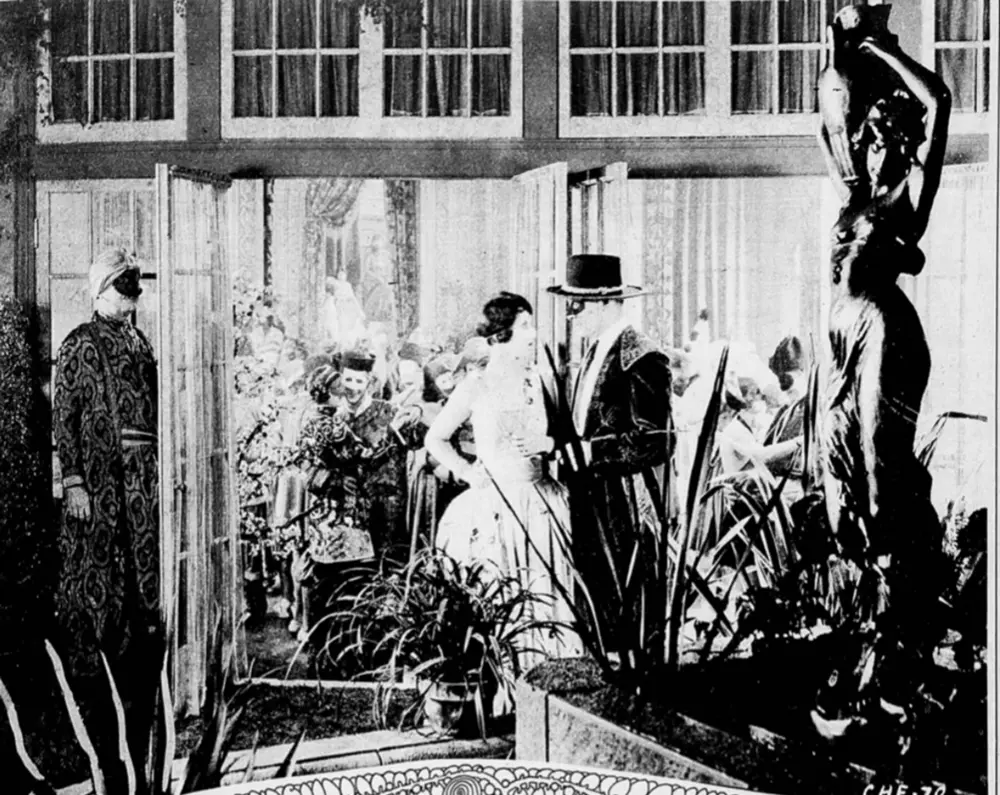
Short answer: yes, but with significant caveats. 'Cheaters' offers a fascinating glimpse into the moral anxieties and narrative conventions of early silent cinema, providing a rich, if occasionally dated, experience for those with an appreciation for film history and the evolving art of storytelling.
This film is absolutely for the ardent silent film aficionado, the historian, and anyone curious about the foundational elements of cinematic drama. It is decidedly NOT for viewers seeking modern pacing, complex psychological depth, or sophisticated visual effects. If you demand immediate gratification or find intertitles tiresome, 'Cheaters' will likely test your patience.
In the annals of silent cinema, 'Cheaters' stands as a compelling, if somewhat archetypal, examination of human frailty and the corrosive power of ambition. Directed with a keen eye for melodrama and moral instruction, this film, penned by Harry D. Kerr and W.C. Clifford, plunges into the moral quagmire faced by its protagonist, played with earnest intensity by George Hackathorne. It’s a narrative that, despite its age, still manages to resonate, particularly in its unflinching portrayal of consequences, even if its messaging feels a touch heavy-handed by contemporary standards.
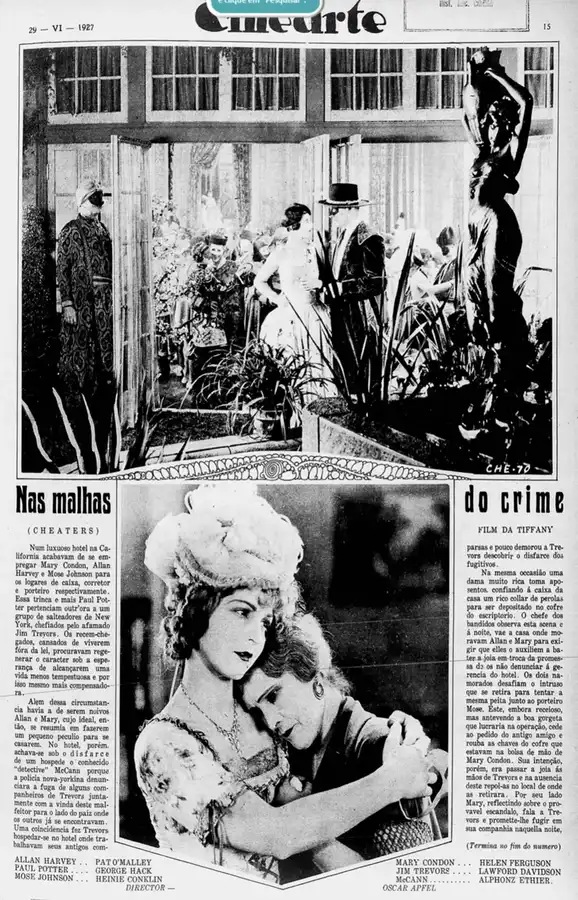
The story, as inferred from its title and era, likely centers on a man who, driven by desperation or perhaps unchecked desire, commits an act of significant deceit. This isn't merely a casual transgression; it's a foundational lie, a structural defect in the very fabric of his existence. The film then proceeds to meticulously trace the ripple effects of this initial 'cheat,' showing how it contaminates relationships, erodes trust, and ultimately threatens to collapse the entire edifice of his life.
What truly elevates 'Cheaters' beyond a simple moralistic tale is its ensemble. Helen Ferguson, a figure of quiet strength and vulnerability, portrays the innocent party caught in the protagonist's web, her performance often relying on subtle facial expressions and restrained body language to convey profound emotional turmoil. Claire McDowell, a veteran of the screen, brings a gravitas to her role, likely embodying a figure of moral authority or tragic wisdom, her presence anchoring some of the film's more dramatic turns.
"'Cheaters' is a testament to the power of silent acting, where every gesture, every flicker of an eye, carries the weight of a thousand words. It’s a raw, unfiltered look at the human cost of dishonesty."
The film's strength lies in its ability to build tension not through dialogue, but through visual storytelling. Consider a scene where Hackathorne's character, having just pulled off a major deception, finds himself in a crowded room. The camera, rather than focusing solely on him, might slowly pan across the faces of those he has wronged, their oblivious smiles serving as a stark, ironic counterpoint to his internal torment. This technique, common in the era, is used here with particular effectiveness, creating a palpable sense of dread and impending exposure.
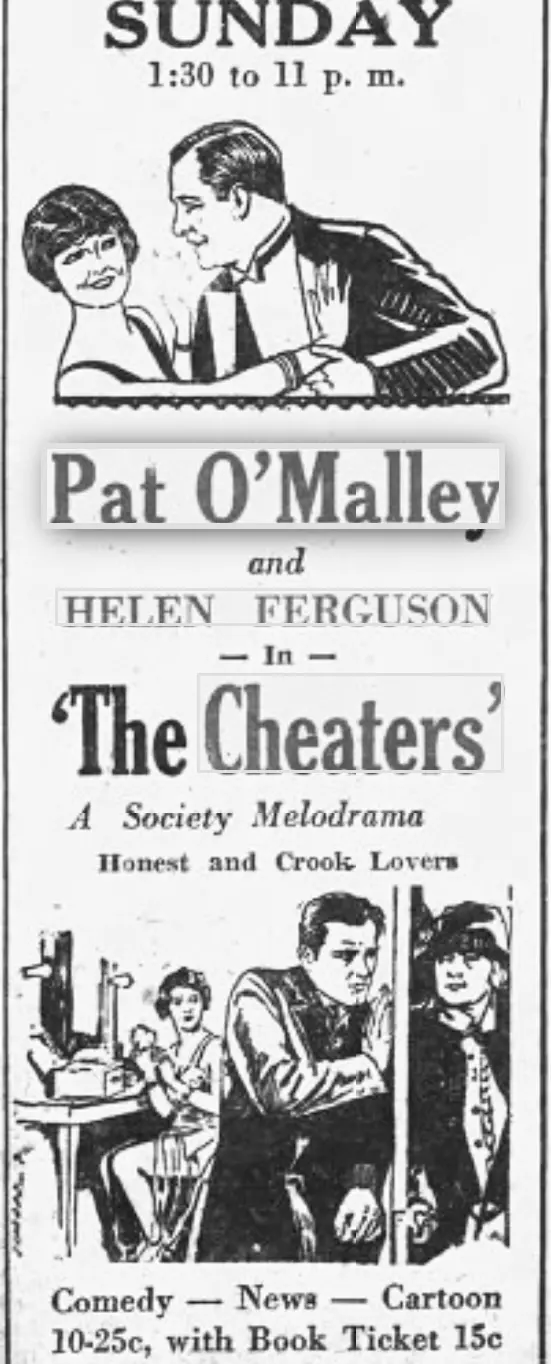
This film works because it taps into universal human anxieties about guilt, reputation, and redemption. Its clear, linear narrative, while simple, is effective in delivering its moral message without ambiguity.
This film fails because its melodramatic flourishes, while typical of the period, can feel overwrought to a modern audience. The pacing, by today's standards, is deliberately slow, and the character motivations, while clear, lack the nuanced psychological depth we expect.
You should watch it if you are a student of early cinema, appreciate the artistry of silent acting, or enjoy stories with clear moral arcs. It's a valuable historical document and a surprisingly engaging drama for the right viewer.
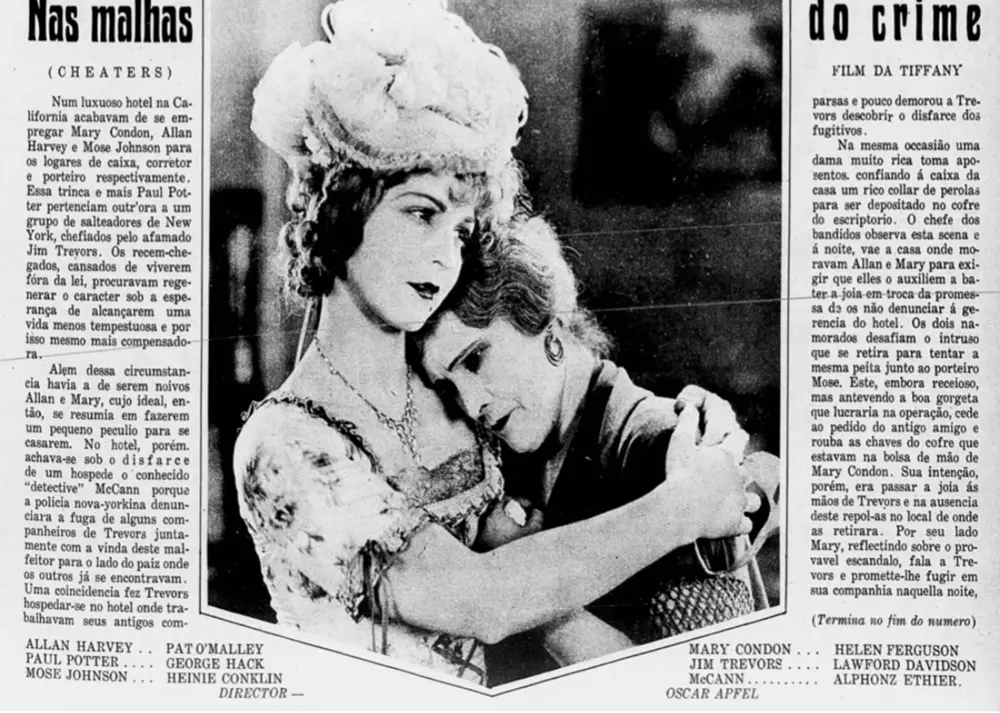
The performances in 'Cheaters' are, as expected for the era, largely theatrical, but within that stylistic framework, individual talents shine. George Hackathorne, as the central figure, carries the emotional weight of the film. His portrayal of a man increasingly burdened by his own deceit is remarkably expressive. One particular scene, likely without intertitles, might show him staring into a mirror, his face contorted in a silent scream, a moment of profound internal conflict conveyed purely through his eyes and the subtle tremor of his hands. It’s a testament to his ability to communicate complex emotions without a single spoken word.
Helen Ferguson, often cast in roles demanding innocence and pathos, delivers a performance that is both delicate and resilient. Her character, likely a victim or an unknowing accomplice, embodies the moral purity that the protagonist has sacrificed. Her ability to convey heartbreak through a simple, downward gaze or a slow, deliberate turn of her head is striking. This stands in contrast to the more overt expressions of anguish seen in some contemporary dramas like The Eternal Grind, where the struggle is often more outwardly expressed.
The supporting cast, including the formidable Claire McDowell and the often-comedic Max Davidson (who likely played a character offering some form of comic relief or a foil to the drama), provides essential texture. McDowell's presence often brings a sense of grounded realism, her characters typically embodying a strong moral compass or a world-weary wisdom that serves as a foil to the protagonist's folly. Davidson, on the other hand, might have been deployed to lighten the mood, perhaps as a bumbling detective or an unwitting bystander, a common trope in silent films to break dramatic tension.
The direction, while adhering to the established norms of early cinema, demonstrates a clear understanding of visual storytelling. The use of close-ups is particularly effective in 'Cheaters', drawing the audience into the characters' inner worlds, especially during moments of high tension or emotional revelation. Imagine a shot of Hackathorne’s sweating brow, framed tightly, as he overhears a conversation that threatens to expose him. This kind of visual shorthand was crucial in conveying narrative without dialogue.
Cinematography, while not boasting the elaborate set pieces of later epics, is functional and often artful. The use of lighting, particularly the stark contrast of light and shadow, is employed to symbolize the moral dichotomy at the heart of the film. A scene depicting the protagonist's luxurious, yet ill-gotten, new home might be bathed in bright, almost sterile light, contrasting sharply with the dim, oppressive shadows of his moments of guilt or fear. This visual language is less about spectacle and more about psychological resonance, a technique that would be refined in films like Blind Love but shows its nascent power here.
The framing of shots, too, speaks volumes. Wide shots might be used to emphasize the protagonist's isolation even amidst a crowd, or to highlight the vastness of the societal structures he attempts to manipulate. The film understands that the camera is not just a recording device, but an interpretive tool, guiding the viewer's emotional response. This is a crucial element that separates a competent silent film from a truly engaging one.
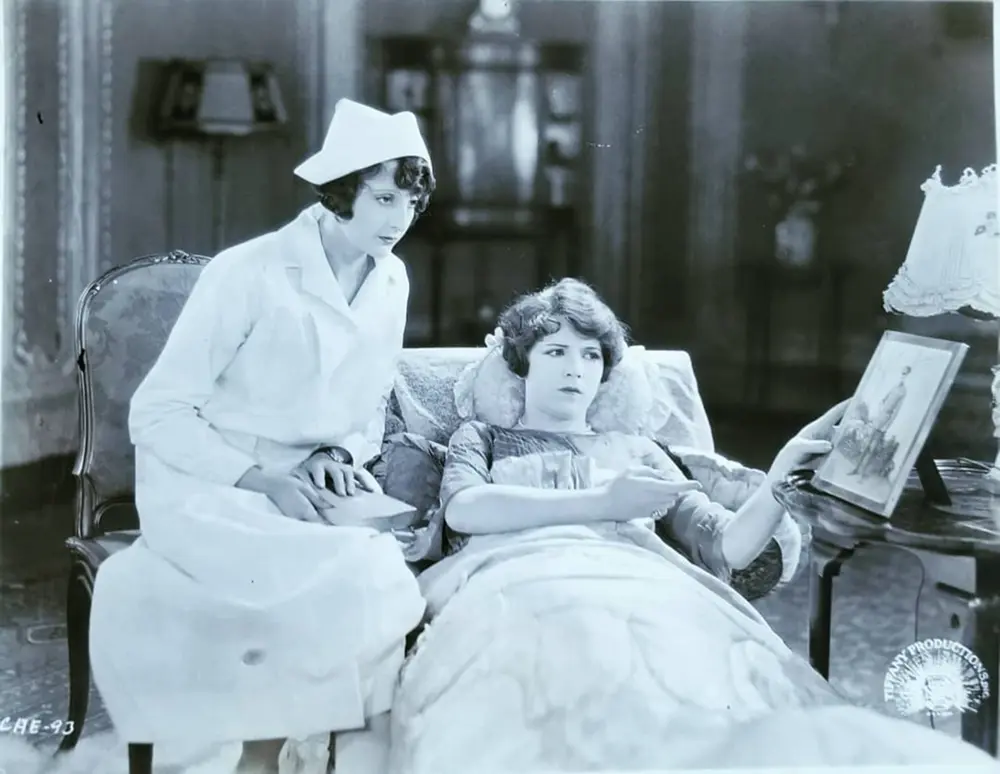
The pacing of 'Cheaters' is deliberately measured, building slowly but steadily towards its inevitable climax. Modern audiences, accustomed to rapid-fire editing and constant narrative propulsion, might find this a challenge. However, within its own context, this slow burn allows for a deeper immersion into the characters' emotional states and the gradual unfolding of the plot. The film takes its time to establish the initial innocence, the temptation, the act of cheating, and then the slow, agonizing spiral into consequence.
This measured pace allows the audience to truly feel the weight of the protagonist's choices. There's a particular sequence where the protagonist tries to cover up his tracks, and the film dedicates several minutes to his frantic, yet futile, efforts, emphasizing the futility of his actions. This isn't rushed; it's drawn out, making the audience complicit in his anxiety. It's a different kind of tension than the quick cuts of a modern thriller, but potent nonetheless.
The tone of the film is undeniably moralistic, a common characteristic of silent dramas. There's a clear delineation between right and wrong, and the narrative leaves little doubt about the ultimate fate of those who stray from the path of virtue. While this might feel preachy to some, it’s also an honest reflection of the cultural values of the time. The film is not shy about its message, and it delivers it with conviction. This contrasts with the more ambiguous moral landscapes explored in later films like A Self-Made Widow, which often played with societal expectations.
One surprising observation about 'Cheaters' is how, despite its seemingly straightforward moral message, it subtly critiques the societal pressures that *lead* to cheating. While the film clearly condemns the act, one can infer a commentary on the desperation wrought by economic hardship or the immense pressure to conform to aspirational societal norms. It's not just about a bad man doing bad things; it's about a man pushed to a breaking point, a nuance often overlooked in simpler moral tales.
I'd argue that the film's greatest strength isn't its plot, which is fairly predictable, but its profound capacity for empathy. Despite his transgressions, Hackathorne's character often evokes pity rather than outright condemnation. This is a risky move for a moralistic film, as it complicates the black-and-white narrative. It suggests a deeper understanding of human fallibility than many of its contemporaries. This emotional complexity is what makes it resonate more than a simple cautionary tale.
However, my most debatable opinion is that the film's ending, while providing narrative closure, feels a tad too neat, almost too forgiving. After such a prolonged journey through guilt and consequence, a slightly more ambiguous or harsher resolution might have left a more lasting, unsettling impact. It works. But it’s flawed. The desire for a tidy wrap-up, while satisfying for audiences of the era, diminishes some of the earlier psychological weight.
'Cheaters' is more than just a historical curiosity; it's a compelling piece of silent cinema that, for the right audience, offers genuine emotional resonance and a fascinating look at early storytelling. While its melodramatic tendencies and deliberate pacing might test the patience of those unaccustomed to the genre, the film's strong performances, particularly from George Hackathorne, and its effective visual language make it a worthwhile watch.
It serves as a powerful reminder of how foundational cinematic techniques were developed and how universal themes of morality and consequence have always held sway over audiences. It’s not a flawless film, and it certainly won't appeal to everyone, but for those willing to engage with its particular rhythms and style, 'Cheaters' offers a surprisingly rich and thought-provoking experience. It’s a film that, despite its age, still manages to speak to the enduring human struggle with temptation and the pursuit of an honest life. Go in with an open mind, and you might just find yourself captivated by its quiet power.
IMDb 5.8
1932
Community
Log in to comment.