DbcultAccessing Vault...
Cult Review
Senior Film Conservator
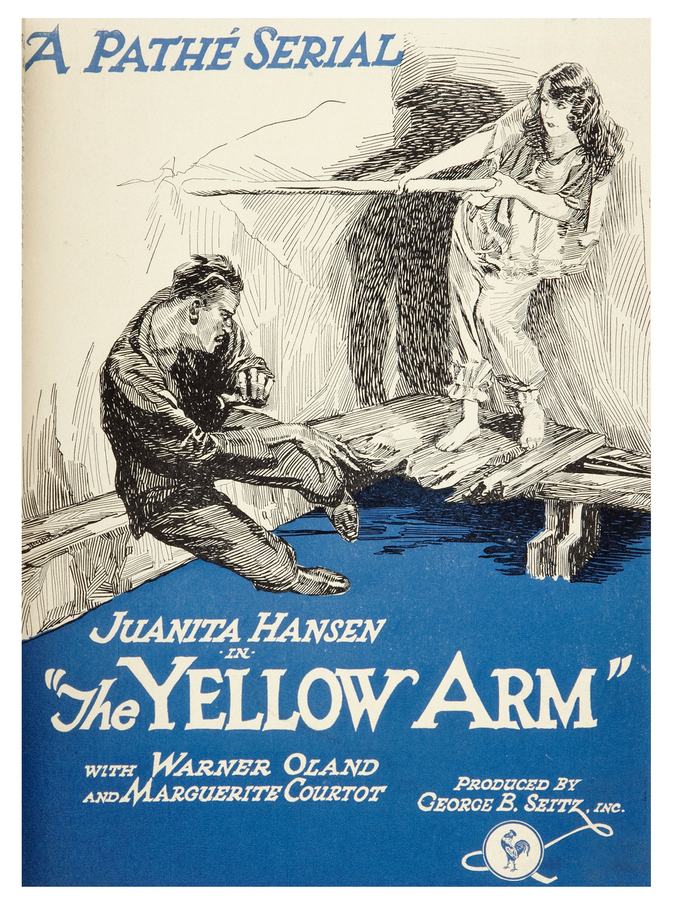
The Yellow Arm, a film shrouded in mystery, presents a narrative that is as captivating as it is complex. With a cast that includes Tom Keith, William Bailey, Marguerite Courtot, Juanita Hansen, Warner Oland, Stephen Carr, Al Franklin Thomas, and a script penned by James Shelley Hamilton, the stage is set for a cinematic experience that delves deep into the human condition. As the story unfolds, themes of deception, loyalty, and the unyielding pursuit of truth emerge, each layer meticulously crafted to keep the viewer engaged and guessing.
One of the standout aspects of The Yellow Arm is its ability to balance multiple plot threads, each with its own unique pace and tension. This is reminiscent of films like Wolf Lowry, where the narrative is driven by a mix of action, suspense, and character development. However, The Yellow Arm distinguishes itself through its focus on the psychological aspects of its characters, delving into their motivations and the emotional turmoil they face. This depth is akin to what is seen in His Blooming Bloomers, though The Yellow Arm adopts a much darker and more serious tone.
The cinematography of The Yellow Arm is noteworthy, with scenes shot in a style that blends the realism of documentaries like the Stecher-Caddock Wrestling Match with the dramatic flair of feature films. This blend creates a visually striking experience, where the starkness of reality is infused with the emotional depth of fiction. The use of lighting, in particular, is striking, with shadows often symbolizing the unknown or the unspoken, much like in A Man of Sorrow.
The themes of family, loyalty, and the struggle for survival are omnipresent in The Yellow Arm, echoing films like We'll Take Her Children in Amongst Our Own. However, The Yellow Arm explores these themes through a lens of mystery and suspense, creating a narrative that is both gripping and emotionally resonant. The character development is multifaceted, with each character bringing their own set of complexities to the story, much like the nuanced portrayals seen in Pro domo, das Geheimnis einer Nacht.
The Yellow Arm also touches on the societal norms and expectations of its time, particularly in how it portrays the roles of women and the dynamics of relationships. This is an area where it shares some common ground with films like Das Frauenhaus von Brescia and The Man Hater, though it approaches these themes with a unique perspective that is both thought-provoking and deeply engaging.
In comparison to other films of its era, such as A Marked Man and Lolita, The Yellow Arm stands out for its intricate plot and the way it weaves together elements of mystery, suspense, and drama. The film's pacing is well-balanced, moving seamlessly from moments of high tension to scenes of introspective calm, a feat also achieved in Baron Olson. This balance is crucial in maintaining the viewer's interest and emotional investment in the story and its characters.
The Yellow Arm concludes on a note that is both satisfying and thought-provoking, leaving the viewer to ponder the themes and characters long after the credits roll. This lingering impact is a testament to the film's success in crafting a narrative that is not only engaging but also resonant. In the realm of cinematic experiences, The Yellow Arm is a gem that, despite being lesser-known, shines brightly alongside other classics like Who Shall Take My Life? and Maddalena Ferat. For those who appreciate a complex, suspenseful story with deep character insights, The Yellow Arm is a must-see, offering a cinematic journey that is as rewarding as it is unforgettable.
In the broader context of cinematic history, The Yellow Arm can be seen as a precursor to more modern thrillers and suspense films, laying the groundwork for the complex, layered storytelling that is prevalent today. Its influence can be traced through films like Dorian's Divorce and Wings of the Morning, which also explore themes of relationships, deception, and the human condition, albeit in different contexts and settings.
IMDb —
1919
Community
Log in to comment.