DbcultAccessing Vault...
6.3/10
Senior Film Conservator
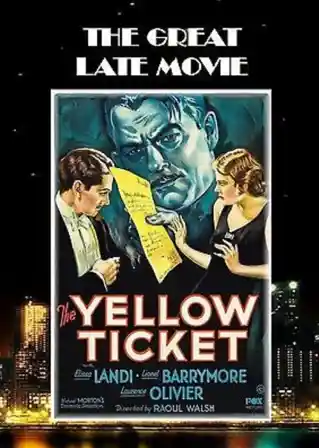
A definitive 6.3/10 rating for a film that redefined the boundaries of cult cinema. The Yellow Ticket remains a cornerstone of transgressive art.
So, you're thinking about diving into a 1931 movie, huh? The Yellow Ticket might just be your ticket if you’re into early sound-era drama, especially if you like watching actors like a young Laurence Olivier and Boris Karloff before they were the Laurence Olivier and Boris Karloff.
If you need explosions or lightning-fast plot twists, though, you’ll probably find this one a real snooze. It's a heavy melodrama, for sure, with a pace that's definitely from another time.
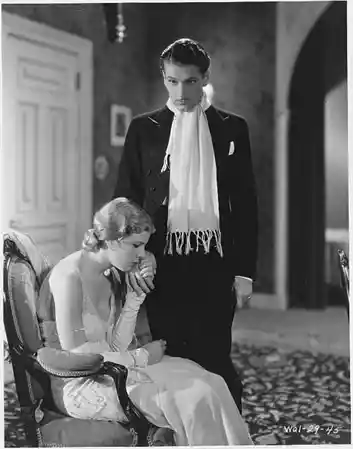
The whole thing is set in Czarist Russia, which already tells you it’s not going to be a laugh riot. Elissa Landi plays Marya, a young woman who ends up in one of those awful situations where she has to get a "yellow ticket" to live in the city. Basically, it labels her as a prostitute. Rough stuff, right from the start.
Landi’s performance is the real anchor here. She’s got this quiet intensity, a kind of weary strength that just comes through her eyes. You really feel for her character, Marya, even when the dialogue feels a bit... stagey. Which, let’s be honest, a lot of early talkies did.
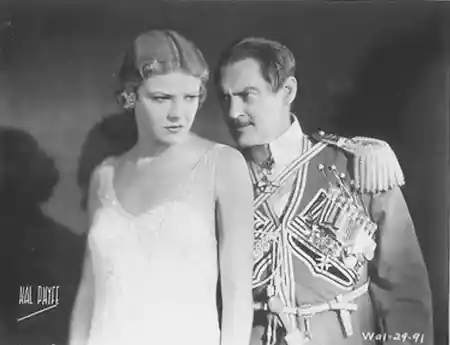
Then there’s Laurence Olivier. He's Julian, a British journalist snooping around for a big story about social injustices. He’s very young here.
You can see flashes of the great actor he’d become, but he’s also a bit stiff. Sometimes his reactions feel a beat off, like he’s still figuring out how to act for the camera and the microphone at the same time. Still, it’s cool to see him.
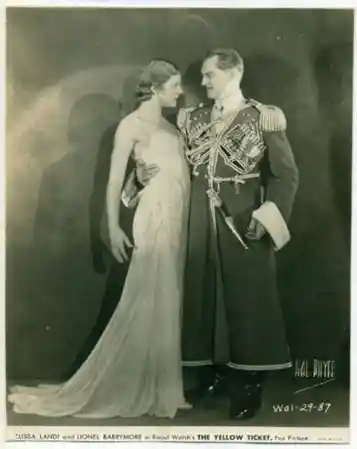
And Boris Karloff! He pops up as a menacing character named Kalmar. You just know he's bad news the second he walks into a room.
His presence is so naturally creepy, even in this relatively small role. He doesn't need to do much; his eyes just do it. You remember him from Thunderbolt, right? Always a great villain.
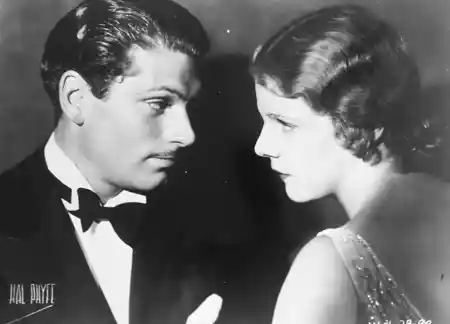
The plot itself revolves around Marya revealing some pretty dark secrets about the system to Julian. This puts both of them in danger, naturally. There are a few scenes where you actually feel the tension, particularly when they’re trying to escape a sticky situation. The stakes feel real enough.
What really stood out, beyond the acting, was how they handled the historical setting. The streets, the costumes, the general atmosphere – it really pulls you into that world. Even with the slightly wobbly sound, you get a sense of the oppressive environment Marya is stuck in. The details in the background sometimes tell more of a story than the actual lines.
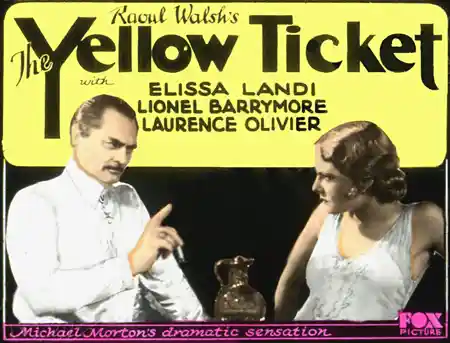
Now, about that pacing. It’s slow. Very slow. There are moments where the camera just sits, watching someone think, or walk, or just be. It’s not necessarily bad; it gives you time to absorb things. But if you're used to modern editing, it’s a whole different beast. You can almost feel the movie taking its time, letting the silence hang.
One scene, I think it was in a library, where Julian is talking with Marya, really stuck with me. The way the light hit them, and the hushed tones – it felt genuinely intimate. Then again, there are other moments that just drag. Like, really drag. You find yourself checking the runtime. 🙄
The film isn't afraid to be bleak, either. It doesn't sugarcoat Marya's situation. This isn't some happily-ever-after
IMDb 5.6
1931
Community
Log in to comment.