DbcultAccessing Vault...
Cult Review
Senior Film Conservator
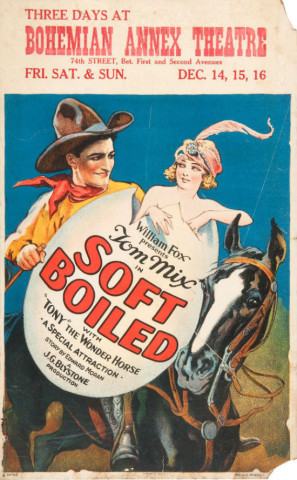
Stepping back into the annals of cinematic history, we encounter ‘Soft Boiled’, a fascinating artifact from 1923 that showcases the inimitable talents of Tom Mix, a true icon of the silent screen. This isn't merely a film; it's a vibrant, kinetic tapestry woven with threads of slapstick, moral quandary, and an endearing human struggle against one's own nature. The premise, deceptively simple, unfurls into a rich narrative landscape, inviting us to ponder the very essence of character and the often-hilarious friction between instinct and expectation. It's a film that, even a century later, retains a remarkable freshness, a testament to its robust storytelling and the timeless appeal of its central conflict.
At its core, ‘Soft Boiled’ is a character study wrapped in a comedic Western shell. Tom Mix, as Tom Steele, is presented as a man whose heart is gold, but whose fists are quicker than a rattlesnake's strike. His uncle, John Steele, portrayed with a delightful blend of sternness and underlying affection by Frank Beal, issues an ultimatum that sets the entire plot into motion: curb that explosive temper, or wave goodbye to a substantial inheritance. This isn't just about money; it's about reputation, family honor, and perhaps, a deeper understanding of what it means to be a 'civilized' man in a world that still values grit. The thirty-day trial period becomes a crucible, testing not just Tom's self-control, but the very fabric of his identity.
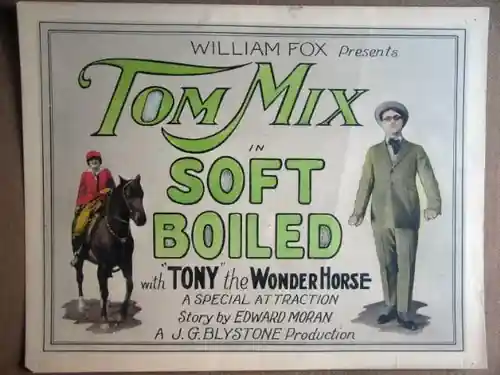
The genius of the film lies in its meticulous construction of provocations. Tom Steele isn't just prone to anger; he’s a magnet for it. The writers, John G. Blystone and Eddie Moran, demonstrate a keen understanding of comedic timing and human psychology, crafting scenarios that are both genuinely funny and excruciatingly tense. Imagine a man whose very livelihood depends on remaining serene, only to be constantly besieged by minor irritations escalating into outright insults. The moment a character utters the fateful phrase, 'lavender sissy-boy,' one can almost feel Tom Mix's internal struggle, a visible tremor of suppressed rage that is both sympathetic and uproarious. This particular trigger is brilliantly chosen, striking at the heart of masculine pride and societal expectations of the era.
Tom Mix’s performance is nothing short of masterful. Known primarily for his daredevil stunts and heroic cowboy roles, Mix here gets to flex a different kind of muscle: comedic restraint. His face, usually a canvas for resolute determination, becomes a battleground of warring emotions. We see the clenching of his jaw, the slight flaring of his nostrils, the subtle shift in his posture as he fights against every instinct to retaliate. It's physical comedy at its finest, conveying volumes without a single spoken word. The audience is invited into his internal monologue, a silent scream of frustration that makes his eventual explosions (or lack thereof) all the more impactful. His rapport with Tony the Horse, a frequent co-star, adds another layer of charm, as the loyal steed often seems to mirror Tom's moods, offering silent commentary on the unfolding drama.

The supporting cast adds considerable texture to this cinematic confection. Tom Wilson, with his robust presence, often serves as both an unwitting antagonist and a source of comic relief, embodying the very type of boorishness that sets Tom Steele off. Clarence Wilson, Joseph W. Girard, and Jack Curtis, among others, create a vibrant ensemble that populates Tom's world with an array of characters designed to push his buttons. Billie Dove and Patsy Walsh provide the romantic interest and feminine influence, perhaps offering a gentler path for Tom's self-improvement, though even their presence can inadvertently lead to new forms of vexation. Lee Shumway and Charles Hill Mailes round out a cast that collectively crafts a believable, if exaggerated, community where tempers flare and reputations are constantly at stake.
Direction by John G. Blystone is remarkably agile, balancing the comedic elements with moments of genuine tension. The pacing is brisk, never allowing the audience to dwell too long before the next challenge presents itself to Tom. Blystone understands the visual language of silent film, using exaggerated gestures, dramatic close-ups, and dynamic staging to convey emotion and advance the plot without relying on intertitles for every nuance. The action sequences, when they inevitably occur, are choreographed with Mix's signature athleticism, reminding us that even in a film about restraint, the thrill of the chase and the satisfaction of a well-earned punch are never far from the surface. This blend of character-driven comedy and thrilling action ensures that ‘Soft Boiled’ remains engaging from start to finish.
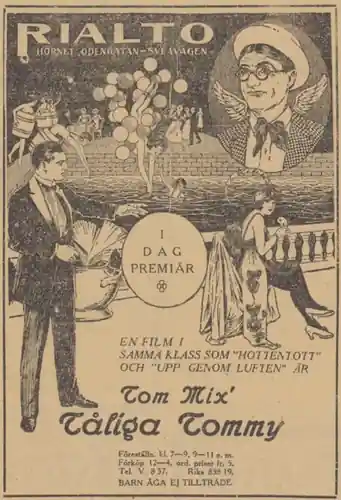
Thematic resonance is another strong suit of the film. Beyond the surface-level humor, ‘Soft Boiled’ delves into the age-old conflict between nature and nurture. Is Tom Steele destined to be a hothead, or can he truly reshape his personality through sheer force of will? This question resonates deeply, touching on universal experiences of self-improvement and the challenges of breaking ingrained habits. It also subtly critiques societal judgments, suggesting that a man's worth isn't solely defined by his ability to maintain a placid demeanor, but perhaps by his capacity for growth and his underlying decency, even when sorely tested. One might draw a parallel to the struggles of protagonists in films like The Majesty of the Law, where personal ethics clash with external pressures, albeit in a more dramatic, less comedic context.
In a broader cinematic context, ‘Soft Boiled’ stands as an excellent example of the silent era's sophisticated storytelling. It demonstrates how filmmakers of the time were adept at conveying complex emotions and intricate plots without dialogue, relying on visual cues, physical performances, and evocative musical scores (which, though lost to time for many silent films, were integral to their original presentation). It’s a testament to the power of pure cinema, where narrative clarity and emotional impact are achieved through the artistry of the moving image itself. Comparing it to another film that explores human resilience under duress, though in a vastly different genre, one might consider the internal battles fought by characters in something like The Cloister and the Hearth, where the tests are spiritual and emotional rather than purely physical.
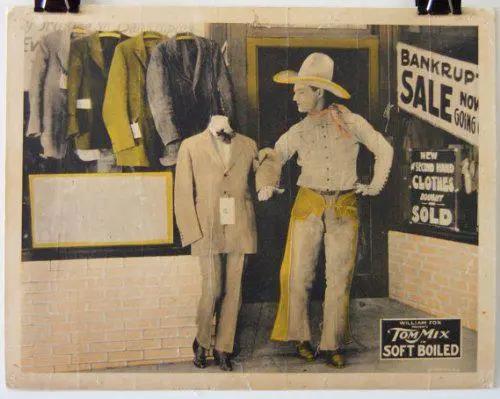
The film also offers a glimpse into the cultural sensibilities of the 1920s. The emphasis on 'manliness,' the specific insults chosen to provoke Tom, and the underlying societal expectations all speak volumes about the era. While some elements might feel dated, the core humor and the relatable human struggle transcend time. It’s a valuable piece for anyone interested in the evolution of comedy in film, showing how the foundations of character-driven humor were laid long before the advent of sound. The way the plot escalates, with each new challenge seemingly more absurd and difficult to overcome, is a blueprint for countless comedies that followed.
Furthermore, the film's title itself is a clever play on words, perfectly encapsulating the protagonist's predicament. Tom Steele is indeed 'soft boiled' in the sense that his hardened exterior is constantly under threat of cracking, revealing a core that is, for the duration of the trial, forced to be pliable. This linguistic nuance adds another layer of appreciation to the craft of the writers. It’s a succinct, memorable title that hints at the delightful tension within.
Consider the sheer physical commitment required from Tom Mix. His legendary status as a stuntman is well-documented, but here, the stunts are often emotional and psychological. The effort to *not* fight, to *not* react, is arguably more demanding than executing a daring leap from a moving train. It’s a performance of internal acrobatics, making his portrayal of Tom Steele deeply compelling. This nuanced approach to a traditionally action-oriented star adds significant depth to the film, showcasing his versatility beyond mere heroics. One could even argue that the self-imposed restraint in ‘Soft Boiled’ is a different kind of heroism, a battle fought within the confines of one's own temperament, much like the subtle yet profound character arcs found in some quieter dramas, though ‘Soft Boiled’ delivers it with a punch.
In conclusion, ‘Soft Boiled’ is more than just a historical curiosity; it’s a vibrant, entertaining, and surprisingly insightful film. It champions the enduring appeal of a well-crafted premise, strong characterization, and the timeless comedic power of human foibles. For fans of silent cinema, Tom Mix, or simply good old-fashioned storytelling, this film offers a delightful journey back to an era where visual narrative was king. It reminds us that sometimes, the greatest battles are fought not with fists, but with an iron will against our own impulses. It’s a film that leaves you with a smile, a chuckle, and perhaps a moment of reflection on your own 'soft spots.'

IMDb 5.1
1931
Community
Log in to comment.