DbcultAccessing Vault...
6.6/10
Senior Film Conservator
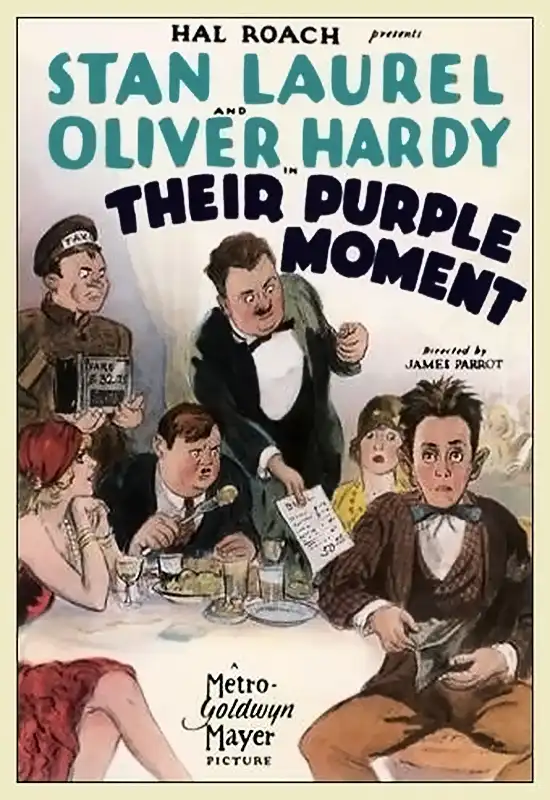
A definitive 6.6/10 rating for a film that redefined the boundaries of cult cinema. Their Purple Moment remains a cornerstone of transgressive art.
If you are a devotee of Laurel and Hardy, Their Purple Moment is an essential piece of the puzzle. It captures the duo at a point where their onscreen dynamic was fully formed but their narrative structures were still leaning heavily on the broad, slapstick tropes of the late 1920s. For the casual viewer, it’s a charming twenty-minute diversion that perfectly illustrates the 'scared of the wife' subgenre of silent comedy. It isn't quite as tight as their later masterpieces like The Music Box, but the restaurant sequence alone makes it worth a look. Those who dislike the repetitive nature of silent-era domestic gags might find it a bit dated, but the physical chemistry between the leads remains undeniable.
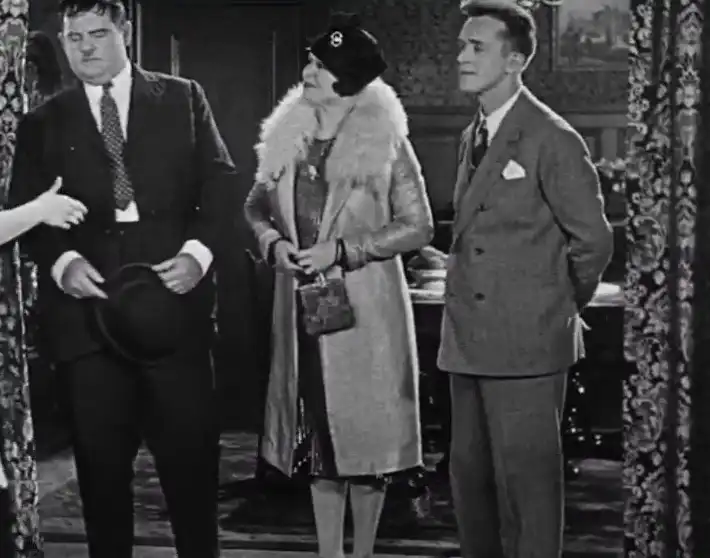
The film opens with a sequence that feels deeply familiar to anyone who has spent time in the world of Hal Roach comedies: the henpecked husband. Stan is seen carefully hiding money in his shoe while his wife, played with a terrifyingly stern gaze by Fay Holderness, monitors his every move. The way Stan winces as he walks on the hidden coins is a small, concrete detail that sells the physical discomfort of his petty rebellion. Ollie, meanwhile, is the 'mastermind,' though his confidence is, as always, entirely unearned.
What works here is the silence. Without dialogue, we rely entirely on Stan’s frantic blinking and Ollie’s signature camera look—that breaking of the fourth wall that invites the audience into his frustration. There is a specific moment when Ollie discovers Stan has lost the money and replaced it with coupons; the slow realization on Hardy’s face, transitioning from smug satisfaction to cold dread, is a masterclass in comic timing that doesn't need a single title card to explain.
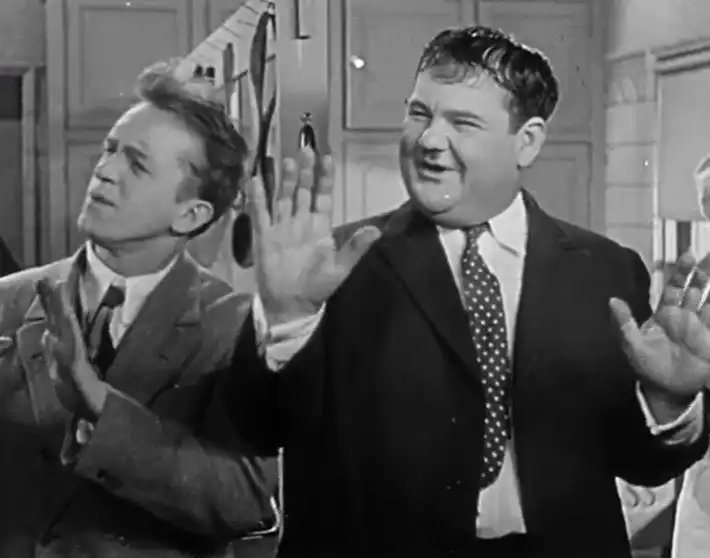
The meat of the film takes place in a high-end restaurant, a setting that Laurel and Hardy always used effectively to highlight their characters' lower-middle-class awkwardness. After picking up two girls (Kay Deslys and Anita Garvin) at a bowling alley, the boys find themselves in over their heads. The visual of Stan trying to look sophisticated while sitting in a booth that seems slightly too small for him is classic Laurel.
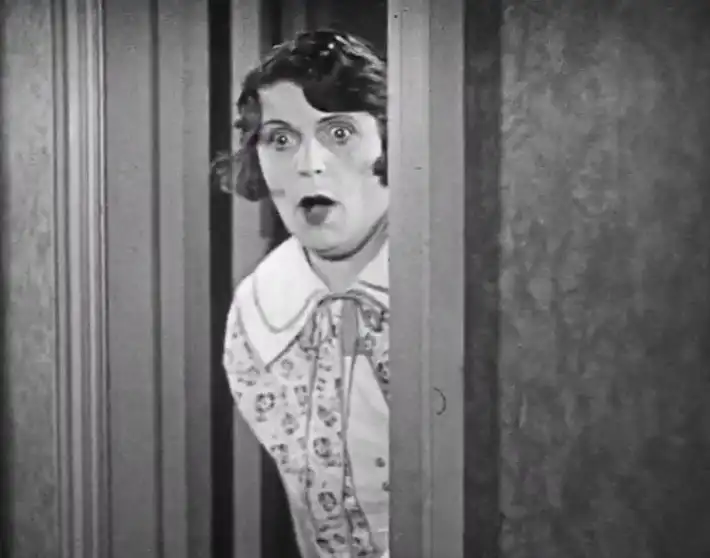
The tension builds through the arrival of the waiter, played by the perpetually unimpressed Tiny Sandford. Sandford is the perfect foil here; he doesn't do much, but his looming presence over the table makes the boys' realization about the 'coupon' money feel genuinely high-stakes. There is a great, awkward bit of business where Stan keeps pulling out the coupons and trying to pass them off as currency, only for Ollie to shove them back into Stan's pocket with increasing violence. The rhythmic repetition of this—pull, shove, pull, shove—is a hallmark of Stan Laurel’s editing style.
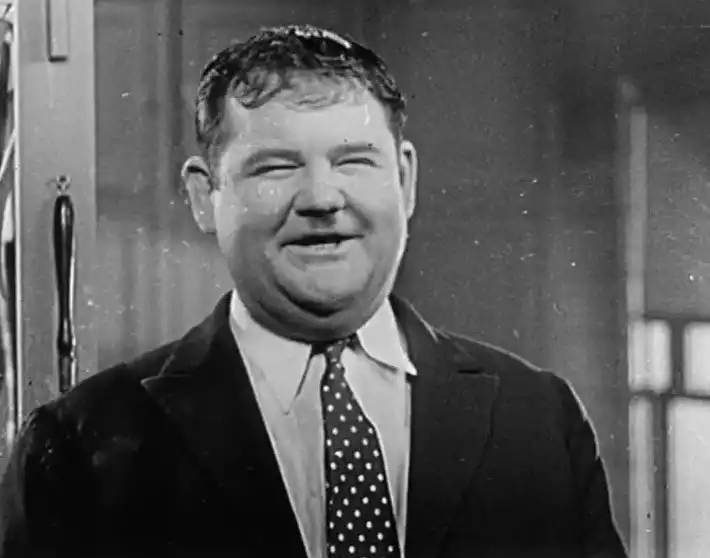
Visually, Their Purple Moment is standard for its time, but there are some interesting choices in the restaurant. The lighting is relatively flat, but the use of deep space allows us to see the wives lurking in the background of the shot long before Stan and Ollie notice them. This creates a sense of dramatic irony that fuels the second half of the short. We aren't just waiting for the boys to realize they are broke; we are waiting for them to realize they are being hunted.
However, the pacing does stumble in the middle. The transition from the bowling alley to the restaurant feels a bit abrupt, and the flirtation with the two women is handled with a generic quality that lacks the specific character quirks we see in the boys. The women are there mostly as props to escalate the bill, and their reactions to the unfolding chaos are somewhat one-note.
The film ends in a kitchen-based melee that feels like a precursor to the legendary pie fights the duo would later perfect. While it doesn't reach the operatic heights of The Battle of the Century, the messiness is tangible. The sight of Ollie being hit with various food items is a visceral payoff to his earlier arrogance. One specific detail I noticed: when the food starts flying, the extras in the background of the kitchen seem genuinely surprised by the trajectory of a few stray plates, leading to some unscripted-looking flinching that adds a layer of reality to the staged mayhem.
The final shot—the boys being chased away by their wives—is predictable, but it grounds the film in its central theme: no matter how 'purple' the moment, the domestic reality is always waiting to snap back.
Their Purple Moment isn't the funniest film Laurel and Hardy ever made, but it is a highly functional comedy that showcases why they became icons. It relies on a very human fear—being caught in a lie while having no way to pay for it—and pushes it to a ridiculous extreme. It’s a solid recommendation for fans of the era and a decent companion piece to other Roach shorts like Buster's Frame Up, though it possesses a more cynical edge regarding marriage and money. If you have twenty minutes and want to see two masters of the craft navigate a social nightmare, this is a fine way to spend them.
IMDb 6.5
1922
Community
Log in to comment.