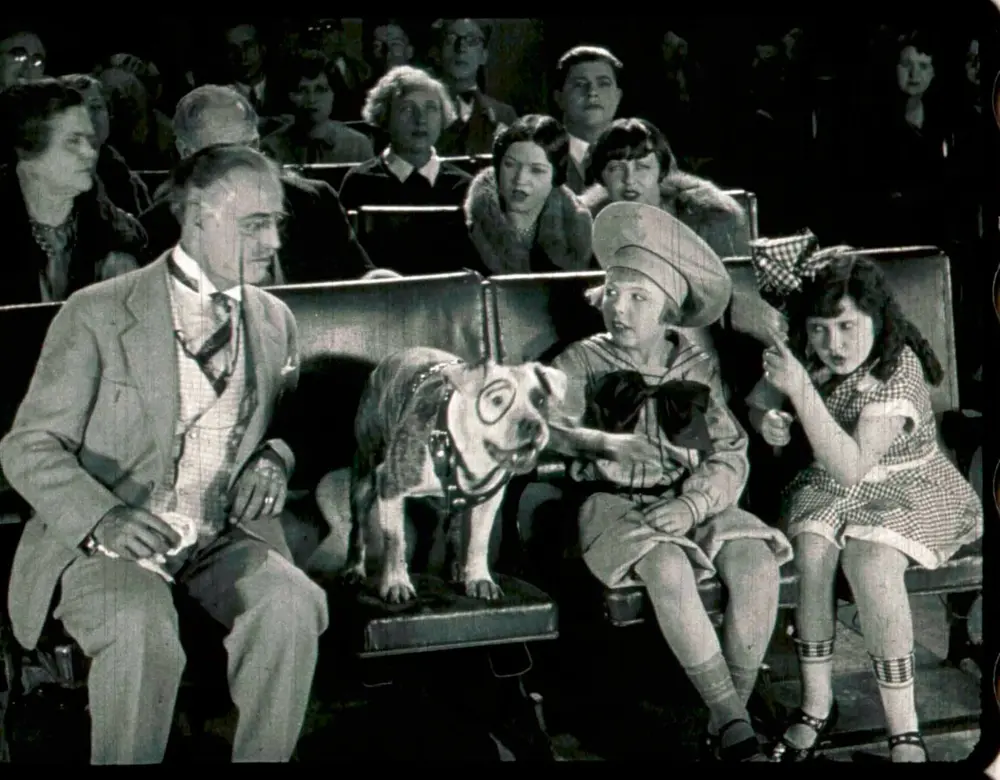
Short answer: only if you are a film historian or a fan of early comic strip adaptations. For the general viewer, the pacing is too deliberate and the gags too dated to provide modern entertainment value. This film is for silent era completists who want to see the roots of the 'mischievous kid' trope. It is NOT for any...
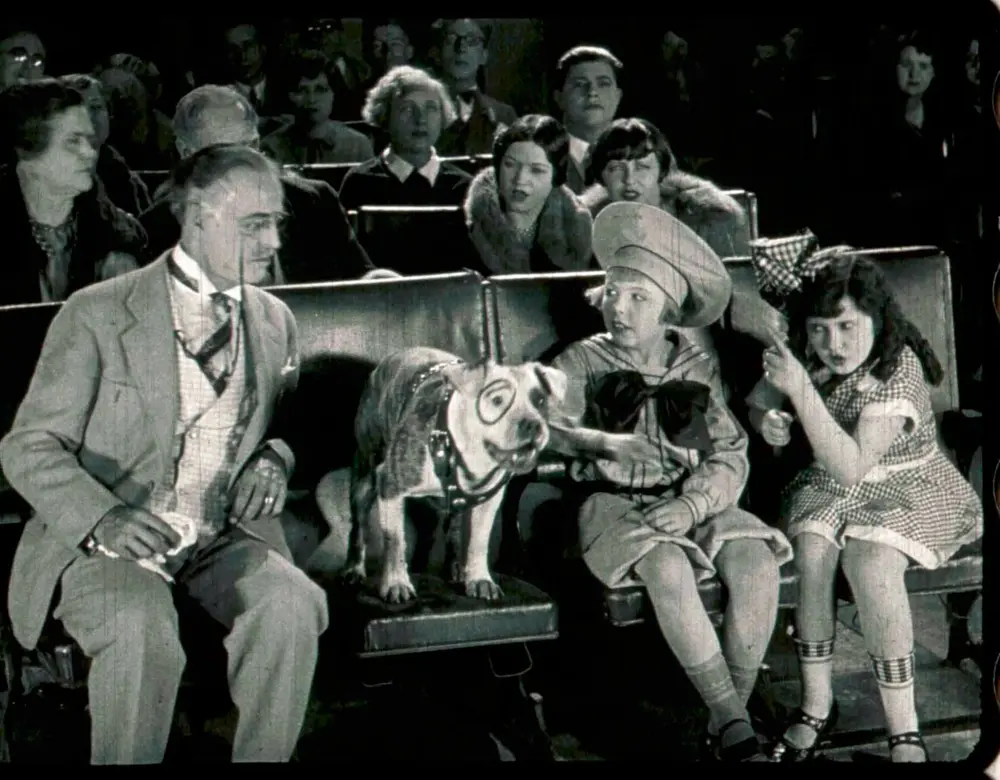
still_frame
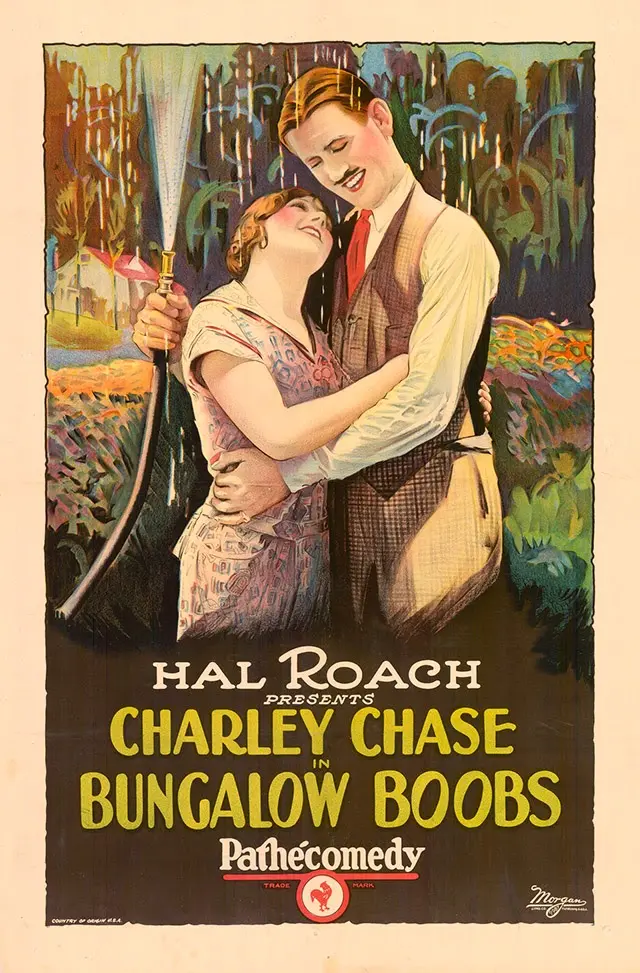
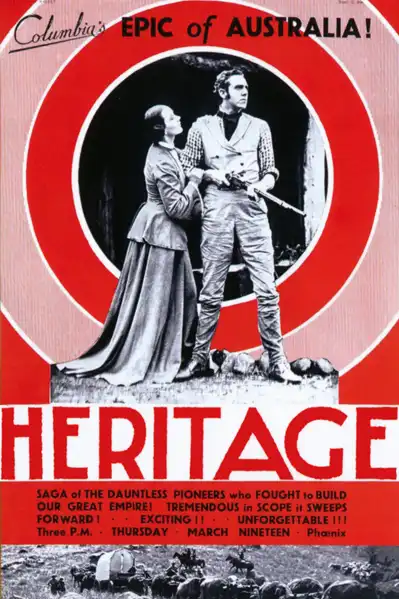
Comparing the cinematic DNA and archive impact of two defining moments in cult history.
Gus Meins
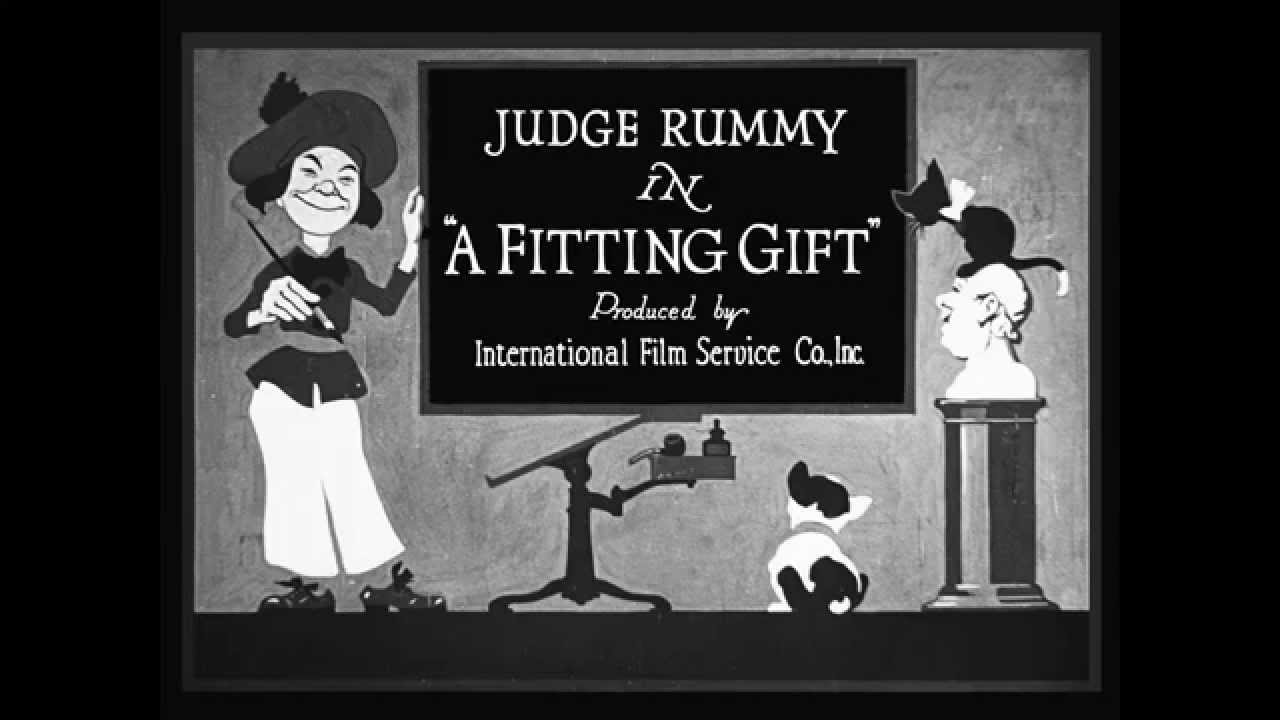
Unknown Director
Community
Log in to comment.
"Short answer: only if you are a film historian or a fan of early comic strip adaptations. For the general viewer, the pacing is too deliberate and the gags too dated to provide modern entertainment value. This film is for silent era completists who want to see the roots of the 'mischievous kid' trope. It is NOT for anyone looking for the sophisticated visual storytelling of late silent-era masterpieces. Is Buster's Frame Up worth watching today? Buster's Frame Up is worth watching primarily as a..."