DbcultAccessing Vault...
6.3/10
Senior Film Conservator
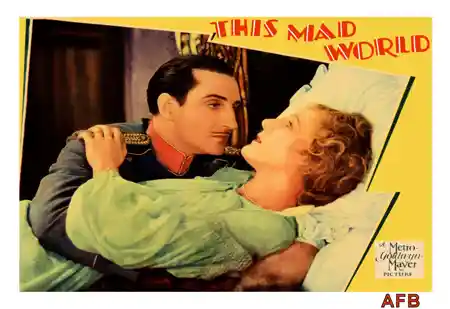
A definitive 6.3/10 rating for a film that redefined the boundaries of cult cinema. This Mad World remains a cornerstone of transgressive art.
Okay, so This Mad World. Is it worth digging up today? Probably not for everyone. It’s a curious little spy drama from 1929, right when movies were figuring out how to talk. If you’re into that specific, awkward historical moment in cinema, or you’re a big fan of early Basil Rathbone, then yeah, give it a shot. Otherwise, you might find yourself a bit lost in its quiet, theatrical rhythm. It’s definitely not for folks who need quick pacing and clear motivations. 😬
The setup itself is pretty neat, actually. Paul Parisot, played by Tibor von Janny, is a French spy in World War I. He’s back home on a secret mission to see his mother. But, surprise, a German general's wife, Victoria (Kay Johnson), is staying at his place. That's a juicy premise, right? Two enemies under one roof.
Victoria figures out Paul's a spy. And Kay Johnson plays this with a fascinating mix of suspicion and something else... almost like she's intrigued. You can practically see the wheels turning in her head. She's supposed to be waiting for her husband, but he keeps not showing up. That really gets her going.
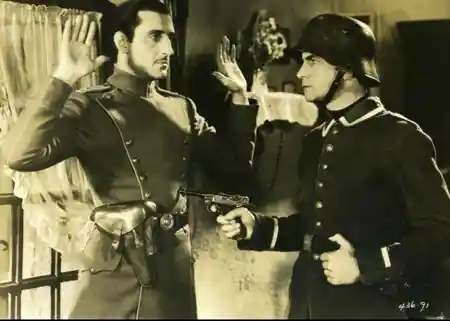
When the general can't make it, Victoria decides she's going to German army headquarters herself. Paul, being the spy he is, knows she's going to spill his beans. So he follows her. This whole sequence where they're both subtly trying to outmaneuver each other, without a word, is pretty great. It reminds me a bit of the silent era's knack for physical storytelling, even though this one has sound. You can tell they haven't quite let go of that yet.
Then it gets really dark. Paul lures her to a deserted château. His plan? To kill her. Just like that. It's a pretty stark turn. And you wonder, for a minute, if he's actually going to do it. The way the shadows play in that old château, it really sells the tension. They don't have fancy effects, but they know how to light a spooky old house. That one shot of the moon through the shattered window? Pretty chilling. 🌕
Basil Rathbone is here, too, though in a smaller role as the German general. He mostly pops up in photos and telegrams, a looming presence rather than an active one. It's a shame, really, you wish he had more to do, because you can tell even in those brief moments, he just gets it. His presence, even off-screen, kinda elevates the stakes. You can see the glimmer of the Rathbone we'd all come to know later.
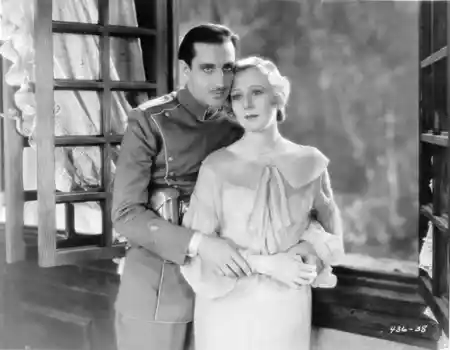
The dialogue, when it comes, is often very clipped. Sometimes it feels like they're still learning how to write for sound. A line will just hang there. And the acting, bless their hearts, can be a little big. Like they're still playing to the back row of a theater. Tibor von Janny's Paul has this intense, almost brooding stare for a good chunk of the film. It gets a little repetitive after a while, you just want him to blink or something.
But Kay Johnson as Victoria... she's got something. There's a scene where she's just pacing, waiting for word from her husband. The frustration just builds and builds, and you feel it. She's not just a plot device; she's got her own internal world. Even if it's a world where she's about to betray a fascinating stranger. Her face in that one close-up, it tells a whole story.
The ending, with Paul's intentions at the château, feels very much of its time. Very dramatic. It's not subtle. You can almost feel the script trying to push this grand, tragic choice onto the characters. And it lands... well, it lands. You might not agree with the choices made, but you understand why they were made, in the context of a WWI spy drama. It's all about duty, I guess.
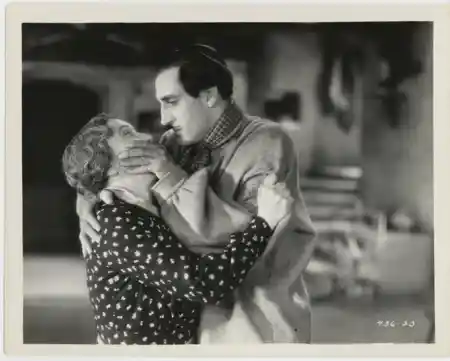
It's a film that asks a lot of its audience, I think. You have to be willing to slow down, to appreciate the quiet moments, the visual cues over constant talking. The plot is simple enough, but the mood is everything. That creeping sense of danger, the moral quandary Paul faces.
One thing that sticks with me: the way they used telegrams to move the plot. Just snippets of text on screen, and you had to fill in the rest. It's an interesting bit of filmmaking shorthand that feels very old-school now. Today, they'd have a whole phone call scene, probably. But here, just a quick title card, and bam, plot point delivered. Efficient, if a little dry.
Overall, This Mad World is a curio. It’s not going to blow anyone's mind with special effects or lightning-fast action. It’s a glimpse into early talkies, with some genuinely strong performances, especially from Kay Johnson. It’s got a compelling central conflict, even if some of the execution feels a little clunky now. Worth a watch if you're a cinephile historian, or just looking for something *different*. But don't expect a modern thriller. 🍿 If you enjoyed other early talkies like New Movietone Follies of 1930 or even something more straightforward like The Black Watch, this might fit your vibe.
IMDb 5.5
1929
Community
Log in to comment.